

 Előnézet
 Megosztás
 Megosztás
 Részletek
 Útmutató

 Letöltés
 Hasonló darabok
 X-ray felvétel
 Diavetítés
 Statisztika
Crémieu
 Oil On Canvas
- WallArt
- Romanticism
 1847
1847 38.0 x 46.0 cm
 Fitzwilliam Múzeum
 Tovább olvasom
Giclée / Műnyomat
Múzeumi minőségű giclée vagy vászonnyomat, gyors gyártással és rugalmas finomítási lehetőségekkel. ( Kézzel festett másolat vásárlása Áttérés digitális képre)




P118B Ft10

P118H Ft10

P118W Ft10

P438Z Ft10

P508JH Ft12

P508YH Ft12

P805H Ft10

P805Z Ft10

P919BZ Ft10

P919G Ft10

P919XJ Ft10

P959ZH Ft10

P968JZ Ft12

W106C Ft8

W218G Ft10

W218JH Ft8

W218Y Ft10

W307PJ Ft10

W316G Ft10

W316PJ Ft8

W316Y Ft10

W398PJ Ft8

W4111J Ft10

W500HY Ft15

W500JH Ft15

W692G Ft12

W849H Ft8

W940BG Ft15

W953PJ Ft8




Válasszon előre meghatározott méreteink közül, amelyek megfelelnek a műalkotás eredeti arányainak.

Írja be a keretének vagy a falának megfelelő szélességet és magasságot. A nyomatot csak le lehet vágni, soha nem tehető nagyobbá, mint az eredeti kép, így egy eltérő alakú méretnél a kép egy része elveszik. Mielőtt bármit kinyatintanánk, küldünk egy digitális próbamodellt jóváhagyásra. Az oldalon látható kép nem tartalmazza a valós levágást — ezt csak a próbamodell mutatja meg.
Világszerte történő kiszállítás területére mindössze 2 hét alatt, a szokásos 4-5 hét helyett. (25 október)

Ingyenes globális expressz szállítás

Prémium minőségű len vászon

Teljes körű szállítási biztosítás

Vámvisszatérítési Garancia

Tökéletes színarányosság garancia

100 napos visszaküldési garancia (csak gyártási hibás termékek esetén)

100% pénzvisszatérítési garancia

Több darab vásárlásakor kedvezmény
 Az üvegkeretes opció csak 110 cm alatti méretben érhető el

Crémieu
Giclée / Műnyomat
Reprodukció méretei
-


Összesített ár
Ft 25605
A Dramatic Vista of the French Countryside
Henri-Joseph Harpignies’ “Crémieu” (1847) is more than just a landscape painting; it's an immersive experience, a carefully constructed tableau that invites contemplation on the relationship between humanity and the vastness of nature. The scene unfolds within the foothills of the French Alps, depicting a rugged, almost primordial terrain dominated by towering cliffs and a winding path that draws the eye relentlessly into the distance. The painting immediately establishes a sense of solitude and grandeur – an emotional resonance deeply rooted in the Romantic tradition, yet subtly informed by Harpignies’ meticulous observation of light and texture.

The composition is masterfully executed, utilizing a strong diagonal line created by the path to guide the viewer’s gaze and establish a dynamic flow through the scene. The foreground, rendered in earthy browns and ochres, features a dirt road and scattered rocks, gradually transitioning into the imposing cliffs that form the central focus of the painting. These cliffs aren't merely geological formations; they possess an almost sculptural quality, their weathered surfaces hinting at centuries of exposure to the elements. In the distance, a subtle atmospheric perspective – a softening of colors and details as depth increases – suggests the immense scale of the landscape and evokes a feeling of both awe and vulnerability.
The Barbizon School and Luminism
Harpignies’ work firmly places him within the context of the Barbizon School, a movement that championed direct observation of nature and a rejection of academic artifice. Unlike earlier landscape painters who relied heavily on idealized representations, the Barbizon artists sought to capture the essence of the French countryside as they experienced it – with its rough textures, subtle shifts in light, and inherent imperfections. “Crémieu” exemplifies this approach, eschewing smooth brushstrokes and carefully blended colors in favor of visible marks that convey a sense of immediacy and spontaneity. Furthermore, the painting’s emphasis on atmospheric effects aligns closely with Luminism, a style characterized by its soft, diffused lighting and focus on capturing the subtle nuances of light and shadow.
Born in Valenciennes in 1819, Harpignies initially pursued a business career before dedicating himself to art. His early training under Jean Achard instilled in him a solid foundation in draughtsmanship, while his subsequent journey to Italy exposed him to the principles of the Barbizon School and fostered a deep appreciation for the Italian landscape tradition. The painting’s muted palette – dominated by browns, greens, and grays – contributes significantly to its evocative atmosphere, creating a sense of quiet contemplation and timelessness.
Symbolism and Emotional Resonance
Beyond its technical merits, “Crémieu” carries a subtle symbolic weight. The solitary path winding through the landscape can be interpreted as a metaphor for the human journey – a quest for meaning and purpose amidst the vast uncertainties of life. The towering cliffs represent both strength and vulnerability, reminding us of our own smallness in the face of nature’s power. The painting's overall mood is one of serene solitude, inviting viewers to pause and reflect on their place within the natural world.
Interestingly, the village of Crémieu itself, depicted in the painting, holds a rich history. Situated near Lyon, it served as an important trading center throughout the Middle Ages, benefiting from its strategic location along trade routes. The presence of a medieval castle and monastic settlements further adds to the painting’s historical context.
A Masterpiece for Collectors
“Crémieu” is a testament to Harpignies' skill as a landscape painter and his ability to capture the beauty and drama of the French countryside. Reproductions of this captivating artwork are available through OriginalUniqueArt, offering an opportunity to bring its evocative atmosphere into your home or office. Its timeless appeal and rich symbolism make it a valuable addition to any art collection.
Gyakran Ismételt Kérdések
Milyen érzelmet közvetít a „Crémieu”, Harpignies Henri-Joseph alkotása?
A „Crémieu”, Harpignies Henri-Joseph alkotása egy Nostalgic érzelmi hangulatot közvetít.
Milyen méretű "Crémieu" ajánlott egy Living Room-hoz?
Egy Living Room számára a „Crémieu”, Harpignies Henri-Joseph alkotása javasolt nyomtatási mérete Medium.
Hogyan tudok nyomtatványt vásárolni a(z) „Crémieu”, Harpignies Henri-Joseph alkotása alkotásból?
A „Crémieu”, Harpignies Henri-Joseph alkotása nyomata megrendelhető közvetlenül a következő oldalon: minőségi giclée nyomat pamutvászonon vagy archiváló vászonpapíron, a Minőségi műalkotás nyomat kautta.
A művész életrajza
Henri-Joseph Harpignies: Egy élet a tájban
Korai évek és az alapok lefektetése
1819. június 28-án született Henri-Joseph Harpignies Franciaország Valenciennes nevű városában, és kezdetben szülei kereskedelmi karriert várt el tőle. Azonban a művészet iránti szenvedélye túl erőteljes volt ahhoz, hogy figyelmen kívül hagyják. Belgiai származású művésznek családja eredeti terveit fel kellett adnia, ahogy ő teljesen elmerült alkotói vágyaiban. Huszonhetteres korában hivatalosan is megkezdte pályafutását Párizsban, belépve Jean Achard műterme into atelier-ába. Ez az alapozó időszak a precíz rajzi készségek fejlesztésére összpontosított – egy olyan döntő fontosságú elem, amely Harpignies alkotásainak központi eleme maradt később is.
A Barbizon-iskola és az olasz hatások
Achard mentorálása alatt eltelt két év után, 1848-ban Harpignies egy sorsfordító utazásra indult Olaszországba, amely tapasztalata alapjaiban formálta át művészeti látásmódját. Az 1850-es évek elején, hazatérése után ismerkedhetett meg a Barbizon-iskola meghatározó alakjával, köztük Jean-Baptiste-Camille Corot-tal is. A Barbizon-festők hangsúlyozta a természet közvetlen megfigyelését és a vidéki élet realista ábrázolását, ami mélyen rezonált Harpignies lelki világával. 1860-ban egy közös olaszországi utazással még szorosabbá kötötte művészeti kapcsolatát Corottal.
Művészi fejlődés és stílus
Harpignies stílusát a francia vidék nyugodt és idilli ábrázolása jellemzi. Mesterfokon ловásította meg a fény és a légkör finom árnyalatait, olyan tájképeket alkotva, amelyek békét és harmóniát árasztanak. Technikai tudása a gondos megfigyelés és a kompozíció kifinomult értelmezésének ötvözete volt. Bár a Barbizon-iskola realizmusától érintetett volt, Harpignies képes volt kialakítani saját, egyedi hangját, amely gyakran tartalmazott egyfajta lírai érzékiséget is.
Kiemelt alkotások
- Soir sur les bords de la Loire (Este a Loire partján) – 1861: Művészete egyik legkiemelkedőbb példája, amely a Loire-völgy szépségét mutatja be a hangulatos táj festészetében.
- Les corbeaux (A varjak) – 1865: A természetben rejlő hangulat és részletgazdag finomság lenyűgöző ábrázolása.
- Le soir (Az este) – 1866: Az alkonyati csendes szépség magával ragadó megjelenítése.
- La loire (A Loire) – 1882: Egy másik lenyűgöző ábrázolás a folyóról, amely kiemeli a fény és a víz mesteri kezelését.
- Vue de Saint-Privé (Kilátás Saint-Privéből) – 1883: Egy idilli jelenet egy encimпедиás francia faluban.
Örökség és hatás
Harpignies művészeti öröksége túlmutat saját festményein. Elkötelezett pedagógus volt, aki tudását és készségeit számos tanítványnak adta át, köztük Émile Appay (1876-1935) és James Wilson Morrice (1865-1924) számára. Hatása egyértelműen látható a francia tájképfestészet fejlődésében a 19. százendika végén és a 20. század elején is, segítve a Barbizon-iskola hatását a későbbi művészgenerációkra.
Történelmi jelentőség
Henri-Joseph Harpignies fontos helyet foglal el a francia tájképfestészet történetében. Művészete a természet iránti mély csodálatot és az őszinteséggel, érzékenységgel való ábrázolás iránti elkötelezettséget tükrözi. 1916-ban távozott e földről, gazdag művészeti örökséget hagyva себе, amely ma is inspirálja és lenyűgözi a közönséget. Festményei neves múzeumokban kaptak helyet, többek között a Musée des Beaux-Arts Valence gyűjteményében, biztosítva tartós elismertségét a tájképészet mestereként.
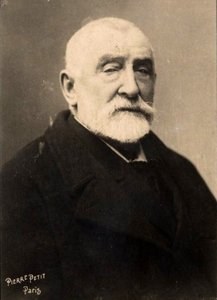
Harpignies Henri-Joseph
1819 - 1916 , Belgium
Gyors információk
- Artistic Movement Or Style: Barbizon iskolája
- Artists Who Influenced This Artist:
- Jean Achard
- Jean Baptiste Camille Corot
- Date Of Birth: 1819 június 28.
- Date Of Death: 1916 augusztus 28.
- Full Name: Henri-Joseph Harpignies
- Nationality: Belgiumi származású francia
- Notable Artworks:
- Soir sur les bords de la Loire
- Les Corbeaux
- Le Soir
- Le Saut-du-Loup
- La Loire
- Place Of Birth: Valenciennes, Franciaország
Kapcsolódó cikkek

A Romantikus Tájképfestészet 10 Legikonikusabb Műalkotása – OriginalUniqueArt.com
Fedezze fel a romantikus tájképfestészet 10 legikonikusabb műalkotását! Caspar David Friedrich, J.M.W. Turner és más mesterek festményeinek története – inspiráló olajfestmények otthonába. OriginalUniqueArt.com: múzeumi minőségű reprodukciók és egyedi dekorációk online.

Evoking Nature's Sublime: A Comprehensive Exploration of 19th-Century Landscape Painting
Explore the captivating world of 19th-century landscape painting! Discover renowned artists like Friedrich & Monet, key movements, and find the perfect artwork to bring nature's serenity into your home. Expert insights at OriginalUniqueArt.
Paul Huet: Capturing the Essence of French Romanticism Through Light and Landscape
Explore the captivating world of Paul Huet (1803-1869), a master of French Romantic landscape painting. Discover his influence on Barbizon & Impressionism, and browse high-quality reproductions at OriginalUniqueArt.
Evoking Emotion & Transcendence: Romantic Landscape Painting (18th-19th Century)
Explore the emotional depth of Romantic landscape painting (18th-19th century). Discover key artists like Friedrich & Cole, and the concepts of the sublime. Expert insights for art lovers & collectors.
Henri-Joseph Harpignies: Capturing the Poetic Essence of the French Landscape
Explore the serene landscapes of Henri-Joseph Harpignies, a master of the Barbizon School. Discover his atmospheric paintings, recurring themes & enduring legacy in 19th-century French art. Learn more at OriginalUniqueArt.
