

 Előnézet
 Megosztás
 Megosztás
 Részletek
 Útmutató

 Letöltés
 Hasonló darabok
 X-ray felvétel
 Diavetítés
 Statisztika
Venus and Adonis
 Oil On Canvas
- WallArt
- Baroque
 1614
1614- Early Modern
 141.0 x 191.0 cm
 Alte Pinakothek
 Tovább olvasom
Giclée / Műnyomat
Múzeumi minőségű giclée vagy vászonnyomat, gyors gyártással és rugalmas finomítási lehetőségekkel. ( Kézzel festett másolat vásárlása Áttérés digitális képre)




P118B Ft10

P118H Ft10

P118W Ft10

P438Z Ft10

P508JH Ft12

P508YH Ft12

P805H Ft10

P805Z Ft10

P919BZ Ft10

P919G Ft10

P919XJ Ft10

P959ZH Ft10

P968JZ Ft12

W106C Ft8

W218G Ft10

W218JH Ft8

W218Y Ft10

W307PJ Ft10

W316G Ft10

W316PJ Ft8

W316Y Ft10

W398PJ Ft8

W4111J Ft10

W500HY Ft15

W500JH Ft15

W692G Ft12

W849H Ft8

W940BG Ft15

W953PJ Ft8




Válasszon előre meghatározott méreteink közül, amelyek megfelelnek a műalkotás eredeti arányainak.

Írja be a keretének vagy a falának megfelelő szélességet és magasságot. A nyomatot csak le lehet vágni, soha nem tehető nagyobbá, mint az eredeti kép, így egy eltérő alakú méretnél a kép egy része elveszik. Mielőtt bármit kinyatintanánk, küldünk egy digitális próbamodellt jóváhagyásra. Az oldalon látható kép nem tartalmazza a valós levágást — ezt csak a próbamodell mutatja meg.
Világszerte történő kiszállítás területére mindössze 2 hét alatt, a szokásos 4-5 hét helyett. (23 október)

Ingyenes globális expressz szállítás

Prémium minőségű len vászon

Teljes körű szállítási biztosítás

Vámvisszatérítési Garancia

Tökéletes színarányosság garancia

100 napos visszaküldési garancia (csak gyártási hibás termékek esetén)

100% pénzvisszatérítési garancia

Több darab vásárlásakor kedvezmény
 Az üvegkeretes opció csak 110 cm alatti méretben érhető el

Venus and Adonis
Giclée / Műnyomat
Reprodukció méretei
-


Összesített ár
Ft 25718
A Mythological Embrace in Baroque Splendor
To stand before Hendrick Goltzius's "Venus and Adonis" is to step directly into the vibrant, emotionally charged atmosphere of the early Baroque period. Completed in 1614, this oil on canvas masterpiece transcends a mere depiction; it is a narrative captured in pigment—a moment of profound intimacy set against the backdrop of classical mythology. The scene unfolds with breathtaking drama, drawing the viewer into the tender yet potent interaction between Venus, Adonis, and Cupid. Goltzius, known for his sophisticated technique and exuberant compositions, masterfully orchestrates every element, ensuring that the eye travels naturally from one figure to the next, absorbing the weight of their unspoken emotions.
Composition and Symbolic Richness
The composition itself is a triumph of Baroque arrangement. Venus, seated regally upon a bed strewn with blossoms, anchors the scene. Her blue gown, accented with shimmering gold trimmings, speaks of her divine status, while the mirror she delicately holds serves not only as an object but as a profound symbol—a reflection of self-love and eternal beauty. Beside her rests Adonis, clad in rich red, his posture suggesting both repose and readiness, emphasized by the spear he carries. Completing this trinity is Cupid, positioned subtly behind Venus, his winged form and poised bow adding a dynamic layer of divine intervention. The landscape that frames them—a tapestry of distant trees and mountains—grounds this ethereal encounter in a tangible, natural world.
Mastery of Technique and Color
Goltzius’s handling of oil paint is nothing short of remarkable. One can almost feel the texture beneath the varnish. The interplay between the deep blues of Venus's drapery, the passionate reds adorning Adonis, and the varied greens of the background creates a chromatic harmony that vibrates with life. His ability to render both the soft folds of luxurious fabric and the sharp gleam of metal—like the spear or the mirror’s surface—speaks to an unparalleled technical virtuosity. This meticulous detail invites close contemplation, rewarding the viewer who pauses to examine the brushwork.
Echoes for the Modern Collector
For those seeking to infuse a space with the grandeur and narrative depth of the Old Masters, this work offers immense inspiration. The emotional resonance—the blend of sensual beauty, tragic potential, and divine affection—is timeless. Owning a high-quality reproduction allows one to bring home not just a painting, but a piece of art historical dialogue. Whether adorning a grand salon or serving as a focal point in a sophisticated interior design scheme, the drama inherent in "Venus and Adonis" by Hendrick Goltzius promises an immediate elevation of ambiance, connecting the modern viewer to the passionate artistic spirit of the 17th century.
Gyakran Ismételt Kérdések
Milyen módon kapcsolódik a "Venus and Adonis" stílusa alkotójának korához?
A „Venus and Adonis”, Goltzius Henrik alkotása a Baroque irányzat pripad, alkotójának Reneszánsz korszakából származva.
Megtekinthető „Venus and Adonis”, Goltzius Henrik alkotása a saját falamon vásárlás előtt?
A(z) "Venus and Adonis" mű kiterjesztett valóság (AR) előnézettel rendelkezik: a mű AR előnézet oldala kompatibilis eszközön megtekinthető saját környezetében.
Mely korszakban készült a „Venus and Adonis”, Goltzius Henrik alkotása?
A „Venus and Adonis”, Goltzius Henrik alkotása a Early Modern korszakból származik. Ez az időszak adja a mű történelmi kontextusát.
A művész életrajza
Early Life and Training
Hendrik Goltzius, a name synonymous with the vibrant dynamism of Northern Mannerism in Dutch art, was born in Braunschweig (Braunschweig), Germany, in 1558. His early life, steeped in artistic tradition, laid the foundation for his remarkable career. His family’s lineage traced back to generations of artists – his great-grandfather and grandfather were both painters residing in Venlo, while his father, Jan Goltz II, was a skilled glass painter based in Duisburg. This rich artistic heritage instilled within him an early appreciation for visual expression and craftsmanship. A pivotal moment in his formative years occurred when he began studying painting on glass under his father’s tutelage. However, it was his encounter with Dirck Volckertszoon Coornhert, a renowned Dutch polymath and printmaker, that truly shaped his artistic trajectory. Coornhert, a master of both engraving and drawing, took young Hendrick under his wing, imparting invaluable knowledge of the art of copperplate engraving – a technique he would later perfect to an unprecedented degree. This mentorship proved crucial, exposing Goltzius to the intricacies of line work, composition, and the nuances of creating visually compelling prints. The fire that scarred his right hand as a child, while initially presenting a physical challenge, ironically became a unique advantage, granting him exceptional dexterity and control when manipulating the burin – the essential tool for engraving.Artistic Career and Influences
Around 1577, Goltzius embarked on a significant chapter of his life by relocating to Haarlem, a thriving center of artistic activity in the Dutch Republic. Here, he established his own printmaking business, quickly gaining recognition for his technical skill and innovative approach. He was also employed by Philip Galle, a prominent printer and publisher, where he contributed to a series of prints depicting the history of Lucretia – a project that further honed his artistic abilities and exposed him to diverse stylistic influences. Goltzius’s artistic vision drew inspiration from a wide range of sources, most notably the Mannerist painters Bartholomeus Spranger and Annibale Carracci, whose dramatic compositions and expressive figures resonated deeply with him. He meticulously studied their works, adapting their techniques and incorporating their aesthetic principles into his own prints. His early engravings were often faithful reproductions of existing prints by masters like Albrecht Dürer and Lucas van Leyden, demonstrating a deep respect for the artistic canon while simultaneously establishing his own distinctive style. However, it was in his later years that Goltzius truly blossomed as an independent artist, creating a vast body of original works characterized by their dynamism, intricate detail, and masterful use of line.Technique and Style – The Swelling Line
Hendrik Goltzius’s contribution to the world of printmaking is largely defined by his revolutionary technique known as the “swelling line.” This innovative approach involved manipulating the burin – the tool used to cut lines into a metal plate – to create varying thicknesses of line. By subtly altering the angle and pressure applied, he could produce lines that appeared thicker or thinner depending on their distance from the viewer, effectively simulating tonal shading without resorting to hatching or cross-hatching. This technique, unprecedented in its sophistication, allowed him to achieve a remarkable sense of depth, volume, and atmospheric perspective within his engravings – qualities previously unattainable with traditional methods. Furthermore, he pioneered the “dot and lozenge” technique, strategically placing dots within lozenge-shaped spaces created by cross-hatching. This meticulous detail further refined tonal shading and added an extraordinary level of realism to his prints. His command of the burin was widely considered to rival that of Albrecht Dürer, a testament to his exceptional skill and artistic vision. His engravings of Spranger’s paintings, in particular, significantly elevated the latter's fame, showcasing Goltzius’s ability to capture the essence of complex compositions with remarkable clarity and precision.Public Collections and Legacy
Throughout his career, Hendrick Goltzius enjoyed widespread recognition and acclaim, attracting the patronage of royalty across Europe, including the Holy Roman Emperor Rudolf II. His works were highly sought after by collectors and connoisseurs alike, and they continue to be celebrated for their artistic merit and historical significance. Today, Goltzius’s engravings are housed in some of the world's most prestigious museums, including the Albertina in Vienna, the Rijksmuseum in Amsterdam, and the Metropolitan Museum of Art in New York City. His legacy extends beyond his individual works; he played a pivotal role in introducing Mannerist aesthetics to the northern Netherlands, fostering a vibrant artistic community that included figures like Karel van Mander and Bartholomeus Spranger. His innovative techniques and masterful artistry continue to inspire artists and art historians today, solidifying his place as one of the most important printmakers in European history. His work stands as a testament to the power of observation, technical skill, and artistic vision—a legacy that resonates through the centuries.
Goltzius Henrik
1558 - 1617 , Németország
Gyors információk
- Artistic Movement Or Style: Északi Mannerizmus
- Artists Or Movements Influenced By This Artist: ['Jacques Bellange']
- Artists Who Influenced This Artist:
- Dirck Volckertszoon Coornhert
- Bartholomeus Spranger
- Date Of Birth: Január/Február 1558
- Date Of Death: 1617. jan.
- Full Name: Hendrik Goltzius
- Nationality: Hollandi
- Notable Artworks:
- A Szentetek Imádása
- Arcadiás táj
- Szórváros
- Herkül a csatornával
- Place Of Birth: Braunschweig, Itália
Kapcsolódó cikkek

The Dramatic Flourish: Exploring the Baroque Movement's Enduring Legacy in Art History
Explore the dramatic world of Baroque art! Discover iconic artists like Caravaggio & Rubens, defining techniques, and its lasting impact on art history. Expert insights for collectors & enthusiasts at OriginalUniqueArt.

Hendrick Goltzius: Master Engraver & the Flourishing of Dutch Mannerism
Explore the life & art of Hendrick Goltzius, a master engraver of Dutch Mannerism. Discover his innovative techniques, iconic engravings like 'Jahel', and lasting influence on Baroque art. Learn about collecting Goltzius today.
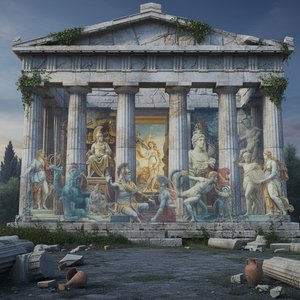
Echoes of Olympus: Mythological Narratives in Western Art Through the Ages
Explore the captivating history of mythological narratives in Western art! From ancient Greece to modern masterpieces, discover iconic artworks & symbolism. Expert analysis and high-quality reproductions at OriginalUniqueArt.

A Barokk Mesterek 10 Legikonikusabb Remekműve – OriginalUniqueArt.com
Fedezze fel a barokk művészet 10 legpártosabb remekművét! Caravaggio, Rembrandt és Vermeer alkotásainak története – OriginalUniqueArt.com kínálatában exkluzív reprodukciók és inspiráló dekorációs ötletek várják Önt. Nézze meg most!

Barokk dráma: A nagyság és az érzelem bevonása a kortárs belső terekbe
Fedezze fel a barokk stílus nagyságát és drámáját! Ismerje meg a belsőépítészet jellegzetességeit, inspirálódjon híres enteriőrökből, és valósítsa meg álmai luxus otthonát szakértő útmutatásunkkal.

