
 Előnézet
 Megosztás
 Megosztás
 Részletek

 Letöltés
 Hasonló alkotások
 X-ray felvétel
 Diavetítés
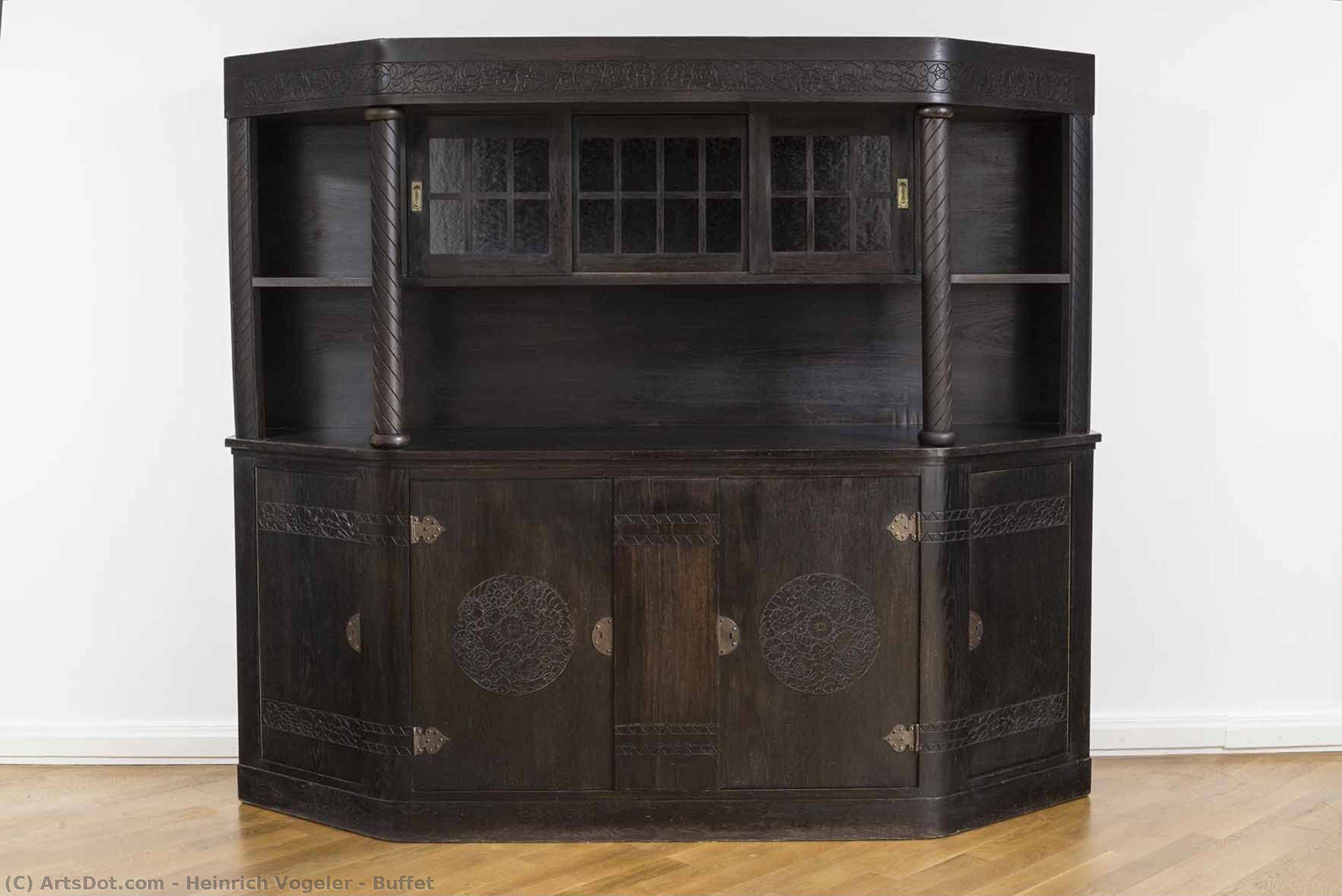
Buffet


 Tovább olvasom
Kézzel készített olajfestmény reprodukció
Kézzel festett olajvastú vászon, az Ön által választott méretben és keretben, művészeink készítik meglévőre. ( Váltás nyomtatványra Képváltás)




































Válasszon előre meghatározott méreteink közül, amelyek megfelelnek a műalkotás eredeti arányainak.

Ön megadhat saját méreteket egy adott kerethez vagy térhez igazításhoz. Ha a kiválasztott méret nem egyezik az eredeti kép arányával, akkor a műalkotást levágjuk, vagy további kézzel festett elemekkel meghosszabbítjuk a festményt. A gyártás megkezdése előtt küldünk Önnek egy digitális előnézetet jóváhagyásra.
Kérjük, vegye figyelembe, hogy a képernyőn megjelenő előnézet nem tükrözi a tényleges vágást vagy kiterjesztést. Csak az előnézet fog pontosan mutatni a végső kompozíciót.
Bár egyedi méretek állnak rendelkezésre, javasoljuk, hogy válasszon egy méretet az előre meghatározott listából az eredeti arányok megőrzése érdekében.
A rendelést követően a OriginalUniqueArt.com csapata e-mailt küld az ügyfélnek az instrukciókért, és biztosít egy előnézeti képet (mockup).
Világszerte elérhető szállítás () 3-4 hét alatt a szokásos 5 hét helyett. (9 augusztus). A minőség nem kérdőjelezhető.

Ingyenes globális expressz szállítás

Prémium minőségű len vászon

Teljes szállítási biztosítás

Vámvisszatérítési Garancia

Tökéletes színpontosság garancia

60 napos visszaküldési lehetőség (csak gyártási hibák esetén)

100%-os pénzvisszatérítési garancia

Kedvezmény több termény esetén
 Az üvegkeretes opció csak 110 cm alatti méretben érhető el

Buffet
Reprodukciós technika
A reprodukció mérete
-


Összesített ár
$ 300
A művész életrajza
Heinrich Vogeler: Bridging Romantic Idealism and Socialist Engagement
Heinrich Vogeler (1872-1942) stands as a pivotal figure in German art history, embodying the spirit of the Düsseldorf School and profoundly impacted by the burgeoning Worpswede colony. Born in Bremen, his artistic journey unfolded against the backdrop of shifting cultural currents—from early romantic landscapes to later socially conscious paintings reflecting his unwavering commitment to communist ideals—establishing him as an artist deeply attuned to both aesthetic beauty and ethical responsibility. His formative years were marked by rigorous academic training at the Kunstakademie Düsseldorf (1890–95), where he honed his skills alongside contemporaries like Erich Heckel and Wilhelm Wagenfeld, absorbing the stylistic innovations of Impressionism and Post-Impressionism. These influences instilled in Vogeler a sensitivity to light and color that would permeate his subsequent oeuvre. Notably, his visits to Belgium and Italy exposed him to the grandeur of Renaissance art and broadened his artistic horizons. However, it was Worpswede—the idyllic Künstlerkolonie established in 1895—that truly cemented Vogeler’s reputation as a landscape painter and solidified his connection to a vibrant artistic community. He purchased a cottage there named Birkenhof (Low German for birken tree cottage), planting numerous birch trees around it, symbolizing resilience and renewal – motifs that would recur throughout his work. Vogeler's artistic style evolved dramatically over time. Initially characterized by ethereal landscapes imbued with Romantic sentiment—particularly depictions of the Bremen region—his paintings gradually embraced bolder brushstrokes and expressive color palettes reflecting the influence of Fauvist tendencies. He skillfully blended Impressionistic techniques with Symbolist aesthetics, creating images that captured not merely visual beauty but also profound emotional resonance. His book illustrations in Art Nouveau style showcased his mastery of decorative design and demonstrated a keen understanding of contemporary artistic trends. Beyond his artistic accomplishments, Vogeler’s intellectual convictions played an equally significant role in shaping his creative output. Inspired by Maxim Gorky's writings during a trip to Łódź, he developed a deep empathy for the plight of the working class—a sentiment that intensified during observations of Glasgow and Manchester slums. This humanist impulse fueled his artistic exploration of social issues, culminating in powerful depictions of industrial landscapes and portraits reflecting the hardships faced by ordinary people. Following World War I, Vogeler joined the Communist Party of Germany (KPD), actively participating in the Workers’ and Soldiers’ Council of Bremen during the German Revolution of 1918–19. His involvement extended to artistic endeavors aimed at promoting socialist ideals—a commitment that endured throughout his life. Despite facing personal challenges including a divorce from Martha Schröder, Vogeler remained steadfast in his dedication to art and ideology until his death in 1942. He continued to produce paintings reflecting the realities of postwar Germany, demonstrating an unwavering belief in social justice and artistic expression as instruments for fostering human compassion. Heinrich Vogeler’s legacy resides not only in his stunning landscapes but also in his enduring contribution to German art history—a testament to an artist who seamlessly blended aesthetic brilliance with ethical conviction.
heinrich vogeler
1872 - 1942
Rövid tények
- Artistic Movement Or Style: Düsseldorf School & Worpswede
- Artists Or Movements Influenced By This Artist: ['Social Realism']
- Artists Who Influenced This Artist:
- Maxim Gorky
- Georges Rodenbach
- Date Of Birth: December 12, 1872
- Date Of Death: June 14, 1942
- Full Name: Johann Heinrich Vogeler
- Nationality: German
- Notable Artworks:
- Birkenhof Landscape
- Celtic Landscape
- Place Of Birth: Bremen, Germany
Kapcsolódó cikkek
Frank Brangwyn: A Life Immersed in Colour, Craft & the Spirit of Modern British Art
Explore the vibrant life & prolific work of Frank Brangwyn, a master of British art. Discover his stunning paintings, designs, and monumental Empire Panels – a celebration of colour, craft, and artistic innovation.

The Roaring Twenties Revisited: Art Deco & Modernist Expressions for the Discerning Collector
Explore the glamour of Art Deco & the innovation of Modernism! Discover key artists, investment potential, and expert guidance for collecting 1920s art. Enhance your space with timeless masterpieces.

Beyond Myth & Madness: Exploring the Visionary Art of Johann Heinrich Füssli
Explore the captivating world of Johann Heinrich Füssli (Henry Fuseli), a master of Romantic art. Discover his iconic 'The Nightmare' and Shakespearean scenes, plus insights for collectors & enthusiasts.
Erté: The Art Deco Visionary Who Defined Modern Glamour
Explore the glamorous world of Erté, the 'Father of Art Deco'. Discover his iconic fashion illustrations, stunning sculptures & enduring legacy. Expert insights for art collectors.
Paul Manship: Reassessing the Master of American Art Deco Sculpture
Explore the captivating world of Paul Manship, a leading figure in American Art Deco sculpture. Discover his iconic works like Prometheus, influence on modernism, and investment potential. Expert insights for collectors.

