

 Megtekintés
 Küldés
 Megosztás
 Részletek

 Letöltés
 Hasonló darabok
 X-ray felvétel
 Diavetítés
Monkeys
 1933
1933 139.0 x 158.0 cm
 Összes részlet megjelenítése
Kézzel készített olajfestmény reprodukció
Kézzel festett olajvastú vászon, az Ön által választott méretben és keretben, művészeink készítik meglévőre. ( Nyomat rendelése Kép letöltése)




































Válasszon előre meghatározott méreteink közül, amelyek megfelelnek a műalkotás eredeti arányainak.

Ön megadhat saját méreteket egy adott kerethez vagy térhez igazításhoz. Ha a kiválasztott méret nem egyezik az eredeti kép arányával, akkor a műalkotást levágjuk, vagy további kézzel festett elemekkel meghosszabbítjuk a festményt. A gyártás megkezdése előtt küldünk Önnek egy digitális előnézetet jóváhagyásra.
Kérjük, vegye figyelembe, hogy a képernyőn megjelenő előnézet nem tükrözi a tényleges vágást vagy kiterjesztést. Csak az előnézet fog pontosan mutatni a végső kompozíciót.
Bár egyedi méretek állnak rendelkezésre, javasoljuk, hogy válasszon egy méretet az előre meghatározott listából az eredeti arányok megőrzése érdekében.
A rendelést követően a OriginalUniqueArt.com csapata e-mailt küld az ügyfélnek az instrukciókért, és biztosít egy előnézeti képet (mockup).
Világszerte elérhető szállítás () 3-4 hét alatt a szokásos 5 hét helyett. (7 szeptember). A minőség nem kérdőjelezhető.

Ingyenes globális expressz szállítás

Prémium minőségű len vászon

Teljes körű szállítási biztosítás

Vámvisszatérítési Garancia

Hiteles színpontosság garancia

100 napos visszaküldési lehetőség (csak hibás termékek esetén)

100% pénzvisszatérítési garancia

Több darab vásárlása esetén kedvezmény
 Az üvegkeretes opció csak 110 cm alatti méretben érhető el

Monkeys
Reprodukciós technika
Reprodukció mérete
-


Összesített ár
$ 300
A művész életrajza
Hashimoto Kansetsu: A Life Dedicated to Nihonga
- Born: November 10, 1883, Kobe, Japan
- Died: February 26, 1945
- Nationality: Japanese
- Artistic Movement: Nihonga
Early Life and Training
- Hashimoto Kansetsu was born into a family of artists; his father, Hashimoto Kaikan, was also a painter. This upbringing instilled in him a deep appreciation for art and Chinese culture.
- He initially studied at Chikujokai, a private school founded by the renowned nihonga painter Takeuchi Seihō. However, he left due to differing artistic viewpoints.
- His early training focused on mastering traditional Japanese painting techniques and absorbing influences from both Japanese and Chinese art traditions.
Artistic Style and Influences
- Nihonga Specialization: Kansetsu dedicated his career to Nihonga, a style of Japanese painting that emerged during the Meiji period, emphasizing traditional Japanese aesthetics and techniques while incorporating elements of Western art.
- Chinese Inspiration: A significant influence on Kansetsu's work was Chinese scenery and classical literature. He frequently visited China, drawing inspiration from its landscapes and literary heritage.
- Themes & Subjects: His paintings often depicted scenes inspired by Chinese poetry and historical narratives, showcasing his erudition and artistic skill. Common subjects included figures, animals (particularly monkeys and dogs), and landscapes imbued with a sense of tranquility and elegance.
- Style Characteristics: Kansetsu's style is characterized by meticulous detail, refined brushwork, and a harmonious use of color. He skillfully blended traditional Japanese techniques with subtle Western influences, creating a unique and recognizable aesthetic.
Major Works and Recognition
- Notable Paintings: Some of his most celebrated works include "Tang Dogs" (唐犬), depictions of monkeys, and paintings inspired by historical figures like Emperor Godaigo.
- Museum Collections: His artworks are featured in prominent museums such as the Osaka City Museum of Fine Arts and the Honolulu Museum of Art.
- Awards & Honors: Kansetsu received numerous awards throughout his career, including first prize at the Bunten exhibitions in 1916 and 1917. He was also appointed an Imperial Household Artist, a prestigious honor recognizing his contributions to Japanese art.
Legacy and Historical Significance
- Contribution to Nihonga: Hashimoto Kansetsu played a crucial role in the development and popularization of Nihonga painting. His work helped define the style's aesthetic principles and established him as one of its leading figures.
- Hakusasonso Museum: His former residence, now known as the Hakusasonso (Hashimoto Kansetsu Memorial House), serves as a museum showcasing his extensive body of work and preserving his artistic legacy.
- Influence on Subsequent Artists: Kansetsu's influence can be seen in the works of later Japanese artists who continued to explore the possibilities of Nihonga, solidifying his place as an important figure in modern Japanese art history.
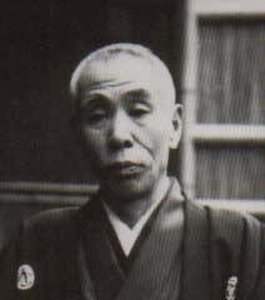
hashimoto kansetsu
1883 - 1945 , Japan
A művészről röviden
- Artistic Movement Or Style: Nihonga painting
- Artists Or Movements Influenced By This Artist:
- Uemura Shōen
- Kazuo Shiraga
- Artists Who Influenced This Artist:
- Takeuchi Seihō
- Hashimoto Kaikan
- Date Of Birth: November 10, 1883
- Date Of Death: February 26, 1945
- Full Name: Hashimoto Kansetsu
- Nationality: Japanese
- Notable Artworks:
- 唐犬
- Monkeys
- Emperor Godaigo
- Place Of Birth: Kobe, Japan