
 Megtekintés
 Küldés
 Megosztás
 Részletek
 Útmutató

 Letöltés
 Hasonló darabok
 X-ray felvétel
 Diavetítés
 Kérdések és válaszok
 Statisztika
Der Tod der Kleopatra

- 191.0 x 255.0 cm


 Összes részlet megjelenítése
Giclée / Műnyomat
Múzeumi minőségű giclée vagy vászonnyomat, gyors gyártással és rugalmas finomítási lehetőségekkel. ( Kézzel festett másolat rendelése Áttérés digitális képre)




P118B Ft10

P118H Ft10

P118W Ft10

P438Z Ft10

P508JH Ft12

P508YH Ft12

P805H Ft10

P805Z Ft10

P919BZ Ft10

P919G Ft10

P919XJ Ft10

P959ZH Ft10

P968JZ Ft12

W106C Ft8

W218G Ft10

W218JH Ft8

W218Y Ft10

W307PJ Ft10

W316G Ft10

W316PJ Ft8

W316Y Ft10

W398PJ Ft8

W4111J Ft10

W500HY Ft15

W500JH Ft15

W692G Ft12

W849H Ft8

W940BG Ft15

W953PJ Ft8




Válasszon előre meghatározott méreteink közül, amelyek megfelelnek a műalkotás eredeti arányainak.

Írja be a keretének vagy a falának megfelelő szélességet és magasságot. A nyomatot csak le lehet vágni, soha nem tehető nagyobbá, mint az eredeti kép, így egy eltérő alakú méretnél a kép egy része elveszik. Mielőtt bármit kinyatintanánk, küldünk egy digitális próbamodellt jóváhagyásra. Az oldalon látható kép nem tartalmazza a valós levágást — ezt csak a próbamodell mutatja meg.
Világszerte történő kiszállítás területére mindössze 2 hét alatt, a szokásos 4-5 hét helyett. (4 november)

Ingyenes globális expressz szállítás

Prémium minőségű len vászon

Teljes körű szállítási biztosítás

Vámvisszatérítési Garancia

Hiteles színarányosság garancia

100 napos visszaküldési lehetőség (csak hibás termékek esetén)

100% pénzvisszatérítési garancia

Több darab vásárlásakor kedvezmény
 Az üvegkeretes opció csak 110 cm alatti méretben érhető el

Der Tod der Kleopatra
Giclée / Műnyomat
Reprodukció mérete
-


Összesített ár
Ft 26538
A Symphony in Crimson and Shadow
In the grand tradition of nineteenth-century Academic Art, Hans Makart’s “Der Tod der Kleopatra” stands as more than a mere historical reconstruction; it is a visceral, immersive experience that captures the very essence of tragedy and opulence. Completed in 1875, this monumental oil on canvas invites the viewer into a private, somber moment of transition. The scene centers upon the legendary Cleopatra VII Philopator, depicted lying supine upon a lavish bed draped in heavy, crimson velvet. Makart employs a masterful use of dramatic lighting, casting a singular, focused spotlight upon her face to heighten the emotional intensity of her final moments. This chiaroscuro effect creates a profound sense of intimacy and vulnerability, drawing the eye toward the pale, serene features of the fallen queen amidst a sea of deep, blood-red tones.
The atmosphere of the painting is one of decadent decay, where royal splendor meets the inevitability of death. Surrounding the central figure are the opulent remnants of a lost empire: ornate vases overflowing with wilting flowers and richly embroidered cushions that speak to a life of unparalleled luxury. Adding an enigmatic layer to the composition, two cats inhabit the chamber—one perched delicately near Cleopatra’s head, acting as a silent, watchful witness to the unfolding drama. This careful arrangement of objects serves as a poignant memento mori, reminding us that even the most magnificent earthly treasures are subject to the passage of time.
The Mastery of Makartstil and Technical Brilliance
To behold this work is to witness the pinnacle of Makartstil, the signature style of the Austrian master. Makart’s technique is characterized by a breathtaking luminosity, achieved through the meticulous layering of glazes that allows light to penetrate the surface of the paint. This method brings an extraordinary depth to the dominant crimson palette, making the velvet drapery appear almost palpable to the touch. His training under Karl Theodor von Piloty in Munich instilled in him a rigorous attention to texture; one can almost feel the softness of the feline fur and the heavy weight of the embroidered fabrics.
For the discerning collector or interior designer, this painting offers an unparalleled sense of drama and prestige. The way Makart renders light and shadow creates a sculptural quality that commands any space it inhabits. Whether placed in a grand gallery or a sophisticated private study, the painting’s ability to anchor a room with its rich, saturated hues and complex textures makes it a centerpiece of profound aesthetic value. It is a work that does not merely decorate a wall but transforms the very character of an environment, infusing it with historical weight and artistic soul.
Historical Resonance and Symbolic Depth
Beyond its technical brilliance, “Der Tod der Kleopatra” serves as a window into the cultural psyche of the Austro-Hungarian Empire. During this era, there was a profound fascination with antiquity and a romanticized yearning for the idealized beauty of the past. Makart taps into this collective nostalgia, presenting Cleopatra not just as a political figure, but as an icon of tragic grace. The necklace adorning her neck serves as a potent symbol of her immense wealth and status, even as it rests upon a body surrendered to fate.
The painting captures the tension between the eternal nature of art and the fleeting nature of life. By blending historical narrative with such intense sensory detail, Makart ensures that the viewer is not just observing a scene from history, but feeling the weight of its tragedy. For those seeking a high-quality reproduction, this piece offers an opportunity to possess a fragment of nineteenth-century grandeur—a timeless masterpiece that continues to evoke wonder, melancholy, and awe in all who encounter it.
Kérdések és válaszok
Mi a(z) domináns színtónus „Der Tod der Kleopatra”, Makart János alkotása-nél?
A „Der Tod der Kleopatra”, Makart János alkotása domináns színe a Ochre to Sepia. Ez a szín a paletta alapvető tónusa.
Milyen hangulatot árasztana egy szobában egy „Der Tod der Kleopatra”, Makart János alkotása reprodukció?
A Elegant hangulatával a "Der Tod der Kleopatra" című alkotás egy Hotel Lobby helyiségbe is javasolt.
Milyen témát és hangulatot ötvöz a „Der Tod der Kleopatra”, Makart János alkotása?
A „Der Tod der Kleopatra”, Makart János alkotása egyptian mythology, historical painting, victorian era, opulence, symbolism, female figure, memento mori-t ábrázolja, Elegant hangulatban. A tárgy és a légkör együtt határozza meg a művet.
A művész életrajza
Hans Makart: A Bécsi Világfényű Festő és a "Makartstil"
Hans Makart, Salzburgban született 1840-ben, egy olyan kor szülötte volt, amikor a művészet pompázatos dekorációval, vibráló színekkel és drámai hatásokkal hódított meg. Életútja a fényűzés és a befolyás összefonódását mutatja be, mélyen beírva magát az osztrák-magyar monarchia művészettörténetébe. Bár élete viszonylag rövid volt – mindössze 44 éves korában távozott el –, öröksége a mai napig él, különösen a "Makartstil" révén, amely meghatározta egy egész korszak vizuális stílusát.
Fiatalon Salzburgban kezdte meg művészeti tanulmányait, majd Bécsben próbált szerencsét a bécsi akadémián. Azonban a rajzi nehézségei miatt hamarosan el kellett hagynia az intézményt. Kitartása azonban nem lankadt, és Münchenben Karl Theodor von Piloty irányítása alatt fejlesztette tovább tudását, aki felismerte benne a tehetséget és a szín iránti szenvedélyt. Ez a müncheni időszak volt kulcsfontosságú a stílusának kialakításában, ahol megtanulta a színek erejét és a kompozíciók monumentális hatását. Utazásai Londonba, Párizsba és Rómába tovább gazdagították művészi látókörét, megismerve a különböző európai művészeti irányzatokat és technikákat.
A "Makartstil" és a Bécsi Élet
Makart hamarosan sajátos stílust alakított ki, amelyet "Makartstil"-ként ismerünk. Ez a stílus a túlzó dekoráció, a vibráló színek és a színházias hatás ötvözetéből állt. A bécsi társadalom gyorsan magára talált ebben a pompás művészetben, amely tükrözte az Osztrák-Magyar Monarchia fényűzését és eleganciáját. 1869-től Bécsben telepedett le, és hamarosan a város egyik legnépszerűbb festőjévé vált. A Gusshausstraße 25 számú műterme nem csupán egy alkotóhely volt, hanem egy exkluzív szalon is, ahol a főnemesek, politikusok, művészek és írók találkoztak. A partijai legendássá váltak, és a műterem maga is műalkotásként funkcionált, tele szobrokkal, virágokkal és zeneszerekkel.
A korai munkái, mint például a Lavoisier in Prison, már megmutatták színérzékenységét, míg a The Knight and the Water Nymphs dekoratív képességeit. Azonban az áttörést olyan festmények hozták, mint a Modern Amoretti és a The Plague in Florence, amelyek szilárdították pozícióját a vezető művészek között. A bécsi múzeum vásárlása, a Romeo and Juliet című alkotásának, tovább növelte hírnevét.
A Makart-Parádé és a Művészeti Örökség
Makart legjelentősebb vállalata kétségtelenül a 1879-es ezüstlakoma megünneplésére szervezett parádé volt, amelyen Ferenc József császár és Erzsébet királyné jubileumát ünnepelték. Makart nem csupán a festményekkel foglalkozott ebben az esetben, hanem a jelmezeket, a díszleteket és a menetvonalat is megtervezte. A parádé, amelyet "Makart-Parádénak" neveztek el, lenyűgöző látványosság volt, amely bemutatta Makart sokoldalúságát és kreatív géniuszát. Ez az esemény nem csupán a császári pár tiszteletére szolgált, hanem egyben a bécsi társadalom életérzésének és művészeti ízlésének is tükrözője volt.
Makart munkássága számos művészt inspirált, legjelentősebbjük Gustav Klimt, aki a bécsi szecesszió vezető alakjává vált. Makart hatása nem csupán a festészetre terjedt ki, hanem az építészetre, az iparművészetre és a divatra is kiterjedt. Bár a "Makartstil" egyes részletei idővel elavultnak tűnhettek, a vibráló színek, a dekoratív gazdagság és a színházias hatás öröksége továbbra is él.
A Színvilág Mulandósága és a Mai Napig Tartó Hatás
Sajnos Makart korai halála (1884-ben, mindössze 45 évesen) idő előtt vetett véget egyedülálló karrierjének. A művész hatalmas műterme lebontásra került, és sok alkotása eltűnt a történelem homályába. Azonban munkái továbbra is vonzzák a figyelmet, és a bécsi Művészettörténeti Múzeum gyűjteményében számos remekművel találkozhatunk. A restaurátorok folyamatosan dolgoznak azon, hogy megőrizzék a festményeinek vibráló színvilágát, amely sajnos az alapozás miatt idővel sötétedni kezdett.
Hans Makart nem csupán egy tehetséges festő volt, hanem egy igazi társadalmi jelenség is. Életmódja, művészete és a "Makartstil" mélyen beágyazódtak Bécs kultúrájába, és öröksége a mai napig él tovább, emlékeztetve minket egy olyan korra, amikor a művészet pompázatos volt, vibráló és lenyűgöző.

Makart János
1840 - 1884 , Ausztria
Rövid információk
- Elhalálozás Dátuma: 1884. október 3.
- Jelentős Művek:
- Lavoisier börtönben
- Modern Amoretti
- A pestis Firenzében
- Romeo és Júlia
- Kik Befolyásolva Lettek:
- Gustav Klimt
- Art Nouveau
- Melyek Befolyásolták:
- Karl Theodor von Piloty
- Johann Fischbach
- Művészeti Irányzat: Akadémikus művészet
- Nemzetiség: Osztrák
- Születési Dátum: 1840. május 28.
- Születési Hely: Salzburg, Ausztria
- Teljes Név: Hans Makart
Kapcsolódó cikkek

Academic Art: Tradition, Technique & the Pursuit of Ideal Form in the 19th Century
Explore the world of Academic Art! Discover its history, key artists like Ingres & Bouguereau, defining techniques, and lasting influence on 19th-century painting. Learn about the Salon system and its legacy.

Academic Realism: Technique, History & Enduring Influence on Art
Explore the captivating world of Academic Realism! Discover key artists, techniques & its lasting impact on art history. Expert insights & high-quality reproductions at OriginalUniqueArt.
A Realizmus Mesterei: 10 Kéremény, Ami Megváltoztatta a Festészetet – OriginalUniqueArt
Fedezze fel a Realizmus 10 legikonikusabb műalkotását! Jacques-Louis David, Ingres és Courbet remekművei – történetükkel, technikájukkal. Vászonképek széles választéka otthonába a OriginalUniqueArt.com-on. Explore the full collection online!
Academic Art: Tradition, Technique & the Rise of Modernism
Explore the rich history of Academic Art – its techniques, key masters like Bouguereau & Ingres, and influence on 19th-century painting. Discover this enduring tradition.
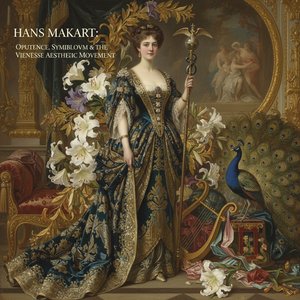
Hans Makart: Opulence, Symbolism & the Viennese Aesthetic Movement
Explore the opulent world of Hans Makart, a pivotal figure in Austrian art history. Discover his influence on Klimt & the Vienna Secession, signature style, and investment potential. Expert insights for collectors.