 Megtekintés
 Küldés
 Megosztás
 Részletek
 Útmutató

 Letöltés
 Hasonló darabok
 X-ray felvétel
 Diavetítés
 Q&A
Q&A Statisztika
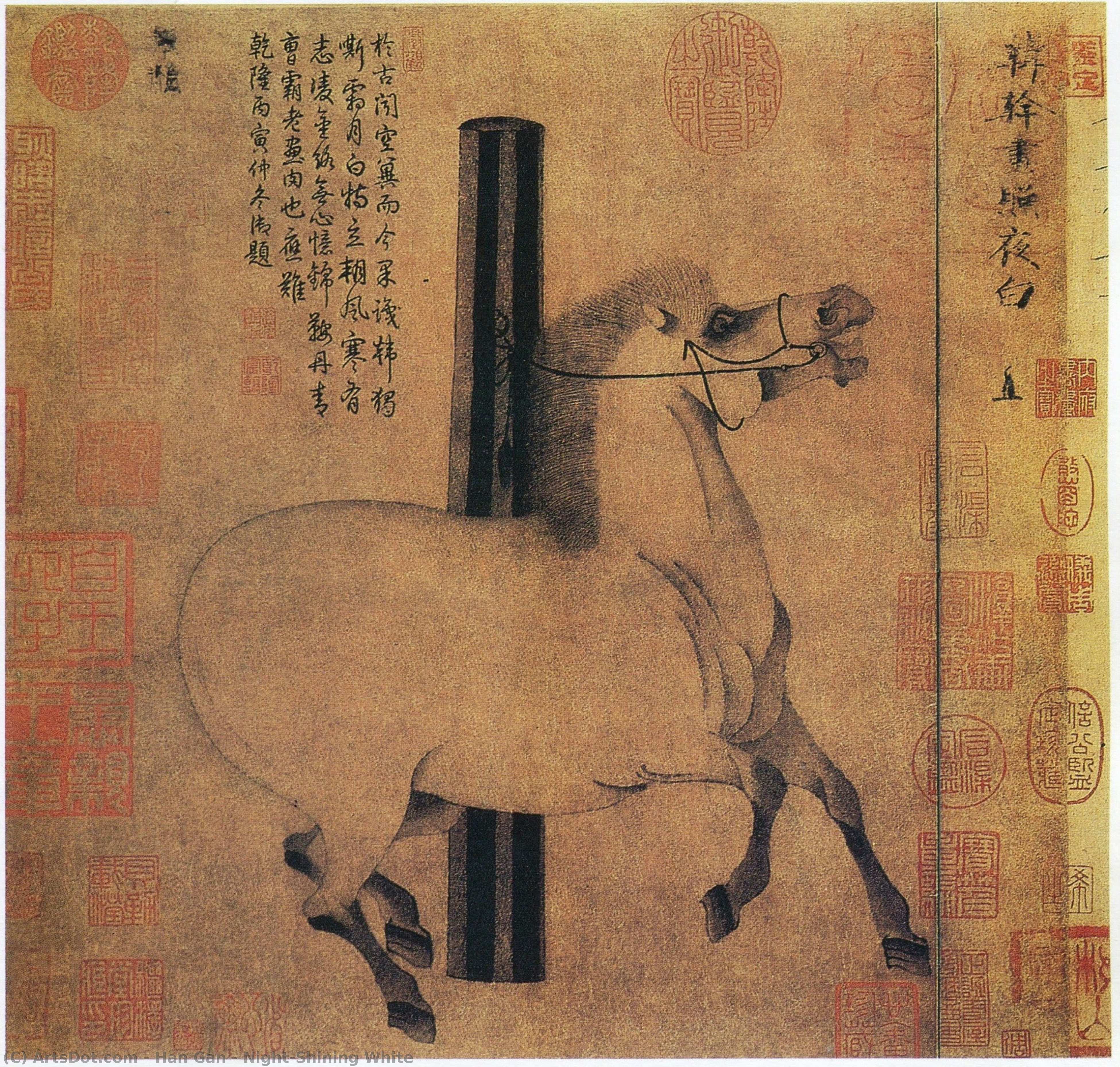
Night-Shining White


 Összes részlet megjelenítése
Az ezen az oldalon megjelenített műalkotások szerzői jogi védelem alatt állnak, ami azt jelenti, hogy törvényileg nem készíthetünk és nem adhatunk el belőlük pontos másolatokat. Ez a védelem olyan nemzetközi megállapodások alapján érvényesül, mint például a Berni Egyezmény és a nemzeti jogszabályok által, beleértve azokat is, amelyeket meghatározott Az USA szerzői jogi törvénye – 17. cím.
Ez a módszer teljes mértékben megfelel a szerzői jogi szabályozásnak, mivel nem tartalmazza a védett műalkotás másolását vagy duplikálását. Ehelyett ez egy kreatív újinterpretáció – egy új festmény, amely az eredetivel való összefüggései miatt hatással van rá, de nem az az.
Giclée / Műnyomat
Múzeumi minőségű giclée vagy vászonnyomat, gyors gyártással és rugalmas finomítási lehetőségekkel. ( Kézzel festett másolat rendelése Áttérés digitális képre)




P118B Ft10

P118H Ft10

P118W Ft10

P438Z Ft10

P508JH Ft12

P508YH Ft12

P805H Ft10

P805Z Ft10

P919BZ Ft10

P919G Ft10

P919XJ Ft10

P959ZH Ft10

P968JZ Ft12

W106C Ft8

W218G Ft10

W218JH Ft8

W218Y Ft10

W307PJ Ft10

W316G Ft10

W316PJ Ft8

W316Y Ft10

W398PJ Ft8

W4111J Ft10

W500HY Ft15

W500JH Ft15

W692G Ft12

W849H Ft8

W940BG Ft15

W953PJ Ft8




Válasszon előre meghatározott méreteink közül, amelyek megfelelnek a műalkotás eredeti arányainak.

Írja be a keretének vagy a falának megfelelő szélességet és magasságot. A nyomatot csak le lehet vágni, soha nem tehető nagyobbá, mint az eredeti kép, így egy eltérő alakú méretnél a kép egy része elveszik. Mielőtt bármit kinyatintanánk, küldünk egy digitális próbamodellt jóváhagyásra. Az oldalon látható kép nem tartalmazza a valós levágást — ezt csak a próbamodell mutatja meg.
Világszerte történő kiszállítás területére mindössze 2 hét alatt, a szokásos 4-5 hét helyett. (2 november)

Ingyenes globális expressz szállítás

Prémium minőségű len vászon

Teljes körű szállítási biztosítás

Vámvisszatérítési Garancia

Hiteles színarányosság garancia

100 napos visszaküldési lehetőség (csak hibás termékek esetén)

100% pénzvisszatérítési garancia

Több darab vásárlásakor kedvezmény
 Az üvegkeretes opció csak 110 cm alatti méretben érhető el

Night-Shining White
Giclée / Műnyomat
Reprodukció mérete
-


Összesített ár
Ft 26201
The Majesty of the Tang Steed: Capturing Motion in Night-Shining White
To gaze upon Han Gan’s depiction of Night-Shining White is to be transported directly into the opulent, spirited heart of the Tang Dynasty. This painting is not merely a portrait of an animal; it is a vibrant testament to the cultural obsession with the horse during China's golden age. The Tang period saw horses elevated from mere modes of transport to symbols of imperial power, martial prowess, and aristocratic grace. Han Gan, whose mastery of equine anatomy became legendary, captured this very spirit—the raw, untamed energy barely contained within a painted frame.
The subject itself is breathtaking: Moonlight White, the magnificent steed belonging to Emperor Xuanzong. The artist has managed to imbue this powerful creature with an almost palpable life force. Observe how the horse is depicted in a moment of spirited struggle, whinnying and rearing against its bonds. It is a dynamic tableau where muscle meets spirit, all rendered with astonishing vitality.
A Masterclass in Brushwork and Technique
What elevates this work beyond mere representation is Han Gan’s unparalleled technical skill. The description speaks of how the painter achieved such lifelike quality with seemingly few strokes—a testament to an intuitive understanding of form. While the structure might be outlined swiftly, the subsequent polishing of the body suggests hours of meticulous refinement, building volume and sheen into the coat. The contrast between the sturdy musculature and the delicate suggestion of movement is masterful. For collectors considering a reproduction, this piece showcases the pinnacle of Chinese animal painting: an ability to convey immense weight and explosive energy using only ink and pigment.
Historical Echoes and Enduring Appreciation
The provenance surrounding Night-Shining White adds layers of historical romance to its surface. The fact that it was inscribed by the poet emperor Li Yu, and later appreciated by giants like Mi Fu, transforms the painting into a cultural artifact passed through generations of connoisseurs. It speaks volumes about the enduring appeal of Han Gan’s vision. While the photo description suggests a scene with a cart and men, the core power remains rooted in that magnificent, struggling horse—a focal point around which human activity orbits.
Symbolism and Emotional Resonance for the Modern Home
For the contemporary art lover or interior designer, this piece offers more than just decoration; it offers narrative depth. The horse, across countless cultures, symbolizes freedom, nobility, and unstoppable forward momentum. Placing a reproduction of Night-Shining White in a space is to infuse it with an aura of spirited grandeur. It suggests a connection to history's greatest epochs—a reminder that even the most powerful beings are subject to moments of beautiful, energetic struggle. The black and white tonality lends it an antique gravitas, allowing its inherent drama to speak softly yet profoundly within any curated setting.
Kérdések és válaszok
Milyen helyet foglal el a művészettörténetben a „Night-Shining White”, Han Gan alkotása?
Történelmileg a "Night-Shining White" a szélesebb körű Early Medieval korszak Tang Dynasty Art alkotása.
Hol tekinthető meg a(z) "Night-Shining White" előnézete?
A „Night-Shining White” Előnézet oldalán megtekintheti a művészeti alkotást megrendelés előtt.
Hol vásárolható „Night-Shining White”, Han Gan alkotása képmű kézzel festett másolata?
A "Night-Shining White" kézzel festett olajfesték reprodukció lino vászonon formátumban is elérhető. A rendelés a Kézzel festett másolat oldalon adható le, különböző méretválasztékban.
A művész életrajza
A Life Dedicated to the Noble Steed: The World of Han Gan
Han Gan, a name synonymous with equine majesty in the annals of Chinese art history, flourished during the vibrant Tang Dynasty (c. 706–783). His origins remain somewhat shrouded in mystery—accounts place his birth in either Chang’an, the imperial capital now known as Xi'an; Lantian, also within Shaanxi province; or Daliang, present-day Kaifeng in Henan. This humble beginning belies the extraordinary artistic journey that would see him rise to become the most celebrated horse painter of his era. Born into a family facing hardship, young Han Gan demonstrated an innate talent for drawing, sketching figures in the sand with remarkable skill. His potential did not go unnoticed; Wang Wei, a towering figure as both poet and artist, recognized the spark within him and generously sponsored Han’s artistic education.
This patronage proved pivotal, leading to Han Gan's tutelage under Cao Ba, a respected court painter already renowned for his depictions of horses. However, it was not merely technical skill that defined Han Gan’s path. He immersed himself in the very essence of his subject matter—the imperial stables themselves. Rather than relying on established conventions or the works of predecessors, he dedicated countless hours to observing these magnificent animals firsthand, meticulously studying their anatomy, movement, and temperament. This commitment to direct observation would become the hallmark of his style, setting him apart from earlier artists and revolutionizing horse portraiture in China.
From Court Artist to Master of Equine Representation
Han Gan’s dedication earned him a position as a painter within the Tang court. While he undertook commissions for portraits and paintings with Buddhist and Daoist themes, it was his depictions of horses that truly captured the attention—and ultimately, the imagination—of the empire. He wasn't simply recording physical likeness; Han Gan sought to portray the *spirit* of the horse, its power, nobility, and untamed energy. He achieved this through a distinctive technique characterized by tautly controlled lines, precise anatomical rendering, and carefully balanced compositions. His brushwork conveyed not just form but also a sense of vitality and inner life.
The horses Han Gan painted were more than mere animals; they embodied the strength and prestige of the Tang Dynasty itself. Central Asian breeds, newly introduced to China during this period, possessed an imposing presence that captivated the imperial court. These powerful steeds were often likened to mythical creatures—celestial beings breathing fire and possessing dragon-like qualities. Han Gan masterfully captured this aura of awe and wonder in his work, elevating the horse to a symbol of imperial power and cultural significance.
Legacy and Lasting Influence
Han Gan’s reputation quickly eclipsed that of his teacher, Cao Ba. He became the definitive standard for horse painting, with subsequent generations of artists studying his techniques and emulating his style. His influence extended far beyond his own lifetime, shaping the course of Chinese equine art for centuries to come. Li Gonglin, a prominent painter of the Song Dynasty, continued the tradition of depicting horses as central subjects, building upon Han Gan’s foundation. Zhao Mengfu, during the Yuan Dynasty, also drew inspiration from his work.
Even today, Han Gan's legacy endures. His most famous painting, Night-Shining White, a portrait of Emperor Li Longji’s beloved steed, remains an iconic masterpiece, admired for its exquisite detail and evocative portrayal of equine grace. A testament to his enduring impact, a crater on Mercury bears his name—a fitting tribute to the artist who captured the spirit of these magnificent creatures and immortalized them in art. His work continues to inspire awe and admiration, reminding us of the power of observation, dedication, and the timeless beauty of the natural world.
- Key Characteristics: Precise line work, anatomical accuracy, emphasis on the horse’s spirit and nobility.
- Influences: Wang Wei (patronage), Cao Ba (teacher).
- Notable Works: Night-Shining White, Horse and Groom.
- Historical Significance: Revolutionized Chinese horse painting; established a standard for future generations of artists.

Han Gan
China
Rövid információk
- Artistic Movement Or Style: Tang Dynasty Painting
- Artists Or Movements Influenced By This Artist:
- Li Gonglin
- Zhao Mengfu
- Artists Who Influenced This Artist:
- Wang Wei
- Cao Ba
- Date Of Birth: c. 706
- Date Of Death: 783
- Full Name: Han Gan
- Nationality: Chinese
- Notable Artworks:
- Night-Shining White
- Horse and Groom
- Place Of Birth: Xi'an, China
Kapcsolódó cikkek
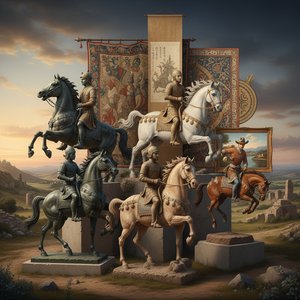
The Noble Steed: A Historical & Artistic Exploration of Equestrian Art Across Cultures
Explore the captivating history of equestrian art with OriginalUniqueArt. Discover masterpieces from Velázquez to Van Dyck & learn about collecting these timeless works. Expert insights for discerning connoisseurs.
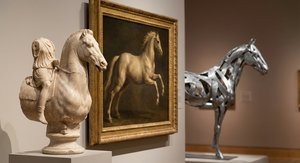
The Noble Steed: A Historical and Artistic Exploration of Horses in Fine Art
Explore the rich history of horses in fine art! From ancient depictions to Renaissance masterpieces & beyond, discover iconic artworks and artists. Learn about symbolism, techniques, and find museum-quality reproductions at OriginalUniqueArt.

The Equine Muse: A Historical & Artistic Exploration of Horses in Painting
Explore the captivating history of horses in painting! Discover Renaissance masterpieces, Baroque grandeur & expert insights for collecting equestrian art. Learn about symbolism, techniques & lasting value with OriginalUniqueArt.
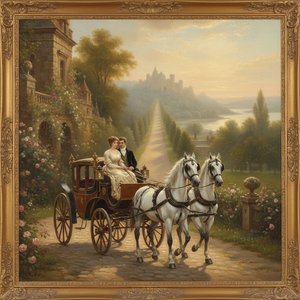
Timeless Elegance: A Visual Journey Through the Romance of Horse Carriage Artworks
Embark on a visual journey through the romantic world of horse carriage art. Discover the mastery of equestrian oil paintings, from Impressionist textures to classical realism, and learn how to bring timeless elegance into your home with museum-quality reproductions.
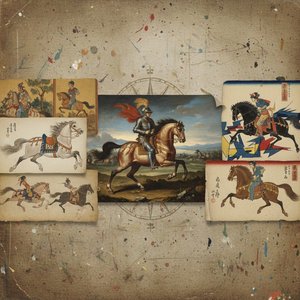
The Noble Steed on Canvas: A Historical & Artistic Exploration of Horse Painting Across Cultures
Explore the rich history of horse painting! Discover masterpieces from Stubbs to Munnings & learn about symbolism, techniques & artists. Find museum-quality reproductions at OriginalUniqueArt.