Text size

() ·

A painting made for you, by hand

The Wave

Kézzel készített olajfestmény reprodukció

Kézzel festett olajvastú vászon, az Ön által választott méretben és keretben, művészeink készítik meglévőre. ( Váltás nyomtatványra Áttérés digitális képre)

A gyűjtemény leírása

Experience the raw power of nature in Gustave Courbet's 'The Wave.' This 1869 seascape captures turbulent waves & an ominous sky with expressive brushstrokes – a masterpiece of Realism.

A művész életrajza

Egy fiatal nő Salinsból: Gustave Courbet művészi alkotása, mely mély érzelmeket és szépséget tükröz meg.

from ·

Chapter 1

How large should it be?

Slide to change the size; the picture on the left shows the frame at its real width. The proportions of the original are kept.

Standard méret
egyedi méretű
CM
INCH

Válasszon előre meghatározott méreteink közül, amelyek megfelelnek a műalkotás eredeti arányainak.

szélesség
magasság

Írja be a kívánt szélességet és magasságot, hogy illeszkedjen a keretéhez vagy a falához. Mivel ez kézzel festett alkotás, egy eltérő formájú méret esetén a művész akár festhet is valamivel többet a kép körül, vagy korolathat is belőle — az Ön döntésének megfelelően. A festés megkezdése előtt küldünk egy digitális tervezetet jóváhagyásra. Az oldalon látható kép nem tartalmazza a végeredményt — csak a tervezet mutatja meg a valódi eredményt.

Chapter 2

How should it arrive?

Choose the edges of the stretched canvas

Choose your frame

Corner sample of the WhiteWrap canvas edge finish, stretched on tömörfa bars
White Ft1
Corner sample of the BlurSideWrap canvas edge finish, stretched on tömörfa bars
Blurside Ft1
Corner sample of the ExtendedWrap canvas edge finish, stretched on tömörfa bars
Extended Ft1
Corner sample of the P118B picture frame: formázott polisztirol, 5 cm wide and 3 cm thick
P118B Ft10
Corner sample of the P118H picture frame: formázott polisztirol, 5 cm wide and 3 cm thick
P118H Ft10
Corner sample of the P118W picture frame: formázott polisztirol, 5 cm wide and 3 cm thick
P118W Ft10
Corner sample of the P438Z picture frame: formázott polisztirol, 5.5 cm wide and 3.5 cm thick
P438Z Ft10
Corner sample of the P508JH picture frame: formázott polisztirol, 7 cm wide and 3.5 cm thick
P508JH Ft12
Corner sample of the P508YH picture frame: formázott polisztirol, 7 cm wide and 3.5 cm thick
P508YH Ft12
Corner sample of the P805H picture frame: formázott polisztirol, 5 cm wide and 3.5 cm thick
P805H Ft10
Corner sample of the P805Z picture frame: formázott polisztirol, 5 cm wide and 3.5 cm thick
P805Z Ft10
Corner sample of the P919BZ picture frame: formázott polisztirol, 7 cm wide and 3.5 cm thick
P919BZ Ft10
Corner sample of the P919G picture frame: formázott polisztirol, 7 cm wide and 3.5 cm thick
P919G Ft10
Corner sample of the P919XJ picture frame: formázott polisztirol, 7 cm wide and 3.5 cm thick
P919XJ Ft10
Corner sample of the P959ZH picture frame: formázott polisztirol, 5 cm wide and 3 cm thick
P959ZH Ft10
Corner sample of the P968JZ picture frame: formázott polisztirol, 6 cm wide and 4 cm thick
P968JZ Ft12
Corner sample of the W106C picture frame: tömörfa, 5 cm wide and 3 cm thick
W106C Ft8
Corner sample of the W218G picture frame: tömörfa, 5 cm wide and 3 cm thick
W218G Ft10
Corner sample of the W218JH picture frame: tömörfa, 5 cm wide and 3 cm thick
W218JH Ft8
Corner sample of the W218Y picture frame: tömörfa, 5 cm wide and 3 cm thick
W218Y Ft10
Corner sample of the W307PJ picture frame: tömörfa, 6 cm wide and 3 cm thick
W307PJ Ft10
Corner sample of the W316G picture frame: tömörfa, 6 cm wide and 3 cm thick
W316G Ft10
Corner sample of the W316PJ picture frame: tömörfa, 6 cm wide and 3 cm thick
W316PJ Ft8
Corner sample of the W316Y picture frame: tömörfa, 6 cm wide and 3 cm thick
W316Y Ft10
Corner sample of the W398PJ picture frame: tömörfa, 5 cm wide and 3 cm thick
W398PJ Ft8
Corner sample of the W4111J picture frame: tömörfa, 6.5 cm wide and 3.5 cm thick
W4111J Ft10
Corner sample of the W500HY picture frame: tömörfa, 7 cm wide and 5 cm thick
W500HY Ft15
Corner sample of the W500JH picture frame: tömörfa, 7 cm wide and 5 cm thick
W500JH Ft15
Corner sample of the W692G picture frame: tömörfa, 8 cm wide and 4 cm thick
W692G Ft12
Corner sample of the W849H picture frame: tömörfa, 5 cm wide and 3 cm thick
W849H Ft8
Corner sample of the W940BG picture frame: tömörfa, 7.5 cm wide and 4.5 cm thick
W940BG Ft15
Corner sample of the W953PJ picture frame: tömörfa, 6 cm wide and 3.5 cm thick
W953PJ Ft8
Corner sample of the H24-GOLD picture frame: faragott fa gesszóval, 10 cm wide and 6 cm thick
H24-GOLD Ft30
Corner sample of the H24-SILVER picture frame: faragott fa gesszóval, 10 cm wide and 6 cm thick
H24-SILVER Ft30
Corner sample of the H36-GOLD picture frame: faragott fa gesszóval, 15 cm wide and 6.5 cm thick
H36-GOLD Ft45
Corner sample of the H36-SILVER picture frame: faragott fa gesszóval, 15 cm wide and 6.5 cm thick
H36-SILVER Ft45

Moulding: . Overall size with the frame: .

Chapter 3

Who paints it, and should anything change?

Examples of what can be changed: Replace face with customer photo; Add pet (e.g., replace cat with dog); Include hidden message in background; Change background landscape or elements.
After order, OriginalUniqueArt.com team will email client for instructions and provide a mockup preview

Világszerte elérhető szállítás () 3-4 hét alatt a szokásos 5 hét helyett. (2 november). A minőség nem kérdőjelezhető.

Chapter 4

The finishing touches

A nameplate, as in a museum?

A gravírozott bronztábla részletei

This elegant plaque features the artist's name and the title of the artwork, finely engraved for a timeless presentation.

It is made from bronze with a refined, elegant finish. The text is precisely laser-engraved for a sharp and permanent result. Measuring 9x2 cm, the plaque is compact yet easy to read. It's built to be durable and scratch-resistant, offering a professional, museum-quality look. Mounting is simple thanks to the included adhesive backing.

Átlátszó akril tábla részletei

The plaque includes essential engraved details such as the artist's name, the title of the artwork, the date it was created, the type of media used-like oil on canvas or watercolor-a brief description of the piece, and a QR code that links to the complete artwork information.

It is crafted from clear acrylic, offering a sleek, modern appearance. The text is UV-engraved in black to ensure strong visual contrast. With a size of 10x15 cm, it ensures optimal readability. It comes equipped with two metal hooks for secure wall mounting. The plaque is designed to be weather-resistant, making it suitable for various environments, and it includes interactive features that work seamlessly with smartphone scanning.

Fekete akril tábla részletei

This elegant plaque includes engraved information such as the artist's name, the title of the artwork, the date it was created, the type of media used (like oil on canvas or watercolor), a short description of the artwork, and a QR code for quick access to more information.

The plaque itself is made from refined black acrylic with a premium finish. The text is laser-engraved in white for high contrast and readability. Its size is 10x15 cm, designed to be easy to read. It comes with two metal hooks for professional mounting. The design is sleek and fits any interior style. It is also weather-resistant and durable, with built-in digital integration for mobile compatibility.

A protective varnish?

When do you need it?

Chapter 5

Your painting, as you ordered it

The Wave

Reprodukciós technika

Reprodukció mérete

-

Kiváló mesterművész

Nagyobb részletesség, finomság és bővített gyártási idő

-

Reprodukció keretezése

-

-

A bármely oldalsó méretét túlszálaló 105 cm (kb. 41 hüvelyk) meghaladó műalkotások vagy reprodukciók esetében a keret összeszerelhető készletként, szétszerelve kerül szállításra. Ez a módszer biztosítja a biztonságos szállítást, és megakadályozza a szállítás során fellépő sérüléseket.

Szakmész összeszerelést igényel – ez nem DIY (önösszeszerelhető) termék.
A készletet egy tapasztalt keretező szakembernek kell összeszerelnie és a vásznat feszítenie kell, fa ragasztó (nem tartalmazza a csomag), vásznfeszítő fogó és szorítók használatával, amelyek a ragasztó száradásáig a keretrészeket egymáshoz vuôngjba tartják. A helytelen összeszerelés vagy a nem egyenletes vásznfeszítés maradandó károsíthatja a műalkotást, és ez nem része a garanciánknak.

  • A készlet tartalmazza az összes tömörfa rudat, pontosan méretre vágva.

  • A mellékelt csavarokkal, valamint a sarokszerekhez szükséges faütő ragasztóval kell összeszerelnie (ez nem tartalmazható a csomagban), így a keretrendezőnek külön kell beszereznie.

  • A csomag nem tartalmazza a szükséges professzionális eszközöket: egy vászonfeszítőt és klipseket a rácsok vízszintes tartásához a ragasztó megszáradásáig.

Fontos:
A sarokcsatlakozásokhoz fánylagra van szükség, a keretrudakat szorítókapcsokkal kell rögzíteni, amíg a rag teljesen meg nem szárad, a kész keretre feszített vászonhoz pedig vászonfeszítő fogat szükséges. Ezek egyike sem található meg a készletben. Kérjük, rendelés előtt győződjön meg róla, hogy rendelkezik tapasztalt keretező szakemberrel.

Névtábla

-

-

Védőréteg (Lakk)

Fényes lakk (intenzívabb színek, védelem a fény és a nedvesség hatása ellen)

-

Műalkotásom egyedi igényre szabása

Példák a módosíthatóságra: az arc kicserélése az ügyfél fotójára; háziállat hozzáadása (pl. macska helyett kutya); rejtett üzenet elhelyezése a háttérben; a háttér tájainak vagy elemeinek megváltoztatása.

-

Sürgős

Világszerte szóló szállítás () mindössze 3-4 hét alatt, a szokásos 5 hét helyett. (2 november). A minőség nem kérdőjelezhető.

-

Express szállítás

Világszerte elérhető szállítás területre 5 héten belül. (9 november).

A szállítás díja tartalmazza

Összesített ár

Ft 98243

Összesített ár Ft 98243

Az üvegkeretes opció csak 110 cm alatti méretben érhető el

Included with every order

  • Ingyenes globális expressz szállítás
  • Prémium minőségű len vászon
  • Teljes körű szállítási biztosítás
  • Vámvisszatérítési Garancia
  • Hiteles színarányosság garancia
  • 100 napos visszaküldési lehetőség (csak hibás termékek esetén)
  • 100% pénzvisszatérítési garancia
  • Több darab vásárlásakor kedvezmény

Gustave Courbet's "The Wave": A Study in Nature’s Power

  • Subject & Setting: Gustave Courbet's "The Wave," painted in 1869, captures a dramatic seascape from his time spent on the Normandy coast. The artwork focuses intently on a single, monumental wave crashing against the shore, set against a turbulent and ominous sky. Small boats are visible in the foreground, emphasizing the scale of nature’s power and humanity's vulnerability within it. This scene was painted during Courbet's frequent sojourns at Le Havre, Honfleur, Trouville, Deauville, and Étretat – locations that deeply inspired his exploration of marine subjects.

Style & Technique: Realism Meets Romanticism

  • A Realistic Approach: Rooted in the principles of Realism, Courbet sought to depict the world as he observed it, rejecting idealized or romanticized portrayals. However, "The Wave" also exhibits elements of Romanticism through its emphasis on the sublime power and emotional intensity of nature.
  • Brushwork & Texture: The painting is characterized by visible and expressive brushstrokes, particularly evident in the rendering of the water’s texture. Courbet employed a technique known as impasto – applying paint thickly to create a tactile quality and convey the dynamism of the wave's movement and foam.
  • Compositional Structure: The composition is divided into three horizontal bands: foreground boats, mid-ground waves, and background clouds. This structure creates a sense of depth and immersion, drawing the viewer into the vastness of the ocean. Atmospheric perspective further enhances this effect, with distant objects appearing paler and less defined.
  • Influence & Inspiration: Courbet’s meticulous attention to detail and realistic depiction of light and water reflect influences from 18th-century Dutch marine painting. Furthermore, the motif of a single, dominant wave reveals an inspiration drawn from Japanese color prints, which were gaining popularity in Paris during that era.

Historical Context & Symbolism

  • The Rise of Realism: "The Wave" emerged during a period of significant artistic transition. Courbet's commitment to Realism challenged the prevailing academic traditions and paved the way for modern art movements. His focus on everyday subjects and unidealized depictions reflected a broader shift in cultural values towards greater authenticity and social awareness.
  • Humanity vs. Nature: The artwork explores the timeless theme of humanity’s relationship with nature, highlighting the powerlessness of human endeavors against the overwhelming force of natural elements. The small boats serve as poignant symbols of vulnerability and resilience in the face of a formidable sea.
  • The Sublime Experience: "The Wave" evokes a sense of the sublime – an experience characterized by awe, terror, and wonder. Courbet captures the emotional impact of witnessing nature's raw power, inviting viewers to contemplate their own place within the vastness of the universe.

Emotional Impact & Lasting Legacy

  • A Dramatic Atmosphere: The predominantly dark and muted color palette, combined with the turbulent composition and expressive brushwork, creates a dramatic and foreboding atmosphere. This contributes to the painting's emotional intensity and lasting impact.
  • Courbet’s Vision: "The Wave" exemplifies Courbet’s artistic vision – a commitment to portraying the world honestly and authentically, even when confronting challenging or unsettling subjects.
  • A Timeless Masterpiece: Today, “The Wave” stands as a testament to Courbet's skill and his profound understanding of nature's power. It continues to resonate with audiences, inspiring awe and contemplation about the forces that shape our world.

Kérdések és válaszok

„The Wave”, Courbet alkotása egy világos vagy egy sötét tónusú alkotás?

A "The Wave" alkotás fényerisége összességében deep_shadow, luminanciája pedig Dark.

Mekkora a mérete az eredeti „The Wave”, Courbet alkotása alkotásnak?

A „The Wave”, Courbet alkotása dokumentált méretei 116 x 71 cm. A reprodukciók más méretben is megrendelhetők, az eredeti arányok megtartásával.

Milyen érzelmi hangulatot áraszt a „The Wave”, Courbet alkotása?

A „The Wave”, Courbet alkotása művészeti alkotás érzelmi tónusa Dramatic. Ez foglalja össze a mű által kifejezett érzést.

More about this painting

Megtekintés AR előnézet Váltás nyomtatványra Áttérés digitális képre Küldés
Részletek Útmutató Kedvencekhez ad Letöltés Hasonló darabok X-ray felvétel Diavetítés Q&A Statisztika

In numbers

  • 1869the year it was painted
  • 29frames to choose from
  • standard sizes, in its own proportions
  • 5weeks to paint and deliver it
Courbet

Courbet

1819 - 1877, Francia

Quick facts about Courbet

  • Artistic Movement Or Style: Realizmus
  • Artists Or Movements Influenced By This Artist:
    • Impressionizmus
    • Post-impressionizmus
  • Artists Who Influenced This Artist:
    • Delacroix
    • Géricault
    • Caravaggio
  • Date Of Birth: 1819 július 31.
  • Date Of Death: 1877 április 29.
  • Full Name: Gustave Courbet
  • Nationality: Francia
  • Notable Artworks:
    • A Nagy Szél
    • A Stone Breakers
    • A Burial at Ornans
  • Place Of Birth: Orléans, Franciaország

A művész életrajza

A Rebel’s Brush: The Life and Legacy of Gustave Courbet

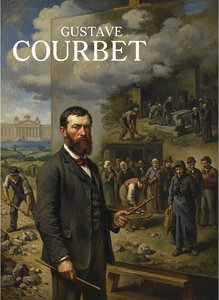
Gustave Courbet (1819–1877) – A Titan of Realism, Forever Challenging Artistic Boundaries Jean Désiré Gustave Courbet's life was a defiant march against the artistic conventions of his era—a refusal to compromise on truthfulness and an unwavering conviction that art should reflect the realities of everyday existence. Born in Ornans, France, in 1819, he descended from a family of modest means but possessed an innate talent for observation and representation that would propel him to become one of the most influential figures in the history of French painting. His early artistic training at the École des Beaux-Arts in Paris proved frustrating; the rigid academic curriculum demanded idealized depictions and mythological narratives—a stark contrast to Courbet’s burgeoning vision. Recognizing Delacroix and Géricault as formative influences, he nevertheless forged his own distinctive path, prioritizing direct observation and materiality over imaginative embellishment.

The Genesis of Realism: Rejecting Romantic Illusion

Courbet's artistic breakthrough arrived with a deliberate rejection of the prevailing aesthetic sensibilities of Romanticism. Unlike his contemporaries who sought to elevate art above the mundane, Courbet turned his gaze toward the lives of ordinary people—laborers, peasants, and rural communities—subjects often ignored by the artistic establishment. This decision wasn’t merely stylistic; it was fundamentally philosophical. He argued passionately for the dignity inherent in these roles, asserting that “the artist must depict what he sees.” This conviction fueled his groundbreaking exploration of monumental canvases depicting scenes from rural life, notably *The Stone Breakers* (1849), a work tragically destroyed during World War II but emblematic of Courbet’s commitment to portraying reality without sentimentality. Critics initially condemned this approach as vulgar and lacking in artistic merit—a testament to the profound disruption Courbet instigated within the art world.

Technique and Artistic Philosophy: Embracing Impasto

Courbet's distinctive technique – *impasto* – became synonymous with his artistic philosophy. He applied paint thickly onto the canvas, creating textured surfaces that captured the physicality of the material itself. This method wasn’t merely a stylistic choice; it was an assertion of Courbet’s belief that art should engage directly with sensory experience. As he famously declared, “I want to paint what I see.” This uncompromising stance extended beyond technique to encompass subject matter—Courbet consistently rejected mythological tales and historical grandeur in favor of scenes from everyday life, reflecting his conviction that truthfulness was paramount. His studio paintings, like *The Painter’s Studio* (1855), served as visual meditations on artistic practice and social commentary, cementing his reputation as a visionary artist who dared to challenge conventional norms.

Iconic Masterpieces: Landscapes and Portraits of Dignity

Courbet's oeuvre encompasses both landscapes and portraits—each infused with an unwavering commitment to realism and psychological depth. *A Burial at Ornans* (1850–51), arguably his most celebrated work, remains a powerful testament to Courbet’s artistic vision. The monumental canvas depicts a funeral procession in his hometown, eschewing idealized representations of grief and piety for a brutally honest portrayal of human emotion and social circumstance. Its sheer scale—a deliberate provocation against the conventions of historical painting—captured the public's imagination and solidified Courbet’s position as a champion of artistic freedom. Similarly, *The Stone Breakers* confronts viewers with the harsh realities of manual labor, presenting two figures rendered with unflinching detail and capturing the weariness etched upon their faces. These paintings exemplify Courbet’s belief that art should illuminate the human condition—a conviction that continues to resonate with audiences today.

Legacy: Shaping Modern Art

Gustave Courbet's influence on subsequent generations of artists is undeniable. He liberated Impressionists and Post-Impressionists from the shackles of academic tradition, encouraging them to explore new avenues for artistic expression. His insistence on portraying reality without embellishment—his unwavering commitment to *plein air* painting—laid the groundwork for movements that would revolutionize visual culture. Beyond his technical innovations, Courbet’s philosophical stance—a rejection of illusion and a celebration of everyday life—remains profoundly relevant in contemporary art discourse. He died prematurely in 1877, leaving behind an unparalleled body of work that continues to inspire artists and scholars alike—a legacy secured as one of the most transformative figures in the history of French painting and modern art.

Gyors információk

  • Movement: Realism
  • Medium: Oil on canvas
  • Artist: Gustave Courbet
  • Notable elements or techniques:
    • Impasto technique
    • Atmospheric perspective
  • Artistic style: Romantic

Művészeti kvíz

Minden kérdésre csak egy helyes válasz létezik.

Kérdés 1:
Where did Gustave Courbet frequently sojourn between 1865 and 1869, inspiring many of his seascapes?
Kérdés 2:
What is the most prominent characteristic of the artwork's composition?
Kérdés 3:
Which artistic movement is 'The Wave' most closely associated with?
Kérdés 4:
What technique is prominently used to create a sense of movement and texture in the water?
Kérdés 5:
What is a key symbolic theme evoked by the artwork's depiction of small boats confronting the waves?