
 Megtekintés
 Küldés
 Megosztás
 Részletek

 Letöltés
 Hasonló darabok
 X-ray felvétel
 Diavetítés
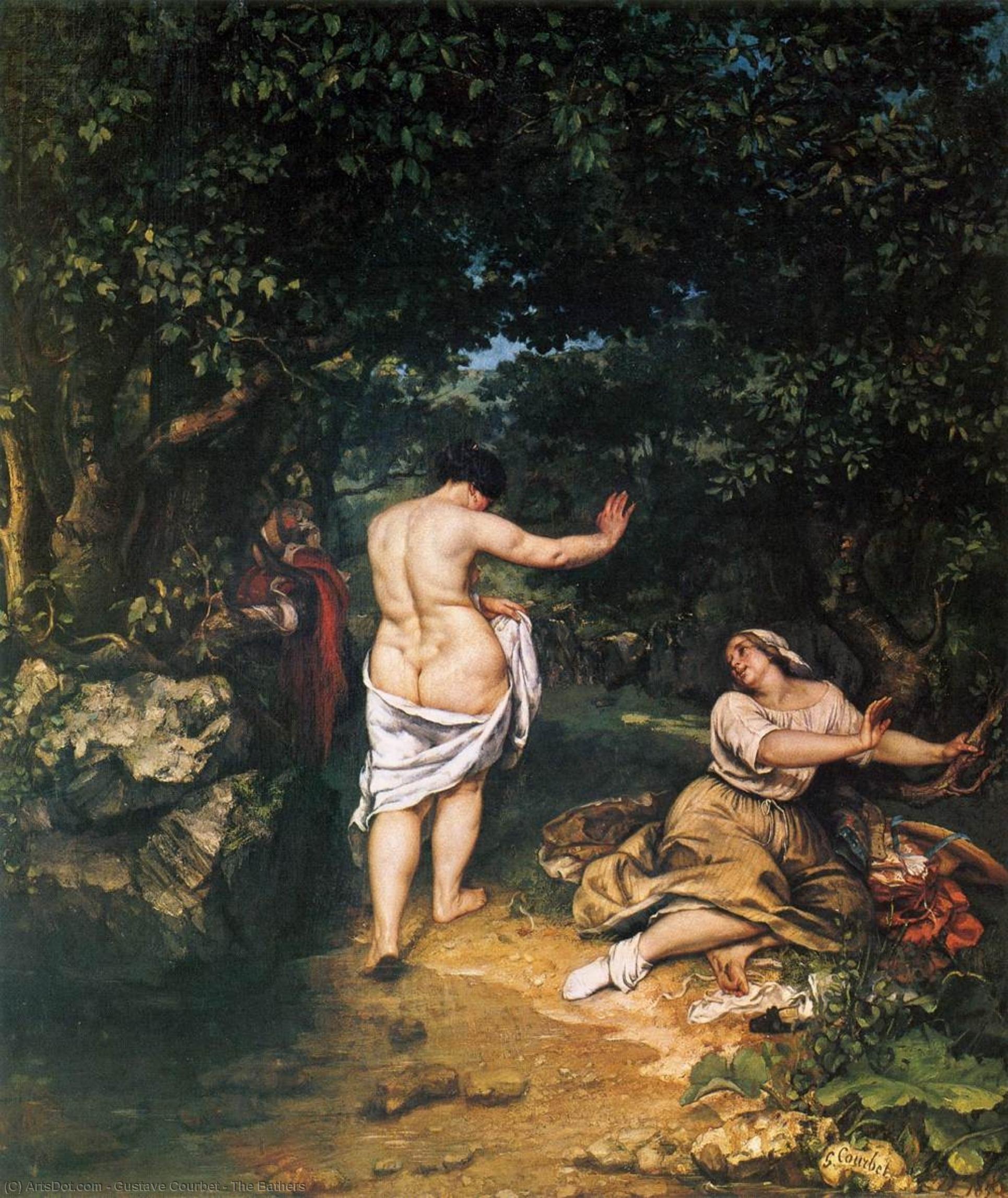
The Bathers
 Acrylic On Canvas
- WallArt
- Contemporary Realism
 1853
1853 227.0 x 193.0 cm
 Musée Fabre
 Összes részlet megjelenítése
Vásároljon nagy felbontású, javított digitális képet, amely minőségében messze felülmúlja az online előnézetet.
Minden fájlt szakembereink a legmodernebb eszközök és precíz, kézi retusálás segítségével készítenek el aprólékosan. Gondoskodunk arról, hogy minden kép kivételes tisztasággal, pontos színhelyességgel és részletgazdag finomsággal rendelkezzen.
A végleges fájl 72 órán belül e-mailben megérkezik, professzionális, szerkesztői és nyomtatási környezetbe optimalizálva az azonnali használathoz. Ez ugyanaz a minőség, amelyben a legmeghatározóbb tervezőstúdiók, kiadók és galériák is megbízhatnak.
Digitális kép
Töltsön le nagy felbontású fájlt személyes kiállításokhoz, nyomtatáshoz és kreatív projektekhez. ( Nyomat rendelése Kézzel festett másolat rendelése)
Minden digitális kép rendeléséhez tartozó extrák
Szakértői digitális kézbesítés, garantáltan
Amikor a OriginalUniqueArt.com szolgáltatást választja, nem csupán egy képet kap – professzionálisan felmagasított digitális műalkotást kap, amely precizitással készült, és amelyet megelégsedési gwarancia tesz biztoslássá. Az alábbiakban automatikusan minden benne 】

Gyors e-mail teslimítés
A nagy felbontású digitális képmásolatát a megrendelést követő 72 órán belül e-mailben elküldjük Önnek – azonnal használható formátumban.

MI-alapú digitális fejlesztésű fájl
Műve professzionális módon kerül optimalizálásra fejlett mesterséges intelligencia eszközök és manuális szerkesztés segítségével, biztosítva a maximális részletességet, tisztaságot és színpontosságot.

Örök életű ingyenes újradelivery
Véletlenül törölted vagy elvesztetted a fájlodat? Ne aggódj – bármikor ingyen újra megküldjük neked.

Nincs importköltség – soha
Élvezze műalkotásait azonnal, vám, illeték vagy szállítási költség nélkül – a digitális letöltések mindig adamentesek.

Színpontosság garantálása
Professzionális eszközök és színkezelés segítségével garantáljuk, hogy digitális képe a lehető legpontosabban tükrözze az eredeti színeket.

60 napos elégedettségi garancia
Ha nemມີ elégedett a digitális képpel, 60 napon belül átmunkáljuk azt, vagy 100% visszatérítjük az amountot – kérdés nélkül.

100% Pénzvisszatérítési garancia
Nem érheted el a teljes elégedettséget? 60 napon belül teljes visszatérítést kapsz a digitális fájlod megérkezése után – kérdés nélkül.

Tömegrendelési kedvezmények
Vásároljon 3 képet, spóroljon 10%-et - Vásároljon 5-öt, spóroljon 15%-et - Vásároljon 10+ képet, spóroljon 20%-at. Kiváló kreatív projektekhez, galériákhoz és ügynökségekhez.
A gyűjtemény részletei
The Scandalous Vision of Realism: Gustave Courbet’s “The Bathers”
Gustave Courbet's "The Bathers" stands as an undeniable cornerstone of Realist art, forever altering the trajectory of artistic expression in mid-19th century France. More than just a depiction of nude figures lounging amidst foliage; it represents a defiant rejection of academic conventions and Romantic idealism—a bold assertion that art should mirror the tangible world with unflinching honesty. The painting’s debut at the Paris Salon in 1853 ignited a furious debate, cementing Courbet's reputation as an artist willing to challenge societal expectations and push artistic boundaries.A Moment Frozen in Time: Composition and Technique
Measuring 227 x 193 cm, “The Bathers” showcases Courbet’s masterful command of oil paint on canvas. He eschewed idealized forms and theatrical poses favored by Romantic artists, opting instead for a strikingly naturalistic approach. The scene unfolds with two nude figures—a woman reclining gracefully on the ground and a man standing nearby—creating a dynamic interplay between stillness and movement. Smaller figures populate the landscape backdrop, subtly enhancing the depth and complexity of the composition. Courbet meticulously observed the textures of bark, stone, and foliage, translating these sensations onto canvas with remarkable accuracy. The use of impasto – thick brushstrokes applied directly to the surface – contributes significantly to the painting’s palpable physicality and evokes a sense of immediacy.Historical Context: Challenging Artistic Norms
Courbet's artistic endeavors coincided with a period of significant social upheaval in France, marked by industrialization and growing discontent among the working class. Unlike his predecessors who often idealized rural life or staged mythological narratives for aesthetic pleasure, Courbet focused on portraying everyday subjects—peasants, laborers, and ordinary individuals—without embellishment or romantic gloss. This commitment to realism directly confronted the prevailing artistic dogma of the Salon, where artists were expected to adhere to classical ideals of beauty and grandeur. The painting’s controversial reception underscored the profound impact of Courbet's artistic vision on the broader cultural landscape.Symbolism Beneath the Surface: Nature as Reflection
Beyond its technical brilliance, “The Bathers” is laden with symbolic significance. The forest setting serves as a metaphor for both vulnerability and resilience—a space where human figures confront the forces of nature without illusion. The woman’s pose embodies serenity and contemplation, while the man's gaze suggests an unspoken connection between the two subjects. Courbet deliberately avoided overtly moralizing or didactic statements, allowing viewers to interpret the painting’s themes independently. However, the depiction of nude bodies—a daring departure from artistic tradition—represents a broader critique of societal hypocrisy regarding sexuality and morality.Legacy and Enduring Appeal
“The Bathers” continues to captivate audiences today as an exemplar of Realist art and a testament to Courbet’s unwavering conviction in portraying reality without compromise. Its influence can be discerned in the works of subsequent artists who embraced naturalism and challenged artistic conventions—most notably Impressionists and Cubists—who sought to capture fleeting moments of sensory experience. Today, reproductions of “The Bathers” adorn homes and galleries worldwide, serving as a reminder that art possesses the power to provoke thought, inspire emotion, and transform our understanding of the human condition. Explore more about Gustave Courbet's works on OriginalUniqueArt: - Gustave Courbet: The Bathers - Gustave Courbet: Portrait of Alfred Bruyas Learn more about the artist and his movementA művész életrajza
A Rebel’s Brush: The Life and Legacy of Gustave Courbet
Gustave Courbet (1819–1877) – A Titan of Realism, Forever Challenging Artistic Boundaries Jean Désiré Gustave Courbet's life was a defiant march against the artistic conventions of his era—a refusal to compromise on truthfulness and an unwavering conviction that art should reflect the realities of everyday existence. Born in Ornans, France, in 1819, he descended from a family of modest means but possessed an innate talent for observation and representation that would propel him to become one of the most influential figures in the history of French painting. His early artistic training at the École des Beaux-Arts in Paris proved frustrating; the rigid academic curriculum demanded idealized depictions and mythological narratives—a stark contrast to Courbet’s burgeoning vision. Recognizing Delacroix and Géricault as formative influences, he nevertheless forged his own distinctive path, prioritizing direct observation and materiality over imaginative embellishment.The Genesis of Realism: Rejecting Romantic Illusion
Courbet's artistic breakthrough arrived with a deliberate rejection of the prevailing aesthetic sensibilities of Romanticism. Unlike his contemporaries who sought to elevate art above the mundane, Courbet turned his gaze toward the lives of ordinary people—laborers, peasants, and rural communities—subjects often ignored by the artistic establishment. This decision wasn’t merely stylistic; it was fundamentally philosophical. He argued passionately for the dignity inherent in these roles, asserting that “the artist must depict what he sees.” This conviction fueled his groundbreaking exploration of monumental canvases depicting scenes from rural life, notably *The Stone Breakers* (1849), a work tragically destroyed during World War II but emblematic of Courbet’s commitment to portraying reality without sentimentality. Critics initially condemned this approach as vulgar and lacking in artistic merit—a testament to the profound disruption Courbet instigated within the art world.Technique and Artistic Philosophy: Embracing Impasto
Courbet's distinctive technique – *impasto* – became synonymous with his artistic philosophy. He applied paint thickly onto the canvas, creating textured surfaces that captured the physicality of the material itself. This method wasn’t merely a stylistic choice; it was an assertion of Courbet’s belief that art should engage directly with sensory experience. As he famously declared, “I want to paint what I see.” This uncompromising stance extended beyond technique to encompass subject matter—Courbet consistently rejected mythological tales and historical grandeur in favor of scenes from everyday life, reflecting his conviction that truthfulness was paramount. His studio paintings, like *The Painter’s Studio* (1855), served as visual meditations on artistic practice and social commentary, cementing his reputation as a visionary artist who dared to challenge conventional norms.Iconic Masterpieces: Landscapes and Portraits of Dignity
Courbet's oeuvre encompasses both landscapes and portraits—each infused with an unwavering commitment to realism and psychological depth. *A Burial at Ornans* (1850–51), arguably his most celebrated work, remains a powerful testament to Courbet’s artistic vision. The monumental canvas depicts a funeral procession in his hometown, eschewing idealized representations of grief and piety for a brutally honest portrayal of human emotion and social circumstance. Its sheer scale—a deliberate provocation against the conventions of historical painting—captured the public's imagination and solidified Courbet’s position as a champion of artistic freedom. Similarly, *The Stone Breakers* confronts viewers with the harsh realities of manual labor, presenting two figures rendered with unflinching detail and capturing the weariness etched upon their faces. These paintings exemplify Courbet’s belief that art should illuminate the human condition—a conviction that continues to resonate with audiences today.Legacy: Shaping Modern Art
Gustave Courbet's influence on subsequent generations of artists is undeniable. He liberated Impressionists and Post-Impressionists from the shackles of academic tradition, encouraging them to explore new avenues for artistic expression. His insistence on portraying reality without embellishment—his unwavering commitment to *plein air* painting—laid the groundwork for movements that would revolutionize visual culture. Beyond his technical innovations, Courbet’s philosophical stance—a rejection of illusion and a celebration of everyday life—remains profoundly relevant in contemporary art discourse. He died prematurely in 1877, leaving behind an unparalleled body of work that continues to inspire artists and scholars alike—a legacy secured as one of the most transformative figures in the history of French painting and modern art.
Courbet
1819 - 1877 , Francia
Érdekességek
- Artistic Movement Or Style: Realizmus
- Artists Or Movements Influenced By This Artist:
- Impressionizmus
- Post-impressionizmus
- Artists Who Influenced This Artist:
- Delacroix
- Géricault
- Caravaggio
- Date Of Birth: 1819 július 31.
- Date Of Death: 1877 április 29.
- Full Name: Gustave Courbet
- Nationality: Francia
- Notable Artworks:
- A Nagy Szél
- A Stone Breakers
- A Burial at Ornans
- Place Of Birth: Orléans, Franciaország

