Megtekintés
 Küldés
 Megosztás
 Részletek
 Útmutató

 Letöltés
 Hasonló darabok
 X-ray felvétel
 Diavetítés
 Kérdések és válaszok
 Statisztika
Snow Effect in a Quarry

- 602.0 x 430.0 cm


 Összes részlet megjelenítése
Giclée / Műnyomat
Múzeumi minőségű giclée vagy vászonnyomat, gyors gyártással és rugalmas finomítási lehetőségekkel. ( Kézzel festett másolat rendelése Áttérés digitális képre)




P118B Ft10

P118H Ft10

P118W Ft10

P438Z Ft10

P508JH Ft12

P508YH Ft12

P805H Ft10

P805Z Ft10

P919BZ Ft10

P919G Ft10

P919XJ Ft10

P959ZH Ft10

P968JZ Ft12

W106C Ft8

W218G Ft10

W218JH Ft8

W218Y Ft10

W307PJ Ft10

W316G Ft10

W316PJ Ft8

W316Y Ft10

W398PJ Ft8

W4111J Ft10

W500HY Ft15

W500JH Ft15

W692G Ft12

W849H Ft8

W940BG Ft15

W953PJ Ft8




Válasszon előre meghatározott méreteink közül, amelyek megfelelnek a műalkotás eredeti arányainak.

Írja be a keretének vagy a falának megfelelő szélességet és magasságot. A nyomatot csak le lehet vágni, soha nem tehető nagyobbá, mint az eredeti kép, így egy eltérő alakú méretnél a kép egy része elveszik. Mielőtt bármit kinyatintanánk, küldünk egy digitális próbamodellt jóváhagyásra. Az oldalon látható kép nem tartalmazza a valós levágást — ezt csak a próbamodell mutatja meg.
Világszerte történő kiszállítás területére mindössze 2 hét alatt, a szokásos 4-5 hét helyett. (5 november)

Ingyenes globális expressz szállítás

Prémium minőségű len vászon

Teljes körű szállítási biztosítás

Vámvisszatérítési Garancia

Hiteles színarányosság garancia

100 napos visszaküldési lehetőség (csak hibás termékek esetén)

100% pénzvisszatérítési garancia

Több darab vásárlásakor kedvezmény
 Az üvegkeretes opció csak 110 cm alatti méretben érhető el

Snow Effect in a Quarry
Giclée / Műnyomat
Reprodukció mérete
-


Összesített ár
Ft 26301
A Moment Frozen in Snow: Courbet’s Quarry Landscape
Gustave Courbet's “Snow Effect in a Quarry” isn’t merely a depiction of winter scenery; it’s a defiant assertion of artistic truthfulness against the prevailing Romantic idealism that dominated 1870s France. Painted during his prolific period, this monumental canvas—measuring 602 x 430 cm—captures a scene strikingly devoid of embellishment, reflecting Courbet's unwavering commitment to portraying the world as he perceived it: honest, tangible, and unapologetically real. The photograph accompanying this article showcases the painting’s impressive scale and invites viewers into a realm where observation reigns supreme.The Quarry Setting – A Canvas of Reality
The composition centers around a solitary figure traversing a rocky landscape blanketed in snow—a deliberate rejection of idealized pastoral landscapes favored by Romantic artists like Delacroix. Courbet meticulously rendered the textures of stone, capturing the harshness and grandeur of the quarry environment with painstaking detail. Scattered rocks dominate the foreground, subtly guiding the eye upwards towards distant trees silhouetted against a pale winter sky. This careful arrangement isn’t accidental; it underscores Courbet's belief that art should mirror life accurately, eschewing sentimental illusions for unflinching observation.Courbet’s Revolutionary Technique: Impasto and Color
Courbet employed his signature technique—impasto—to imbue the painting with palpable physicality. Thick layers of paint were applied directly onto the canvas surface, creating a textured surface that mimics the roughness of stone and snow. This method allowed Courbet to convey not only visual information but also emotional resonance – the coldness of winter, the solitude of the figure, and the enduring strength of nature. Furthermore, Courbet’s masterful use of color—primarily muted blues and greys—enhances the painting's atmosphere, creating a sense of quiet contemplation and conveying the bleak beauty of the quarry landscape.Symbolism Beneath the Surface – Labor and Resilience
Beyond its visual splendor, “Snow Effect in a Quarry” carries symbolic weight. The solitary figure embodies the dignity of labor, representing the working class—a subject frequently explored by Courbet—who faced hardship yet persevered with unwavering determination. The stark landscape symbolizes resilience—the ability to endure adversity without succumbing to despair. Courbet’s intention wasn't simply to depict a place; he aimed to communicate an ethos: confronting reality head-on, accepting its challenges, and finding beauty within its austerity.A Legacy of Authenticity – Courbet’s Impact on Art History
“Snow Effect in a Quarry” stands as a cornerstone of Realism—a movement that challenged Romantic conventions and championed artistic integrity. Courbet's unwavering dedication to portraying the world truthfully paved the way for subsequent generations of artists who sought to abandon idealized representations in favor of objective observation. This painting continues to inspire admiration for its masterful technique, evocative atmosphere, and profound philosophical message – a testament to Gustave Courbet’s enduring legacy as one of France’s most influential painters.Kérdések és válaszok
A „Snow Effect in a Quarry”, Courbet alkotása szerzői jogai megengedik a másolatok készítését?
A „Snow Effect in a Quarry”, Courbet alkotása szerzői jogi státusza egyértelmű: a mű közösségi tulajdon – a szerzői jog lejártt. A Artizon Museum gyűjteményében való szereplése nem változtat ezen a státuszon.
Hogyan ötvölik a kontraszt és a harmónia a(z) "Snow Effect in a Quarry" alkotásban?
A "Snow Effect in a Quarry" alkotásban egy Gentle kontraszt párosul egy Strong Color Unity harmóniával.
Mennyi volt Courbet életkora, amikor a "Snow Effect in a Quarry" készült?
Courbet 51 éves korában festette a „Snow Effect in a Quarry” című művét. A művész 1819 született, a alkotás dátuma pedig 1870.
A művész életrajza
A Rebel’s Brush: The Life and Legacy of Gustave Courbet
Gustave Courbet (1819–1877) – A Titan of Realism, Forever Challenging Artistic Boundaries Jean Désiré Gustave Courbet's life was a defiant march against the artistic conventions of his era—a refusal to compromise on truthfulness and an unwavering conviction that art should reflect the realities of everyday existence. Born in Ornans, France, in 1819, he descended from a family of modest means but possessed an innate talent for observation and representation that would propel him to become one of the most influential figures in the history of French painting. His early artistic training at the École des Beaux-Arts in Paris proved frustrating; the rigid academic curriculum demanded idealized depictions and mythological narratives—a stark contrast to Courbet’s burgeoning vision. Recognizing Delacroix and Géricault as formative influences, he nevertheless forged his own distinctive path, prioritizing direct observation and materiality over imaginative embellishment.The Genesis of Realism: Rejecting Romantic Illusion
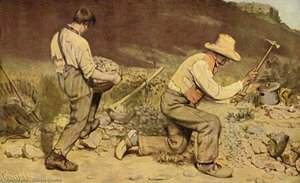
Courbet's artistic breakthrough arrived with a deliberate rejection of the prevailing aesthetic sensibilities of Romanticism. Unlike his contemporaries who sought to elevate art above the mundane, Courbet turned his gaze toward the lives of ordinary people—laborers, peasants, and rural communities—subjects often ignored by the artistic establishment. This decision wasn’t merely stylistic; it was fundamentally philosophical. He argued passionately for the dignity inherent in these roles, asserting that “the artist must depict what he sees.” This conviction fueled his groundbreaking exploration of monumental canvases depicting scenes from rural life, notably *The Stone Breakers* (1849), a work tragically destroyed during World War II but emblematic of Courbet’s commitment to portraying reality without sentimentality. Critics initially condemned this approach as vulgar and lacking in artistic merit—a testament to the profound disruption Courbet instigated within the art world.Technique and Artistic Philosophy: Embracing Impasto
Courbet's distinctive technique – *impasto* – became synonymous with his artistic philosophy. He applied paint thickly onto the canvas, creating textured surfaces that captured the physicality of the material itself. This method wasn’t merely a stylistic choice; it was an assertion of Courbet’s belief that art should engage directly with sensory experience. As he famously declared, “I want to paint what I see.” This uncompromising stance extended beyond technique to encompass subject matter—Courbet consistently rejected mythological tales and historical grandeur in favor of scenes from everyday life, reflecting his conviction that truthfulness was paramount. His studio paintings, like *The Painter’s Studio* (1855), served as visual meditations on artistic practice and social commentary, cementing his reputation as a visionary artist who dared to challenge conventional norms.Iconic Masterpieces: Landscapes and Portraits of Dignity
Courbet's oeuvre encompasses both landscapes and portraits—each infused with an unwavering commitment to realism and psychological depth. *A Burial at Ornans* (1850–51), arguably his most celebrated work, remains a powerful testament to Courbet’s artistic vision. The monumental canvas depicts a funeral procession in his hometown, eschewing idealized representations of grief and piety for a brutally honest portrayal of human emotion and social circumstance. Its sheer scale—a deliberate provocation against the conventions of historical painting—captured the public's imagination and solidified Courbet’s position as a champion of artistic freedom. Similarly, *The Stone Breakers* confronts viewers with the harsh realities of manual labor, presenting two figures rendered with unflinching detail and capturing the weariness etched upon their faces. These paintings exemplify Courbet’s belief that art should illuminate the human condition—a conviction that continues to resonate with audiences today.Legacy: Shaping Modern Art
Gustave Courbet's influence on subsequent generations of artists is undeniable. He liberated Impressionists and Post-Impressionists from the shackles of academic tradition, encouraging them to explore new avenues for artistic expression. His insistence on portraying reality without embellishment—his unwavering commitment to *plein air* painting—laid the groundwork for movements that would revolutionize visual culture. Beyond his technical innovations, Courbet’s philosophical stance—a rejection of illusion and a celebration of everyday life—remains profoundly relevant in contemporary art discourse. He died prematurely in 1877, leaving behind an unparalleled body of work that continues to inspire artists and scholars alike—a legacy secured as one of the most transformative figures in the history of French painting and modern art.
Courbet
1819 - 1877 , Francia
Rövid információk
- Artistic Movement Or Style: Realizmus
- Artists Or Movements Influenced By This Artist:
- Impressionizmus
- Post-impressionizmus
- Artists Who Influenced This Artist:
- Delacroix
- Géricault
- Caravaggio
- Date Of Birth: 1819 július 31.
- Date Of Death: 1877 április 29.
- Full Name: Gustave Courbet
- Nationality: Francia
- Notable Artworks:
- A Nagy Szél
- A Stone Breakers
- A Burial at Ornans
- Place Of Birth: Orléans, Franciaország
Kapcsolódó cikkek

Romantic Realism's Finest: 10 Masterpieces for Your Home | OriginalUniqueArt
Explore 10 defining masterpieces of Romantic Realism! Discover Courbet, Millet & Daumier's powerful paintings—capturing emotion and social realities. Find museum-quality reproductions for your home at OriginalUniqueArt.com.

Paul Cézanne 25 Mesterműve: A Modern Művészet Úttörői | OriginalUniqueArt
Fedezze fel Paul Cézanne 25 legikonikusabb művét! Ismerje meg a posztimpresszionizmus úttörőjének festményeit, technikáját és inspirációit. Vászonképek, portrék, tájképfestmények – minden otthonba. Böngéssze gyűjteményünket a OriginalUniqueArt-on!

Gustav Klimt 25 Mesterműve: A Szecesszió Aranykora – Vászonképek és Dekorációk
Fedezze fel Gustav Klimt 25 legpazarabb művészeti alkotását! A szecesszió aranykora, ikonikus portrék és szerelmesek története. Vászonképek, reprodukciók és inspiráció otthonába – OriginalUniqueArt.com.
A realizmus 10 legikonikusabb remekműve: festmények, művészek és inspiráció otthonra
Fedezze fel a realizmus 10 legjelentősebb remekművét! Gustave Courbet, Jean-François Millet és más híres festők alkotásai. Múzeumi minőségű reprodukciók otthonra – inspirációt és luxus dekorációt kínálunk. Böngésszen a OriginalUniqueArt.com teljes gyűjteményében!
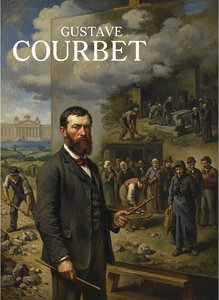
Gustave Courbet: Realism's Revolutionary Vision & the Social Canvas of 19th-Century France
Explore the revolutionary art of Gustave Courbet, pioneer of Realism. Discover his iconic paintings, social commentary, and lasting impact on 19th-century French art history. Expert analysis & insights.