Menü
Text size

() ·

A painting made for you, by hand

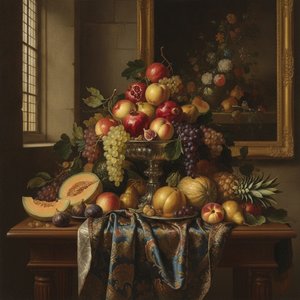
Fruit Displayed on a Stand

Kézzel készített olajfestmény reprodukció

Kézzel festett olajvastú vászon, az Ön által választott méretben és keretben, művészeink készítik meglévőre. ( Váltás nyomtatványra Áttérés digitális képre)

A gyűjtemény leírása

Gustave Caillebotte's 'Fruit Displayed on a Stand' (1882) is a vibrant still life capturing fresh produce with Impressionistic detail. Explore the Parisian artist’s mastery of light and color in this iconic work.

A művész életrajza

Caillebotte: A modern francia festő, aki a párizsi életet realista és impresszionista stílusban ábrázolta. 'Esős utca' című alkotása ikonikus! #Caillebotte #impresszionizmus #franciafestészet

from ·

Chapter 1

How large should it be?

Slide to change the size; the picture on the left shows the frame at its real width. The proportions of the original are kept.

Standard méret
egyedi méretű
CM
INCH

Válasszon előre meghatározott méreteink közül, amelyek megfelelnek a műalkotás eredeti arányainak.

szélesség
magasság

Írja be a kívánt szélességet és magasságot, hogy illeszkedjen a keretéhez vagy a falához. Mivel ez kézzel festett alkotás, egy eltérő formájú méret esetén a művész akár festhet is valamivel többet a kép körül, vagy korolathat is belőle — az Ön döntésének megfelelően. A festés megkezdése előtt küldünk egy digitális tervezetet jóváhagyásra. Az oldalon látható kép nem tartalmazza a végeredményt — csak a tervezet mutatja meg a valódi eredményt.

Chapter 2

How should it arrive?

Choose the edges of the stretched canvas

Choose your frame

Corner sample of the WhiteWrap canvas edge finish, stretched on tömörfa bars
White Ft1
Corner sample of the BlurSideWrap canvas edge finish, stretched on tömörfa bars
Blurside Ft1
Corner sample of the ExtendedWrap canvas edge finish, stretched on tömörfa bars
Extended Ft1
Corner sample of the P118B picture frame: formázott polisztirol, 5 cm wide and 3 cm thick
P118B Ft10
Corner sample of the P118H picture frame: formázott polisztirol, 5 cm wide and 3 cm thick
P118H Ft10
Corner sample of the P118W picture frame: formázott polisztirol, 5 cm wide and 3 cm thick
P118W Ft10
Corner sample of the P438Z picture frame: formázott polisztirol, 5.5 cm wide and 3.5 cm thick
P438Z Ft10
Corner sample of the P508JH picture frame: formázott polisztirol, 7 cm wide and 3.5 cm thick
P508JH Ft12
Corner sample of the P508YH picture frame: formázott polisztirol, 7 cm wide and 3.5 cm thick
P508YH Ft12
Corner sample of the P805H picture frame: formázott polisztirol, 5 cm wide and 3.5 cm thick
P805H Ft10
Corner sample of the P805Z picture frame: formázott polisztirol, 5 cm wide and 3.5 cm thick
P805Z Ft10
Corner sample of the P919BZ picture frame: formázott polisztirol, 7 cm wide and 3.5 cm thick
P919BZ Ft10
Corner sample of the P919G picture frame: formázott polisztirol, 7 cm wide and 3.5 cm thick
P919G Ft10
Corner sample of the P919XJ picture frame: formázott polisztirol, 7 cm wide and 3.5 cm thick
P919XJ Ft10
Corner sample of the P959ZH picture frame: formázott polisztirol, 5 cm wide and 3 cm thick
P959ZH Ft10
Corner sample of the P968JZ picture frame: formázott polisztirol, 6 cm wide and 4 cm thick
P968JZ Ft12
Corner sample of the W106C picture frame: tömörfa, 5 cm wide and 3 cm thick
W106C Ft8
Corner sample of the W218G picture frame: tömörfa, 5 cm wide and 3 cm thick
W218G Ft10
Corner sample of the W218JH picture frame: tömörfa, 5 cm wide and 3 cm thick
W218JH Ft8
Corner sample of the W218Y picture frame: tömörfa, 5 cm wide and 3 cm thick
W218Y Ft10
Corner sample of the W307PJ picture frame: tömörfa, 6 cm wide and 3 cm thick
W307PJ Ft10
Corner sample of the W316G picture frame: tömörfa, 6 cm wide and 3 cm thick
W316G Ft10
Corner sample of the W316PJ picture frame: tömörfa, 6 cm wide and 3 cm thick
W316PJ Ft8
Corner sample of the W316Y picture frame: tömörfa, 6 cm wide and 3 cm thick
W316Y Ft10
Corner sample of the W398PJ picture frame: tömörfa, 5 cm wide and 3 cm thick
W398PJ Ft8
Corner sample of the W4111J picture frame: tömörfa, 6.5 cm wide and 3.5 cm thick
W4111J Ft10
Corner sample of the W500HY picture frame: tömörfa, 7 cm wide and 5 cm thick
W500HY Ft15
Corner sample of the W500JH picture frame: tömörfa, 7 cm wide and 5 cm thick
W500JH Ft15
Corner sample of the W692G picture frame: tömörfa, 8 cm wide and 4 cm thick
W692G Ft12
Corner sample of the W849H picture frame: tömörfa, 5 cm wide and 3 cm thick
W849H Ft8
Corner sample of the W940BG picture frame: tömörfa, 7.5 cm wide and 4.5 cm thick
W940BG Ft15
Corner sample of the W953PJ picture frame: tömörfa, 6 cm wide and 3.5 cm thick
W953PJ Ft8
Corner sample of the H24-GOLD picture frame: faragott fa gesszóval, 10 cm wide and 6 cm thick
H24-GOLD Ft30
Corner sample of the H24-SILVER picture frame: faragott fa gesszóval, 10 cm wide and 6 cm thick
H24-SILVER Ft30
Corner sample of the H36-GOLD picture frame: faragott fa gesszóval, 15 cm wide and 6.5 cm thick
H36-GOLD Ft45
Corner sample of the H36-SILVER picture frame: faragott fa gesszóval, 15 cm wide and 6.5 cm thick
H36-SILVER Ft45

Moulding: . Overall size with the frame: .

Chapter 3

Who paints it, and should anything change?

Examples of what can be changed: Replace face with customer photo; Add pet (e.g., replace cat with dog); Include hidden message in background; Change background landscape or elements.
After order, OriginalUniqueArt.com team will email client for instructions and provide a mockup preview

Világszerte elérhető szállítás () 3-4 hét alatt a szokásos 5 hét helyett. (31 október). A minőség nem kérdőjelezhető.

Chapter 4

The finishing touches

A nameplate, as in a museum?

A gravírozott bronztábla részletei

This elegant plaque features the artist's name and the title of the artwork, finely engraved for a timeless presentation.

It is made from bronze with a refined, elegant finish. The text is precisely laser-engraved for a sharp and permanent result. Measuring 9x2 cm, the plaque is compact yet easy to read. It's built to be durable and scratch-resistant, offering a professional, museum-quality look. Mounting is simple thanks to the included adhesive backing.

Átlátszó akril tábla részletei

The plaque includes essential engraved details such as the artist's name, the title of the artwork, the date it was created, the type of media used-like oil on canvas or watercolor-a brief description of the piece, and a QR code that links to the complete artwork information.

It is crafted from clear acrylic, offering a sleek, modern appearance. The text is UV-engraved in black to ensure strong visual contrast. With a size of 10x15 cm, it ensures optimal readability. It comes equipped with two metal hooks for secure wall mounting. The plaque is designed to be weather-resistant, making it suitable for various environments, and it includes interactive features that work seamlessly with smartphone scanning.

Fekete akril tábla részletei

This elegant plaque includes engraved information such as the artist's name, the title of the artwork, the date it was created, the type of media used (like oil on canvas or watercolor), a short description of the artwork, and a QR code for quick access to more information.

The plaque itself is made from refined black acrylic with a premium finish. The text is laser-engraved in white for high contrast and readability. Its size is 10x15 cm, designed to be easy to read. It comes with two metal hooks for professional mounting. The design is sleek and fits any interior style. It is also weather-resistant and durable, with built-in digital integration for mobile compatibility.

A protective varnish?

When do you need it?

Chapter 5

Your painting, as you ordered it

Fruit Displayed on a Stand

Reprodukciós technika

Reprodukció mérete

-

Kiváló mesterművész

Nagyobb részletesség, finomság és bővített gyártási idő

-

Reprodukció keretezése

-

-

A bármely oldalsó méretét túlszálaló 105 cm (kb. 41 hüvelyk) meghaladó műalkotások vagy reprodukciók esetében a keret összeszerelhető készletként, szétszerelve kerül szállításra. Ez a módszer biztosítja a biztonságos szállítást, és megakadályozza a szállítás során fellépő sérüléseket.

Szakmész összeszerelést igényel – ez nem DIY (önösszeszerelhető) termék.
A készletet egy tapasztalt keretező szakembernek kell összeszerelnie és a vásznat feszítenie kell, fa ragasztó (nem tartalmazza a csomag), vásznfeszítő fogó és szorítók használatával, amelyek a ragasztó száradásáig a keretrészeket egymáshoz vuôngjba tartják. A helytelen összeszerelés vagy a nem egyenletes vásznfeszítés maradandó károsíthatja a műalkotást, és ez nem része a garanciánknak.

  • A készlet tartalmazza az összes tömörfa rudat, pontosan méretre vágva.

  • A mellékelt csavarokkal, valamint a sarokszerekhez szükséges faütő ragasztóval kell összeszerelnie (ez nem tartalmazható a csomagban), így a keretrendezőnek külön kell beszereznie.

  • A csomag nem tartalmazza a szükséges professzionális eszközöket: egy vászonfeszítőt és klipseket a rácsok vízszintes tartásához a ragasztó megszáradásáig.

Fontos:
A sarokcsatlakozásokhoz fánylagra van szükség, a keretrudakat szorítókapcsokkal kell rögzíteni, amíg a rag teljesen meg nem szárad, a kész keretre feszített vászonhoz pedig vászonfeszítő fogat szükséges. Ezek egyike sem található meg a készletben. Kérjük, rendelés előtt győződjön meg róla, hogy rendelkezik tapasztalt keretező szakemberrel.

Névtábla

-

-

Védőréteg (Lakk)

Fényes lakk (intenzívabb színek, védelem a fény és a nedvesség hatása ellen)

-

Műalkotásom egyedi igényre szabása

Példák a módosíthatóságra: az arc kicserélése az ügyfél fotójára; háziállat hozzáadása (pl. macska helyett kutya); rejtett üzenet elhelyezése a háttérben; a háttér tájainak vagy elemeinek megváltoztatása.

-

Sürgős

Világszerte szóló szállítás () mindössze 3-4 hét alatt, a szokásos 5 hét helyett. (31 október). A minőség nem kérdőjelezhető.

-

Express szállítás

Világszerte elérhető szállítás területre 5 héten belül. (7 november).

A szállítás díja tartalmazza

Összesített ár

Ft 98090

Összesített ár Ft 98090

Az üvegkeretes opció csak 110 cm alatti méretben érhető el

Included with every order

  • Ingyenes globális expressz szállítás
  • Prémium minőségű len vászon
  • Teljes körű szállítási biztosítás
  • Vámvisszatérítési Garancia
  • Hiteles színarányosság garancia
  • 100 napos visszaküldési lehetőség (csak hibás termékek esetén)
  • 100% pénzvisszatérítési garancia
  • Több darab vásárlásakor kedvezmény

A Snapshot of Parisian Modernity

Gustave Caillebotte's "Fruit Displayed on a Stand," painted in 1882, isn’t merely a still life; it’s a meticulously observed fragment of late 19th-century Paris. Far removed from the grand historical narratives favored by many of his contemporaries, Caillebotte chose to capture an ordinary moment – the arrangement of fruit on market stalls – transforming it into a compelling study of light, form, and urban life. This seemingly simple composition reveals a keen awareness of the burgeoning modern world, reflecting the rapid transformations occurring within the city’s bustling streets and evolving social landscape.

The painting immediately draws the eye to Caillebotte's masterful manipulation of light. He employs a broken, almost fragmented approach, utilizing short, distinct brushstrokes to capture the interplay of sunlight on the various fruits. This technique, characteristic of Impressionism, avoids smooth blending and instead creates a vibrant mosaic of color and texture. The light isn’t uniform; it pools and dances across the surfaces of the apples, oranges, grapes, and bananas, lending each element an individual luminosity. Notice how he uses reflected light – the way the fruit subtly illuminates the surrounding space – to create a sense of depth and realism that belies the painting's relatively small scale.

The Influence of Photography

Caillebotte’s artistic vision was profoundly shaped by his early fascination with photography. He saw in the medium’s ability to capture fleeting moments and precise details a new approach to representation. This influence is evident in "Fruit Displayed on a Stand" through its careful composition, sharp focus, and realistic depiction of textures – from the smooth skin of an orange to the delicate fuzz of a grape. Unlike traditional still life painters who sought to idealize their subjects, Caillebotte embraced the imperfections and irregularities of the natural world, mirroring the photographic aesthetic he admired.

Furthermore, the painting’s arrangement echoes the compositional strategies found in photographs of the time. The fruits are presented with a sense of immediacy, as if captured mid-display. The slightly tilted stand adds to this feeling of spontaneity and realism, suggesting a candid observation rather than a staged presentation. This deliberate choice reflects Caillebotte's desire to move beyond the conventions of academic painting and embrace a more direct and truthful representation of reality.

Symbolism and Urban Life

While seemingly straightforward, "Fruit Displayed on a Stand" carries subtle symbolic weight. The abundance of fruit can be interpreted as a celebration of life and prosperity – a visual metaphor for the vitality of Paris during this period of rapid industrialization and economic growth. However, the fruits themselves are not presented in an idealized manner; they are slightly bruised, imperfect, and arranged on humble market stalls. This juxtaposition hints at the realities of urban life—the contrast between wealth and poverty, abundance and scarcity.

The painting also offers a glimpse into the everyday commerce of Parisian streets. The fruit stands were vital components of the city’s economy, providing sustenance to its diverse population. Caillebotte's depiction captures this essential aspect of urban life, transforming a commonplace scene into a work of art that invites contemplation and reflection. It is a testament to his ability to find beauty and significance in the ordinary.

A Timeless Masterpiece

“Fruit Displayed on a Stand” remains a captivating example of Impressionist painting, showcasing Caillebotte’s innovative approach to light, composition, and subject matter. Its enduring appeal lies not only in its technical brilliance but also in its ability to evoke a sense of place and time—a vivid snapshot of Parisian life at the cusp of modernity. Reproductions of this work offer a remarkable opportunity to experience the artist's unique vision and appreciate the beauty found within the seemingly mundane.

Kérdések és válaszok

Ki készítette a "Fruit Displayed on a Stand" alkotást, és milyen stílusú?

A "Fruit Displayed on a Stand" mögött Caillebotte Gusztáv és a Impressionist Painting irányzat áll.

Hová sorolható a "Fruit Displayed on a Stand" Caillebotte Gusztáv életművében?

A "Fruit Displayed on a Stand" megosztja Caillebotte Gusztáv többi művével a Impressionist Painting stílust és a rögzített témákat: impressionism, parisian life, realism, modernity, patronage.

Melyik szobához ajánlott a „Fruit Displayed on a Stand”, Caillebotte Gusztáv alkotása, színei alapján végezve?

A „Fruit Displayed on a Stand”, Caillebotte Gusztáv alkotása Neutrals színei tökéletesen illeszkednek a javasolt helyiséghez: egy Living Room.

More about this painting

Megtekintés AR előnézet Váltás nyomtatványra Áttérés digitális képre Küldés
Részletek Útmutató Kedvencekhez ad Letöltés Hasonló darabok X-ray felvétel Diavetítés Q&A Statisztika

In numbers

  • 1882the year it was painted
  • 29frames to choose from
  • standard sizes, in its own proportions
  • 5weeks to paint and deliver it
Caillebotte Gusztáv

Caillebotte Gusztáv

1848 - 1894, Franciaország

Quick facts about Caillebotte Gusztáv

  • Artistic Movement Or Style: Realizmus, Impresszionizmus
  • Artists Or Movements Influenced By This Artist: ['Impresszionizmus']
  • Artists Who Influenced This Artist:
    • Degas
    • Nittis
  • Date Of Birth: 1848. augusztus 19.
  • Date Of Death: 1894. február 21.
  • Full Name: Gustave Caillebotte
  • Nationality: Francia
  • Notable Artworks:
    • Les Raboteurs de Parquet
    • Tetővizenek (Síó)
    • Boulevard felülről nézve
  • Place Of Birth: Párizs, Franciaország

A művész életrajza

A Parisiainak Új Korának Művésze: Gustave Caillebotte Élete és Művészete

Gustave Caillebotte, a sikeres párizsi családba született 1848-ban, egyedülállóan helyzetbe került ahhoz, hogy megörököszöntsön a város alakulásának drámai átalakításait. Apja, Martial Caillebotte örökölte a textilüzletet és bíróként is tevékenykedett a Szajna megyei kereskedelmi bíróságon, ami Gustave-nak mindennemű anyagi biztonságot, mind pedig egy olyan perspektívát adott, amely lehetővé tette számára, hogy megfigyelje a virágzó modern világot. Bár eleinte jogi tanulmányokat folytatott – 1868-ban és 1870-ben szerzett jogi diplomát –, Caillebotte igazi hivatása az művészet területén rejlett. Komoly képzést kapott Léon Bonnat műtermében, ahol elmélyült a festészetben, miközben egyben nagy érdeklődést fejlesztett ki a fotózás iránt, egy olyan új technológia iránt, amely mélyrehatóan befolyásolta látásmódját. Ez az korai expozíció a fényképezés elveivel szemben – annak keretezéssel, perspektívájával és pillanatfelvételének képességével – jellegzetes stílusa jegyeivé vált. Caillebotte nem csupán dokumentálta a változást; aktívan részt vett annak esztétikai lehetőségeiben.

Realista Hangulatú Impresszionizmus

Caillebotte művészi útja eltért az akadémiai hagyományok szigorú követésétől, de soha nem teljesen fogadta el az impresszionisták kizárólagos optikai felfedezéseit. Közeledemett olyan művészekkel, mint Edgar Degas és Giuseppe de Nittis, akikkel közös vonzalom volt a modern élet iránt, de azt egy aprólékos realisztikus szemszögből közelítették meg. Korai mesterműve, Les Raboteurs de Parquet (A Parkettcsiszolók), amelyet 1875-ben mutattak be a Salonon, azonnal elnyerte a hírnevet egy merész és kivételes festőként. A mű darabjául szolgáló három munkás, aki kitartóan csiszolta a parkettfürtet, nem csupán a témaválasztás volt a különlegesség – a munkások ritkán szerepeltek a művészet magasabb körökben –, hanem a kompozíció is: szorosan vágott, szinte zavaróan közvetlen és nincsenek benne szentimentalista idealizációk. Ez a kötelezettségvállalás a valóságtól való távolságtól, a mindennapi élet megörökítésére, sokak számára meglepte a közönséget, de mások számára pedig elnyerte az őszinte rajongást. A művei, mint például Az acélhíd, tökéletesen ábrázolták a gyorsan változó Párizs ipari tájmezeteit. Azonban Caillebotte nem volt immun az impresszionista befolyásoltság ellen; palettája lassan világosabb lett, és elkezdett kísérletezni törött ecsettel és légkörös hatásokkal, ami különösen jól mutat a város tetején felhőkarcoló épületekben lezárult, hóborúban teli tájképein, mint például A tetősík fehéren.

Egy Patrons és Egy Úttörő: A Művészeti Világban

Caillebotte művészi karrierje mellett fontos szerepet játszott a művészet támogatójaként is. Gazdasági helyessége lehetővé tette számára, hogy jelentős mértékben támogassa az impresszionistákat, vásárolja meg a műveiket Monet-től, Renoir-tól, Pissarro-tól, Cézanne-től és Degas-tól, amikor ezek a művek még nem voltak elfogadva a hivatalos Salonon. Nem csupán gyűjtő volt; aktívan támogatta ezeket az alkotókat, megszervezte és finanszírozta több impresszionista kiállítást is, amelyek megakadályozták a művészet hagyományos normáit. Ez a befogadó szellem kiterjedt a saját gyűjteményére is, amelyet Gustave halála után 1894-ben örökösének adományozott – egy alku, amely elebből nemeselték, de végül alapkővé vált az Orsay Múzeum híres impresszionista gyűjteménye számára. Caillebotte egyedi perspektívája pedig a műveiben is megmutatkozott: alkotásai, mint például A Boulevard látványa fenteból, egy rendkívül modern szemszögből készültek, dinamikus nézőpontot alkalmazva és a 20. század fotótechnikájának perspektíváit előrevetítve. Ez az innovatív megközelítés a kompozíció terén, amely valószínűleg a japán nyomatok és saját fényképezési kísérletei ihlette, különította őt egy igazi úttörővé.

Híressé Tevő Dicsőség és Újjárajtás: Egy Modern Mester Újra Találkozása

Szádaszent évadzáig Caillebotte művei elmaradtak a figyelem tárgyától, árnyékba helyezve a híresebb impresszionista alakokat. Csak a 20. század végén kezdődött meg egy átfogó újbontás, amelyet tudományos kutatásokkal és nagyméretű kiállításokkal indított el. Ez az újbontás feltárta egy kiválóan képzett művészt, mélyeszméletű és látványos perspektívát. Caillebotte alkotásai nem csupán a modern élet ábrázolása; mély elmélkedések a városi lét bonyodalmairól, a változó társadalmi tájmezetről és az művészet és valóság kapcsolatának átalakulója. Képese volt tökéletesen ötvözni a realisztikus technikát az impresszionista stílusokkal, innovatív kompozícióit és elállhatatlan elkötelezettségét a világ megörökítésére – egy művész, aki merte megfogadni egy új kor szellemet.

Jellegzetes Művek

  • Les Raboteurs de Parquet (A Parkettcsiszolók) (1875): Egyúttörő mű, amely Caillebotte realisztikus stílusát és innovatív kompozícióját mutatja be.
  • A tetősík fehéren (1878): Mutatja meg a magas nézőpont használatát és légkörös hatásait, melyek inspirációt merítettek a fotózásból és a japán nyomatokból.
  • A Boulevard látványa fenteból (1880): Egy rendkívül modern kompozíció dinamikus nézőponttal.
  • Paris Street; Rainy Day (1877): Talán legismertebb műve, amely a párizsi élet izgalmas energiáját egyedi és frappáns módon ábrázolja.
  • A Bezique Játék(1881) : Egy lenyűgöző impresszionista festmény a párizsi szabadidőről.

Gyors információk

  • Notable elements or techniques: Photographic realism
  • Medium: Oil on canvas
  • Location: Museum of Fine Arts, Boston
  • Dimensions: 76 x 100 cm
  • Influences: Photography

Művészeti kvíz

Minden kérdésre csak egy helyes válasz létezik.

Kérdés 1:
What is the primary subject matter of Gustave Caillebotte’s ‘Fruit Displayed on a Stand’?
Kérdés 2:
In what year was ‘Fruit Displayed on a Stand’ painted?
Kérdés 3:
Gustave Caillebotte is known for his early interest in which emerging technology?
Kérdés 4:
The painting ‘Fruit Displayed on a Stand’ reflects Caillebotte's interest in capturing which aspect of modern Parisian life?
Kérdés 5:
What artistic movement is Gustave Caillebotte most closely associated with?