A szöveg mérete

() ·

Egy Önnek készült, kézzel festett alkotás

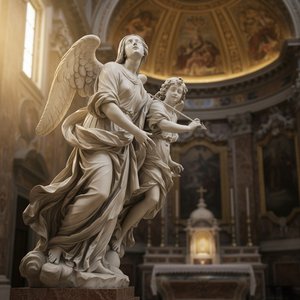
Statue der Venus

Kézzel készített olajfestmény reprodukció

Kézzel festett olajvastú vászon, az Ön által választott méretben és keretben, művészeink készítik meglévőre. ( Váltás nyomtatványra Áttérés digitális képre)

A gyűjtemény leírása

Admire Guillaume Coustou's stunning 'Statue der Venus,' a captivating depiction of the Roman goddess of love, showcasing exquisite detail and artistic mastery from 1769.

A művész életrajza

Guillaume Coustou az Öreg (1677-1746): A francia barokk és rokokó szobrászművész mestere, aki a Marly ikonikus „Lidítők” című műveiről ismert. Fedezze fel királyi erejű szobrainkat!

előbb ·

1. fejezet

Mekkora méretű legyen?

Húzza a csúszkát a méret megváltoztatásához; a bal oldali kép a keret valós szélességét mutatja. Az eredeti arányok megmaradnak.

Standard méret
egyedi méretű
CM
INCH

Válasszon előre meghatározott méreteink közül, amelyek megfelelnek a műalkotás eredeti arányainak.

szélesség
magasság

Írja be a kívánt szélességet és magasságot, hogy illeszkedjen a keretéhez vagy a falához. Mivel ez kézzel festett alkotás, egy eltérő formájú méret esetén a művész akár festhet is valamivel többet a kép körül, vagy korolathat is belőle — az Ön döntésének megfelelően. A festés megkezdése előtt küldünk egy digitális tervezetet jóváhagyásra. Az oldalon látható kép nem tartalmazza a végeredményt — csak a tervezet mutatja meg a valódi eredményt.

2. fejezet

Hogyan érkezzen meg?

Válaszd ki a feszített vászon széleit

Válassza ki a keretet

Corner sample of the WhiteWrap canvas edge finish, stretched on tömörfa bars
Fehér Ft1
Corner sample of the BlurSideWrap canvas edge finish, stretched on tömörfa bars
Elmosódott szélek Ft1
Corner sample of the ExtendedWrap canvas edge finish, stretched on tömörfa bars
Kiterjesztett Ft1
Corner sample of the P118B picture frame: formázott polisztirol, 5 cm wide and 3 cm thick
P118B Ft10
Corner sample of the P118H picture frame: formázott polisztirol, 5 cm wide and 3 cm thick
P118H Ft10
Corner sample of the P118W picture frame: formázott polisztirol, 5 cm wide and 3 cm thick
P118W Ft10
Corner sample of the P438Z picture frame: formázott polisztirol, 5.5 cm wide and 3.5 cm thick
P438Z Ft10
Corner sample of the P508JH picture frame: formázott polisztirol, 7 cm wide and 3.5 cm thick
P508JH Ft12
Corner sample of the P508YH picture frame: formázott polisztirol, 7 cm wide and 3.5 cm thick
P508YH Ft12
Corner sample of the P805H picture frame: formázott polisztirol, 5 cm wide and 3.5 cm thick
P805H Ft10
Corner sample of the P805Z picture frame: formázott polisztirol, 5 cm wide and 3.5 cm thick
P805Z Ft10
Corner sample of the P919BZ picture frame: formázott polisztirol, 7 cm wide and 3.5 cm thick
P919BZ Ft10
Corner sample of the P919G picture frame: formázott polisztirol, 7 cm wide and 3.5 cm thick
P919G Ft10
Corner sample of the P919XJ picture frame: formázott polisztirol, 7 cm wide and 3.5 cm thick
P919XJ Ft10
Corner sample of the P959ZH picture frame: formázott polisztirol, 5 cm wide and 3 cm thick
P959ZH Ft10
Corner sample of the P968JZ picture frame: formázott polisztirol, 6 cm wide and 4 cm thick
P968JZ Ft12
Corner sample of the W106C picture frame: tömörfa, 5 cm wide and 3 cm thick
W106C Ft8
Corner sample of the W218G picture frame: tömörfa, 5 cm wide and 3 cm thick
W218G Ft10
Corner sample of the W218JH picture frame: tömörfa, 5 cm wide and 3 cm thick
W218JH Ft8
Corner sample of the W218Y picture frame: tömörfa, 5 cm wide and 3 cm thick
W218Y Ft10
Corner sample of the W307PJ picture frame: tömörfa, 6 cm wide and 3 cm thick
W307PJ Ft10
Corner sample of the W316G picture frame: tömörfa, 6 cm wide and 3 cm thick
W316G Ft10
Corner sample of the W316PJ picture frame: tömörfa, 6 cm wide and 3 cm thick
W316PJ Ft8
Corner sample of the W316Y picture frame: tömörfa, 6 cm wide and 3 cm thick
W316Y Ft10
Corner sample of the W398PJ picture frame: tömörfa, 5 cm wide and 3 cm thick
W398PJ Ft8
Corner sample of the W4111J picture frame: tömörfa, 6.5 cm wide and 3.5 cm thick
W4111J Ft10
Corner sample of the W500HY picture frame: tömörfa, 7 cm wide and 5 cm thick
W500HY Ft15
Corner sample of the W500JH picture frame: tömörfa, 7 cm wide and 5 cm thick
W500JH Ft15
Corner sample of the W692G picture frame: tömörfa, 8 cm wide and 4 cm thick
W692G Ft12
Corner sample of the W849H picture frame: tömörfa, 5 cm wide and 3 cm thick
W849H Ft8
Corner sample of the W940BG picture frame: tömörfa, 7.5 cm wide and 4.5 cm thick
W940BG Ft15
Corner sample of the W953PJ picture frame: tömörfa, 6 cm wide and 3.5 cm thick
W953PJ Ft8
Corner sample of the H24-GOLD picture frame: faragott fa gesszóval, 10 cm wide and 6 cm thick
H24-GOLD Ft30
Corner sample of the H24-SILVER picture frame: faragott fa gesszóval, 10 cm wide and 6 cm thick
H24-SILVER Ft30
Corner sample of the H36-GOLD picture frame: faragott fa gesszóval, 15 cm wide and 6.5 cm thick
H36-GOLD Ft45
Corner sample of the H36-SILVER picture frame: faragott fa gesszóval, 15 cm wide and 6.5 cm thick
H36-SILVER Ft45

Keretprofil: . A kerettel együtt vett teljes méret: .

3. fejezet

Ki festi, és változtatni kellene-e bármit?

Példák a módosíthatóságra: Az arc kicserélése a vásárló fotójára; háziállat hozzáadása (pl. macska kicserélése kutyára); rejtett üzenet elhelyezése a háttérben; a háttér tájéképének vagy elemeinek megváltoztatása.
A megrendelést követően a OriginalUniqueArt.com csapat e-mailt küld a vásárlónak az instrukciókkal, és biztosítja a tervezeti előnézetet

Világszerte elérhető szállítás () 3-4 hét alatt a szokásos 5 hét helyett. (4 november). A minőség nem kérdőjelezhető.

4. fejezet

Az utolsó finomhangolás

Egy felirat, mint egy múzeumban?

A gravírozott bronztábla részletei

This elegant plaque features the artist's name and the title of the artwork, finely engraved for a timeless presentation.

It is made from bronze with a refined, elegant finish. The text is precisely laser-engraved for a sharp and permanent result. Measuring 9x2 cm, the plaque is compact yet easy to read. It's built to be durable and scratch-resistant, offering a professional, museum-quality look. Mounting is simple thanks to the included adhesive backing.

Átlátszó akril tábla részletei

The plaque includes essential engraved details such as the artist's name, the title of the artwork, the date it was created, the type of media used-like oil on canvas or watercolor-a brief description of the piece, and a QR code that links to the complete artwork information.

It is crafted from clear acrylic, offering a sleek, modern appearance. The text is UV-engraved in black to ensure strong visual contrast. With a size of 10x15 cm, it ensures optimal readability. It comes equipped with two metal hooks for secure wall mounting. The plaque is designed to be weather-resistant, making it suitable for various environments, and it includes interactive features that work seamlessly with smartphone scanning.

Fekete akril tábla részletei

This elegant plaque includes engraved information such as the artist's name, the title of the artwork, the date it was created, the type of media used (like oil on canvas or watercolor), a short description of the artwork, and a QR code for quick access to more information.

The plaque itself is made from refined black acrylic with a premium finish. The text is laser-engraved in white for high contrast and readability. Its size is 10x15 cm, designed to be easy to read. It comes with two metal hooks for professional mounting. The design is sleek and fits any interior style. It is also weather-resistant and durable, with built-in digital integration for mobile compatibility.

Egy védőréteg?

Mikor lenne szüksége rá?

5. fejezet

Az Ön által megrendelt festmény

Statue der Venus

Reprodukciós technika

Reprodukció mérete

-

Kiváló mesterművész

Nagyobb részletesség, finomság és bővített gyártási idő

-

Reprodukció keretezése

-

-

A bármely oldalsó méretét túlszálaló 105 cm (kb. 41 hüvelyk) meghaladó műalkotások vagy reprodukciók esetében a keret összeszerelhető készletként, szétszerelve kerül szállításra. Ez a módszer biztosítja a biztonságos szállítást, és megakadályozza a szállítás során fellépő sérüléseket.

Szakmész összeszerelést igényel – ez nem DIY (önösszeszerelhető) termék.
A készletet egy tapasztalt keretező szakembernek kell összeszerelnie és a vásznat feszítenie kell, fa ragasztó (nem tartalmazza a csomag), vásznfeszítő fogó és szorítók használatával, amelyek a ragasztó száradásáig a keretrészeket egymáshoz vuôngjba tartják. A helytelen összeszerelés vagy a nem egyenletes vásznfeszítés maradandó károsíthatja a műalkotást, és ez nem része a garanciánknak.

  • A készlet tartalmazza az összes tömörfa rudat, pontosan méretre vágva.

  • A mellékelt csavarokkal, valamint a sarokszerekhez szükséges faütő ragasztóval kell összeszerelnie (ez nem tartalmazható a csomagban), így a keretrendezőnek külön kell beszereznie.

  • A csomag nem tartalmazza a szükséges professzionális eszközöket: egy vászonfeszítőt és klipseket a rácsok vízszintes tartásához a ragasztó megszáradásáig.

Fontos:
A sarokcsatlakozásokhoz fánylagra van szükség, a keretrudakat szorítókapcsokkal kell rögzíteni, amíg a rag teljesen meg nem szárad, a kész keretre feszített vászonhoz pedig vászonfeszítő fogat szükséges. Ezek egyike sem található meg a készletben. Kérjük, rendelés előtt győződjön meg róla, hogy rendelkezik tapasztalt keretező szakemberrel.

Névtábla

-

-

Védőréteg (Lakk)

Fényes lakk (intenzívabb színek, védelem a fény és a nedvesség hatása ellen)

-

Műalkotásom egyedi igényre szabása

Példák a módosíthatóságra: az arc kicserélése az ügyfél fotójára; háziállat hozzáadása (pl. macska helyett kutya); rejtett üzenet elhelyezése a háttérben; a háttér tájainak vagy elemeinek megváltoztatása.

-

Sürgős

Világszerte szóló szállítás () mindössze 3-4 hét alatt, a szokásos 5 hét helyett. (4 november). A minőség nem kérdőjelezhető.

-

Express szállítás

Világszerte elérhető szállítás területre 5 héten belül. (11 november).

A szállítás díja tartalmazza

Összesített ár

Ft 97410

Összesített ár Ft 97410

Az üvegkeretes opció csak 110 cm alatti méretben érhető el

Minden rendelés mellé tartalmazva

  • Ingyenes globális expressz szállítás
  • Prémium minőségű len vászon
  • Teljes körű szállítási biztosítás
  • Vámvisszatérítési Garancia
  • Hiteles színarányosság garancia
  • 100 napos visszaküldési lehetőség (csak hibás termékek esetén)
  • 100% pénzvisszatérítési garancia
  • Több darab vásárlásakor kedvezmény

A Timeless Embrace: The Statue of Venus by Guillaume Coustou

Within the opulent halls of Potsdam’s Bildergalerie, nestled amongst a constellation of classical sculptures commissioned by Frederick II of Prussia, stands a singular work – the Statue of Venus. More than merely a representation of the Roman goddess, this sculpture embodies an exquisite synthesis of artistic skill, historical reference, and profound symbolism, offering a captivating glimpse into the Enlightenment era’s fascination with beauty and mythology.

Origins and Creation

The story of Venus begins not in Rome itself, but in Lyon, France, where Guillaume Coustou the Elder (1677-1746), a master sculptor deeply rooted in the traditions of his family’s artistic legacy, meticulously brought this iconic figure to life. Coustou, a man who initially rejected the rigid constraints of the Roman Academy, forged his own path, ultimately returning to Paris and securing a place amongst the most celebrated sculptors of his time. Commissioned by Frederick II in 1755, the statue was a deliberate addition to a broader program designed to showcase the gallery’s collection as a testament to artistic knowledge and the enduring power of classical ideals. The sculpture's completion in 1771 marked a significant moment, finally uniting all four commissioned statues within Potsdam’s grand setting.

A Study in Graceful Form

Coustou’s Venus is not a depiction of overt sensuality; rather, it presents an image of serene beauty and contemplative grace. The statue portrays the goddess standing with her arms outstretched, delicately holding a cloth – a subtle nod to the act of unveiling or revealing. Her pose, reminiscent of depictions in classical Greek sculpture, particularly the famed *Venus Pudica* type (the “modest Venus”), is both dynamic and poised. The drapery, meticulously carved with an understanding of light and shadow, clings to her form, emphasizing the curves of her body while simultaneously concealing much of it. The marble itself, sourced from Parian Island, possesses a luminous quality that enhances the statue’s ethereal presence. Close examination reveals the artist's mastery—the subtle variations in texture, the delicate folds of fabric, and the lifelike expression captured in her face all speak to Coustou’s exceptional skill.

Symbolism and Context

The choice of Venus as a subject within Frederick II's Bildergalerie was no accident. Venus represents not only beauty but also love, fertility, and the very essence of artistic inspiration. The statue’s placement within this context underscores the Prussian monarchy’s belief in art as a means of cultivating knowledge, refining taste, and elevating society. Furthermore, the sculpture directly references the famous myth of Paris and Aphrodite – Venus's Roman name – where she receives the golden apple of discord from Paris, symbolizing her victory in the beauty contest that sparked the Trojan War. This narrative element imbues the statue with layers of historical and mythological significance, reminding viewers of the enduring power of love and its potential to inspire both creation and conflict.

Today, reproductions of this captivating sculpture continue to grace interiors worldwide, offering a timeless reminder of the pursuit of beauty, artistic excellence, and the profound influence of classical mythology. Its elegant form and evocative symbolism make it a cherished addition to any collection or space seeking an air of refined sophistication.

Kérdések és válaszok

Milyen kontraszt jellemzi a „Statue der Venus”, Guillaume Coustou Az Öreg alkotása alkotást?

A "Statue der Venus" fény-sötét kontrasztja Gentle értéket mutat. A kontraszt azt írja le, mennyire térnek el egymástól a világos és sötét részek.

Mely művészhez köthető a "Statue der Venus"?

A "Statue der Venus" alkotását Guillaume Coustou Az Öreg készítette. Az ezen az oldalon található információk Guillaume Coustou Az Öreg eredeti művészetét mutatják be.

Milyen hangulatot közvetít a „Statue der Venus”, Guillaume Coustou Az Öreg alkotása a Baroque Rococo irányzaton belül?

A „Statue der Venus” Romantic hangulata kíséri a Baroque Rococo stílusát.

Több információ erről a festményről

Váltás nyomtatványra Áttérés digitális képre Küldés
Részletek Útmutató Kedvencekhez ad Letöltés Hasonló darabok Diavetítés Kérdések és válaszok Statisztika

Számokban kifejezve

  • 1769a festés éve
  • 29választható keretek
  • standard méretek, saját arányokkal
  • 5hetek a festésre és a kézbesítésre
Guillaume Coustou Az Öreg

Guillaume Coustou Az Öreg

1716 - 1777, Franciaország

Gyors információk Guillaume Coustou Az Öreg művészről

  • Artistic Movement Or Style: Barokk és Rokoko
  • Artists Or Movements Influenced By This Artist: ['Guillaume Coustou az Fiatal']
  • Artists Who Influenced This Artist: ['Gian Lorenzo Bernini']
  • Date Of Birth: 1677. november 29.
  • Date Of Death: 1746. február 22.
  • Full Name: Guillaume Coustou az Öreg
  • Nationality: Francia
  • Notable Artworks:
    • A lófelszántók (Chevaux de Marly)
    • XIV. Louis
    • Samuel Bernard mramvtorasztmány
    • Mars szobor
  • Place Of Birth: Lyon, Franciaország

A művész életrajza

Kőbe vésve örökölt örökség: Guillaume Coustou az Öreg életútja és művészete

Guillaume Coustou az Öreg a művészeti hagyományoktól árasztó Lyonból származott, 1677-ben született egy olyan családba, amely maradandót hagyott a francia szobrászat történetében. Családtársa alkotói ereje lenyűgöző volt; nagybátyja, Antoine Coysevox már mint királyi szobrász élvezte a hírnevet, és testvére, Nicolas Coustou is jelentős elismerésekre tett szert. Ez a családi környezet termékeny talajt biztosított a fiatal Guillaume művészeti fejlődéséhez, mély ismereteket sugárzott a hagyományos technikákból és a formák erejének becsüléséből. Bár kezdeti képzése valószínűleg e szoros körön belül zajlott, Coustou ambíciója Párizsba vezette őt, majd végül egy – bár szokatlan – tanulási időszakra Rómába. Habár eleinte elnyerte a tekintélyes *Prix de Rome*-ot, független szelleme összeütközött a helyi Francia Akadémia merev fegyelmével, ami arra késztette, hogy saját művészeti víziét az akadémia keretein kívül kövesse. Ez a korai lázadás előrejelzte azt a karriert, amelyet technikai mesterség és egy olyan dinamikus energia határozott meg, amely megkülönböztette kortársaitól.

A barokk monumentális erejének és a rokokó eleganciának hídjaként

Coustou művészeti utazása a francia művészet izgalmas átalakulási időszakában bontakozott ki, a magasbarokk drámai intenzitása és a rokokó stílus megjelenő eleganciája között. Művészete gyönyörűen testesíti meg ezt a váltást. Korai alkotásai a barokk hatását mutatják – a méret monumentális pompáját, az érzelmi mélységet és azt a teatralitást, amely XIV. Lajos uralkodását visszhangozta. Coustou azonban nem csupán másolt a múltból; fokozatosan beépítette a fejlődő rokokó esztétika elemeit, szobrainak új lendületet, könnyedséget, kecsességet és játékos díszítettséget kölcsönözve. Ez az ötvözet különösen jól látható az anatómia és a kompozíció mesteri kezelésében. Kivételes képességgel rendelkezett ahhoz, hogy a márvány korlátai között is megörökítse a mozgást és az érzelmeket, élettel és vitalitással árasztva szobrainak alakjait. Bár a közvetlen hatások pontos meghatározása nehéz, Gian Lorenzo Bernini drámai érzéke és technikai virtuozitása kétségtelenül inspirációt szolgáltett, különösen Coustou ambiciózus alkotásaiban.

A Marly diadalma: A királyi hatalom szimbóluma

Coustou pályája a francia monarchia protekciója alatt virágzott, csúcspontjára pedig 1739-ben érت, amikor megkapták a feladatot a monumentális „Lóbetegítők” (Chevaux de Marly) megalkotására a Marly kastély kertjébe. Ezek a szobrok kétségtelenül legünnepeltebb teljesítményei, a királyi tekintély és a művészeti ambíció ikonikus szimbólumai maradnak. Eredetileg a kastély bejárata mellett helyezendők voltak, és hatalmas lovasokat ábrázolnak, amint erőszakkal leigazítanak vad lovakat – ez a királyi uralom erőforrása a természet felett, egy potent kis allegory. A művek monumentális mérete lélegzetelző, de az márványba lezárt dinamikus energia az, ami igazán lenyűgöz. Minden izom a küzdelem hatására feszül, minden arckifejezés az elszántságot közvetíti, és az egész kompozíció nyers erő áradatát sugározza. A „Lóbetegítők” mellett Coustou repertoárjában megtalálhatóak\|= striking portrék is, mint például a XIV. Louis márványszobora, amely a király büszke jelenlétét örökíti meg méltóságteljes pontossággal, valamint az aprólékosan kidolgozott Samuel Bernard bustja, amely portrézási készségét demonstrálja. A klasszikus formák mesteri ábrázolása tovább bizonyítja sokoldalúságát a Mars, a római hadisten neoklasszikus márványszobrában is.

Tartós hatás a francia szobrászatban

Guillaume Coustou az Öreg kulcsszerepet játszott a 18. századi francia szobrászat tájformálásában. Művei a francia udvar pompáját és monumentalitását példázták, tükrözve egy olyan korszak művészeti ízlését, amelyet a gazdag ragyogás és a kifinomultság határozott meg. Különösen a „Lóbetegítők” túléltek eredeti kertdísz funkciójukon, hogy a királyi hatalom és a nemzeti büszkeség tartós szimbólumaivá váljanak. Coustou képessége a barokk és a rokokó stílusok közötti szakadék áthidalására mélyreható befolyást gyakorolt a későbbi szobrászművészek nemzetére, beleértve saját fiát, Guillaume Coustou az Öreget is, aki folytatta a családi hagyományt és továbbfejlesztette művészeti örökségeteket. A dinamikus kompozícióra, az anatómiai pontosságra, a kifejező részletekre és a márvány mesteri ismeretére való összpontosítása biztosította, hogy hatása a 1746-ban bekövetzett halála után is hosszú ideig érezhető legyen. Nem csupán szobrokat hagyott hátra, hanem egy korszak ambícióinak és művészetének bizonyítékait – olyan alkotásokat, amelyek évszázadokkal később is csodálatot és tiszteletet ébresztenek.

Gyors információk

  • Title: Statue der Venus
  • Subject or theme: Aphrodite/Venus
  • Artist: Guillaume Coustou
  • Movement: Rococo/Neoclassic
  • Artistic style: Classical, Hellenistic

Művészeti kvíz

Minden kérdésre csak egy helyes válasz létezik.

Kérdés 1:
What is the primary subject depicted in the statue ‘Statue der Venus’?
Kérdés 2:
Which artist is credited with creating the original ‘Statue der Venus’?
Kérdés 3:
In what context was the ‘Statue der Venus’ originally commissioned?
Kérdés 4:
What is the significance of the drapery in the statue’s depiction?
Kérdés 5:
The statue is part of an iconographic program. What does this suggest about its purpose?
Fedezze fel a műalkotásokat témák, stílusok és jellemzők szerint csoportosítva.