 Megtekintés
 Küldés
 Megosztás
 Részletek
 Útmutató

 Letöltés
 Hasonló darabok
 X-ray felvétel
 Diavetítés
 Kérdések és válaszok
 Statisztika
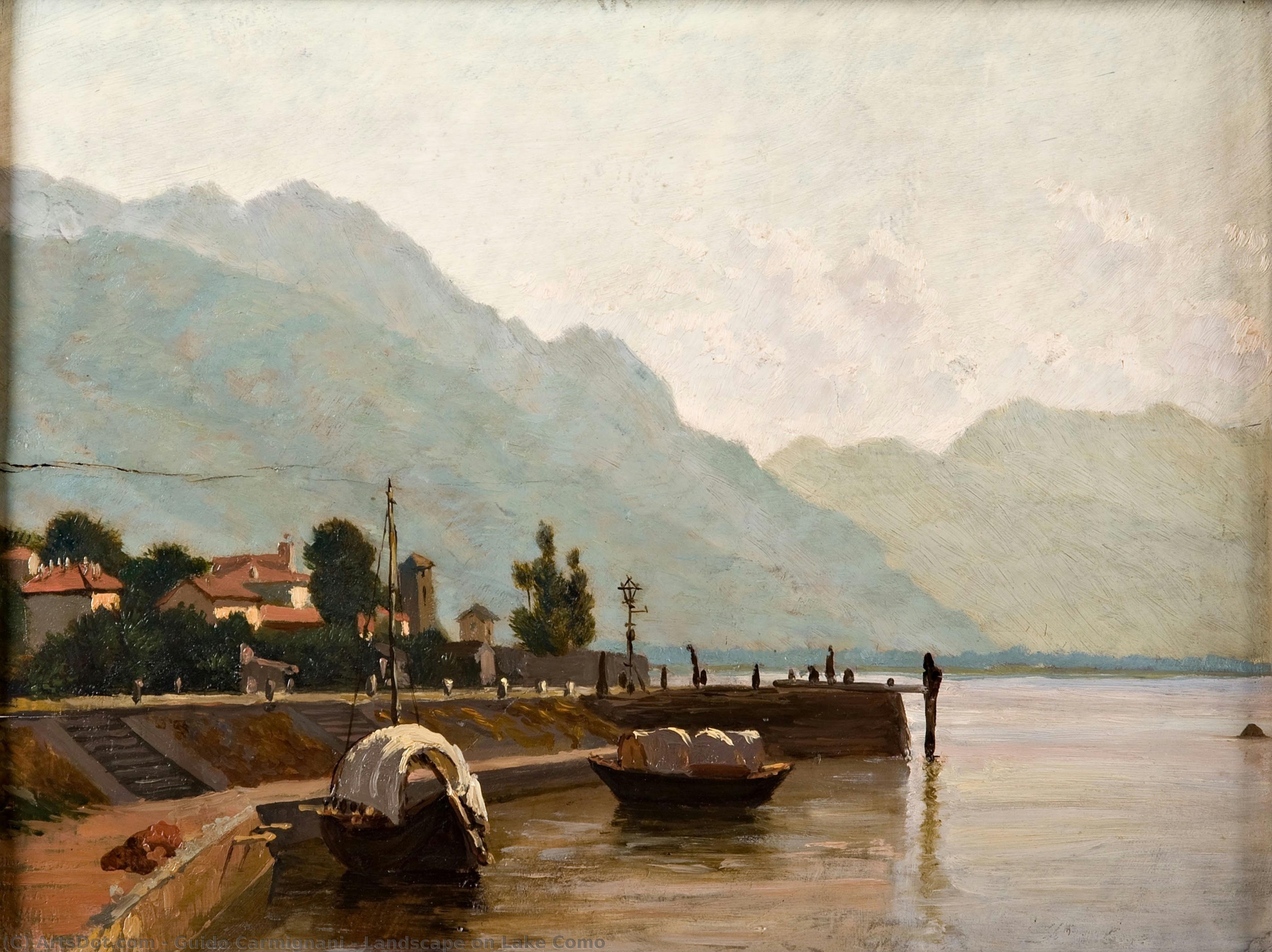
Landscape on Lake Como


 Összes részlet megjelenítése
Giclée / Műnyomat
Múzeumi minőségű giclée vagy vászonnyomat, gyors gyártással és rugalmas finomítási lehetőségekkel. ( Kézzel festett másolat rendelése Áttérés digitális képre)




































Válasszon előre meghatározott méreteink közül, amelyek megfelelnek a műalkotás eredeti arányainak.

Írja be a keretének vagy a falának megfelelő szélességet és magasságot. A nyomatot csak le lehet vágni, soha nem tehető nagyobbá, mint az eredeti kép, így egy eltérő alakú méretnél a kép egy része elveszik. Mielőtt bármit kinyatintanánk, küldünk egy digitális próbamodellt jóváhagyásra. Az oldalon látható kép nem tartalmazza a valós levágást — ezt csak a próbamodell mutatja meg.
Világszerte történő kiszállítás területére mindössze 2 hét alatt, a szokásos 4-5 hét helyett. (5 november)

Ingyenes globális expressz szállítás

Prémium minőségű len vászon

Teljes körű szállítási biztosítás

Vámvisszatérítési Garancia

Hiteles színarányosság garancia

100 napos visszaküldési lehetőség (csak hibás termékek esetén)

100% pénzvisszatérítési garancia

Több darab vásárlásakor kedvezmény
 Az üvegkeretes opció csak 110 cm alatti méretben érhető el

Landscape on Lake Como
Giclée / Műnyomat
Reprodukció mérete
-


Összesített ár
Ft 26492
A művész életrajza
The Soul of the Italian Landscape: The Life of Guido Carmignani
Guido Carmignani (1838-1909) remains a profound, though perhaps understated, voice in the grand chorus of nineteenth-century Italian landscape painting. Born in the historic city of Parma, his very existence was woven into the fabric of artistic tradition. He was the son of Giulio Carmignani, a skilled typographer and painter whose early tutelage provided Guido with more than just technical instruction; he inherited a deep-seated reverence for the interplay of light and shadow. This foundational connection to his father’s craft ensured that from his earliest years, Carmignani viewed the world not merely as a collection of objects, but as a canvas of shifting atmospheric possibilities.
The trajectory of Carmignani's career was irrevocably altered by his journey to Paris in 1860. This period of immersion in the French capital allowed him to encounter the transformative energies of the era’s most influential masters. He found himself captivated by the delicate, poetic landscapes of Jean-Baptiste-Camille Corot and the meticulous academic precision of Jean-Léon Gérôme. From Corot, he learned the art of the subtle tonal gradation—the ability to capture a fleeting moment of dusk or the soft haze of a morning mist. This Parisian sojourn infused his Italian roots with a new, luminous sensibility, blending a rigorous dedication to realism with an almost Impressionistic pursuit of light.
Mastery of Light and the Italian Vedute
Upon returning to Italy, Carmignani’s work became a celebrated tribute to his native landscapes and the broader beauty of the Italian peninsula. He possessed a rare ability to render vedute—detailed views of cities and scenery—that felt both geographically accurate and emotionally resonant. His canvases often focused on the lush, verdant regions surrounding Parma and the serene, crystalline waters of Lake Como. In works such as “At the Bridge Dattaro near Parma,” one can witness his technical prowess; he does not merely paint a bridge or a river, but rather the way the golden afternoon sun strikes the stone and dances upon the moving water.
His technique was characterized by an effortless brushwork that never sacrificed detail. While he embraced a certain fluidity in his oil sketches, he remained committed to the precise depiction of textures—the roughness of a barge's wood, the weight of grain sacks, or the delicate movement of foliage. This balance between spontaneous expression and meticulous observation allowed him to capture the palpable essence of his subjects, making the viewer feel the warmth of the sun or the coolness of a mountain breeze.
A Legacy of Pedagogy and Influence
Beyond his individual contributions to the canvas, Carmignality played a vital role in shaping the next generation of Italian artists. His academic prestige led him to teach landscape painting at the Parma Academy beginning in 1862, and later, he achieved the esteemed position of professor at the Brera Academy in Milan in 1877. It is a testament to his influence that one of his most notable pupils was the celebrated painter Giovanni Segantini, who would go on to become a master of the Divisionist movement.
The historical significance of Guido Carmignani lies in his ability to bridge the gap between traditional academic realism and the burgeoning modern interest in atmospheric light. His work serves as a vital link in the evolution of Italian landscape art, preserving the dignity of the vedute tradition while embracing the emotive power of color and light. Today, his paintings remain cherished windows into a nineteenth-century Italy, offering a timeless glimpse into the quiet majesty of the natural world.
Guido Carmignani
1838 - 1909 , Italy
Rövid információk
- Full Name: Guido Carmignani
- Nationality: Italian
- Date Of Birth: 1838
- Date Of Death: 1909
- Place Of Birth: Parma, Italy
- Notable Artworks:
- At the bridge Dattaro near Parma
- The Ducal Garden in the mid-18th Century
- Landscape on Lake Como
- Artistic Movement Or Style: Landscape painting
- Artists Who Influenced This Artist:
- Alberto Pasini
- Corot
- Artists Or Movements Influenced By This Artist: ['Pier Giuseppe Ferrarini']