

 Előnézet
 Megosztás
 Megosztás
 Részletek
 Útmutató

 Letöltés
 Hasonló darabok
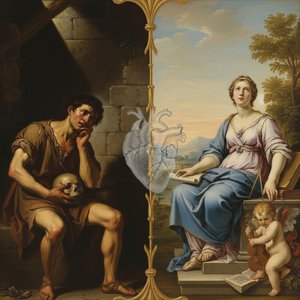
 X-ray felvétel
 Diavetítés
 Statisztika
Susanna and the Elders
 Acrylic On Canvas
- WallArt
- Baroque Painting
 133.0 x 181.0 cm
 Palazzo della Pilotta
 Tovább olvasom
Giclée / Műnyomat
Múzeumi minőségű giclée vagy vászonnyomat, gyors gyártással és rugalmas finomítási lehetőségekkel. ( Kézzel festett másolat vásárlása Áttérés digitális képre)




P118B Ft10

P118H Ft10

P118W Ft10

P438Z Ft10

P508JH Ft12

P508YH Ft12

P805H Ft10

P805Z Ft10

P919BZ Ft10

P919G Ft10

P919XJ Ft10

P959ZH Ft10

P968JZ Ft12

W106C Ft8

W218G Ft10

W218JH Ft8

W218Y Ft10

W307PJ Ft10

W316G Ft10

W316PJ Ft8

W316Y Ft10

W398PJ Ft8

W4111J Ft10

W500HY Ft15

W500JH Ft15

W692G Ft12

W849H Ft8

W940BG Ft15

W953PJ Ft8




Válasszon előre meghatározott méreteink közül, amelyek megfelelnek a műalkotás eredeti arányainak.

Megadhat saját méreteket is egy konkrét kerethez vagy helyszínhez igazítva. Amennyiben a kiválasztott méret nem egyezik az eredeti kép arányokkal, a műalkotást le fogjuk vágni, vagy kiegészítjük a képet tükrözött vagy egyszínű szélekkel. A gyártás megkezdése előtt egy digitális tervezetet küldünk jóváhagyásra.
Kérjük, vegye figyelembe, hogy a képernyőn látható előnézet nem tükrözi a tényleges levágást vagy kiegészítést. Csak a tervezet mutatja pontosan a végső kompozíciót.
Bár az egyedi méretek is elérhetőek, az eredeti arányok megőrzése érdekében azt javasoljuk, hogy válasszon a előre meghatározott listából származó méretet.
Világszerte történő kiszállítás területére mindössze 2 hét alatt, a szokásos 4-5 hét helyett. (7 október)

Ingyenes globális expressz szállítás

Prémium minőségű len vászon

Teljes körű szállítási biztosítás

Vámvisszatérítési Garancia

Tökéletes színarányosság garancia

100 napos visszaküldési garancia (csak gyártási hibás termékek esetén)

100% pénzvisszatérítési garancia

Több darab vásárlásakor kedvezmény
 Az üvegkeretes opció csak 110 cm alatti méretben érhető el

Susanna and the Elders
Giclée / Műnyomat
Reprodukció méretei
-


Összesített ár
Ft 25011
The Dramatic Narrative of Susanna and the Elders
Guercino’s “Susanna and the Elders,” painted around 1650, isn't merely a biblical scene; it’s a visceral exploration of virtue under duress, a masterful demonstration of Baroque drama, and a testament to the artist’s profound understanding of human psychology. The painting depicts a pivotal moment from the Book of Daniel – Susanna, a young woman renowned for her innocence and beauty, is falsely accused by two lecherous elders who have been captivated by her modest bathing habits. The composition immediately plunges the viewer into a world of heightened emotion: Susanna, rendered in a luminous white gown, sits poised on a simple stone ledge, her gaze directed heavenward with an expression of serene dignity and quiet apprehension. The stark contrast between her purity and the shadowed figures looming above her creates an immediate tension, hinting at the impending threat to her reputation and life.
- The Story’s Roots: The narrative itself is a potent allegory – Susanna represents chastity and virtue, while the elders embody lust and deceit. The story's enduring appeal lies in its exploration of moral temptation and the vulnerability of innocence against manipulative forces.
- Baroque Drama: Guercino was a master of dramatic lighting and composition, techniques central to the Baroque style. Notice how he uses chiaroscuro – the sharp contrast between light and dark – to sculpt Susanna’s form and emphasize her isolation within the scene. The deep shadows enveloping the elders heighten their sinister presence, while the soft glow illuminating Susanna underscores her virtue.
A Study in Technique: Guercino's Distinctive Style
Guercino’s artistic approach is immediately recognizable – a blend of meticulous detail and expressive dynamism. He was known for his incredibly detailed drawings, which informed his painting style, resulting in figures with remarkably realistic musculature and drapery. Observe the intricate folds of Susanna's gown, rendered with painstaking precision, as well as the subtle textures of the stone ledge beneath her. The artist’s use of color is equally noteworthy; he employs a palette dominated by muted earth tones – ochres, browns, and grays – punctuated by flashes of white for Susanna’s dress and the vibrant reds of the elders' robes. This restrained palette amplifies the emotional impact of the scene, creating a sense of solemnity and gravity.
Key Characteristics:- Detailed Draftsmanship: Guercino was renowned for his preparatory drawings, which demonstrate an extraordinary command of line and form.
- Chiaroscuro Mastery: His skillful manipulation of light and shadow creates a dramatic and emotionally charged atmosphere.
- Expressive Figures: The figures are not merely representations but embodiments of their emotions – Susanna’s serenity, the elders' lustful intent.
Symbolism and Interpretation
Beyond the straightforward narrative, “Susanna and the Elders” is rich in symbolic meaning. The setting itself—a simple stone ledge overlooking a tranquil pool—suggests vulnerability and exposure. The presence of the two elders, shrouded in shadow, represents the forces of temptation that threaten to corrupt innocence. Notably, the scene draws upon the Apocrypha – biblical texts not included in the Hebrew Bible – adding layers of complexity to its interpretation. The inclusion of the skull, a memento mori (reminder of death), subtly underscores the precariousness of Susanna’s situation and the ultimate triumph of virtue over mortality. The phrase “Et in Arcadia ego” (“Also in Paradise I am”) reinforces this theme, reminding us that even in idyllic settings, death is ever-present.
A Timeless Masterpiece: Guercino's Enduring Legacy
“Susanna and the Elders” remains a profoundly moving work of art, captivating viewers with its dramatic intensity, technical brilliance, and enduring moral themes. Guercino’s ability to convey complex emotions through carefully rendered figures and evocative lighting is truly remarkable. Reproductions of this painting continue to inspire admiration for its artistic merit and its poignant exploration of human nature. It stands as a powerful testament to the artist's skill and his profound understanding of the human condition, ensuring its place as a cornerstone of Baroque art.
Gyakran Ismételt Kérdések
Ismertebb műalkotás a „Susanna and the Elders”, Guercino alkotása?
A „Susanna and the Elders”, Guercino alkotása népszerűségi szintje Recognized. Ez a besorolás azt tükrözi, mennyire ismert és elismert ez a mű.
Mely művészhez köthető a "Susanna and the Elders"?
A "Susanna and the Elders" alkotója Guercino. A mű Guercino nevére van katalógusozva.
Milyen nyomtatási méretet javasolunk a(z) „Susanna and the Elders”, Guercino alkotása alkotáshoz?
A "Susanna and the Elders" alkotás esetében a Large nyomtatási méret javasolt. Ugyanakkor ugyanazon arányokban elérhető egyéb méretű változat is.
Milyen helyiségbe javasolt a „Susanna and the Elders”, Guercino alkotása?
A „Susanna and the Elders”, Guercino alkotása ajánlott egy Living Room számára. Ez a javaslat a mű témáján, színein és hangulatán alapul.
Hol vásárolható „Susanna and the Elders”, Guercino alkotása képmű kézzel festett másolata?
A „Susanna and the Elders”, Guercino alkotása kézzel festett reprodukcióját közvetlenül a ez az oldal oldalon is megrendelheti: kézzel festett olajfesték reprodukció lino vászonon, egyedi igényre készítve.
A "Susanna and the Elders" alkotója honában található-e?
Igen – a műmű a művész honcountryjában található. A alkotó Olaszország-ban született; az eredeti mű pedig Olaszország-ban található.
Elérhető-e a "Susanna and the Elders" minőségi nyomtatványként?
A „Susanna and the Elders”, Guercino alkotása nyomtatványa megrendelhető a ez az oldal oldalon: minőségi giclée nyomat pamutvászonon vagy archiváló vászonpapíron.
A művész életrajza
A Life Illuminated by Shadow: The World of Guercino
Giovanni Francesco Barbieri, a name forever linked to dramatic chiaroscuro and profound emotional intensity – known to the world as Il Guercino – was born in Cento, a small town nestled between Ferrara and Bologna, in 1591. His life’s journey began not within the grand halls of formal academies, but through an innate artistic talent that quickly outstripped conventional training, a path illuminated by an understanding of light and shadow unlike any other. His nickname, “Il Guercino,” wasn't simply a descriptive term; it was a reflection of his physical characteristic – a slight squint in his eyes – yet it became synonymous with the unique vision he brought to Baroque painting.Early Influences: Caravaggio and the Bolognese School
Guercino’s early artistic development was profoundly shaped by two key figures: Caravaggio and the Bolognese School, particularly Ludovico Carracci. His initial works were deeply indebted to Caravaggio's revolutionary naturalism – a stark contrast of light and dark, a gritty realism that shocked and captivated audiences. Paintings like *Amnon and Tamar* exemplify this early period; they are not idealized depictions but raw, honest portrayals of biblical narratives filled with psychological depth. However, Guercino wasn’t content to remain solely within the orbit of Caravaggism. He recognized the strengths of the Bolognese School, particularly Ludovico Carracci's emphasis on classical composition and harmony. The influence of Carracci is evident in his early frescoes for Casa Pannini in Cento – landscapes rendered with a remarkable sense of depth and atmosphere, foreshadowing the dramatic vistas that would become hallmarks of his later work. This initial exposure to both Caravaggio’s dynamism and Carracci's balance laid the foundation for his distinctive style, a synthesis of intense emotion and carefully considered form.A Shifting Palette: From Darkness to Light
During the 1630s, Guercino underwent a significant stylistic transformation – a deliberate shift away from the harsh tenebrism of Caravaggio towards a more luminous and balanced approach. This wasn’t merely a change in technique; it reflected a deeper engagement with classical ideals and a desire to create works that were not only emotionally powerful but also aesthetically refined. He began to soften his palette, incorporating warmer tones and introducing a greater sense of spatial depth. This transition is beautifully illustrated in paintings like *The Return of the Prodigal Son*, where the figures are bathed in a golden light, conveying both vulnerability and redemption. Contemporary critics noted this change, suggesting that Guercino had abandoned the “dark” palette in favor of one that was more pleasing to the eye. However, it’s important to recognize that this wasn't a rejection of Caravaggio but rather an evolution – a masterful blending of influences that resulted in a uniquely personal style.Biblical Narratives and Emotional Resonance
Guercino consistently turned to biblical narratives for inspiration throughout his career, yet he didn’t simply illustrate these stories; he imbued them with a profound sense of human drama and emotional resonance. His figures are not idealized saints but flawed individuals grappling with faith, doubt, remorse, and redemption. *The Vocation of Saint Aloysius Gonzaga* is a prime example – a powerful depiction of religious awakening rendered with breathtaking skill and sensitivity. He captured the internal struggles of his subjects with remarkable insight, portraying moments of profound spiritual crisis alongside scenes of joyous conversion. Guercino’s ability to convey the inner lives of his figures—their hopes, fears, and desires—set him apart from many of his contemporaries. He understood that true piety wasn't about outward displays of devotion but about the internal battles and sacrifices that defined a life dedicated to faith. This psychological depth, combined with his masterful use of light and shadow, created paintings that were both visually stunning and emotionally compelling. He didn’t shy away from portraying difficult or unsettling moments, believing that these were essential to understanding the complexities of the human condition.A Lasting Legacy: Rediscovery and Influence
Despite facing periods of relative obscurity, Guercino's work has been steadily rediscovered and celebrated in recent decades. The tireless efforts of art historian Sir Denis Mahon played a pivotal role in restoring his reputation, meticulously researching his life, career, and patronage through close analysis of seventeenth-century Italian literature. Mahon’s research revealed the breadth of Guercino’s artistic output – from monumental frescoes to intimate portraits and exquisite drawings – demonstrating that he was far more than just a follower of Caravaggio. Today, his paintings grace the halls of prestigious museums around the world—from the Pinacoteca Nazionale in Ferrara to the National Gallery of Art in Washington D.C.—serving as a testament to his enduring artistic genius. His legacy extends beyond technical skill and stylistic innovation; it’s about the power of art to connect us to our shared humanity, to explore the complexities of faith and doubt, and to illuminate the enduring mysteries of the human heart.- Museums and Collections: Guercino’s works grace the halls of institutions like the Pinacoteca Nazionale (Ferrara), the Palazzo Brignole-Sale (Genoa), and the Galleria Spada (Rome).
- Chiaroscuro Master: His dramatic use of light and shadow remains a defining characteristic of his style.
- Biblical Storyteller: He brought biblical narratives to life with unparalleled emotional depth and psychological insight.

Guercino
1591 - 1666 , Olaszország
Gyors információk
- Artistic Movement Or Style: Barokk
- Artists Or Movements Influenced By This Artist: ['Caravaggio']
- Artists Who Influenced This Artist: ['Ludovico Carracci']
- Date Of Birth: Feb 8, 1591
- Date Of Death: Dec 22, 1666
- Full Name: Giovanni Francesco Barbieri
- Nationality: Olasz
- Notable Artworks:
- Amnon és Tamar
- A kegyes fiúk visszatérése
- Szent Alajos hívása
- Place Of Birth: Cento, Olaszország
Kapcsolódó cikkek

The Visceral Stage: Exploring Dramatic Narratives & Emotional Intensity in Baroque Art
Explore the dramatic world of Baroque art! Discover iconic masters like Caravaggio & Rembrandt, their techniques, and the movement's lasting impact. Expert insights for collectors & enthusiasts at OriginalUniqueArt.

A Barokk Mesterek 10 Legikonikusabb Remekműve – OriginalUniqueArt.com
Fedezze fel a barokk művészet 10 legpártosabb remekművét! Caravaggio, Rembrandt és Vermeer alkotásainak története – OriginalUniqueArt.com kínálatában exkluzív reprodukciók és inspiráló dekorációs ötletek várják Önt. Nézze meg most!
Guercino: A Baroque Master Between Caravaggism & Classicism – Exploring Innovation & Emotional Depth
Explore the captivating world of Guercino, a Baroque master bridging Caravaggism & Classicism. Discover his dramatic chiaroscuro, emotional depth, and lasting influence on art history with OriginalUniqueArt.

The Dramatic Flourish: Exploring the Baroque Movement's Enduring Legacy in Art History
Explore the dramatic world of Baroque art! Discover iconic artists like Caravaggio & Rubens, defining techniques, and its lasting impact on art history. Expert insights for collectors & enthusiasts at OriginalUniqueArt.

Barokk dráma: A nagyság és az érzelem bevonása a kortárs belső terekbe
Fedezze fel a barokk stílus nagyságát és drámáját! Ismerje meg a belsőépítészet jellegzetességeit, inspirálódjon híres enteriőrökből, és valósítsa meg álmai luxus otthonát szakértő útmutatásunkkal.