Megtekintés
 Küldés
 Megosztás
 Részletek
 Útmutató

 Letöltés
 Hasonló darabok
 X-ray felvétel
 Diavetítés
 Kérdések és válaszok
 Statisztika
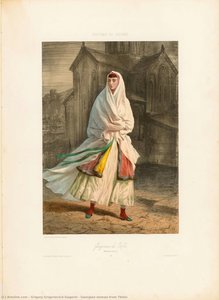
Mingrelian Herceg

- 59.0 x 42.0 cm


 Összes részlet megjelenítése
Giclée / Műnyomat
Múzeumi minőségű giclée vagy vászonnyomat, gyors gyártással és rugalmas finomítási lehetőségekkel. ( Kézzel festett másolat rendelése Áttérés digitális képre)




P118B Ft10

P118H Ft10

P118W Ft10

P438Z Ft10

P508JH Ft12

P508YH Ft12

P805H Ft10

P805Z Ft10

P919BZ Ft10

P919G Ft10

P919XJ Ft10

P959ZH Ft10

P968JZ Ft12

W106C Ft8

W218G Ft10

W218JH Ft8

W218Y Ft10

W307PJ Ft10

W316G Ft10

W316PJ Ft8

W316Y Ft10

W398PJ Ft8

W4111J Ft10

W500HY Ft15

W500JH Ft15

W692G Ft12

W849H Ft8

W940BG Ft15

W953PJ Ft8




Válasszon előre meghatározott méreteink közül, amelyek megfelelnek a műalkotás eredeti arányainak.

Írja be a keretének vagy a falának megfelelő szélességet és magasságot. A nyomatot csak le lehet vágni, soha nem tehető nagyobbá, mint az eredeti kép, így egy eltérő alakú méretnél a kép egy része elveszik. Mielőtt bármit kinyatintanánk, küldünk egy digitális próbamodellt jóváhagyásra. Az oldalon látható kép nem tartalmazza a valós levágást — ezt csak a próbamodell mutatja meg.
Világszerte történő kiszállítás területére mindössze 2 hét alatt, a szokásos 4-5 hét helyett. (3 november)

Ingyenes globális expressz szállítás

Prémium minőségű len vászon

Teljes körű szállítási biztosítás

Vámvisszatérítési Garancia

Hiteles színarányosság garancia

100 napos visszaküldési lehetőség (csak hibás termékek esetén)

100% pénzvisszatérítési garancia

Több darab vásárlásakor kedvezmény
 Az üvegkeretes opció csak 110 cm alatti méretben érhető el

Mingrelian Herceg
Giclée / Műnyomat
Reprodukció mérete
-


Összesített ár
Ft 26538
Mingrelian Prince - A Portrait of Caucasus Spirit
Grigory Grigorievich Gagarin (1810-1893), a Russian painter, diplomat & administrator, stands as a pivotal figure in 19th-century Russian art. Born in Saint Petersburg to the noble Rurikid princely gagarin family, his artistic journey began with private lessons from Karl Briullov, shaping him into a master of capturing human emotion and regional landscapes. Gagarin’s legacy extends beyond individual canvases; he profoundly influenced the cultural landscape of Georgia through monumental projects like the Tbilisi Sioni Cathedral fresco and the restoration of ancient Georgian cathedrals—a testament to his dedication to preserving artistic heritage.- Subject Matter: The painting depicts a Caucasian prince, embodying strength and nobility amidst the rugged beauty of the Caucasus Mountains. Gagarin meticulously rendered the subject’s posture and gaze, conveying an aura of dignity and contemplation.
- Style & Technique: Gagarin adhered to Romanticism's principles, prioritizing emotional expression over strict realism. He employed oil paints on canvas with a masterful brushstroke technique—loose yet controlled—creating textured surfaces that capture the essence of light and shadow.
- Historical Context: Created in 1855 during Mikhail Vorontsov’s governorship of Georgia, Gagarin's work reflects the fascination of the era with ethnographic studies and artistic representations of diverse cultures. Duma’s observations about the Tbilisi Theatre—a building mirroring Pompey Theatre—highlighted Gagarin’s ambition to elevate Georgian culture through architectural grandeur.
- Symbolism: The prince’s stance symbolizes leadership and resilience, mirroring the spirit of the Caucasus region itself – a land known for its dramatic landscapes and proud traditions. Gagarin skillfully utilized color palettes to evoke feelings of serenity and majesty, enhancing the painting's emotional impact.
The Tbilisi Theatre: Inspiration from Roman Antiquity
Alexander Duma’s admiration for the Tbilisi Theatre underscores Gagarin’s artistic vision—a desire to emulate the architectural splendor of Pompey Theatre, symbolizing classical ideals of beauty and grandeur. This deliberate reference demonstrates Gagarin's understanding of artistic influences and his commitment to creating spaces that inspire awe and elevate cultural experience. The theatre’s interior design embodies a harmonious blend of elegance and functionality, reflecting Gagarin’s meticulous attention to detail.Gagarin’s Sketches & Drawings: Capturing Caucasus Landscapes
“The journey to Caucasus” documented Gagarin's explorations of Georgia’s breathtaking scenery—mountains, valleys, and villages—resulting in a series of sketches and drawings that reveal his artistic sensitivity to natural forms. These preparatory studies showcase his ability to translate visual impressions onto paper with remarkable accuracy and expressive nuance. They serve as invaluable insights into Gagarin’s creative process and his profound connection to the Caucasus region's cultural identity.A Legacy Enduring Through Reproduction
Today, a high-quality reproduction of “Mingrelian Prince” offers art enthusiasts a chance to experience Gagarin’s artistic brilliance—a masterpiece that encapsulates Romantic ideals and celebrates Georgian heritage. OriginalUniqueArt.com presents this iconic artwork with exceptional care, ensuring its beauty and significance are preserved for generations to come. Explore the collection of Taganrog Art Museum and delve deeper into Russian art history – discover more about Gagarin's contribution to artistic expression!Kérdések és válaszok
Milyen anyagból készült a "Mingrelian Herceg"?
Gagarin Gergely Grigórievics a Akril vászonon technikát alkalmazta a "Mingrelian Herceg" alkotáshoz. A technika határozza meg az eredeti mű anyagösszetételt.
Melyik szobához ajánlott a „Mingrelian Herceg”, Gagarin Gergely Grigórievics alkotása?
A „Mingrelian Herceg”, Gagarin Gergely Grigórievics alkotása ajánlott egy Nappali számára. Ez a javaslat a mű témáján, színein és hangulatán alapul.
Milyen fényerő ébreszt fel „Mingrelian Herceg”, Gagarin Gergely Grigórievics alkotása alkotást?
A megjelenő fényerő tekintetében a „Mingrelian Herceg”, Gagarin Gergely Grigórievics alkotása művének ragyogó.
A művész életrajza
Grigory Gagarin (1810 - 1893)
Grigory Grigorievich Gagarin (1810 – 1893) was a prominent russian painter, major general, and administrator who left an indelible mark on the artistic landscape of his era. Born into the noble Rurikid princely Gagarin family—a lineage steeped in russian aristocratic tradition—his early life unfolded amidst the intellectual ferment of Saint Petersburg, where he received formative training under the tutelage of karl briullov, arguably russia’s most celebrated painter of the Romantic period. This mentorship profoundly shaped his artistic sensibilities and established a cornerstone for his subsequent creative endeavors. ### Artistic Training & Early Influences Despite lacking formal academic qualifications, Gagarin's passion for art was nurtured by briullov’s guidance—a connection that would prove pivotal in shaping his distinctive style. Briullov’s emphasis on capturing emotion and dramatic composition instilled in Gagarin a deep appreciation for expressive painting techniques. Furthermore, Gagarin’s exposure to italian artistic culture during his childhood years – specifically the vibrant atmosphere of sienaa – broadened his horizons and fostered an interest in diverse visual traditions. These formative influences would permeate his oeuvre throughout his life. ### Literary Connections & Illustrative Achievements Gagarin's artistic career intersected seamlessly with russia’s literary elite, forging enduring bonds with figures such as alexander pushkin and mikhail lermontov. He undertook the ambitious task of illustrating pushkin’s masterpieces—namely “the queen of spades” and “the tale of tsar saltan”—demonstrating his meticulous attention to detail and his ability to convey narrative depth through visual imagery. His illustrations served not merely as decorative embellishments but as integral components of conveying the spirit and essence of these literary classics. ### Portraiture & Regional Studies: A Distinctive Vision Gagarin’s artistic output is characterized by a singular focus on portraiture—particularly depictions of caucasian peoples—and an unwavering fascination with documenting regional cultures. His canvases capture the grandeur and complexity of landscapes, as well as the nuanced expressions of human subjects. Notable works include “caucasian prince,” “circassian woman,” “a prist from armenia,” “kurds from ararat,” and “georgian man”—each piece reflecting his profound understanding of russian artistic conventions and his commitment to portraying authentic cultural representations. ### Military Service & Administrative Roles Beyond his artistic pursuits, Gagarin distinguished himself as a military officer—serving with distinction in the russian army and holding positions within russia’s diplomatic corps. His travels extended across europe, including paris, rome, and munich, providing him with invaluable experience and broadening his worldview. He ascended to the rank of major general, demonstrating leadership qualities and furthering his involvement in russian governance. Gagarin's multifaceted accomplishments cemented his legacy as a cultural icon—a testament to the harmonious blend of artistic talent and public service that defined russia’s golden age. ### Legacy & Museums Featuring His Artworks Today, grigory gagarin’s paintings reside in prestigious museums worldwide—most notably the art palace of georgia - museum of cultural history in tbilisi, georgia—where “caucasian prince,” “circassian woman,” “a prist from armenia,” “kurds from ararat,” and “georgian man” continue to captivate audiences. His artistic legacy endures as a symbol of russian Romanticism—a movement characterized by emotional intensity, dramatic storytelling, and an unwavering devotion to capturing the beauty and grandeur of the natural world.
Gagarin Gergely Grigórievics
1810 - 1893 , Oroszország
Rövid információk
- Artistic Movement Or Style: Romanticism
- Artists Who Influenced This Artist: ['Karl Briullov']
- Date Of Birth: May 29 April 1810
- Date Of Death: January 30 January 1893
- Full Name: Grigory Grigorievich Gagarin
- Nationality: Russian
- Notable Artworks:
- Caucasian Prince
- Circassian Woman
- A Priest from Armenia
- Kurds from Ararat
- Georgian Man
- Place Of Birth: Saint Petersburg, Russia
Kapcsolódó cikkek

Mikhail Nesterov: Spiritual Quests & Symbolic Landscapes of Russian Symbolism
Explore the captivating world of Mikhail Nesterov, a pioneer of Russian Symbolism. Discover his spiritual themes, iconic paintings like 'The Hermit,' and lasting influence on Russian art history. Learn more at OriginalUniqueArt.

Victor Vasnetsov: Myth, Nationalism & the Revival of Russian Fairy Tale Painting
Explore the captivating world of Victor Vasnetsov, a co-founder of Russian folklorist painting. Discover his iconic works, influence on national identity, and lasting legacy in this expert guide.
Alexei Bogolyubov: Bridging Realism & Romanticism in the Russian Landscape Tradition
Explore the captivating world of Alexei Bogolyubov, a master of Russian Realism & Romanticism. Discover his stunning landscapes, maritime scenes, and lasting influence on 19th-century art. Learn more at OriginalUniqueArt.

Vladimir Makovsky: Realism, Social Commentary & Russian Life in Late 19th-Century Painting
Explore the captivating world of Vladimir Makovsky, a leading Russian realist painter. Discover his insightful depictions of 19th-century life, social commentary & legacy with OriginalUniqueArt.

Ivan Bilibin: A Synthesis of Folklore, Modernism & National Identity in Russian Illustration
Explore the enchanting world of Ivan Bilibin, a master Russian illustrator who synthesized folklore, Art Nouveau & national identity. Discover his iconic fairy tale illustrations and legacy with OriginalUniqueArt.