Text size

() ·

A painting made for you, by hand

Értünk itt a Borzom

Kézzel készített olajfestmény reprodukció

Kézzel festett olajvastú vászon, az Ön által választott méretben és keretben, művészeink készítik meglévőre. ( Váltás nyomtatványra Áttérés digitális képre)

A gyűjtemény leírása

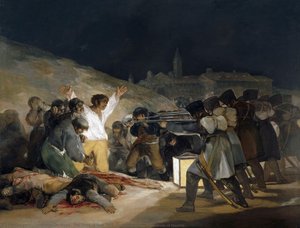
Egy Francisco Goya szomorú és félelmetes alkotása, mely egy nő és két gyermek jelenét ábrázolja egy borzom maszkkal körülvéve. Fedezd fel a romantikus Görjá művészi örökségének részleteit!

A művész életrajza

Goya (1746-1828): Spanyol festő, a romantika úttörője, a háború borzalmait és társadalmi kritikát ábrázolta. A 'Disasters of War' sorozata ikonikus! #goya #spanyolművészet

from ·

Chapter 1

How large should it be?

Slide to change the size; the picture on the left shows the frame at its real width. The proportions of the original are kept.

Standard méret
egyedi méretű
CM
INCH

Válasszon előre meghatározott méreteink közül, amelyek megfelelnek a műalkotás eredeti arányainak.

szélesség
magasság

Írja be a kívánt szélességet és magasságot, hogy illeszkedjen a keretéhez vagy a falához. Mivel ez kézzel festett alkotás, egy eltérő formájú méret esetén a művész akár festhet is valamivel többet a kép körül, vagy korolathat is belőle — az Ön döntésének megfelelően. A festés megkezdése előtt küldünk egy digitális tervezetet jóváhagyásra. Az oldalon látható kép nem tartalmazza a végeredményt — csak a tervezet mutatja meg a valódi eredményt.

Chapter 2

How should it arrive?

Choose the edges of the stretched canvas

Choose your frame

Corner sample of the WhiteWrap canvas edge finish, stretched on tömörfa bars
White Ft1
Corner sample of the BlurSideWrap canvas edge finish, stretched on tömörfa bars
Blurside Ft1
Corner sample of the ExtendedWrap canvas edge finish, stretched on tömörfa bars
Extended Ft1
Corner sample of the P118B picture frame: formázott polisztirol, 5 cm wide and 3 cm thick
P118B Ft10
Corner sample of the P118H picture frame: formázott polisztirol, 5 cm wide and 3 cm thick
P118H Ft10
Corner sample of the P118W picture frame: formázott polisztirol, 5 cm wide and 3 cm thick
P118W Ft10
Corner sample of the P438Z picture frame: formázott polisztirol, 5.5 cm wide and 3.5 cm thick
P438Z Ft10
Corner sample of the P508JH picture frame: formázott polisztirol, 7 cm wide and 3.5 cm thick
P508JH Ft12
Corner sample of the P508YH picture frame: formázott polisztirol, 7 cm wide and 3.5 cm thick
P508YH Ft12
Corner sample of the P805H picture frame: formázott polisztirol, 5 cm wide and 3.5 cm thick
P805H Ft10
Corner sample of the P805Z picture frame: formázott polisztirol, 5 cm wide and 3.5 cm thick
P805Z Ft10
Corner sample of the P919BZ picture frame: formázott polisztirol, 7 cm wide and 3.5 cm thick
P919BZ Ft10
Corner sample of the P919G picture frame: formázott polisztirol, 7 cm wide and 3.5 cm thick
P919G Ft10
Corner sample of the P919XJ picture frame: formázott polisztirol, 7 cm wide and 3.5 cm thick
P919XJ Ft10
Corner sample of the P959ZH picture frame: formázott polisztirol, 5 cm wide and 3 cm thick
P959ZH Ft10
Corner sample of the P968JZ picture frame: formázott polisztirol, 6 cm wide and 4 cm thick
P968JZ Ft12
Corner sample of the W106C picture frame: tömörfa, 5 cm wide and 3 cm thick
W106C Ft8
Corner sample of the W218G picture frame: tömörfa, 5 cm wide and 3 cm thick
W218G Ft10
Corner sample of the W218JH picture frame: tömörfa, 5 cm wide and 3 cm thick
W218JH Ft8
Corner sample of the W218Y picture frame: tömörfa, 5 cm wide and 3 cm thick
W218Y Ft10
Corner sample of the W307PJ picture frame: tömörfa, 6 cm wide and 3 cm thick
W307PJ Ft10
Corner sample of the W316G picture frame: tömörfa, 6 cm wide and 3 cm thick
W316G Ft10
Corner sample of the W316PJ picture frame: tömörfa, 6 cm wide and 3 cm thick
W316PJ Ft8
Corner sample of the W316Y picture frame: tömörfa, 6 cm wide and 3 cm thick
W316Y Ft10
Corner sample of the W398PJ picture frame: tömörfa, 5 cm wide and 3 cm thick
W398PJ Ft8
Corner sample of the W4111J picture frame: tömörfa, 6.5 cm wide and 3.5 cm thick
W4111J Ft10
Corner sample of the W500HY picture frame: tömörfa, 7 cm wide and 5 cm thick
W500HY Ft15
Corner sample of the W500JH picture frame: tömörfa, 7 cm wide and 5 cm thick
W500JH Ft15
Corner sample of the W692G picture frame: tömörfa, 8 cm wide and 4 cm thick
W692G Ft12
Corner sample of the W849H picture frame: tömörfa, 5 cm wide and 3 cm thick
W849H Ft8
Corner sample of the W940BG picture frame: tömörfa, 7.5 cm wide and 4.5 cm thick
W940BG Ft15
Corner sample of the W953PJ picture frame: tömörfa, 6 cm wide and 3.5 cm thick
W953PJ Ft8
Corner sample of the H24-GOLD picture frame: faragott fa gesszóval, 10 cm wide and 6 cm thick
H24-GOLD Ft30
Corner sample of the H24-SILVER picture frame: faragott fa gesszóval, 10 cm wide and 6 cm thick
H24-SILVER Ft30
Corner sample of the H36-GOLD picture frame: faragott fa gesszóval, 15 cm wide and 6.5 cm thick
H36-GOLD Ft45
Corner sample of the H36-SILVER picture frame: faragott fa gesszóval, 15 cm wide and 6.5 cm thick
H36-SILVER Ft45

Moulding: . Overall size with the frame: .

Chapter 3

Who paints it, and should anything change?

Examples of what can be changed: Replace face with customer photo; Add pet (e.g., replace cat with dog); Include hidden message in background; Change background landscape or elements.
After order, OriginalUniqueArt.com team will email client for instructions and provide a mockup preview

Világszerte elérhető szállítás () 3-4 hét alatt a szokásos 5 hét helyett. (2 november). A minőség nem kérdőjelezhető.

Chapter 4

The finishing touches

A nameplate, as in a museum?

A gravírozott bronztábla részletei

This elegant plaque features the artist's name and the title of the artwork, finely engraved for a timeless presentation.

It is made from bronze with a refined, elegant finish. The text is precisely laser-engraved for a sharp and permanent result. Measuring 9x2 cm, the plaque is compact yet easy to read. It's built to be durable and scratch-resistant, offering a professional, museum-quality look. Mounting is simple thanks to the included adhesive backing.

Átlátszó akril tábla részletei

The plaque includes essential engraved details such as the artist's name, the title of the artwork, the date it was created, the type of media used-like oil on canvas or watercolor-a brief description of the piece, and a QR code that links to the complete artwork information.

It is crafted from clear acrylic, offering a sleek, modern appearance. The text is UV-engraved in black to ensure strong visual contrast. With a size of 10x15 cm, it ensures optimal readability. It comes equipped with two metal hooks for secure wall mounting. The plaque is designed to be weather-resistant, making it suitable for various environments, and it includes interactive features that work seamlessly with smartphone scanning.

Fekete akril tábla részletei

This elegant plaque includes engraved information such as the artist's name, the title of the artwork, the date it was created, the type of media used (like oil on canvas or watercolor), a short description of the artwork, and a QR code for quick access to more information.

The plaque itself is made from refined black acrylic with a premium finish. The text is laser-engraved in white for high contrast and readability. Its size is 10x15 cm, designed to be easy to read. It comes with two metal hooks for professional mounting. The design is sleek and fits any interior style. It is also weather-resistant and durable, with built-in digital integration for mobile compatibility.

A protective varnish?

When do you need it?

Chapter 5

Your painting, as you ordered it

Értünk itt a Borzom

Reprodukciós technika

Reprodukció mérete

-

Kiváló mesterművész

Nagyobb részletesség, finomság és bővített gyártási idő

-

Reprodukció keretezése

-

-

A bármely oldalsó méretét túlszálaló 105 cm (kb. 41 hüvelyk) meghaladó műalkotások vagy reprodukciók esetében a keret összeszerelhető készletként, szétszerelve kerül szállításra. Ez a módszer biztosítja a biztonságos szállítást, és megakadályozza a szállítás során fellépő sérüléseket.

Szakmész összeszerelést igényel – ez nem DIY (önösszeszerelhető) termék.
A készletet egy tapasztalt keretező szakembernek kell összeszerelnie és a vásznat feszítenie kell, fa ragasztó (nem tartalmazza a csomag), vásznfeszítő fogó és szorítók használatával, amelyek a ragasztó száradásáig a keretrészeket egymáshoz vuôngjba tartják. A helytelen összeszerelés vagy a nem egyenletes vásznfeszítés maradandó károsíthatja a műalkotást, és ez nem része a garanciánknak.

  • A készlet tartalmazza az összes tömörfa rudat, pontosan méretre vágva.

  • A mellékelt csavarokkal, valamint a sarokszerekhez szükséges faütő ragasztóval kell összeszerelnie (ez nem tartalmazható a csomagban), így a keretrendezőnek külön kell beszereznie.

  • A csomag nem tartalmazza a szükséges professzionális eszközöket: egy vászonfeszítőt és klipseket a rácsok vízszintes tartásához a ragasztó megszáradásáig.

Fontos:
A sarokcsatlakozásokhoz fánylagra van szükség, a keretrudakat szorítókapcsokkal kell rögzíteni, amíg a rag teljesen meg nem szárad, a kész keretre feszített vászonhoz pedig vászonfeszítő fogat szükséges. Ezek egyike sem található meg a készletben. Kérjük, rendelés előtt győződjön meg róla, hogy rendelkezik tapasztalt keretező szakemberrel.

Névtábla

-

-

Védőréteg (Lakk)

Fényes lakk (intenzívabb színek, védelem a fény és a nedvesség hatása ellen)

-

Műalkotásom egyedi igényre szabása

Példák a módosíthatóságra: az arc kicserélése az ügyfél fotójára; háziállat hozzáadása (pl. macska helyett kutya); rejtett üzenet elhelyezése a háttérben; a háttér tájainak vagy elemeinek megváltoztatása.

-

Sürgős

Világszerte szóló szállítás () mindössze 3-4 hét alatt, a szokásos 5 hét helyett. (2 november). A minőség nem kérdőjelezhető.

-

Express szállítás

Világszerte elérhető szállítás területre 5 héten belül. (9 november).

A szállítás díja tartalmazza

Összesített ár

Ft 98255

Összesített ár Ft 98255

Az üvegkeretes opció csak 110 cm alatti méretben érhető el

Included with every order

  • Ingyenes globális expressz szállítás
  • Prémium minőségű len vászon
  • Teljes körű szállítási biztosítás
  • Vámvisszatérítési Garancia
  • Hiteles színarányosság garancia
  • 100 napos visszaküldési lehetőség (csak hibás termékek esetén)
  • 100% pénzvisszatérítési garancia
  • Több darab vásárlásakor kedvezmény

Egy Szellem Ünnepén – Francisco José de Goya és „Que viene el Coco”

Francisco José de Goya y Lucientes, egy név, amely átível minden művészeti korszakra és szellemi mélységre, egy lenyűgöző paradoxonként mutatkozik meg. Egyrészt ő volt az idő produktuma – mélyen gyökerező hagyományokban – másrészt pedig egy látomásoló artista, aki előfutója lett a modern művészet félelem és kifejezett szabadságának.

Született 1746-ban Fuendetodos faluban, Spanyolországban, Goya útja egy vidéki művészként kezdődött, majd pedig udvari festővé avanzálódott, végül pedig egy emberiség szenvedélyének és társadalmi hanyatlásának kronikálójává vált – ez egy igazán különleges teljesítmény és az őt körülölelő időszak tükröződik meg.

Korai képzése José Luzán y Martinez alatt kezdődött tizennégy éves korában, mely alapokat biztosított számára hagyományos technikákban mielőtt Madridba költözött és Anton Raphael Mengs irányítása alatt finomította tudását, aki az időszak domináns művésze volt a spanyol udvaron. Ez az első periódus pedig alakítás és kompozíció mestersége bizonyítja, ami jól mutatkozik meg korai munkáin – szőnyegek tervezése, melyek kiemelkedő színvonalú műalkotások voltak.

  • Származás és Életkör: Francisco José de Goya y Lucientes (1746-1828), született Fuendetodos faluban, Spanyolországban. Egy kiválóan képzett és sokszínű művész volt, aki több tudományt is elsajátított és jelentős szerepet játszott a spanyol művészet történetében.
  • Stílus: Goya művészi stílusa egyéni és komplex jellegű, mely számos különböző irányzatot ötvözött össze. Egyrészt ő követette el az európai klasszikus hagyományokat, másrészt pedig előfutója lett a romantika és az expresszionizmusnak.
  • Technikák: Goya elsősorban érdemes megközelítése az egyéni művészi érzékiségét tükrözi és számos technikával dolgozott – köztük ötvözővel, rézművészettel és festéssel –, melyeket nagy precizitással és kreativitással alkalmazott.

  • Históriai Kontextus: Goya alkotásai időszámítójának fontos epizódjai voltak az európai történelemnek és tükrözik meg az ő korában zajló társadalmi változásokat és politikai konfliktusokat.

„Que viene el Coco” című alkotásának képe egy rémült nő és két gyermek jelenete, aki egy ágy mellett ülnek, és egy férfi áll föléjük. A férfi maszkot vagy jelzőt visel, ami lehetőségét mutatja rá arra, hogy ő legyen a rémület szimbóluma. Számos más személy szerepel a tájékban is – köztük egy személy az alsó bal sarokban és egy másik pedig jobb oldalra helyezkedik el –, valamint egy tárgy található az alkotás alján, ami lehetőségét mutatja rá egy széken vagy ágytartózkodásra. Az egész kép atmoszférája félelem és nyugtalanság jelzője, ahogy a maszkos férfi közeledik meg hozzájuk.

A művészi alkotás mély érzelmeket vált ki az őrző szemében és egy komplex szellemi problémát vet fel. Egyrészt Goya műve nagyban tükrözi meg az európai művészet történetének legfontosabb kihívásait és gondolatait, másrészt pedig új perspektívákat kínál az emberiség természetének megértéséhez.

Ez a különleges műalkotás egy igazi örökség és egy maradék emlék az európai művészet történelemében. Egy olyan alkotás, amely minden időszakban és kultúrában képes inspirációt nyújtani és megközelíteni.

Kérdések és válaszok

Ismer-e más neveket a "Értünk itt a Borzom" alkotója, Goya?

A „Értünk itt a Borzom” alkotójáról, Goya nevű művészről ismert egyéb nevek között szerepel Goyá, Francisco de Goya, Góya.

Menny amountnyi fényt tűnik úgy vissza a "Értünk itt a Borzom" színei?

A „Értünk itt a Borzom”, Goya alkotása alkotás Érezhető fényesség fényerőséggel rendelkezik. A fényerő azt mutatja meg, hogy a színek mennyire tűnnek visszafényesnek.

Mely művészeti irányba tartozik a „Értünk itt a Borzom”, Goya alkotása?

A „Értünk itt a Borzom”, Goya alkotása művészeti irányata a Romantic Era. Ez a klasszifikáció a művet a kapcsolódó alkotók és alkotások közé sorolja.

More about this painting

Megtekintés AR előnézet Váltás nyomtatványra Áttérés digitális képre Küldés
Részletek Útmutató Kedvencekhez ad Letöltés Hasonló darabok X-ray felvétel Diavetítés Q&A Statisztika

In numbers

  • 1799the year it was painted
  • 29frames to choose from
  • standard sizes, in its own proportions
  • 5weeks to paint and deliver it
Goya

Goya

1746 - 1828, Spanyolország

Quick facts about Goya

  • Artistic Movement Or Style: Romantika
  • Artists Or Movements Influenced By This Artist:
    • Manet
    • Picasso
  • Artists Who Influenced This Artist:
    • Mengs
    • Luzán
  • Date Of Birth: 1746. március 30.
  • Date Of Death: 1828. április 16.
  • Full Name: Francisco José de Goya y Lucientes
  • Nationality: Spanyol
  • Notable Artworks:
    • A sorsok
    • Disasters of War
  • Place Of Birth: Fuendetodos, Spanyolország

A művész életrajza

The Spanish Soul: A Life Forged in Shadow and Light

Francisco José de Goya y Lucientes, a name that echoes through the corridors of art history, embodies a profound paradox – a man simultaneously rooted in the traditions of Old Masters and a visionary who presaged the anxieties and expressive freedom of modern art. Born in 1746 in the unassuming village of Fuendetodos, Spain, Goya’s journey from a provincial artist to court painter, and ultimately, to a chronicler of human suffering and societal decay, is a testament to his extraordinary talent and the turbulent era he navigated. His early training began at fourteen under José Luzán y Martinez, laying a foundational understanding of classical techniques before he moved to Madrid and honed his skills with Anton Raphael Mengs, then the dominant artistic force within the Spanish court. This initial period instilled in him a mastery of form and composition, evident in his early commissions – intricate designs for tapestries depicting lively scenes of everyday life, subtly infused with a distinctly Spanish realism. Marriage to Josefa Bayeu, sister to another painter embedded within the royal circle, further solidified his position within the artistic establishment. These early works, while charmingly executed and technically proficient, offered little indication of the profound emotional depth and unsettling darkness that would characterize much of his later oeuvre.

Ascension and Transformation: From Courtly Grace to Inner Turmoil

Goya’s ascent through the ranks of the Spanish court was a steady climb. He secured a position as a painter to the Royal Chamber in 1786, amassing a string of portrait commissions from the aristocracy and royalty. These portraits are remarkable not merely for their technical brilliance – Goya possessed an uncanny ability to capture likeness with unflinching honesty – but also for their astute psychological insight. He didn’t simply paint what his sitters *looked* like; he revealed something of their character, their vulnerabilities, and even the hidden anxieties that lay beneath their carefully constructed facades. The Countess of Chinchón, for example, is not merely a beautiful woman adorned in elegant attire, but a figure radiating intelligence and perhaps a touch of melancholy. However, beneath this veneer of courtly grace, a significant transformation was taking place within Goya’s soul. In 1793, he suffered a devastating illness – a mysterious affliction that left him profoundly deaf. This event acted as a catalyst, plunging him into a period of intense introspection and isolation, severing his connection to the social life he once enjoyed and forcing him inward towards a darker, more subjective reality. His artistic style underwent a dramatic shift; the bright colors and cheerful scenes of his earlier works were gradually replaced by brooding palettes, loose brushwork, and compositions charged with emotional intensity. He began to explore themes of madness, violence, and the irrational – subjects that would foreshadow the anxieties gripping Europe in the coming decades.

The Dark Visions: Caprichos, Disasters, and Black Paintings

This period of artistic ferment culminated in some of Goya’s most iconic and unsettling works. Los Caprichos, a series of eighty etchings published in 1799, serve as a scathing satire of Spanish society – its follies, superstitions, and moral corruption laid bare with biting wit and unflinching irony. The images are often grotesque yet captivating, populated by witches, monstrous figures, and caricatures of the aristocracy, all rendered with a masterful command of etching techniques. Yet, it was The Disasters of War, created between 1810 and 1820, that truly cemented Goya’s reputation as a fearless chronicler of human suffering. These harrowing etchings depict the brutal realities of the Peninsular War – the atrocities committed by both sides, the starvation, the despair, and the utter devastation inflicted upon the Spanish people. They are not romanticized accounts of battle; they are unflinching portrayals of its horrors, devoid of any glorification or sentimentality. Perhaps most profoundly disturbing are The Black Paintings, a series of fourteen murals Goya painted directly onto the walls of his Quinta del Sordó (the Deaf Man’s Villa) between 1819 and 1823. These works – including the terrifying Saturn Devouring His Son and the haunting Asmodea – represent a descent into the darkest recesses of the human psyche, expressing themes of despair, madness, and existential dread with unparalleled intensity. They stand as a radical departure from traditional artistic conventions, anticipating the expressive power of abstract art.

Techniques and Influences

Goya’s artistic development was shaped by a confluence of influences and innovative techniques. Initially trained in the classical traditions of Anton Raphael Mengs, he quickly transcended these constraints, developing a distinctly personal style. His early portraits demonstrate a mastery of academic technique, capturing likeness with remarkable precision. However, as his career progressed, he began to experiment with looser brushwork, dramatic contrasts of light and shadow, and unconventional compositions. He was particularly adept at printmaking, mastering techniques such as aquatint to create tonal variations and textures that enhanced the emotional impact of his works. His use of color evolved over time, moving from the lighter palettes of his early portraits to the somber tones of his later paintings and etchings. Goya’s artistic journey was also influenced by a range of historical and cultural factors, including the Enlightenment, Romanticism, and the tumultuous political events of his era. He drew inspiration from Old Masters such as Velázquez and Rembrandt, but ultimately forged his own unique path, blending realism with emotional intensity and psychological insight.
  • Etching: Goya’s mastery of etching allowed him to create intricate details and expressive lines, particularly evident in works like The Disasters of War.
  • Aquatint: This technique enabled him to achieve a wide range of tones and textures, adding depth and nuance to his prints.
  • Brushwork: His loose and expressive brushwork, especially in his later paintings, contributed significantly to their sense of immediacy and emotional intensity.

A Lasting Legacy

In 1824, disillusioned with the political instability of Spain, Goya sought refuge in Bordeaux, France, where he continued to work until his death in 1828. His final years were marked by a renewed focus on printmaking and a deepening engagement with his own artistic vision. Francisco José de Goya y Lucientes’s legacy is immense and profoundly influential. He stands as a pivotal figure in art history, bridging the gap between the Old Masters and the burgeoning modern movement. His work continues to resonate deeply with audiences today, not only for its technical brilliance but also for its unflinching exploration of human nature – its beauty, its ugliness, its capacity for both great compassion and unspeakable cruelty. He challenged artistic conventions, embraced innovation, and dared to confront uncomfortable truths, leaving behind a body of work that remains as relevant and powerful now as it was during his lifetime. Goya’s influence can be seen in the works of countless artists who followed – from Édouard Manet and Pablo Picasso to Francis Bacon – all drawn to his expressive brushwork, psychological depth, and willingness to grapple with the complexities of the human condition.

Gyors információk

  • Title: Here Comes the Bogey-Man
  • Dimensions: 21 x 15 cm
  • Notable elements or techniques: Masked figure, Dramatic lighting
  • Location: Museo del Prado
  • Influences: Old Masters
  • Artistic style: Dark satire

Művészeti kvíz

Minden kérdésre csak egy helyes válasz létezik.

Kérdés 1:
Mik az alkotó művészneve?
Kérdés 2:
Mikor készült ez a festmény?
Kérdés 3:
Mi lehet az alkotás fő témája?
Kérdés 4:
Milyen technikával készültek a képen?
Kérdés 5:
Mi tükröződik meg az alkotás atmoszférájában?