Megtekintés
 Küldés
 Megosztás
 Részletek
 Útmutató

 Letöltés
 Hasonló darabok
 X-ray felvétel
 Diavetítés
 Statisztika
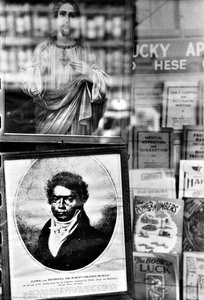
Store Front, Mobile, Alabama


 Összes részlet megjelenítése
Az ezen az oldalon megjelenített műalkotások szerzői jogi védelem alatt állnak, ami azt jelenti, hogy törvényileg nem készíthetünk és nem adhatunk el belőlük pontos másolatokat. Ez a védelem olyan nemzetközi megállapodások alapján érvényesül, mint például a Berni Egyezmény és a nemzeti jogszabályok által, beleértve azokat is, amelyeket meghatározott Az USA szerzői jogi törvénye – 17. cím.
Ez a módszer teljes mértékben megfelel a szerzői jogi szabályozásnak, mivel nem tartalmazza a védett műalkotás másolását vagy duplikálását. Ehelyett ez egy kreatív újinterpretáció – egy új festmény, amely az eredetivel való összefüggései miatt hatással van rá, de nem az az.
Giclée / Műnyomat
Múzeumi minőségű giclée vagy vászonnyomat, gyors gyártással és rugalmas finomítási lehetőségekkel. ( Kézzel festett másolat rendelése Áttérés digitális képre)




P118B Ft10

P118H Ft10

P118W Ft10

P438Z Ft10

P508JH Ft12

P508YH Ft12

P805H Ft10

P805Z Ft10

P919BZ Ft10

P919G Ft10

P919XJ Ft10

P959ZH Ft10

P968JZ Ft12

W106C Ft8

W218G Ft10

W218JH Ft8

W218Y Ft10

W307PJ Ft10

W316G Ft10

W316PJ Ft8

W316Y Ft10

W398PJ Ft8

W4111J Ft10

W500HY Ft15

W500JH Ft15

W692G Ft12

W849H Ft8

W940BG Ft15

W953PJ Ft8




Válasszon előre meghatározott méreteink közül, amelyek megfelelnek a műalkotás eredeti arányainak.

Írja be a keretének vagy a falának megfelelő szélességet és magasságot. A nyomatot csak le lehet vágni, soha nem tehető nagyobbá, mint az eredeti kép, így egy eltérő alakú méretnél a kép egy része elveszik. Mielőtt bármit kinyatintanánk, küldünk egy digitális próbamodellt jóváhagyásra. Az oldalon látható kép nem tartalmazza a valós levágást — ezt csak a próbamodell mutatja meg.
Világszerte történő kiszállítás területére mindössze 2 hét alatt, a szokásos 4-5 hét helyett. (26 október)

Ingyenes globális expressz szállítás

Prémium minőségű len vászon

Teljes körű szállítási biztosítás

Vámvisszatérítési Garancia

Hiteles színarányosság garancia

100 napos visszaküldési lehetőség (csak hibás termékek esetén)

100% pénzvisszatérítési garancia

Több darab vásárlásakor kedvezmény
 Az üvegkeretes opció csak 110 cm alatti méretben érhető el

Store Front, Mobile, Alabama
Giclée / Műnyomat
Reprodukció mérete
-


Összesített ár
Ft 25642
A Frozen Moment in Southern Life
Gordon Parks’s “Store Front, Mobile, Alabama, 1956” isn't merely a photograph; it’s a meticulously crafted window into a vanished world—a poignant tableau of everyday life under the oppressive weight of Jim Crow segregation. Captured during his assignment for *Life* magazine, this image transcends its documentary origins to become a powerful meditation on empathy and the quiet dignity of ordinary people facing extraordinary circumstances. Parks, already a rising star in photography, eschewed the sensationalism often associated with civil rights imagery, instead choosing to focus on the seemingly mundane: a storefront in Mobile, Alabama, bathed in the warm, diffused light of a Southern afternoon. The scene is deceptively simple – a Coca-Cola sign proudly proclaiming its presence above the entrance, a weathered bench inviting weary customers, and several individuals gathered outside, engaged in conversation or simply observing the world around them. Yet, within this apparent stillness lies a profound narrative of resilience and quiet resistance.The Language of Color and Light
What immediately distinguishes “Store Front” is Parks’s masterful use of color—a bold departure from the predominantly black-and-white photography prevalent at the time. He deliberately employed saturated hues, particularly in the red of the Coca-Cola sign and the yellow of the building's facade, creating a vibrant contrast against the muted tones of the surrounding landscape. This deliberate infusion of color wasn’t simply aesthetic; it served to draw attention to the scene, inviting viewers to linger and contemplate its details. Parks expertly manipulated light, using natural illumination to sculpt the forms of the figures and create a sense of depth within the frame. The shadows cast by the building subtly emphasize the faces of those gathered outside, hinting at untold stories and experiences. This careful orchestration of color and light elevates the photograph beyond a simple snapshot, transforming it into a richly layered visual experience.A Window into Segregation’s Reality
The context surrounding this image is crucial to understanding its enduring power. Taken in 1956, during the height of the Civil Rights Movement, “Store Front” offers a rare glimpse into the daily realities of segregation in the American South. The Coca-Cola sign, a symbol of modernity and prosperity, stands in stark contrast to the racial inequalities that permeated every aspect of Southern life. The individuals depicted—a mix of Black men and women—represent the community’s resilience and their quiet determination to maintain dignity in the face of systemic oppression. Parks's choice to focus on this seemingly ordinary storefront highlights the fact that segregation wasn't confined to grand demonstrations or legal battles; it was woven into the fabric of everyday life, shaping people’s interactions, opportunities, and experiences. The photograph serves as a potent reminder of the pervasive nature of racial injustice and the importance of recognizing the humanity of those who have been marginalized.Symbolism and Emotional Resonance
Beyond its historical significance, “Store Front” is rich in symbolic meaning. The bench represents a brief respite from the hardships of daily life—a place for connection, conversation, and shared experience. The Coca-Cola sign, despite being a symbol of corporate America, also signifies a small measure of comfort and familiarity within a segregated environment. The figures themselves embody resilience, dignity, and community spirit. Parks’s deliberate framing invites viewers to project their own emotions onto the scene—to feel empathy for those depicted and to reflect on the enduring legacy of racial inequality. The photograph's emotional impact is profound, prompting us to confront uncomfortable truths about our past and to consider how we can build a more just and equitable future. It’s a testament to Parks’s skill that he could capture such complex emotions with such understated elegance.A Legacy of Photographic Storytelling
“Store Front, Mobile, Alabama, 1956” stands as a landmark achievement in photographic storytelling—a powerful example of how photography can be used to document social realities, challenge injustice, and foster empathy. Gordon Parks’s innovative use of color, his masterful manipulation of light, and his insightful portrayal of everyday life have cemented this image's place as an iconic representation of the Civil Rights Movement and a timeless meditation on human dignity. Reproductions of this photograph continue to resonate with audiences today, serving as a poignant reminder of the struggles faced by African Americans in the Jim Crow South and inspiring us to strive for a more inclusive and equitable society.Kérdések és válaszok
Milyen összefüggésben áll a "Store Front, Mobile, Alabama" témája Gordon Parks megszokott motíveivel?
A "Store Front, Mobile, Alabama" a segregation, alabama, 1956, african-americans, gordon parks, photography, civil rights, family life ábrázol, míg Gordon Parks dokumentált témái a photography, civil rights, segregation, documentary, social commentary. A kettő összevetése megmutatja, hogyan kapcsolódik ez a mű a művész megszokott motívumaihoz.
Mi a "Store Front, Mobile, Alabama" formátuma?
A "Store Front, Mobile, Alabama" formátuma Square. Ez hasznos, amikor tervezünk, hogy a reprodukciót hová helyezzük el.
A „Store Front, Mobile, Alabama” művészeti alkotás mentes a szerzői jogoktól?
A szerzői jogokkal kapcsolatban a "Store Front, Mobile, Alabama" mű még szerzői jog védi.
A művész életrajza
Gordon Parks: A Photographer's Weapon Against Injustice
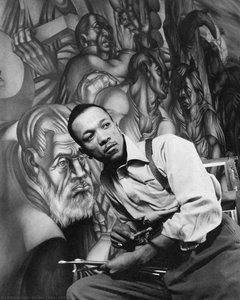
Gordon Roger Alexander Buchanan Parks, született 1912. november 30-án Fort Scottban, Kanszas államban, egyike volt annak a ritka tehetségeknek, akik nem csupán művészi nagyságokat értek el, hanem jelentősen hozzájárultak a társadalmi változáshoz is. A tizenöt gyermekes család legkisebbjeként Parks élete korai szakaszában megtapasztalhatta a szegregáció keserű valóságát, ami mélyen beivódott lelkébe és meghatározta művészetét. Bár autodidakta volt, rendkívüli tehetséggel rendelkezett a fotózás terén, hamarosan felismerte annak erejét a történetek elmesélésére és az igazságtalanságok feltárására. A Life és a Vogue magazinnál betöltött úttörő szerepe – mint az első afroamerikai fotós, aki ezekben a kiadványokban dolgozott – nem csupán szakmai mérföldkő volt, hanem egyfajta szimbólum is a korabeli társadalmi előítéletek leküzdésére.A Szegénység és Az Elnyomás Képessége
Parks fotói nem pusztán dokumentumok voltak; élettel teli portrék, amelyek mélyen bepillántottak az amerikai társadalom árnyékos területeibe. A ’40-es években a Szövetségi Fotó Projekthez (Farm Security Administration) tartozó munkája során olyan képeket készített a szegénységben élő, elhanyagolt emberekről, amelyek megdöbbentették az országot. Ezek a fotók nem idealizáltak, hanem őszintén ábrázolták az emberi szenvedést és kitartást. Parks nem csupán képeket készített; történeteket mesélt elnyomott emberekről, akik méltóságukat megőrizték a nehéz körülmények ellenére is. A „Harlem Gang Wars” sorozatában például a fiatal gengszterek életét mutatta be, nem ítélkezve, hanem empatikusan, feltárva azokat a társadalmi tényezőket, amelyek hozzájárultak a bűnözéshez. Ez a megközelítés forradalmasította a riportfotózást, és új mércét állított a fotóriportok etikai és művészi szempontjaira.A Filmművészetbe Lépés és A Színpadi Hang
Parks nem csupán a fényképezéssel akart hatni a világra; a filmkészítés lehetősége még nagyobb teret engedett számára, hogy kifejezze művészi látásmódját. 1969-ben debütált rendezőként „A Learning Tree” című, részben önéletrajzi filmjével, amely egy fiatal afroamerikai fiú felnövésének történetét meséli el a ’30-as évek vidéki Kansasában. A film nem csupán a rasszizmus kérdését boncolta ki, hanem az emberi kapcsolatok, a családi kötelékek és a személyes fejlődés fontosságát is hangsúlyozta. Az 1971-ben készült „Shaft” című blaxploitation film pedig nem csupán kasszasiker lett, hanem kulturális jelenséggé vált, újfajta afroamerikai hőst teremtve a mozi vásznán. Parks zeneszerzőként is jelentős szerepet játszott filmjei hangulatának formálásában, ami tovább gazdagította alkotásainak komplexitását és érzelmi hatását.Örökség És A Jövő Generációk Inspirációja
Gordon Parks halála 2006-ban nemcsak a művészet világát gyászolta, hanem egy olyan szellemességet is, amely elkötelezett volt az igazságosság mellett és a marginalizáltak hangjának képviseletében. Munkássága mély nyomot hagyott a fotóriportok és a filmkészítés történetében, és számos művészt inspirált arra, hogy kamerájukat fegyverként használják az elnyomás ellen. A Melvin Holmes Collection és a Museum of Modern Art (MoMA) gyűjteményei örök emléket őrzik Parks munkásságáról, biztosítva, hogy generációk számára elérhető legyen a látásmódja. Parks nem csupán egy fotós vagy filmrendező volt; egy társadalmi kommentátor, aki képekkel és történetekkel változtatta meg az emberek gondolkodását, és hozzájárult egy igazságosabb világ megteremtéséhez. A National Medal of Arts díjjal való elismerése pedig nem csupán a művészi teljesítményét méltatta, hanem azt is, hogy hogyan használta a művészetet a társadalmi változás eszközeként.
Gordon Parks
1912 - 2006 , Egyesült Államok
Rövid információk
- Elhunyta Dátuma: 2006. március 7.
- Influencia Alatt Álló Művészek: ['Afrikai-amerikai művészek']
- Jelentős Művek:
- Shaft
- The Learning Tree
- A Choice of Weapons
- Művészeti Irányzat: Fotóriport, Szociális realizmus
- Nemzetiség: Amerikai
- Születési Dátum: 1912. november 30.
- Születési Hely: Fort Scott, USA
- Teljes Név: Gordon Roger Alexander Buchanan Parks
Kapcsolódó cikkek

Witnessing History Through Lens & Light: Documentary Photography's Enduring Legacy
Explore the powerful history of documentary photography – from its origins to contemporary masters like Gordon Parks & W. Eugene Smith. Discover how this art form shapes our understanding of society and witness pivotal moments in time.

Witnessing History: Documentary Photography as an Art Movement
Explore the powerful history of documentary photography – from its origins to contemporary masters like Gordon Parks. Discover how this art form shapes our understanding of society and witness pivotal moments in time.
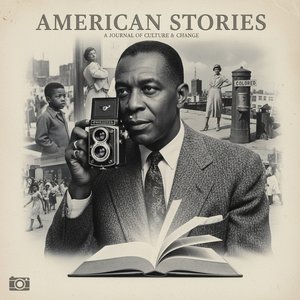
Gordon Parks: A Poetic Lens on American Life – Photography, Social Justice & Storytelling
Explore the profound work of Gordon Parks, a groundbreaking photographer who documented American life with unparalleled empathy and artistry. Discover his iconic images & lasting impact on social justice through Life magazine & beyond.

Monochrome Visions: Exploring the Aesthetic & Historical Significance of Black & White Photography
Explore the rich history & artistic power of black and white photography. From early techniques to iconic masters like Ansel Adams, discover why monochrome continues to captivate art lovers today. Expert insights for collectors.

Beyond the Lens: Photography's Enduring Influence on Modern & Contemporary Art
Explore photography's pivotal role in shaping modern & contemporary art. Discover key movements, influential artists like Stieglitz, and expert collecting advice from OriginalUniqueArt.