

 Előnézet
 Megosztás
 Megosztás
 Részletek
 Útmutató

 Letöltés
 Hasonló darabok
 X-ray felvétel
 Diavetítés
 Statisztika
Untitled (ARCATH)


 Tovább olvasom
Giclée / Műnyomat
Múzeumi minőségű giclée vagy vászonnyomat, gyors gyártással és rugalmas finomítási lehetőségekkel. ( Kézzel festett másolat vásárlása Áttérés digitális képre)




































Válasszon előre meghatározott méreteink közül, amelyek megfelelnek a műalkotás eredeti arányainak.

Megadhat saját méreteket is egy konkrét kerethez vagy helyszínhez igazítva. Amennyiben a kiválasztott méret nem egyezik az eredeti kép arányokkal, a műalkotást le fogjuk vágni, vagy kiegészítjük a képet tükrözött vagy egyszínű szélekkel. A gyártás megkezdése előtt egy digitális tervezetet küldünk jóváhagyásra.
Kérjük, vegye figyelembe, hogy a képernyőn látható előnézet nem tükrözi a tényleges levágást vagy kiegészítést. Csak a tervezet mutatja pontosan a végső kompozíciót.
Bár az egyedi méretek is elérhetőek, az eredeti arányok megőrzése érdekében azt javasoljuk, hogy válasszon a előre meghatározott listából származó méretet.
Világszerte történő kiszállítás területére mindössze 2 hét alatt, a szokásos 4-5 hét helyett. (26 szeptember)

Ingyenes globális expressz szállítás

Prémium minőségű len vászon

Teljes körű szállítási biztosítás

Vámvisszatérítési Garancia

Tökéletes színarányosság garancia

100 napos visszaküldési garancia (csak gyártási hibás termékek esetén)

100% pénzvisszatérítési garancia

Több darab vásárlásakor kedvezmény
 Az üvegkeretes opció csak 110 cm alatti méretben érhető el

Untitled (ARCATH)
Giclée / Műnyomat
Reprodukció méretei
-


Összesített ár
$ 80
A művész életrajza
A Forgotten Master of the Belle Époque: The Life and Art of Giuseppe Amisani
Giuseppe Amisani, a name largely absent from mainstream art historical narratives until recently, was a prominent figure during Italy’s vibrant Belle Époque. Born on December 7, 1881, in Mede di Lomellina, near Pavia, Lombardy, he emerged as a celebrated portraitist whose canvases captured the elegance and status of his era’s elite. The town itself would later honor its native son by renaming Piazza Mercato to Piazza Giuseppe Amisani—a testament to the esteem in which he was once held. His journey began with an initial attempt at technical studies in Pavia, but a failed drawing course redirected him toward more artistic pursuits. He found his true calling within the hallowed halls of the Accademia di Brera in Milan, where he honed his skills under the tutelage of Cesare Tallone and Vespasiano Bignami. This formal training laid the foundation for a career defined by refined technique and an astute understanding of human character. His early artistic inclinations were nurtured by a formative experience—a disappointing drawing examination that spurred him to pursue painting with renewed determination. Recognizing his innate talent, he enrolled at the Accademia di Brera in Milan, where he benefited from the guidance of influential masters like Cesare Tallone and Vespasiano Bignami. These mentors instilled in him a profound appreciation for classical aesthetics and a meticulous approach to artistic execution—principles that would permeate his entire oeuvre.Rising Acclaim and International Horizons
Amisani’s talent quickly garnered recognition, marked by his triumph in 1908 with the prestigious Mylius prize for *L'eroe* (“The Hero”). This early success solidified his reputation as a gifted artist among Milan’s artistic circles and fueled his ambition to explore new horizons. Shortly thereafter, in 1911 or 1912, he secured the Fumagalli prize for figure-painting with his striking portrait of Lyda Borelli—a commission that showcased his ability to convey both physical likeness and psychological depth. This accolade propelled him into the spotlight, establishing him as a sought-after portraitist among Milan’s high society. His style during this period was characterized by its freshness and elegance, an ability to capture not just likeness but also the essence of his subjects—a hallmark that distinguishes his work from many contemporaries. However, Amisani's ambitions extended beyond Italy’s borders. He embarked on extensive travels that profoundly shaped his artistic vision. Years spent in Argentina and Brazil exposed him to new cultures and landscapes, while visits to England, France, North Africa, and the United States broadened his perspective and infused his work with a cosmopolitan sensibility. These experiences moved beyond mere observation; they became integral to his artistic identity, influencing both subject matter and technique.A Portraitist of Kings and Commoners
Amisani’s oeuvre is dominated by portraiture, reflecting the tastes and expectations of his clientele. He possessed an extraordinary capacity to portray individuals from diverse backgrounds—from prominent industrialists like Michele Bernocchi (1937) and Davide Lanfranconi (1941), to figures of artistic renown such as Lyda Borelli, whose portrait now graces the São Paulo Museum of Art in Brazil. His masterpiece *La Teletta* resides within the Galleria d'Arte Moderna in Milan—a testament to his skill in capturing not only physical appearance but also subtle nuances of personality and social standing. In 1924, he received a royal commission to decorate Ras al-Tin, the palace of Fuad I of Egypt—a prestigious honor that underscored his international reputation and artistic prowess. Beyond portraiture, Amisani ventured into landscape painting, inspired by his travels, creating evocative scenes of the Italian Alps, Rhodes, and Tunisia—works that demonstrate his dedication to capturing atmospheric perspective and conveying the grandeur of nature.Rediscovery and Legacy
Despite achieving considerable success during his lifetime, Giuseppe Amisani’s work fell into relative obscurity after his death on September 8, 1941, in Portofino. His name vanished from major art historical references—a regrettable consequence of his deliberate preference for traditional artistic conventions and a reluctance to engage with avant-garde movements like Futurism or Cubism. He catered to the sensibilities of his patrons, prioritizing realism and meticulous detail over experimental innovation—a stylistic choice that ensured his enduring relevance within the context of his era. However, a retrospective exhibition held at the Castello Sforzesco in Vigevano in 2008 rekindled interest in Amisani’s art—bringing his paintings back into public view after decades of neglect and prompting renewed scholarly attention to his contribution to Italian Belle Époque painting. His legacy lies not in groundbreaking experimentation but in his exceptional ability to embody the spirit of an era and immortalize its most influential figures with grace, precision, and unwavering artistic integrity.
Amisáni Guszta
1881 - 1941 , Olaszország
Gyors információk
- Artistic Movement Or Style: Belle Époque portraiture
- Artists Who Influenced This Artist:
- Michelangelo
- Raphael
- Date Of Birth: December 7, 1881
- Date Of Death: September 8, 1941
- Full Name: Giuseppe Amisani
- Nationality: Italian
- Notable Artworks:
- L'eroe
- La Teletta
- Lyda Borelli Portrait
- Place Of Birth (City And Country): Mede di Lomellina, Italy
Kapcsolódó cikkek

The Enduring Legacy of Oil on Canvas: Technique, History & Aesthetic Impact
Explore the rich history & techniques of oil painting – from Renaissance masters to Impressionism. Discover pigments, layering methods, and why this timeless medium endures. Expert insights for artists & art enthusiasts.

Oil on Canvas: A Historical & Technical Exploration of a Timeless Artistic Medium
Explore the rich history & enduring techniques of oil painting on canvas. Discover the science behind its longevity, conservation practices, and contemporary relevance. Expert insights for art enthusiasts.
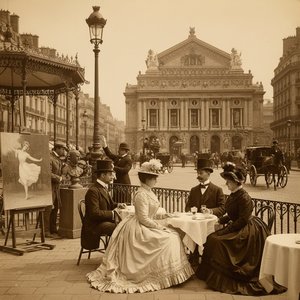
Echoes of 1882: Art, Culture & the Belle Époque's Lasting Impression
Explore the art & culture of the Belle Époque! Discover Impressionism, Realism, and iconic Parisian paintings from Degas, Béraud & more. High-quality reproductions at OriginalUniqueArt.
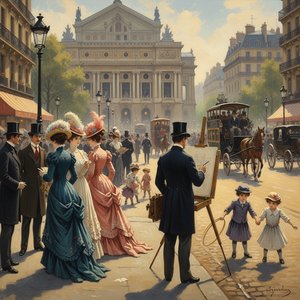
Jean-Georges Béraud: Capturing Parisian Life in the Belle Époque
Explore the captivating world of Jean-Georges Béraud, master painter of Belle Époque Paris. Discover his iconic scenes, artistic evolution, and social commentary. A deep dive into 19th-century French art.

Step into Elegance: Discover the Timeless Beauty and Opulence of Belle Époque Art
Immerse yourself in the splendor of Belle Époque art. From Art Nouveau to Impressionism, OriginalUniqueArt.com provides exquisite, hand-painted oil reproductions and custom portraits. Discover timeless elegance and expert artistry to elevate your home decor with confidence.