

 Megtekintés
 Küldés
 Megosztás
 Részletek

 Letöltés
 Hasonló darabok
 X-ray felvétel
 Diavetítés
 Statisztika
A Man Seated and Asleep
 Oil On Panel
- WallArt
- Contemporary Realism
 1865
1865- 19th Century
 26.0 x 12.0 cm
 Metropolitan Művészeti Múzeum
 Összes részlet megjelenítése
Kézzel készített olajfestmény reprodukció
Kézzel festett olajvastú vászon, az Ön által választott méretben és keretben, művészeink készítik meglévőre. ( Áttérés Nyomtatványra Áttérés digitális képre)




P118B $10

P118H $10

P118W $10

P438Z $10

P508JH $12

P508YH $12

P805H $10

P805Z $10

P919BZ $10

P919G $10

P919XJ $10

P959ZH $10

P968JZ $12

W106C $8

W218G $10

W218JH $8

W218Y $10

W307PJ $10

W316G $10

W316PJ $8

W316Y $10

W398PJ $8

W4111J $10

W500HY $15

W500JH $15

W692G $12

W849H $8

W940BG $15

W953PJ $8




Válasszon előre meghatározott méreteink közül, amelyek megfelelnek a műalkotás eredeti arányainak.

Ön megadhat saját méreteket egy adott kerethez vagy térhez igazításhoz. Ha a kiválasztott méret nem egyezik az eredeti kép arányával, akkor a műalkotást levágjuk, vagy további kézzel festett elemekkel meghosszabbítjuk a festményt. A gyártás megkezdése előtt küldünk Önnek egy digitális előnézetet jóváhagyásra.
Kérjük, vegye figyelembe, hogy a képernyőn megjelenő előnézet nem tükrözi a tényleges vágást vagy kiterjesztést. Csak az előnézet fog pontosan mutatni a végső kompozíciót.
Bár egyedi méretek állnak rendelkezésre, javasoljuk, hogy válasszon egy méretet az előre meghatározott listából az eredeti arányok megőrzése érdekében.
A rendelést követően a OriginalUniqueArt.com csapata e-mailt küld az ügyfélnek az instrukciókért, és biztosít egy előnézeti képet (mockup).
Világszerte elérhető szállítás () 3-4 hét alatt a szokásos 5 hét helyett. (13 szeptember). A minőség nem kérdőjelezhető.

Ingyenes globális expressz szállítás

Prémium minőségű len vászon

Teljes körű szállítási biztosítás

Vámvisszatérítési Garancia

Hiteles színpontosság garancia

100 napos visszaküldési lehetőség (csak hibás termékek esetén)

100% pénzvisszatérítési garancia

Több darab vásárlása esetén kedvezmény
 Az üvegkeretes opció csak 110 cm alatti méretben érhető el

A Man Seated and Asleep
Reprodukciós technika
Reprodukció mérete
-


Összesített ár
$ 300
A Moment Suspended in Time: The Soul of Giuseppe Abbati
In the quietude of 1865, Giuseppe Abbati captured more than just a figure in repose; he bottled a fleeting fragment of human existence. "A Man Seated and Asleep" serves as a profound window into the heart of the Macchiaioli movement, an Italian avant-garde that sought to strip away the artifice of academic tradition in favor of raw, unadorned truth. The painting presents us with a solitary figure, his head resting heavily upon his hand, lost in the deep, rhythmic pull of slumber. There is an intimate vulnerability in his posture, a sense of complete surrender to exhaustion that resonates with anyone who has ever sought refuge in a moment of stillness amidst a chaotic world. As the viewer gazes upon this sleeping man, the boundaries between the observer and the observed begin to blur, inviting a shared experience of peace and introspection.
The composition is masterfully anchored by the weight of the subject, whose seated form dominates the lower foreground, creating a sense of grounded stability. Behind him, the subtle presence of other figures—one standing, one sitting—adds a layer of narrative depth, suggesting a communal space, perhaps a tavern or a quiet corner of a workshop, where life continues in its slow, unhurried cadence. The backdrop of a deep blue wall provides a cool, atmospheric contrast to the warmth of the man's skin and the textured elements of his clothing, lending the scene a structural elegance that prevents the composition from feeling stagnant. This interplay of light and shadow is not merely a technical feat but the very heartbeat of the work.
The Mastery of the Macchia: Technique and Texture
To understand this masterpiece, one must understand the concept of macchia—the "spot" or "stain." Abbati, a leading exponent of this technique, rejected the polished, invisible brushwork of his predecessors. Instead, he employed bold, deliberate patches of color and light to build form. In "A Man Seated and Asleep," the texture is palpable; the paint itself seems to vibrate with the energy of the Tuscan landscape and the grit of everyday life. By juxtaposing sun-drenched passages against pools of profound shadow, Abbati creates a sense of three-dimensionality that feels remarkably modern. This approach mirrors the burgeoning innovations of French Impressionism, yet it retains a uniquely Italian character—a rugged, honest realism that finds beauty in the humble and the overlooked.
The technical execution is particularly striking in how it handles light. The way the illumination catches the edge of the man's hat and the subtle folds of his shirt creates a tactile sensation, as if one could reach out and feel the grain of the wood panel or the heavy fabric of his attire. For the collector or interior designer, this painting offers an extraordinary sensory experience. It is a work that does not merely sit upon a wall; it commands the atmosphere of a room, bringing with it a sense of historical weight and a sophisticated, textured elegance that complements both classical and contemporary settings.
A Legacy of Light and Emotion
Beyond its technical brilliance, the painting carries a heavy emotional resonance, shaped by the turbulent era of the Risorgimento. Having lived through the violence of Italian unification and suffered personal physical loss during the Battle of Capua, Abbati possessed an acute sensitivity to the fragility of life. This piece, therefore, acts as a silent protest against the noise of history, celebrating the sanctity of the private moment. It is a tribute to the quiet dignity found in rest, a reminder that even amidst political and social upheaval, there remains a profound beauty in the simple act of breathing, dreaming, and being.
For those looking to adorn their spaces with art that tells a story, this reproduction offers an unparalleled opportunity. It is more than a decorative element; it is an invitation to slow down. Whether placed in a sunlit study or a moody, dimly lit library, "A Man Seated and Asleep" serves as a focal point for contemplation, bringing the soulful, textured legacy of the Macchiaioli into the modern home. It is a piece that inspires not just admiration for its historical significance, but a deep, emotional connection to the universal human experience.
A művész életrajza
Giuseppe Abbati: Life and Legacy
Early Life and Training
Giuseppe Abbati was born in Naples, Italy, on January 13, 1836. He received his initial artistic training from his father, Vincenzo Abbati, who specialized in paintings of architectural interiors. This early influence is evident in Giuseppe’s first works, which also focused on interior scenes.
Military Service and the Macchiaioli
Abbati's life took a dramatic turn when he participated in Garibaldi’s 1860 campaign for Italian unification. During the Battle of Capua, he tragically lost his right eye. Following this experience, he moved to Florence, a pivotal moment that shaped his artistic trajectory. In Florence, at the famed Caffè Michelangiolo, he connected with key figures who would become known as the Macchiaioli – Giovanni Fattori, Silvestro Lega, and others.
Artistic Development and Style
Initially recognized for his interior views—for which he even received a medal at the National Exposition in Florence in 1861 (which he refused as protest against the jury)—Abbati soon embraced plein air painting, influenced by his new circle of artists. His style became characterized by a bold treatment of light and shadow, focusing on capturing luminous effects in landscapes. He often depicted scenes viewed through doorways or windows, creating a sense of depth and atmosphere.
Key Characteristics of Abbati’s Work
- Bold Light Effects: A defining feature of his paintings.
- Plein Air Painting: Embracing the practice of painting outdoors to capture natural light.
- Horizontal Formats: Many of his landscapes, like “View of Castiglioncello,” are elongated horizontally, a common preference among the Macchiaioli.
- Dramatic Contrasts: Juxtaposing luminous outdoor scenes with darkened interiors.
Later Life and Untimely Death
Abbati’s artistic pursuits were again interrupted in 1866 when he enlisted in the army for the Third Independence War. He was captured by Austrian forces in Croatia before returning to civilian life at the end of the year. He spent his final year painting in the countryside near Castelnuovo della Misericordia. Tragically, Abbati died on February 21, 1868, in Florence, after being bitten by his own dog and contracting rabies.
Influences and Historical Significance
Abbati was significantly influenced by the ideals of the Macchiaioli movement, which sought to break away from academic traditions and embrace a more realistic depiction of Italian life. He contributed to the Risorgimento artistic expression through his depictions of landscapes and everyday scenes. While his career was cut short, Abbati’s work remains important for its innovative use of light, its connection to the Macchiaioli aesthetic, and its reflection of a pivotal period in Italian history.
Notable Works
- “View from the Wine Cellar of Diego Martelli” (1866)
- “Landscape at Castiglioncello” (1867)
- “Cloister” (1861)
- “Gallery with Armor Bearer” (1864)

Giuseppe Abbati
1836 - 1868 , Italy
A művészről röviden
- Birth Date: 1836-01-13
- Birth Place: Naples, Italy
- Death Date: 1868-02-21
- Movement: Macchiaioli
- Name: Giuseppe Abbati
- Nationality: Italian
- Notable Works:
- View from the Wine Cellar of Diego Martelli
- Landscape at Castiglioncello
- Cloister
- Gallery with Armor Bearer
Kapcsolódó cikkek

A fény és a szín mögött: Impresszionizmus vs. Posztimpresszionizmus a kifinomult gyűjtő számára
Mélyreható elemzés az impresszionizmus és posztimpresszionizmus közötti különbségekről a kifinomult műgyűjtők számára. Értékbecslés, befektetési tanácsok és a legnagyobb mesterek alkotásai.
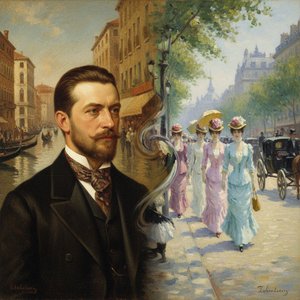
Federico Zandomeneghi: Bridging Venetian Tradition & Parisian Impressionism
Discover Federico Zandomeneghi (1841-1917), a captivating Italian Impressionist bridging Venetian tradition and Parisian modernity. Explore his intimate scenes, unique style & legacy with OriginalUniqueArt.

A benyomásosok mesterművei: 10 ikonikus festmény a művészetben és otthonában
Fedezze fel a 10 legikonikusabb impresszionista festményt! Monet, Renoir és más mesterek művészete életre kel OriginalUniqueArt.com-on. Vászonképek, faliképek – inspirálja otthonát a benyomásosok színeivel és hangulatával! Explore the full collection online.
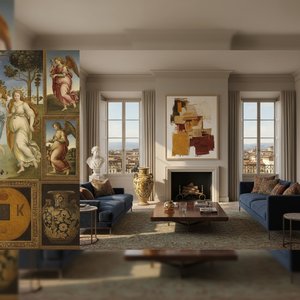
A Firenze Uffizi Galéria 25 Mesterműve: Reneszánsz Győgyöngyök a Ház Falain
Fedezze fel a Firenze Uffizi Galéria 25 legikonikusabb műalkotását! Leonardo, Michelangelo, Botticelli és más reneszánsz mesterek festményeinek története. Művészeti reprodukciók otthonába – OriginalUniqueArt.com.

Giovanni Fattori: Realism, Identity & the Tuscan Landscape – A Macchiaioli Master
Explore the life & art of Giovanni Fattori, a leading figure of the Macchiaioli movement. Discover his revolutionary realism, captivating Tuscan landscapes, and lasting impact on Italian painting. Learn more at OriginalUniqueArt.