
 Megtekintés
 Küldés
 Megosztás
 Részletek
 Útmutató

 Letöltés
 Hasonló darabok
 X-ray felvétel
 Diavetítés
 Q&A
Q&A Statisztika
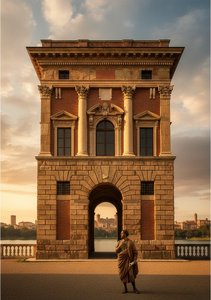
Szent János Szűlő Úr

- 178.0 x 154.0 cm


 Összes részlet megjelenítése
Giclée / Műnyomat
Múzeumi minőségű giclée vagy vászonnyomat, gyors gyártással és rugalmas finomítási lehetőségekkel. ( Kézzel festett másolat rendelése Áttérés digitális képre)




P118B Ft10

P118H Ft10

P118W Ft10

P438Z Ft10

P508JH Ft12

P508YH Ft12

P805H Ft10

P805Z Ft10

P919BZ Ft10

P919G Ft10

P919XJ Ft10

P959ZH Ft10

P968JZ Ft12

W106C Ft8

W218G Ft10

W218JH Ft8

W218Y Ft10

W307PJ Ft10

W316G Ft10

W316PJ Ft8

W316Y Ft10

W398PJ Ft8

W4111J Ft10

W500HY Ft15

W500JH Ft15

W692G Ft12

W849H Ft8

W940BG Ft15

W953PJ Ft8




Válasszon előre meghatározott méreteink közül, amelyek megfelelnek a műalkotás eredeti arányainak.

Írja be a keretének vagy a falának megfelelő szélességet és magasságot. A nyomatot csak le lehet vágni, soha nem tehető nagyobbá, mint az eredeti kép, így egy eltérő alakú méretnél a kép egy része elveszik. Mielőtt bármit kinyatintanánk, küldünk egy digitális próbamodellt jóváhagyásra. Az oldalon látható kép nem tartalmazza a valós levágást — ezt csak a próbamodell mutatja meg.
Világszerte történő kiszállítás területére mindössze 2 hét alatt, a szokásos 4-5 hét helyett. (1 november)

Ingyenes globális expressz szállítás

Prémium minőségű len vászon

Teljes körű szállítási biztosítás

Vámvisszatérítési Garancia

Hiteles színarányosság garancia

100 napos visszaküldési lehetőség (csak hibás termékek esetén)

100% pénzvisszatérítési garancia

Több darab vásárlásakor kedvezmény
 Az üvegkeretes opció csak 110 cm alatti méretben érhető el

Szent János Szűlő Úr
Giclée / Műnyomat
Reprodukció mérete
-


Összesített ár
Ft 26198
Giulio Romano és Szent János Székében – Egy Reneszánszi Építmény Megközelítése
Szent János Székében Giulio Romano alkotása egy lenyűgöző művészeti darab, amely megmutatja a nagy reneszánsz művészek egyik legjelentős eredményét. Ez nem csak egy képet jelent, hanem egy egész épületet és annak történetét, mely Romano kiváló szakítása és Görögországban végzett tanulmányai által meghatározott időszakában született meg. Az alkotás részletes vizsgálata számos érdekességet és mélyebb betekintést enged el az művészi hagyomány és vallási szellem világába.- Alkotó és Származása: Giulio Romano (1499-1546) Itália Roma városában született, és Raphael nagy tanítványa volt. Ráadásul Görögországban tett tanulmányokat, ami jelentősen befolyásolta művészi stílusát és világtalálatát.
- A Palazzo Te és Romano Művészete: Romano főként a Palazzo Te épületének díszítésével vált ismertté, melyet Michelangelo és Raffaello számára tervezett meg. Az épület hatalmas freskóival és dísztárgyával bizonyítja Romano innovatív és nagyérzékeny szemléletét.
- A Rövid Élete és Utódai: Romano rövid életében számos jelentős művészi projektre dolgozott, és Raffaello halála után ő folytatta az épület díszítését, ami tovább növelte az alkotás hagyományos értékét és jelentőségét.
Az Alkotás Szelleme és Stílusa – Mannerizmus Egy Építményben
Romano művészete a manierizmus egyik legkiemelkedőbb képviselője volt, mely egy olyan művészi irányzat jellegzetességeit idézi meg, amely elutasítja a reneszánsz harmóniáját és tökéletességét helyénél fogva inkább az érzékiségre és dinamikus energiára koncentrálódik. Szent János Székében Romano használta fel ezt a stílust különösen jól, amikor egy hatalmas freskót készített meg Görögországban, melyet Raffaello számára tervezett meg. A freskó nagy részét Michelangelo és Pinturicchio segítette elvégezni, ami még inkább hangsúlyozza az alkotás komplex és művészi jellegét.- A Fresko Technikája: Romano használta fel a fresko technikáját, mely egy hagyományos építőanyagból és festőanyagból álló módszer, amely lehetővé teszi nagy méretű képek készítését és hosszú távú megőrzését.
- Színtészett és Kompozíció: Romano színtészete intenzív és változatos színvilágot használ fel, mely különösen jól mutatja meg Szent János Székében található jelenetet. A kompozíció dinamikus és szabályszerű, ami hangsúlyozza az alkotás erőteljes és érzelmi hatását.
- Érzésbeli És Szimbolikus Jelleg: Az alkotás érzésbeli jellegét tovább növeli Romano részletes előkészülete és nagy művészi érzéke, mely különösen jól mutatja meg Szent János Székében található jelenetet.
História és Kontextus – Egy Vallási Építmény Megközelítése
Szent János Székében Giulio Romano alkotása Görögországban született és egy hatalmas vallási épület részeként jelent meg, melyet püspökök és egyházi szerzetek finanszíroztak meg. Az épület díszítésével célul ösztönözte elősegíteni a vallásos érzékiséget és mélyebb kapcsolatot teremteni Istennel. Romano művészete nagyban befolyásolta Görögország művészi életét és kulturáját, és hozzájárult az épület jelentőségének megőrzéséhez és tovább növeléséhez. Az alkotás egy fontos részét Görögország vallási örökségének képviseli és idézőkönyvként szolgál minden új generáció számára.Szimbolizmus és Érzelmi Hatás – Egy Megrágaló Kép
Szent János Székében Giulio Romano alkotása számos vallási szimbólumot használ fel, melyek különösen jól mutatják meg Szent János Székében található jelenetet. Ezek közé tartozik az Új Testamentó fontos szereplője és vértelen kivívásának jelképeként megjelenített Szent János Székében található figura, valamint a távoli helyzetét és szent életét tükröző tájépítészet és vízjelenetek használata. Romano művészete mély érzelmi hatást gyakorolt Görögország közönsége és művészei számára, és hozzájárult az épület szépségének és jelentőségének megőrzéséhez. Egy igazán maradéktalan alkotás, mely minden látogatót megdöbbenti és inspirálja.Kérdések és válaszok
Milyen reprodukciós méretet javasol a „Szent János Szűlő Úr”, Giulio Romano alkotása alkotáshoz?
A "Szent János Szűlő Úr" alkotáshoz a Nagy nyomtatási méret ajánlott. Ugyanakkor ugyanazon arányokban elérhető egyéb méretű változat is.
Hogyan illeszkedik a "Szent János Szűlő Úr" Giulio Romano témáiba és stílusába?
A "Szent János Szűlő Úr" Giulio Romano mannerism korszakának alkotása, melynek témakörében raphaelian style, religious iconography, roman renaissance art, palazzo te decoration, mannerist innovation is feltűlik.
Hogyan tekinthetném meg a(t) „Szent János Szűlő Úr”, Giulio Romano alkotása diaváltogatás formájában?
Elérhető egy diaváltó: a Diaváltás oldala a(z) „Szent János Szűlő Úr”, Giulio Romano alkotása alkotáshoz.
A művész életrajza
A Roman Beginning and Apprenticeship Under a Master
Giulio Romano, born Giulio Pippi around 1499 in Rome, emerged during a period of immense artistic ferment – a time when the Renaissance was reaching its zenith but also beginning to shift and transform. Details surrounding his early life remain somewhat elusive, shrouded in the mists of historical record, yet it’s clear he swiftly entered the orbit of Raphael, arguably the most celebrated painter of the High Renaissance. This apprenticeship proved pivotal, not merely providing him with technical skills, but fundamentally shaping his artistic vision and laying the foundation for his future stylistic explorations. He wasn't simply a studio assistant; Giulio rapidly became an indispensable collaborator, contributing significantly to projects of immense scale and importance – notably the decoration of the Vatican Stanze, those magnificent rooms commissioned by Popes Julius II and Leo X. His hand is readily identifiable in *The Fire in the Borgo*, where he assisted Raphael in depicting a dramatic scene of miraculous intervention, capturing the intensity and dynamism that would become hallmarks of his own work. Following Raphael’s untimely death in 1520, Giulio inherited responsibility for completing numerous unfinished commissions, including the ambitious decoration of Villa Madama for Cardinal Giuliano de' Medici – a project that demanded both artistic skill and administrative prowess. This early exposure to large-scale projects, the pressures of aristocratic patronage, and the challenges of bringing disparate visions together instilled within him a confidence and ambition that would define his later career, pushing him beyond mere imitation and toward a distinctly original style.The Birth of Mannerism: A Departure from Classical Harmony
While Giulio Romano remained deeply rooted in the Renaissance tradition – admiring the clarity, balance, and idealized beauty of its classical foundations – his artistic trajectory soon diverged significantly from the prevailing emphasis on harmonious proportions and serene compositions. He became a key figure in the development of Mannerism – a style characterized by an exquisite artificiality, a heightened sense of elegance, and often unsettling distortions of form. This wasn’t a rejection of Renaissance ideals entirely, but rather a deliberate exploration of their limits, a conscious decision to push beyond the constraints of *natura* and embrace a more subjective, expressive approach. He was profoundly influenced by Michelangelo's powerful figures – their muscularity, dramatic gestures, and dynamic compositions – as well as a broader climate of artistic experimentation within Rome at the time. Giulio began to incorporate asymmetry, tension, and emotional intensity into his work, creating images that were both captivating and unsettling. His drawings, in particular, reveal this shift—characterized by elongated figures, complex spatial arrangements, and a masterful use of line that anticipates the expressive distortions of later Mannerist artists. He sought to evoke emotion and intellectual engagement rather than simply representing reality with fidelity.Mantua’s Master: Palazzo Te and Architectural Innovation
In 1524, Giulio Romano received an extraordinary invitation – a summons from Federico Gonzaga, Duke of Mantua, to become court painter and architect. This marked a transformative moment in his career, providing him with unprecedented creative freedom and the resources necessary to realize his ambitious visions. He essentially became responsible for all artistic activity within the duchy, overseeing not only paintings and frescoes but also architectural projects, garden designs, and even theatrical productions. His most celebrated achievement during this period is undoubtedly Palazzo Te, an extraordinary suburban villa that stands as a testament to his innovative genius. The palace’s interiors are adorned with illusionistic frescoes of breathtaking complexity and psychological depth – a dazzling display of *trompe-l'oeil* techniques designed to create the impression of vastness and limitless space. The *Sala dei Giganti* (Hall of the Giants), for example, depicts a chaotic battle between gods and giants, engulfing the viewer in a swirling vortex of figures and architectural fragments—a scene that is both visually stunning and profoundly unsettling. Beyond Palazzo Te, Giulio undertook significant renovations to Mantua’s ducal palace and cathedral, leaving an indelible mark on the city's urban landscape. He wasn't simply decorating existing structures; he was reshaping them, imbuing them with a new sense of grandeur and sophistication.Legacy and Lasting Influence
Giulio Romano died in Mantua in 1546, leaving behind a legacy that extended far beyond Italy’s borders. His drawings were highly prized by collectors throughout Europe, and engravings based on his work – particularly those by Marcantonio Raimondi – played a crucial role in disseminating Italian artistic styles to a wider audience. He was so renowned after his death that he is the only “modern” artist mentioned by William Shakespeare in *Pericles*, a testament to his widespread renown. His influence can be seen in the works of numerous subsequent artists, who adopted his dynamic compositions, elongated figures, and expressive use of color—artists like Bronzino and Parmigianino. While Mannerism eventually gave way to other stylistic movements, Giulio Romano’s contributions remain essential to understanding the evolution of Western art. He represents a pivotal moment – a transition from the harmonious ideals of the High Renaissance to the more complex and emotionally charged aesthetic of the late 16th century. His work continues to captivate and challenge viewers today, reminding us of the power of art to both reflect and shape our understanding of the world.
Giulio Romano
1499 - 1546 , Olaszország
Rövid információk
- Artistic Movement Or Style: Mannerizmus
- Artists Or Movements Influenced By This Artist: ['Mannerist művészek']
- Artists Who Influenced This Artist:
- Raphael
- Michelangelo
- Date Of Birth: c. 1499
- Date Of Death: 1546
- Full Name: Giulio Romano
- Nationality: Olasz
- Notable Artworks:
- Palazzo Te
- Fire in Borgo
- Villa Madama
- Place Of Birth: Róma, Olaszország
Kapcsolódó cikkek

John Constable 25 Mesterműve: A Természet Lényege Vászonon – OriginalUniqueArt.com
Fedezze fel John Constable 25 legszebb művészeti alkotását! Ismerje meg a romantika ikonikus tájképeit, Dedham Vale szépségét és a természet lenyűgöző ábrázolásait. Vászonkép reprodukcióinkkal eleganciát csempészhet otthonába – OriginalUniqueArt.com
Giulio Romano: A Master of Mannerism & the Palazzo Te Legacy
Explore the revolutionary art of Giulio Romano, master of Mannerism & architect of Palazzo Te. Discover his influence, investment potential, and stunning frescoes – a guide for discerning collectors.

John Singer Sargent 25 Mesterműve: Elegancia és Portrék a OriginalUniqueArt Galériában
Fedezze fel John Singer Sargent 25 legikonikusabb művészeti alkotását! Portrék, impresszionista stílus és a fény játéka – inspirálódjon Sargent életrajzából és vászonképeiből. Művészeti reprodukciók otthonába a OriginalUniqueArt-on!

The Enduring Legacy of Fresco Painting: Techniques, History & Contemporary Relevance
Explore the rich history & enduring artistry of fresco painting – from Giotto to Michelangelo! Discover techniques, conservation efforts, & modern applications. Learn how OriginalUniqueArt brings this timeless art form to your home.

A családi örökség festői világa: Hogyan őrizzük meg a múltat a falakon?
Őrizze meg családja történetét festményekkel! Egyedi portrék, régi fényképek restaurálása és családi címer tervezése profi művészek által. Fedezze fel a kínálatát!
