
 Megtekintés
 Küldés
 Megosztás
 Részletek
 Útmutató

 Letöltés
 Hasonló darabok
 X-ray felvétel
 Diavetítés
 Kérdések és válaszok
 Statisztika
Nude Child with Open Arms

- 270.0 x 209.0 cm


 Összes részlet megjelenítése
Giclée / Műnyomat
Múzeumi minőségű giclée vagy vászonnyomat, gyors gyártással és rugalmas finomítási lehetőségekkel. ( Kézzel festett másolat rendelése Áttérés digitális képre)




P118B Ft10

P118H Ft10

P118W Ft10

P438Z Ft10

P508JH Ft12

P508YH Ft12

P805H Ft10

P805Z Ft10

P919BZ Ft10

P919G Ft10

P919XJ Ft10

P959ZH Ft10

P968JZ Ft12

W106C Ft8

W218G Ft10

W218JH Ft8

W218Y Ft10

W307PJ Ft10

W316G Ft10

W316PJ Ft8

W316Y Ft10

W398PJ Ft8

W4111J Ft10

W500HY Ft15

W500JH Ft15

W692G Ft12

W849H Ft8

W940BG Ft15

W953PJ Ft8




Válasszon előre meghatározott méreteink közül, amelyek megfelelnek a műalkotás eredeti arányainak.

Írja be a keretének vagy a falának megfelelő szélességet és magasságot. A nyomatot csak le lehet vágni, soha nem tehető nagyobbá, mint az eredeti kép, így egy eltérő alakú méretnél a kép egy része elveszik. Mielőtt bármit kinyatintanánk, küldünk egy digitális próbamodellt jóváhagyásra. Az oldalon látható kép nem tartalmazza a valós levágást — ezt csak a próbamodell mutatja meg.
Világszerte történő kiszállítás területére mindössze 2 hét alatt, a szokásos 4-5 hét helyett. (9 november)

Ingyenes globális expressz szállítás

Prémium minőségű len vászon

Teljes körű szállítási biztosítás

Vámvisszatérítési Garancia

Hiteles színarányosság garancia

100 napos visszaküldési lehetőség (csak hibás termékek esetén)

100% pénzvisszatérítési garancia

Több darab vásárlásakor kedvezmény
 Az üvegkeretes opció csak 110 cm alatti méretben érhető el

Nude Child with Open Arms
Giclée / Műnyomat
Reprodukció mérete
-


Összesített ár
Ft 26397
The Echoes of Aspiration: Giulio Romano's Nude Child
To gaze upon this preparatory sketch by Giulio Romano is to encounter not merely a drawing, but a captured moment of pure, unbridled yearning. Rendered in rich red-brown tones, the figure of the nude child seems suspended between infancy and profound self-awareness. The composition immediately arrests the viewer with its dynamic energy; the upward reach of the arms suggests an aspiration toward something unseen—a divine grace, perhaps, or simply the boundless potential of life itself. This is a study steeped in the expressive fervor characteristic of Mannerism, where idealized form bends to serve emotional narrative rather than strict naturalism.
Mastery in Line and Shadow: Technique and Form
Romano’s hand breathes across the aged paper with remarkable delicacy. The technique employed—likely dry-point or charcoal—allows for an exquisite interplay of line weight and subtle tonal variation. Observe how the artist builds volume not through solid washes, but through meticulous hatching; these delicate lines coalesce to suggest the soft contours of flesh while simultaneously imparting a palpable sense of texture. The shallow perspective keeps all focus intensely concentrated on the vulnerable yet powerfully posed subject. It is in this masterful handling of line that the drawing achieves its haunting resonance, transforming simple charcoal marks into an enduring study of human form and spirit.
A Glimpse into High Renaissance Drama
Understanding Giulio Romano’s life situates this piece within a period of unparalleled artistic upheaval. Having trained in the orbit of Raphael, he absorbed the grandeur of the High Renaissance before developing his own signature flair for dramatic intensity. This sketch serves as a poignant artifact from that vibrant milieu, hinting at the monumental frescoes and decorative cycles—such as those adorning the Vatican Stanze—that defined his career. While the scale of the final works was grand, this intimate study reveals the foundational thought process: how to imbue a simple figure with such profound emotional weight.
Symbolism of Innocence and Yearning
The subject matter itself invites deep contemplation. The nude child has historically served as a potent symbol—a vessel for innocence untainted, or conversely, a representation of the soul grappling with its own burgeoning consciousness. With those open arms reaching skyward, the piece speaks eloquently to themes of spiritual yearning and potentiality. It captures that exquisite tension between utter vulnerability and boundless aspiration, making it a deeply resonant piece for any collector seeking art imbued with philosophical depth.
Bringing the Masterpiece Home
For the discerning patron or designer, this reproduction offers an unparalleled opportunity to integrate the dramatic spirit of Mannerism into a contemporary space. The warm, earthy tones and the raw energy captured in the linework provide an immediate focal point, lending an air of cultivated history and intellectual depth to any room. It is more than decoration; it is a conversation piece that whispers tales of Roman genius and timeless human emotion.
Kérdések és válaszok
„Nude Child with Open Arms”, Giulio Romano alkotása egy világos vagy egy sötét tónusú alkotás?
A megjelenő fényerő tekintetében a „Nude Child with Open Arms”, Giulio Romano alkotása művének brilliant.
Hol találhatók statisztikák a(z) „Nude Child with Open Arms”, Giulio Romano alkotása kapcsán?
A „Nude Child with Open Arms”, Giulio Romano alkotása statisztikái a mű Statisztikák oldalán érhetőek el: a mű havi látogatottsága, a művész alkotásainak megtekintése, valamint a legutóbbi látogatók országos és nyelvi lebontása.
Hogyan találhatok olyan műalkotásokat, amelyek stílusában hasonlítanak a(z) „Nude Child with Open Arms”, Giulio Romano alkotása alkotásra?
A „Nude Child with Open Arms”, Giulio Romano alkotása alkotással hasonló műalkotások a(z) Hasonló alkotások oldalon találhatók.
A művész életrajza
A Roman Beginning and Apprenticeship Under a Master
Giulio Romano, born Giulio Pippi around 1499 in Rome, emerged during a period of immense artistic ferment – a time when the Renaissance was reaching its zenith but also beginning to shift and transform. Details surrounding his early life remain somewhat elusive, shrouded in the mists of historical record, yet it’s clear he swiftly entered the orbit of Raphael, arguably the most celebrated painter of the High Renaissance. This apprenticeship proved pivotal, not merely providing him with technical skills, but fundamentally shaping his artistic vision and laying the foundation for his future stylistic explorations. He wasn't simply a studio assistant; Giulio rapidly became an indispensable collaborator, contributing significantly to projects of immense scale and importance – notably the decoration of the Vatican Stanze, those magnificent rooms commissioned by Popes Julius II and Leo X. His hand is readily identifiable in *The Fire in the Borgo*, where he assisted Raphael in depicting a dramatic scene of miraculous intervention, capturing the intensity and dynamism that would become hallmarks of his own work. Following Raphael’s untimely death in 1520, Giulio inherited responsibility for completing numerous unfinished commissions, including the ambitious decoration of Villa Madama for Cardinal Giuliano de' Medici – a project that demanded both artistic skill and administrative prowess. This early exposure to large-scale projects, the pressures of aristocratic patronage, and the challenges of bringing disparate visions together instilled within him a confidence and ambition that would define his later career, pushing him beyond mere imitation and toward a distinctly original style.The Birth of Mannerism: A Departure from Classical Harmony
While Giulio Romano remained deeply rooted in the Renaissance tradition – admiring the clarity, balance, and idealized beauty of its classical foundations – his artistic trajectory soon diverged significantly from the prevailing emphasis on harmonious proportions and serene compositions. He became a key figure in the development of Mannerism – a style characterized by an exquisite artificiality, a heightened sense of elegance, and often unsettling distortions of form. This wasn’t a rejection of Renaissance ideals entirely, but rather a deliberate exploration of their limits, a conscious decision to push beyond the constraints of *natura* and embrace a more subjective, expressive approach. He was profoundly influenced by Michelangelo's powerful figures – their muscularity, dramatic gestures, and dynamic compositions – as well as a broader climate of artistic experimentation within Rome at the time. Giulio began to incorporate asymmetry, tension, and emotional intensity into his work, creating images that were both captivating and unsettling. His drawings, in particular, reveal this shift—characterized by elongated figures, complex spatial arrangements, and a masterful use of line that anticipates the expressive distortions of later Mannerist artists. He sought to evoke emotion and intellectual engagement rather than simply representing reality with fidelity.Mantua’s Master: Palazzo Te and Architectural Innovation
In 1524, Giulio Romano received an extraordinary invitation – a summons from Federico Gonzaga, Duke of Mantua, to become court painter and architect. This marked a transformative moment in his career, providing him with unprecedented creative freedom and the resources necessary to realize his ambitious visions. He essentially became responsible for all artistic activity within the duchy, overseeing not only paintings and frescoes but also architectural projects, garden designs, and even theatrical productions. His most celebrated achievement during this period is undoubtedly Palazzo Te, an extraordinary suburban villa that stands as a testament to his innovative genius. The palace’s interiors are adorned with illusionistic frescoes of breathtaking complexity and psychological depth – a dazzling display of *trompe-l'oeil* techniques designed to create the impression of vastness and limitless space. The *Sala dei Giganti* (Hall of the Giants), for example, depicts a chaotic battle between gods and giants, engulfing the viewer in a swirling vortex of figures and architectural fragments—a scene that is both visually stunning and profoundly unsettling. Beyond Palazzo Te, Giulio undertook significant renovations to Mantua’s ducal palace and cathedral, leaving an indelible mark on the city's urban landscape. He wasn't simply decorating existing structures; he was reshaping them, imbuing them with a new sense of grandeur and sophistication.Legacy and Lasting Influence
Giulio Romano died in Mantua in 1546, leaving behind a legacy that extended far beyond Italy’s borders. His drawings were highly prized by collectors throughout Europe, and engravings based on his work – particularly those by Marcantonio Raimondi – played a crucial role in disseminating Italian artistic styles to a wider audience. He was so renowned after his death that he is the only “modern” artist mentioned by William Shakespeare in *Pericles*, a testament to his widespread renown. His influence can be seen in the works of numerous subsequent artists, who adopted his dynamic compositions, elongated figures, and expressive use of color—artists like Bronzino and Parmigianino. While Mannerism eventually gave way to other stylistic movements, Giulio Romano’s contributions remain essential to understanding the evolution of Western art. He represents a pivotal moment – a transition from the harmonious ideals of the High Renaissance to the more complex and emotionally charged aesthetic of the late 16th century. His work continues to captivate and challenge viewers today, reminding us of the power of art to both reflect and shape our understanding of the world.
Giulio Romano
1499 - 1546 , Olaszország
Rövid információk
- Artistic Movement Or Style: Mannerizmus
- Artists Or Movements Influenced By This Artist: ['Mannerist művészek']
- Artists Who Influenced This Artist:
- Raphael
- Michelangelo
- Date Of Birth: c. 1499
- Date Of Death: 1546
- Full Name: Giulio Romano
- Nationality: Olasz
- Notable Artworks:
- Palazzo Te
- Fire in Borgo
- Villa Madama
- Place Of Birth: Róma, Olaszország
Kapcsolódó cikkek

Mastering Charcoal: A Professional Guide to Texture and Depth for Large-Scale Interior Art Commissions
Discover professional techniques for mastering charcoal texture and depth. An expert guide for hotel designers and procurement managers looking to integrate high-impact monochrome art into large-scale hospitality projects with precision and scale.
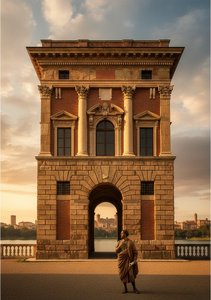
Giulio Romano: A Master of Mannerism & the Palazzo Te Legacy
Explore the revolutionary art of Giulio Romano, master of Mannerism & architect of Palazzo Te. Discover his influence, investment potential, and stunning frescoes – a guide for discerning collectors.

Mastering the Line: A Comprehensive Expert Guide to Technical Precision and Expressive Depth in Drawing
Elevate your artistic practice with this expert guide to mastering the line. Discover advanced techniques in graphite, charcoal, and contour drawing designed for art students seeking technical precision and expressive depth in their fine art studies.

Mastering Charcoal: The Definitive Expert Guide to Capturing Profound Depth, Texture, and Shadow
Elevate your artistry with this definitive expert guide to mastering charcoal. Designed for art students, learn professional techniques for capturing profound depth, intricate textures, and dramatic shadows through advanced blending and chiaroscuro methods.

Charcoal Art Mastery: A Visual Journey Through Raw Power, Deep Shadows, and Expressive Texture
Master the raw power of charcoal art. Explore professional techniques in chiaroscuro, texture, and shadow to elevate your sketches from simple lines to high-impact, expressive masterpieces. A visual guide for art students seeking technical precision and emotional depth.
