
 Megtekintés
 Küldés
 Megosztás
 Részletek

 Letöltés
 Hasonló darabok
 X-ray felvétel
 Diavetítés
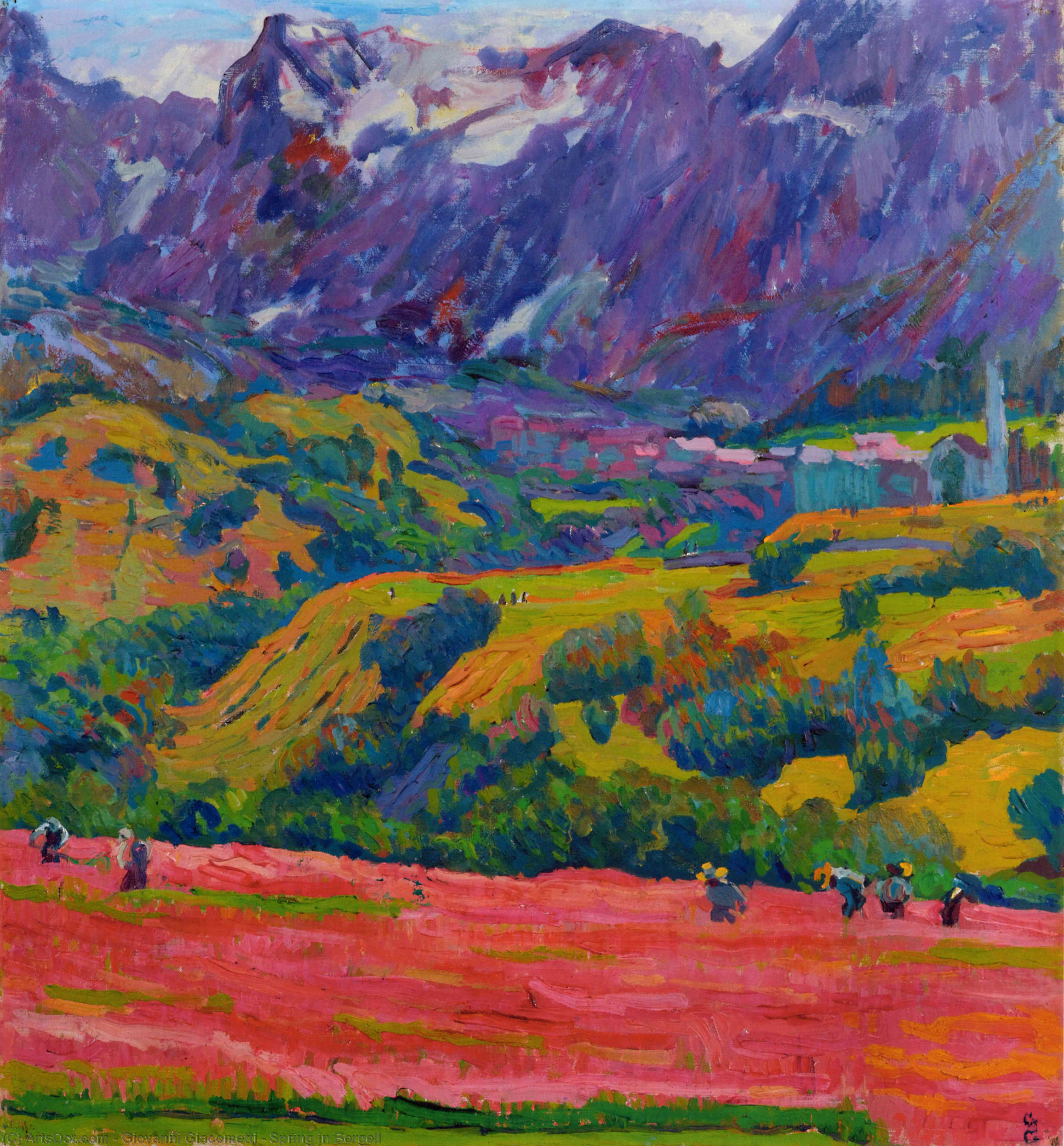
Spring in Bergell


 Összes részlet megjelenítése
Giclée / Műnyomat
Múzeumi minőségű giclée vagy vászonnyomat, gyors gyártással és rugalmas finomítási lehetőségekkel. ( Kézzel festett másolat rendelése Kép letöltése)




P118B $10

P118H $10

P118W $10

P438Z $10

P508JH $12

P508YH $12

P805H $10

P805Z $10

P919BZ $10

P919G $10

P919XJ $10

P959ZH $10

P968JZ $12

W106C $8

W218G $10

W218JH $8

W218Y $10

W307PJ $10

W316G $10

W316PJ $8

W316Y $10

W398PJ $8

W4111J $10

W500HY $15

W500JH $15

W692G $12

W849H $8

W940BG $15

W953PJ $8




Válasszon előre meghatározott méreteink közül, amelyek megfelelnek a műalkotás eredeti arányainak.

Megadhat saját méreteket is egy konkrét kerethez vagy helyszínhez igazítva. Amennyiben a kiválasztott méret nem egyezik az eredeti kép arányokkal, a műalkotást le fogjuk vágni, vagy kiegészítjük a képet tükrözött vagy egyszínű szélekkel. A gyártás megkezdése előtt egy digitális tervezetet küldünk jóváhagyásra.
Kérjük, vegye figyelembe, hogy a képernyőn látható előnézet nem tükrözi a tényleges levágást vagy kiegészítést. Csak a tervezet mutatja pontosan a végső kompozíciót.
Bár az egyedi méretek is elérhetőek, az eredeti arányok megőrzése érdekében azt javasoljuk, hogy válasszon a előre meghatározott listából származó méretet.
Világszerte történő kiszállítás területére mindössze 2 hét alatt, a szokásos 4-5 hét helyett. (20 augusztus)

Ingyenes globális expressz szállítás

Prémium minőségű len vászon

Teljes körű szállítási biztosítás

Vámvisszatérítési Garancia

Hiteles színpontosság garancia

60 napos visszaküldési lehetőség (csak hibás termékek esetén)

100% pénzvisszatérítési garancia

Több darab vásárlása esetén kedvezmény
 Az üvegkeretes opció csak 110 cm alatti méretben érhető el

Spring in Bergell
Giclée / Műnyomat
Reprodukció mérete
-


Összesített ár
$ 80
Gyűjthető leírása
A Symphony of Alpine Serenity
In the gentle light of a Swiss morning, Giovanni Giacometti’s Spring in Bergell invites the viewer into a world where time seems to slow, suspended in the delicate transition of the seasons. This exquisite masterpiece captures a moment of profound connection between humanity and the rugged majesty of the Alps. As the eye wanders across the sun-drenched hillside, it encounters a spirited procession of riders and horses, moving gracefully through the verdant landscape. The scene is not merely a depiction of a journey, but an evocative celebration of camaraderie and the rejuvenating spirit of spring. There is a palpable sense of movement in the way the figures traverse the terrain, suggesting a shared adventure that resonates with anyone who has ever found solace in the great outdoors.
The artistry of Giacometti shines through his masterful command of light and atmosphere. Painted in 1912, the work reflects a sophisticated understanding of the Swiss landscape, utilizing a palette that breathes with life. The lush greens of the meadow are punctuated by the soft, hazy blues of the distant mountains, creating a sense of immense depth and scale. His technique employs a delicate touch, where brushstrokes serve to build texture rather than define harsh boundaries, allowing the sunlight to appear as if it is truly dancing across the hillsides. This impressionistic approach softens the edges of reality, transforming a simple afternoon ride into a dreamlike vision of pastoral perfection.
The Soul of the Swiss Landscape
To understand Spring in Bergell, one must look to the heart of the artist himself. Giovanni Giacometti was a man whose very identity was woven into the fabric of the Swiss mountains. Having studied in the prestigious academies of Munich and Paris, he brought a refined, international sensibility back to his homeland, blending academic precision with a deep, emotional reverence for nature. In this painting, we see the culmination of that journey—a style that honors the structural grandeur of the Alps while capturing the fleeting, ephemeral beauty of a single spring day. The composition, featuring both the primary group of riders and the subtle presence of observers in the distance, creates a layered narrative of community and shared experience.
For the discerning collector or interior designer, this piece offers more than just aesthetic beauty; it provides an emotional anchor for any space. The painting’s ability to evoke feelings of peace, nostalgia, and vitality makes it a versatile centerpiece. Whether placed in a sunlit gallery or a sophisticated contemporary living room, Spring in Bergell acts as a window into a more tranquil era. It serves as a constant reminder of the enduring allure of nature and the simple joys of companionship. Owning a high-quality reproduction of this work allows one to bring the timeless, breathing essence of the Bergell valley into the modern home, fostering an atmosphere of elegance and contemplative calm.
A művész életrajza
A Life Immersed in the Swiss Landscape
Giovanni Ulrico Giacometti, born on March 7, 1868, in Borgonovo, Switzerland, was a painter whose life and work became inextricably linked to the dramatic beauty of his native land. He hailed from a large family—one of eight children—with a father who skillfully balanced the roles of baker and café proprietor. This upbringing, coupled with the artistic influence of his cousin, Augusto Giacometti, also a painter, laid the foundation for Giovanni’s lifelong dedication to art. His formal training commenced at the Kunstgewerbeschule in Munich in 1886; however, he soon found the school's rigid structure ill-suited to his burgeoning artistic vision. A pivotal decision led him to Paris, where he studied under William Adolphe Bouguereau and Joseph Nicolas Robert-Fleury at the Académie Julian until financial constraints compelled a return to Switzerland in 1891. These early experiences—a blend of formal training and independent exploration—served as crucial building blocks for his distinctive style, one that would eventually bridge traditional techniques with the emerging currents of modern art.The Profound Influence of Segantini and the Dawn of Divisionism
A period of artistic wandering followed Giacometti’s return to Switzerland, yet a transformative encounter in 1894 proved pivotal. Meeting Giovanni Segantini, a master painter renowned for his ability to capture light and atmosphere within the majestic Swiss Alps, marked a defining moment in Giacometti's development. Segantini wasn't merely an acquaintance; he was a mentor—a guiding force who opened Giacometti’s eyes to the sublime beauty of the region and introduced him to the principles of Divisionism. This technique, characterized by applying small dots or strokes of color, created a vibrant, luminous effect, fundamentally altering Giacometti’s approach to painting. The Bergell region, with its towering peaks and dramatic vistas—a constant source of inspiration—began to shape not only his artistic style but also his emotional connection to the land. Segantini's influence is readily apparent in Giacometti’s early landscapes, which increasingly reflected the artist’s sensitivity to light and his ability to convey the grandeur of nature. The use of Divisionism allowed him to achieve a remarkable sense of luminosity and depth, capturing the fleeting effects of sunlight on mountain surfaces with unprecedented realism.A Journey Through Styles: From Impressionism to Expressionism
Giacometti's artistic journey wasn’t confined to a single style; rather, it was characterized by a continuous exploration and experimentation throughout his career. While profoundly influenced by Segantini, he consistently sought new ways to express himself, moving beyond the initial embrace of Divisionism. This period saw him delve into various styles—from Impressionism to hints of Expressionism—demonstrating a remarkable willingness to challenge conventions and push the boundaries of traditional painting. He incorporated elements of Symbolism and Art Nouveau, adding layers of meaning and decorative flair to his compositions. His subject matter remained largely focused on landscape and portraiture, but within these genres, he displayed considerable versatility, ranging from intimate depictions of family members to sweeping panoramas of the Swiss Alps. Notable works such as “In the Goat Barn,” “Capolago in Winter,” and “Morning sun on the lake Sils” exemplify his mastery of light, color, and composition—testaments to his evolving artistic vision.Recognition and Legacy: A Family of Artists
Giovanni Giacometti’s career gained significant recognition during his lifetime. His first exhibition, showcasing a selection of his early works, took place at the Kunsthaus Zürich in 1898, alongside Cuno Amiet and Ferdinand Hodler—a testament to the burgeoning artistic scene in Switzerland at the time. He continued to participate in numerous exhibitions throughout his career, including significant showings with Die Brücke in 1908 and the Berlin Secession in 1911, solidifying his position as a prominent figure within the Swiss art community. In 1900, he married Annetta Stampa, and together they raised a family—a creative environment that nurtured the talents of their children: Alberto, Diego, and Bruno. While perhaps overshadowed by the international fame of his sons, Giovanni was a respected artist in his own right, leaving behind a legacy not only through his individual works but also through the artistic development of his descendants. He served on the Eidgenössische Kunstkommission (Swiss Federal Art Commission) from 1918-1921 and again from 1931-1932, demonstrating his commitment to supporting the arts within Switzerland. Giovanni Giacometti passed away in 1933, leaving behind a body of work that stands as a significant contribution to Swiss art history—a bridge between traditional techniques and the emerging modern era.Key Works
- In the Goat Barn (1897): A prime example of Giacometti’s early landscapes, showcasing his mastery of light and atmosphere.
- Capolago in Winter (1902): Demonstrates his ability to capture the beauty of the Swiss Alps during winter months.
- Morning sun on lake Sils (1903): A luminous depiction of a mountain landscape, utilizing Divisionist techniques to create a sense of depth and vibrancy.
- Portrait of Ottilia Giacometti (1904): A touching portrait of his daughter, revealing his skill in capturing human emotion.

Giacometti Giovanni
1868 - 1933 , Svájc
A művészről röviden
- Artistic Movement Or Style: Post-Impressionista, Expressionista
- Artists Or Movements Influenced By This Artist:
- Alberto Giacometti
- Diego Giacometti
- Artists Who Influenced This Artist: ['Giovanni Segantini']
- Date Of Birth: March 7, 1868
- Date Of Death: June 25, 1933
- Full Name: Giovanni Ulrico Giacometti
- Nationality: Svájci
- Notable Artworks:
- In the Goat Barn
- Capolago in Winter
- Morning sun on lake Sils
- Place Of Birth: Borgonovo, Svájc
Kapcsolódó cikkek
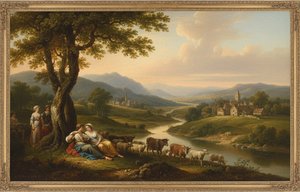
Idyllic Visions: Exploring the Pastoral Tradition in Western Art – Themes, Techniques & Enduring Appeal
Explore the rich history of pastoral art from classical Arcadia to contemporary interpretations. Discover key artists, themes & collecting tips at OriginalUniqueArt.

Idyllic Visions: Exploring the Pastoral Scene in Art History – From Arcadia to Modern Interpretations
Explore the captivating history of pastoral art from classical Arcadia to modern masterpieces. Discover key artists like Millet & Cole at OriginalUniqueArt. Find serene landscape paintings for your home.
Idyllic Visions: Exploring Pastoral Scenes in Art History – From Arcadia to Modern Interpretations
Explore the captivating history of pastoral art, from classical Arcadia to 19th-century masterpieces. Discover key artists like Millet & Cole and find serene landscape paintings for your home at OriginalUniqueArt.
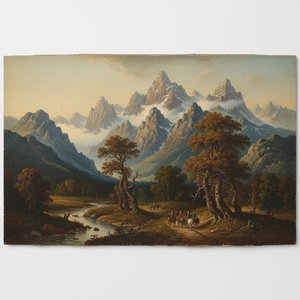
Majestic Peaks on Canvas: A Historical & Artistic Exploration of Mountains in Fine Art
Explore the history of mountain painting! Discover Romantic masterpieces & key artists like Dahl & Calame. Learn about the Sublime & Picturesque aesthetics and find your perfect artwork at OriginalUniqueArt.
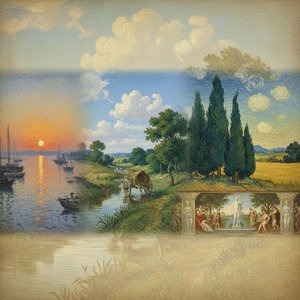
Evocations of Open Air: A Comprehensive Exploration of Outdoor Scenes in Art History
Explore the rich history of outdoor painting! Discover Impressionism, en plein air techniques & renowned landscape artists. Learn about light, color & enduring artistic legacies with OriginalUniqueArt.

