
 Megtekintés
 Küldés
 Megosztás
 Részletek

 Letöltés
 Hasonló darabok
 X-ray felvétel
 Diavetítés
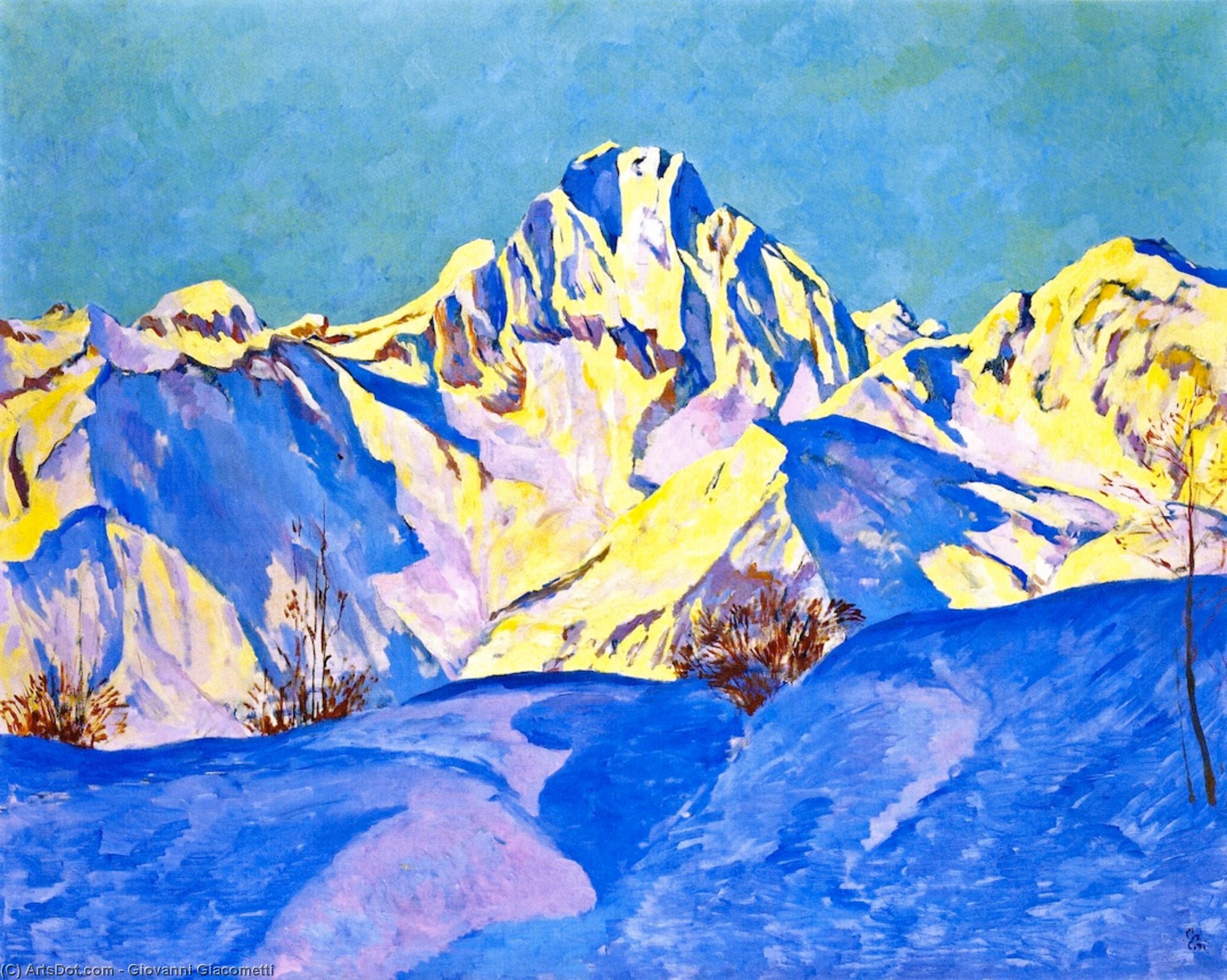
Snow Mountains
 Oil On Canvas
- WallArt
- Impressionism
 1914
1914- Modern
 100.0 x 125.0 cm
 Összes részlet megjelenítése
Kézzel készített olajfestmény reprodukció
Kézzel festett olajvastú vászon, az Ön által választott méretben és keretben, művészeink készítik meglévőre. ( Nyomat rendelése Kép letöltése)




P118B $10

P118H $10

P118W $10

P438Z $10

P508JH $12

P508YH $12

P805H $10

P805Z $10

P919BZ $10

P919G $10

P919XJ $10

P959ZH $10

P968JZ $12

W106C $8

W218G $10

W218JH $8

W218Y $10

W307PJ $10

W316G $10

W316PJ $8

W316Y $10

W398PJ $8

W4111J $10

W500HY $15

W500JH $15

W692G $12

W849H $8

W940BG $15

W953PJ $8




Válasszon előre meghatározott méreteink közül, amelyek megfelelnek a műalkotás eredeti arányainak.

Ön megadhat saját méreteket egy adott kerethez vagy térhez igazításhoz. Ha a kiválasztott méret nem egyezik az eredeti kép arányával, akkor a műalkotást levágjuk, vagy további kézzel festett elemekkel meghosszabbítjuk a festményt. A gyártás megkezdése előtt küldünk Önnek egy digitális előnézetet jóváhagyásra.
Kérjük, vegye figyelembe, hogy a képernyőn megjelenő előnézet nem tükrözi a tényleges vágást vagy kiterjesztést. Csak az előnézet fog pontosan mutatni a végső kompozíciót.
Bár egyedi méretek állnak rendelkezésre, javasoljuk, hogy válasszon egy méretet az előre meghatározott listából az eredeti arányok megőrzése érdekében.
A rendelést követően a OriginalUniqueArt.com csapata e-mailt küld az ügyfélnek az instrukciókért, és biztosít egy előnézeti képet (mockup).
Világszerte elérhető szállítás () 3-4 hét alatt a szokásos 5 hét helyett. (21 augusztus). A minőség nem kérdőjelezhető.

Ingyenes globális expressz szállítás

Prémium minőségű len vászon

Teljes körű szállítási biztosítás

Vámvisszatérítési Garancia

Hiteles színpontosság garancia

60 napos visszaküldési lehetőség (csak hibás termékek esetén)

100% pénzvisszatérítési garancia

Több darab vásárlása esetén kedvezmény
 Az üvegkeretes opció csak 110 cm alatti méretben érhető el

Snow Mountains
Reprodukciós technika
Reprodukció mérete
-


Összesített ár
$ 300
A műalkotás leírása
A Majestic Encounter with the Alpine Sublime
In the quietude of 1914, Giovanni Giacometti captured a moment of profound stillness in his masterpiece, 'Snow Mountains.' This breathtaking oil on canvas serves as more than just a landscape; it is an invitation into a world where the earth meets the heavens in a silent, frozen embrace. The composition is dominated by a monumental mountain range, its jagged peaks draped in heavy, pristine snow that seems to glow against the crisp clarity of the Swiss sky. As the eye wanders across the canvas, one discovers smaller, intricate peaks that emerge from the larger mass, providing a sense of immense depth and geological complexity. This rhythmic layering of stone and ice creates a visual symphony of scale, making the viewer feel both humbled by the grandeur of nature and intimately connected to its serene rhythm.
The artist’s technical mastery is evident in the way he utilizes the rich textures of oil paint to breathe life into the inanimate. Giacometti employs a delicate balance of light and shadow to define the rugged contours of the mountains, allowing the brilliant whites of the snow to contrast sharply with the deep, cool shadows tucked within the crevices. Scattered throughout this wintry expanse are resilient trees, their dark silhouettes acting as vital anchors within the composition. These botanical elements do more than provide scale; they offer a poignant contrast between the ephemeral life of the forest and the eternal, unchanging presence of the mountains. The interplay between the vibrant blue sky and the stark white landscape creates a harmonious color palette that is both invigorating and soothing to the soul.
Historical Resonance and Artistic Legacy
To understand 'Snow Mountains' is to understand the lineage of Swiss artistic excellence. Giovanni Giacometti, a painter whose life was deeply rooted in the dramatic landscapes of his homeland, brought a unique sensitivity to the depiction of nature. While he moved through various stylistic evolutions—from the structured training in Munich to the vibrant influences of Paris—his heart remained tether of the Alps. This painting stands as a testament to that enduring connection. It is also a piece steeped in familial legacy, as Giovanni was the patriarch of an extraordinary artistic dynasty, most notably the father of the world-renowned sculptor Alberto Giacometti. In this work, we see the precursor to a modern sensibility: a focus on form, atmosphere, and the raw emotional power of the environment.
For the discerning collector or interior designer, 'Snow Mountains' offers an unparalleled opportunity to introduce a sense of tranquility and prestige into a living space. The painting’s ability to evoke feelings of awe and peace makes it a versatile centerpiece, capable of anchoring a room with its commanding presence while simultaneously providing a window of escapism. Whether placed in a contemporary gallery-style setting or a classic, traditional study, this reproduction captures the timeless essence of the natural world. It is not merely a depiction of scenery, but an emotional experience—a frozen moment of perfection that continues to inspire wonder more than a century after its creation.
A művész életrajza
A Life Immersed in the Swiss Landscape
Giovanni Ulrico Giacometti, born on March 7, 1868, in Borgonovo, Switzerland, was a painter whose life and work became inextricably linked to the dramatic beauty of his native land. He hailed from a large family—one of eight children—with a father who skillfully balanced the roles of baker and café proprietor. This upbringing, coupled with the artistic influence of his cousin, Augusto Giacometti, also a painter, laid the foundation for Giovanni’s lifelong dedication to art. His formal training commenced at the Kunstgewerbeschule in Munich in 1886; however, he soon found the school's rigid structure ill-suited to his burgeoning artistic vision. A pivotal decision led him to Paris, where he studied under William Adolphe Bouguereau and Joseph Nicolas Robert-Fleury at the Académie Julian until financial constraints compelled a return to Switzerland in 1891. These early experiences—a blend of formal training and independent exploration—served as crucial building blocks for his distinctive style, one that would eventually bridge traditional techniques with the emerging currents of modern art.The Profound Influence of Segantini and the Dawn of Divisionism
A period of artistic wandering followed Giacometti’s return to Switzerland, yet a transformative encounter in 1894 proved pivotal. Meeting Giovanni Segantini, a master painter renowned for his ability to capture light and atmosphere within the majestic Swiss Alps, marked a defining moment in Giacometti's development. Segantini wasn't merely an acquaintance; he was a mentor—a guiding force who opened Giacometti’s eyes to the sublime beauty of the region and introduced him to the principles of Divisionism. This technique, characterized by applying small dots or strokes of color, created a vibrant, luminous effect, fundamentally altering Giacometti’s approach to painting. The Bergell region, with its towering peaks and dramatic vistas—a constant source of inspiration—began to shape not only his artistic style but also his emotional connection to the land. Segantini's influence is readily apparent in Giacometti’s early landscapes, which increasingly reflected the artist’s sensitivity to light and his ability to convey the grandeur of nature. The use of Divisionism allowed him to achieve a remarkable sense of luminosity and depth, capturing the fleeting effects of sunlight on mountain surfaces with unprecedented realism.A Journey Through Styles: From Impressionism to Expressionism
Giacometti's artistic journey wasn’t confined to a single style; rather, it was characterized by a continuous exploration and experimentation throughout his career. While profoundly influenced by Segantini, he consistently sought new ways to express himself, moving beyond the initial embrace of Divisionism. This period saw him delve into various styles—from Impressionism to hints of Expressionism—demonstrating a remarkable willingness to challenge conventions and push the boundaries of traditional painting. He incorporated elements of Symbolism and Art Nouveau, adding layers of meaning and decorative flair to his compositions. His subject matter remained largely focused on landscape and portraiture, but within these genres, he displayed considerable versatility, ranging from intimate depictions of family members to sweeping panoramas of the Swiss Alps. Notable works such as “In the Goat Barn,” “Capolago in Winter,” and “Morning sun on the lake Sils” exemplify his mastery of light, color, and composition—testaments to his evolving artistic vision.Recognition and Legacy: A Family of Artists
Giovanni Giacometti’s career gained significant recognition during his lifetime. His first exhibition, showcasing a selection of his early works, took place at the Kunsthaus Zürich in 1898, alongside Cuno Amiet and Ferdinand Hodler—a testament to the burgeoning artistic scene in Switzerland at the time. He continued to participate in numerous exhibitions throughout his career, including significant showings with Die Brücke in 1908 and the Berlin Secession in 1911, solidifying his position as a prominent figure within the Swiss art community. In 1900, he married Annetta Stampa, and together they raised a family—a creative environment that nurtured the talents of their children: Alberto, Diego, and Bruno. While perhaps overshadowed by the international fame of his sons, Giovanni was a respected artist in his own right, leaving behind a legacy not only through his individual works but also through the artistic development of his descendants. He served on the Eidgenössische Kunstkommission (Swiss Federal Art Commission) from 1918-1921 and again from 1931-1932, demonstrating his commitment to supporting the arts within Switzerland. Giovanni Giacometti passed away in 1933, leaving behind a body of work that stands as a significant contribution to Swiss art history—a bridge between traditional techniques and the emerging modern era.Key Works
- In the Goat Barn (1897): A prime example of Giacometti’s early landscapes, showcasing his mastery of light and atmosphere.
- Capolago in Winter (1902): Demonstrates his ability to capture the beauty of the Swiss Alps during winter months.
- Morning sun on lake Sils (1903): A luminous depiction of a mountain landscape, utilizing Divisionist techniques to create a sense of depth and vibrancy.
- Portrait of Ottilia Giacometti (1904): A touching portrait of his daughter, revealing his skill in capturing human emotion.

Giacometti Giovanni
1868 - 1933 , Svájc
A művészről röviden
- Artistic Movement Or Style: Post-Impressionista, Expressionista
- Artists Or Movements Influenced By This Artist:
- Alberto Giacometti
- Diego Giacometti
- Artists Who Influenced This Artist: ['Giovanni Segantini']
- Date Of Birth: March 7, 1868
- Date Of Death: June 25, 1933
- Full Name: Giovanni Ulrico Giacometti
- Nationality: Svájci
- Notable Artworks:
- In the Goat Barn
- Capolago in Winter
- Morning sun on lake Sils
- Place Of Birth: Borgonovo, Svájc
Kapcsolódó cikkek

A kék árnyalatai: 10 ikonikus festmény a Slate Blue szín jegyében | OriginalUniqueArt.com
Fedezze fel a 10 legikonikusabb festményt, melyeket a Slate Blue szín ural! Monet, Renoir és más mesterek művei inspirálnak. Vászonképek eladás, otthon dekoráció tippek a OriginalUniqueArt.com-on. Explore the full collection online!
A Tájkép Mesterei: 10 Képi Gyöngyem a Természet Szerelemről – OriginalUniqueArt.com
Fedezze fel a 10 legikonikusabb tájkép festményt! Monet, Van Gogh és más mesterek művei inspirálnak. Művészeti reprodukciók magas minőségben – tökéletes dekoráció otthonába. Böngésszen OriginalUniqueArt.com-on!

A Romantikus Tájképfestészet 10 Legikonikusabb Műalkotása – OriginalUniqueArt.com
Fedezze fel a romantikus tájképfestészet 10 legikonikusabb műalkotását! Caspar David Friedrich, J.M.W. Turner és más mesterek festményeinek története – inspiráló olajfestmények otthonába. OriginalUniqueArt.com: múzeumi minőségű reprodukciók és egyedi dekorációk online.

John Constable 25 Mesterműve: A Természet Lényege Vászonon – OriginalUniqueArt.com
Fedezze fel John Constable 25 legszebb művészeti alkotását! Ismerje meg a romantika ikonikus tájképeit, Dedham Vale szépségét és a természet lenyűgöző ábrázolásait. Vászonkép reprodukcióinkkal eleganciát csempészhet otthonába – OriginalUniqueArt.com

Evocations of Place: A Historical Journey Through Landscape Art
Explore the rich history of landscape art with OriginalUniqueArt. Discover renowned artists, movements like Impressionism & Romanticism, and expert guidance for collecting timeless pieces. Find your perfect serene escape today!

