
 Megtekintés
 Küldés
 Megosztás
 Részletek

 Letöltés
 Hasonló darabok
 X-ray felvétel
 Diavetítés
 Statisztika
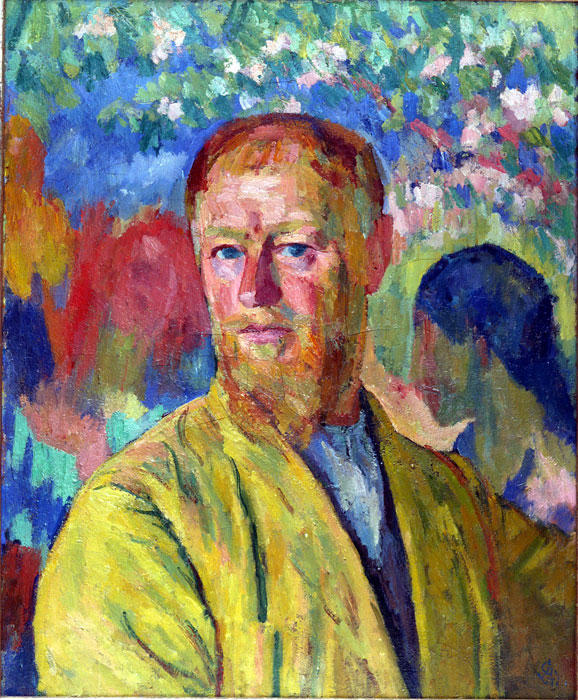
Self portrait


 Összes részlet megjelenítése
Vásároljon nagy felbontású, javított digitális képet, amely minőségében messze felülmúlja az online előnézetet.
Minden fájlt szakembereink a legmodernebb eszközök és precíz, kézi retusálás segítségével készítenek el aprólékosan. Gondoskodunk arról, hogy minden kép kivételes tisztasággal, pontos színhelyességgel és részletgazdag finomsággal rendelkezzen.
A végleges fájl 72 órán belül e-mailben megérkezik, professzionális, szerkesztői és nyomtatási környezetbe optimalizálva az azonnali használathoz. Ez ugyanaz a minőség, amelyben a legmeghatározóbb tervezőstúdiók, kiadók és galériák is megbízhatnak.
Digitális kép
Töltsön le nagy felbontású fájlt személyes kiállításokhoz, nyomtatáshoz és kreatív projektekhez. ( Áttérés Nyomtatványra Kézzel festett másolat rendelése)
Minden digitális kép rendeléséhez tartozó extrák
Szakértői digitális kézbesítés, garantáltan
Amikor a OriginalUniqueArt.com szolgáltatást választja, nem csupán egy képet kap – professzionálisan felmagasított digitális műalkotást kap, amely precizitással készült, és amelyet megelégsedési gwarancia tesz biztoslássá. Az alábbiakban automatikusan minden benne 】

Gyors e-mail teslimítés
A nagy felbontású digitális képmásolatát a megrendelést követő 72 órán belül e-mailben elküldjük Önnek – azonnal használható formátumban.

MI-alapú digitális fejlesztésű fájl
Műve professzionális módon kerül optimalizálásra fejlett mesterséges intelligencia eszközök és manuális szerkesztés segítségével, biztosítva a maximális részletességet, tisztaságot és színpontosságot.

Örök életű ingyenes újradelivery
Véletlenül törölted vagy elvesztetted a fájlodat? Ne aggódj – bármikor ingyen újra megküldjük neked.

Nincs importköltség – soha
Élvezze műalkotásait azonnal, vám, illeték vagy szállítási költség nélkül – a digitális letöltések mindig adamentesek.

Színpontosság garantálása
Professzionális eszközök és színkezelés segítségével garantáljuk, hogy digitális képe a lehető legpontosabban tükrözze az eredeti színeket.

100 napos elégedettségi garancia
Ha nemມີ elégedett a digitális képével, 100 napon belül felülvizsgáljuk vagy 100% visszatérítjük az amountot – kérdés बिना.

100% Pénzvisszatérítési garancia
Nem tetszett a vásárlás? 100 napon belül teljes visszatérítést garantálunk a digitális fájl megvételétől számítva – kérdés बिना.

Tömegrendelési kedvezmények
Vásároljon 3 képet, spóroljon 10%-et - Vásároljon 5-öt, spóroljon 15%-et - Vásároljon 10+ képet, spóroljon 20%-at. Kiváló kreatív projektekhez, galériákhoz és ügynökségekhez.
A művész életrajza
A Life Immersed in the Swiss Landscape
Giovanni Ulrico Giacometti, born on March 7, 1868, in Borgonovo, Switzerland, was a painter whose life and work became inextricably linked to the dramatic beauty of his native land. He hailed from a large family—one of eight children—with a father who skillfully balanced the roles of baker and café proprietor. This upbringing, coupled with the artistic influence of his cousin, Augusto Giacometti, also a painter, laid the foundation for Giovanni’s lifelong dedication to art. His formal training commenced at the Kunstgewerbeschule in Munich in 1886; however, he soon found the school's rigid structure ill-suited to his burgeoning artistic vision. A pivotal decision led him to Paris, where he studied under William Adolphe Bouguereau and Joseph Nicolas Robert-Fleury at the Académie Julian until financial constraints compelled a return to Switzerland in 1891. These early experiences—a blend of formal training and independent exploration—served as crucial building blocks for his distinctive style, one that would eventually bridge traditional techniques with the emerging currents of modern art.The Profound Influence of Segantini and the Dawn of Divisionism
A period of artistic wandering followed Giacometti’s return to Switzerland, yet a transformative encounter in 1894 proved pivotal. Meeting Giovanni Segantini, a master painter renowned for his ability to capture light and atmosphere within the majestic Swiss Alps, marked a defining moment in Giacometti's development. Segantini wasn't merely an acquaintance; he was a mentor—a guiding force who opened Giacometti’s eyes to the sublime beauty of the region and introduced him to the principles of Divisionism. This technique, characterized by applying small dots or strokes of color, created a vibrant, luminous effect, fundamentally altering Giacometti’s approach to painting. The Bergell region, with its towering peaks and dramatic vistas—a constant source of inspiration—began to shape not only his artistic style but also his emotional connection to the land. Segantini's influence is readily apparent in Giacometti’s early landscapes, which increasingly reflected the artist’s sensitivity to light and his ability to convey the grandeur of nature. The use of Divisionism allowed him to achieve a remarkable sense of luminosity and depth, capturing the fleeting effects of sunlight on mountain surfaces with unprecedented realism.A Journey Through Styles: From Impressionism to Expressionism
Giacometti's artistic journey wasn’t confined to a single style; rather, it was characterized by a continuous exploration and experimentation throughout his career. While profoundly influenced by Segantini, he consistently sought new ways to express himself, moving beyond the initial embrace of Divisionism. This period saw him delve into various styles—from Impressionism to hints of Expressionism—demonstrating a remarkable willingness to challenge conventions and push the boundaries of traditional painting. He incorporated elements of Symbolism and Art Nouveau, adding layers of meaning and decorative flair to his compositions. His subject matter remained largely focused on landscape and portraiture, but within these genres, he displayed considerable versatility, ranging from intimate depictions of family members to sweeping panoramas of the Swiss Alps. Notable works such as “In the Goat Barn,” “Capolago in Winter,” and “Morning sun on the lake Sils” exemplify his mastery of light, color, and composition—testaments to his evolving artistic vision.Recognition and Legacy: A Family of Artists
Giovanni Giacometti’s career gained significant recognition during his lifetime. His first exhibition, showcasing a selection of his early works, took place at the Kunsthaus Zürich in 1898, alongside Cuno Amiet and Ferdinand Hodler—a testament to the burgeoning artistic scene in Switzerland at the time. He continued to participate in numerous exhibitions throughout his career, including significant showings with Die Brücke in 1908 and the Berlin Secession in 1911, solidifying his position as a prominent figure within the Swiss art community. In 1900, he married Annetta Stampa, and together they raised a family—a creative environment that nurtured the talents of their children: Alberto, Diego, and Bruno. While perhaps overshadowed by the international fame of his sons, Giovanni was a respected artist in his own right, leaving behind a legacy not only through his individual works but also through the artistic development of his descendants. He served on the Eidgenössische Kunstkommission (Swiss Federal Art Commission) from 1918-1921 and again from 1931-1932, demonstrating his commitment to supporting the arts within Switzerland. Giovanni Giacometti passed away in 1933, leaving behind a body of work that stands as a significant contribution to Swiss art history—a bridge between traditional techniques and the emerging modern era.Key Works
- In the Goat Barn (1897): A prime example of Giacometti’s early landscapes, showcasing his mastery of light and atmosphere.
- Capolago in Winter (1902): Demonstrates his ability to capture the beauty of the Swiss Alps during winter months.
- Morning sun on lake Sils (1903): A luminous depiction of a mountain landscape, utilizing Divisionist techniques to create a sense of depth and vibrancy.
- Portrait of Ottilia Giacometti (1904): A touching portrait of his daughter, revealing his skill in capturing human emotion.

Giacometti Giovanni
1868 - 1933 , Svájc
Érdekességek
- Artistic Movement Or Style: Post-Impressionista, Expressionista
- Artists Or Movements Influenced By This Artist:
- Alberto Giacometti
- Diego Giacometti
- Artists Who Influenced This Artist: ['Giovanni Segantini']
- Date Of Birth: March 7, 1868
- Date Of Death: June 25, 1933
- Full Name: Giovanni Ulrico Giacometti
- Nationality: Svájci
- Notable Artworks:
- In the Goat Barn
- Capolago in Winter
- Morning sun on lake Sils
- Place Of Birth: Borgonovo, Svájc