

 Előnézet
 Megosztás
 Megosztás
 Részletek
 Útmutató

 Letöltés
 Hasonló darabok
 X-ray felvétel
 Diavetítés
 Statisztika
Recital


 Tovább olvasom
Giclée / Műnyomat
Múzeumi minőségű giclée vagy vászonnyomat, gyors gyártással és rugalmas finomítási lehetőségekkel. ( Kézzel festett másolat vásárlása Áttérés digitális képre)




P118B Ft10

P118H Ft10

P118W Ft10

P438Z Ft10

P508JH Ft12

P508YH Ft12

P805H Ft10

P805Z Ft10

P919BZ Ft10

P919G Ft10

P919XJ Ft10

P959ZH Ft10

P968JZ Ft12

W106C Ft8

W218G Ft10

W218JH Ft8

W218Y Ft10

W307PJ Ft10

W316G Ft10

W316PJ Ft8

W316Y Ft10

W398PJ Ft8

W4111J Ft10

W500HY Ft15

W500JH Ft15

W692G Ft12

W849H Ft8

W940BG Ft15

W953PJ Ft8




Válasszon előre meghatározott méreteink közül, amelyek megfelelnek a műalkotás eredeti arányainak.

Írja be a keretének vagy a falának megfelelő szélességet és magasságot. A nyomatot csak le lehet vágni, soha nem tehető nagyobbá, mint az eredeti kép, így egy eltérő alakú méretnél a kép egy része elveszik. Mielőtt bármit kinyatintanánk, küldünk egy digitális próbamodellt jóváhagyásra. Az oldalon látható kép nem tartalmazza a valós levágást — ezt csak a próbamodell mutatja meg.
Világszerte történő kiszállítás területére mindössze 2 hét alatt, a szokásos 4-5 hét helyett. (21 október)

Ingyenes globális expressz szállítás

Prémium minőségű len vászon

Teljes körű szállítási biztosítás

Vámvisszatérítési Garancia

Tökéletes színarányosság garancia

100 napos visszaküldési garancia (csak gyártási hibás termékek esetén)

100% pénzvisszatérítési garancia

Több darab vásárlásakor kedvezmény
 Az üvegkeretes opció csak 110 cm alatti méretben érhető el

Recital
Giclée / Műnyomat
Reprodukció méretei
-


Összesített ár
Ft 25277
A Portrait of Belle Époque Grace: Giovanni Boldini’s “Recital”
Giovanni Boldini's "Recital," painted in 1884, is more than just a portrait; it’s a meticulously crafted evocation of the elegance and social grace that defined the Belle Époque. This captivating scene, depicting a woman lost in the music of her piano, immediately transports the viewer to a world of refined leisure and artistic aspiration. Boldini, a master of capturing fleeting moments and the subtle nuances of human expression, expertly utilizes light and color to create an image brimming with atmosphere and emotion.
- Subject Matter: The central figure is a woman engaged in a private recital, her posture suggesting both concentration and vulnerability. Her attire – a dress designed to flatter her form – speaks of wealth and social standing, hallmarks of the era.
- Composition: Boldini’s masterful composition draws the eye directly to the pianist, utilizing a shallow depth of field that emphasizes her presence while subtly hinting at the supporting figures within the scene. The placement of the window behind her not only provides natural light but also creates a sense of narrative – she is performing for an unseen audience.
The Boldini Technique: Light, Color, and Illusion
Boldini’s technique was renowned for its remarkable ability to create an illusion of depth and movement. He achieved this through a combination of meticulous brushwork—often applied in short, broken strokes—and his masterful manipulation of light and color. Notice the way he renders the piano keys, not with rigid detail but with shimmering highlights that suggest their reflective surfaces. The use of warm tones – ochres, reds, and golds – contrasts beautifully with the cooler blues and greens of the background, creating a dynamic visual harmony. This technique, heavily influenced by his time with the Macchiaioli, prioritized capturing the *impression* of light rather than photographic realism.
- Broken Brushwork: Boldini’s signature style involved layering countless tiny strokes to build up color and form, resulting in a luminous effect.
- Color Palette: The carefully chosen palette contributes significantly to the painting's mood – opulent yet intimate.
Symbolism and Context within the Belle Époque
"Recital" is deeply rooted in the social and artistic climate of the late 19th century. Boldini was a prominent figure in Parisian society, frequently commissioned to paint portraits of wealthy industrialists, artists, and actresses. The scene reflects the era’s fascination with music, performance, and the pursuit of beauty. The presence of the two supporting figures – one standing behind the pianist and another further back – adds to the narrative, suggesting an audience or perhaps a fellow musician. This was a time when portraiture wasn't simply about likeness; it was about projecting status, wealth, and cultural refinement.
- Social Portraiture: The painting exemplifies the trend of social portraiture during the Belle Époque, where artists captured not just physical appearances but also social roles and aspirations.
- The Macchiaioli Influence: Boldini’s work demonstrates the lasting impact of his encounter with the Macchiaioli movement, particularly in its emphasis on vibrant color and spontaneous brushwork.
Emotional Impact and Artistic Legacy
"Recital" continues to resonate with viewers today due to its evocative portrayal of a moment of quiet contemplation and artistic expression. Boldini’s ability to capture the sitter's personality—her poise, her focus, her vulnerability—is truly remarkable. This painting stands as a testament to Boldini’s genius and his enduring legacy as one of the most celebrated portraitists of the Belle Époque. A hand-painted reproduction offers an unparalleled opportunity to experience the beauty and artistry of this iconic work firsthand.
Gyakran Ismételt Kérdések
Milyen módon kapcsolódik össze a „Recital”, Boldini János alkotása a Impressionism irányzatot a művész honcountryjához?
A "Recital" a alkotó születésihelyén keresztül köti össze a Impressionism irányzatot Olaszország-val.
Hogyan ötvölik a kontraszt és a harmónia a(z) "Recital" alkotásban?
A „Recital”, Boldini János alkotása színes kompozíció egy Bold kontrasztot és egy Strong Color Unity harmóniát ötvöz.
Hol vásárolhatok egy nyomtatványt a(z) „Recital”, Boldini János alkotása alkotásból?
A „Recital”, Boldini János alkotása nyomata közvetlenül a következő oldalon rendelhető meg: Minőségi műalkotás nyomat: minőségi giclée nyomat pamutvászonon vagy archiváló vászonpapíron.
A művész életrajza
A Master of Swish: The Life and Art of Giovanni Boldini
Giovanni Boldini, a névszint a Belle Époque eleganciájának és vonzerejének szinonimája, egy olasz festő volt, aki Párizs társadalmában emelkedett ki mint egy dicsített portréfestő. 1842. december 31-én született Ferrarán, Olaszországban, Boldini művészi útja apja, egy vallásos témájú festő irányítása alatt kezdődött. Ez az korai bemutató alapvető technikát és kompozíciót tanított rá, de Firenzebe 1862-ben költözése valóban gyújtotta meg a kreatív szellemet. Ott találkozott a Macchiaioli csoporttal – egy olasz realista festőkkel, akik az áttérést előzték meg a kortárs Impresszionizmushoz, hangsúlyozva a fényt, a színt és a spontán végrehajtást. Ez a találkozás kulcsfontosságú volt számára, befolyásolva tájképeit egy újfajta élénkességgel és természethez való érzékenységgel. Azonban a témáinak lényegének megörökítésével – portrékkal – ért el végül tartós hírnevet.Florence-ből Párizs társadalmába
Boldini művészi útja először Londont vezetett, ahol hamar elismerést szerzett portréival, például Lady Holland és a Westminster hercegnőinek képei révén. Ez az korai siker megnyitotta az utat Párizshoz 2072-ben – egy várost, amely mindvégig otthona és ihletője lett. Párizsban Boldini merült el az művészi közegbe, barátságot kötött Edgar Degas seurával és navigálta a francia főváros bonyolult társadalmi életét. Egyedülálló stílust fejlesztett ki, amely a folytonosságon, a dinamizmuson és egy színházat idéző hangulatán alapult. Vonásai nem csupán leírók voltak; úgy tűnt, hogy megfogják a mozdulást, az egyéniséget és a témájuk körül lévő levegőt is. Ez a különleges megközelítés elnyerte számára a „Swish Master” jelzőt 1933-ban, ami annak a finom energiának volt tanúja, amely áthatotta munkáját. *A* párizsi társadalom legbefolyásosabb portréfestője lett, örökítve meg az színésznők, sznobok és nemesség életének fényűző részleteit.Technika és befolyások
Boldini technikája olyan vonzó volt, mint a ábrázolt személyiségek. Teretei gyakran nagyméretűek voltak, lehetővé téve számára, hogy egy nagyvonalú és dinamikus érzést fejezzen ki. A szabad, kifejező vonásokat használt, rétegeket építve fel színekkel a textúra és mélység érdekében. Ez az megközelítés, kombinálva a látótér iránti éles szemével és képességével pillanatnyi kifejezések rögzítésére, egy olyan portrékat eredményezett, amelyek egyszerre lenyűgözően realisztikusak és belső lényegükkel is gazdagák. Bár befolyásolta a Macchiaioli hangsúlyát a fényen és a spontánséren, Boldini inspirációt merített olyan művészekből is, mint John Singer Sargent és Paul Helleu, akik saját dinamikus vonásai tükröződtek a művészi érzékeihez. Nem csupán utánozták a hasonlóságokat; hanem impresszionisták – egyfajta szellemi kifejezés, amely a témájukat ábrázolja.Elismerések és örökség
Szakmai életében Boldini széles körben kiállított, beleértve 1895-ös, 1903-as, 1905-ös és 1912-es Velencei Biennálét. A művészi hozzájárulásaiért kitüntetésben részesült, ami megerősítette pozícióját a párizsi művészeti világban. Azonban karrierjének végén Boldini hírneve hanyatt szokott, ahogy az művészi ízvek változtak. Folytatta festést, de munkája egy idő után elbukott a látótérből, amíg utóbbi évtizedek nem hozott visszasüllyedést. A tény, hogy a 2010-ben feltárult, elfeledett portré – az színésznő Marthe de Florian képe – újfajta érdeklődést váltott ki, és felhívta a figyelmet Boldini művészetének jelentős hozzájárulására. *A* festmény körülött lévő történet – egy évtizedes elrejtett kincset, ami végül feltárt – csak tovább növeli az artisták és témáik titokzatos vonását.Egy tartós benyomás
Giovanni Boldini 1931. január 11-én halt meg Párizsban, örökítve meg hagyományát mint egyike a legbefolyásosabb és leginnovatívabb portréfestőknek az idejében. Művei ma is inspirálják művészeket és művészeti rajongókat, betekintést nyújtva egy elpasszolt korszak eleganciájába, kifinomultságába és művészi nagyságába. Nem csupán dokumentálták a társadalmat; hanem ünnebezték is – ábrázolva szépségét, energiáját és tartós vonásait a vászonon. Boldini portréi hatalmas bizonyítékok, ami mutatja képességeit, látását és képességét egyedi művészeti kifejezésként.- Boldini hatása látható a modern portréfestészetben.
- Művei megtalálhatók a világ vezető múzeumokban.
- Elfeledett munkák felfedezése újabb tudományos érdeklődést váltott ki.

Boldini János
1842 - 1931 , Olaszország
Gyors információk
- Artistic Movement Or Style: Impressionista
- Artists Or Movements Influenced By This Artist: ['John Singer Sargent']
- Artists Who Influenced This Artist: ['Macchiaioli festők']
- Date Of Birth: December 31, 1842
- Date Of Death: Január 11, 1931
- Full Name: Giovanni Boldini
- Nationality: Olasz
- Notable Artworks:
- Countess de Rasty
- A gép Marlyban
- Place Of Birth: Ferrara, Olaszország
Kapcsolódó cikkek

Echoes of Time: Exploring the Enduring Appeal & Historical Context of Vintage Art Prints
Explore the captivating world of vintage art prints! Discover their history, collecting tips & enduring appeal. Expert insights on chromolithography and building a legacy collection with OriginalUniqueArt.

Giclée Prints: Archival Quality & Aesthetic Nuances for the Discerning Collector
Explore the world of giclée prints with OriginalUniqueArt. Learn about archival quality, aesthetic nuances & investment potential. Expert guidance for discerning art collectors seeking museum-quality reproductions and lasting value.

The Enduring Legacy of Fine Art Prints: Technique, History & Aesthetic Impact
Explore the rich history & techniques of fine art prints. Discover investment potential, assess authenticity, and learn how to preserve your collection with expert guidance. Trusted insights for discerning collectors.
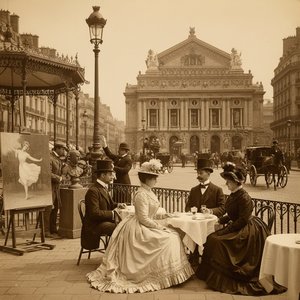
Echoes of 1882: Art, Culture & the Belle Époque's Lasting Impression
Explore the art & culture of the Belle Époque! Discover Impressionism, Realism, and iconic Parisian paintings from Degas, Béraud & more. High-quality reproductions at OriginalUniqueArt.

Giovanni Boldini: A Study in Belle Époque Portraiture & the Cult of Personality
Explore the captivating world of Giovanni Boldini, master of Belle Époque portraiture. Discover his signature style, iconic works like 'Miss Bell,' and lasting influence on art history. Expert analysis for collectors.


