

 Megtekintés
 Küldés
 Megosztás
 Részletek
 Útmutató

 Letöltés
 Hasonló darabok
 X-ray felvétel
 Diavetítés
 Statisztika
Pietà
 Oil On Panel
- WallArt
- Early Renaissance
 1472
1472- Renaissance
 115.0 x 317.0 cm
 Palazzo Ducale
 Összes részlet megjelenítése
Get a print-ready file that goes far beyond the web preview. Every digital image we sell comes from a high-resolution master in our stock database — usually 5,000 to 15,000 pixels wide — so you can print large, crop tightly, or reproduce fine detail with confidence.
No file leaves our studio untouched. A digital expert checks the colors against the original painting and corrects them if needed, then improves clarity and detail with professional retouching tools — always staying faithful to the artist's brushwork and style. The result is an image that looks like the painting, not like a filtered scan.
You approve before you're done: our expert sends the image by e-mail within 72 hours for your review. Not satisfied? Ask for improvements or corrections, or request a refund if the quality falls short.
This is the quality relied on by publishers, design studios, galleries and print shops.
Digitális kép
Töltsön le nagy felbontású fájlt személyes kiállításokhoz, nyomtatáshoz és kreatív projektekhez. ( Váltás nyomtatványra Kézzel festett másolat rendelése)
Minden digitális kép rendeléséhez tartozó extrák
Szakértői digitális kézbesítés, garantáltan
Amikor a OriginalUniqueArt.com szolgáltatást választja, nem csupán egy képet kap – professzionálisan felmagasított digitális műalkotást kap, amely precizitással készült, és amelyet megelégsedési gwarancia tesz biztoslássá. Az alábbiakban automatikusan minden benne 】

Gyors e-mail teslimítés
A nagy felbontású digitális képmásolatát a megrendelést követő 72 órán belül e-mailben elküldjük Önnek – azonnal használható formátumban.

MI-alapú digitális fájljavítás
Műve professzionális módon kerül optimalizálásra fejlett mesterséges intelligencia eszközök és manuális szerkesztés segítségével, biztosítva a maximális részletességet, tisztaságot és színpontosságot.

Örök életű ingyenes újradelivery
Véletlenül törölted vagy elvesztetted a fájlodat? Ne aggódj – bármikor ingyen újra megküldjük neked.

Nincs importköltség – soha
Élvezze műalkotásait azonnal, vám, illeték vagy szállítási költség nélkül – a digitális letöltések mindig adamentesek.

Színpontosság garantálása
Professzionális eszközök és színkezelés segítségével garantáljuk, hogy digitális képe a lehető legpontosabban tükrözze az eredeti színeket.

100 napos elégedettségi garancia
Ha nemມີ elégedett a digitális képével, 100 napon belül felülvizsgáljuk vagy 100% visszatérítjük az amountot – kérdés बिना.

100% Pénzvisszatérítési garancia
Nem tetszett a vásárlás? 100 napon belül teljes visszatérítést garantálunk a digitális fájl megvételétől számítva – kérdés nélkül.

Tömegrendelési kedvezmények
Vásároljon 3 képet, spóroljon 10%-et - Vásároljon 5-öt, spóroljon 15%-et - Vásároljon 10+ képet, spóroljon 20%-at. Kiváló kreatív projektekhez, galériákhoz és ügynökségekhez.
A Masterpiece of Venetian Sorrow
In the quiet, somber depths of Giovanni Bellini’s Pietà, we encounter one of the most profound expressions of grief captured during the early Italian Renaissance. Painted around 1472, this evocative work transcends a mere religious depiction to become a universal meditation on loss and devotion. The composition centers on the heavy, lifeless form of Christ being lowered onto the lap of John the Evangelist, a moment of transition that captures the very breath of human tragedy. Within its arched frame, the scene unfolds with a monumental stillness, inviting the viewer to step into a sacred space where time seems to suspend itself in reverence.
Bellini, a titan of the Venetian school, utilizes a masterful command of light and shadow to breathe life into the inanimate. The technique involves a sophisticated layering of oil paints on wood panel, a method that allows for a rich, luminous texture. This approach creates a dramatic chiaroscuro effect, where deep, velvety shadows press against soft, radiant highlights, emphasizing the anatomical precision of Christ’s body and the heavy, sculptural folds of the drapery. The color palette is intentionally restrained, relying on muted ochres, earthy browns, and deep reds to cultivate an atmosphere of solemnity and weight, ensuring that nothing distracts from the raw emotional gravity of the subject matter.
Symbolism and the Renaissance Spirit
Beyond its technical brilliance, the Pietà is a tapestry of theological symbolism. The presence of John the Evangelist serves as a powerful emblem of faith and steadfastness, his posture reflecting the shared burden of sorrow. Every element within the frame—from the architectural hints that suggest a larger, sacred world to the way the light falls upon the wounded flesh—is designed to evoke a sense of divine presence amidst human suffering. Bellini bridges the gap between the rigid traditions of Byzantine iconography and the burgeoning humanism of his era, infusing the figures with a palpable, breathing humanity that was revolutionary for its time.
For the discerning collector or interior designer, this reproduction offers more than just a visual centerpiece; it provides an emotional anchor. The artwork’s classical structure and balanced composition make it an exquisite addition to spaces that demand sophistication and depth. Whether placed in a grand gallery setting or a contemplative study, the Pietà commands attention through its quiet strength. It is a piece that does not merely decorate a wall but enriches the very soul of a room, offering a timeless window into the heights of Renaissance mastery and the enduring power of human emotion.
Kérdések és válaszok
Mennyi volt Giovanni Bellini életkora, amikor a "Pietà" készült?
Giovanni Bellini 39 éves volt, amikor 1472 évben megalkotta a "Pietà" alkotást. A korúsítás az alkotó születési évéből, 1433 fel основании került kiszámítva.
Hogyan épül fel a „Pietà”, Giovanni Bellini alkotása színes kompozíciója?
A „Pietà”, Giovanni Bellini alkotása színes kompozíció egy Gentle kontrasztot és egy Strong Color Unity harmóniát ötvöz.
Menny amountnyi fényt tűnik úgy vissza a "Pietà" színei?
A "Pietà" színei Dark fényerőt mutatnak.
Művész életrajza
A Venetian Master: The Life and Legacy of Giovanni Bellini
Giovanni Bellini, a name synonymous with the blossoming Renaissance in Venice, stands as a pivotal figure bridging the gap between the traditions of Byzantine art and the innovative spirit that would define the 16th century. Born around 1430 – though some sources suggest 1433 – into a family deeply entrenched in the artistic world, Bellini’s journey was one of continuous evolution, marked by a profound sensitivity to color, light, and the burgeoning humanism of his era. The precise nature of his familial relationships has been debated; for years Jacopo Bellini was considered his father, but modern scholarship increasingly points towards Jacopo being Giovanni's elder half-brother, with Gentile Bellini as his nephew rather than sibling. Regardless of these intricacies, young Giovanni grew up immersed in a workshop brimming with creativity and technical expertise, absorbing the foundations of painting from an early age. His initial training likely involved the traditional tempera techniques favored at the time, but it was his innate talent for observation and emotional expression that would set him apart.Early Influences and Artistic Development
The artistic landscape of 15th-century Venice was a unique blend of influences. The city’s position as a major trading hub exposed its artists to diverse styles and ideas, while the Byzantine heritage continued to exert a strong pull. Bellini's early works reflect this duality. Initially, his style bore the mark of his father and brother, Gentile, with compositions often characterized by meticulous detail and a somewhat restrained emotional palette. However, even in these early pieces, hints of his future brilliance began to emerge – a delicate handling of light, a growing interest in naturalistic settings, and an ability to imbue religious figures with a palpable sense of human pathos. The influence of Andrea Mantegna, his brother-in-law, is also readily apparent during this period, particularly in the clarity of line and sculptural forms. Bellini’s early commissions often involved collaborative projects, such as his contributions to the Scuola di San Marco alongside Gentile and other prominent Venetian artists. These large-scale works provided invaluable experience and allowed him to hone his skills while working alongside some of the most talented painters of the day.Revolutionizing Venetian Painting: Color, Light, and Oil
Bellini’s true revolution lay in his embrace of oil paint. While not the inventor of the technique, he was among the first Venetian artists to fully exploit its potential. Unlike tempera, which dried quickly and demanded a precise, linear approach, oil paint allowed for greater blending, richer colors, and subtle gradations of tone. This newfound freedom enabled Bellini to create paintings with an unprecedented depth and luminosity. His use of color became increasingly sophisticated, moving away from the bright, often harsh hues of earlier Venetian painting towards a more nuanced and harmonious palette. He masterfully captured the effects of light and atmosphere, imbuing his landscapes with a sense of serenity and realism that was groundbreaking for its time. This mastery of oil paint not only transformed his own work but also laid the foundation for the distinctive style that would come to define the Venetian school – a style celebrated for its sensuousness, coloristic richness, and atmospheric perspective. His paintings began to radiate an inner glow, reflecting a spiritual depth that resonated with viewers.Mature Works and Lasting Influence
As Bellini matured, his artistic vision continued to evolve. His altarpieces, such as those created for the churches of San Zaccaria and Santa Corona, demonstrate his ability to create complex compositions filled with symbolic meaning and emotional resonance. The *Transfiguration*, now housed in the Capodimonte Museum in Naples, exemplifies his mature style – a serene spirit combined with ripened artistic powers. He also served as conservator of the paintings in Doge’s Palace, further solidifying his reputation as Venice's leading artist. His influence extended far beyond his own lifetime. He became a mentor to a generation of younger painters, including Giorgione and Titian, who would carry on his legacy and push the boundaries of Venetian art even further. These pupils absorbed Bellini’s techniques and aesthetic principles, adapting them to their own individual styles and contributing to the golden age of Venetian painting. Bellini's impact can be seen in the works of countless artists who followed, solidifying his place as a true master of the Renaissance. He died in Venice in 1516, leaving behind a body of work that continues to inspire awe and admiration centuries later.A Legacy Enduring Through Time
Giovanni Bellini’s significance extends beyond his technical innovations and artistic achievements. He captured the spirit of a changing world – a world grappling with new ideas about humanity, spirituality, and the relationship between art and nature. His paintings are not merely representations of religious scenes; they are profound meditations on faith, beauty, and the human condition. His ability to imbue his figures with dignity and grace, combined with his masterful use of color and light, created a visual language that resonated deeply with his contemporaries and continues to captivate audiences today. *Bellini’s legacy is not simply one of artistic brilliance; it is a testament to the power of art to transcend time and connect us to the enduring values of human experience.* From the serene beauty of his Madonnas to the dramatic intensity of his religious scenes, Bellini's work remains a cornerstone of Western art history.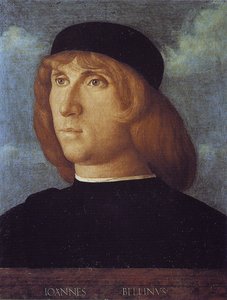
Giovanni Bellini
1433 - 1516 , Olaszország
Érmeradatok
- Artistic Movement Or Style: Veneziói iskola
- Artists Or Movements Influenced By This Artist:
- Giorgione
- Titian
- Artists Who Influenced This Artist:
- Jacopo Bellini
- Gentile Bellini
- Mantegna
- Date Of Birth: c. 1433
- Date Of Death: 1516
- Full Name: Giovanni Bellini
- Nationality: Olasz
- Notable Artworks:
- A transzfiguráció
- Szent Jézus a pusztában
- Place Of Birth: Velence, Olaszország