
 Megtekintés
 Küldés
 Megosztás
 Részletek
 Útmutató

 Letöltés
 Hasonló darabok
 X-ray felvétel
 Diavetítés
 Kérdések és válaszok
 Statisztika
Cup


 Összes részlet megjelenítése
Giclée / Műnyomat
Múzeumi minőségű giclée vagy vászonnyomat, gyors gyártással és rugalmas finomítási lehetőségekkel. ( Kézzel festett másolat rendelése Áttérés digitális képre)




P118B Ft10

P118H Ft10

P118W Ft10

P438Z Ft10

P508JH Ft12

P508YH Ft12

P805H Ft10

P805Z Ft10

P919BZ Ft10

P919G Ft10

P919XJ Ft10

P959ZH Ft10

P968JZ Ft12

W106C Ft8

W218G Ft10

W218JH Ft8

W218Y Ft10

W307PJ Ft10

W316G Ft10

W316PJ Ft8

W316Y Ft10

W398PJ Ft8

W4111J Ft10

W500HY Ft15

W500JH Ft15

W692G Ft12

W849H Ft8

W940BG Ft15

W953PJ Ft8




Válasszon előre meghatározott méreteink közül, amelyek megfelelnek a műalkotás eredeti arányainak.

Írja be a keretének vagy a falának megfelelő szélességet és magasságot. A nyomatot csak le lehet vágni, soha nem tehető nagyobbá, mint az eredeti kép, így egy eltérő alakú méretnél a kép egy része elveszik. Mielőtt bármit kinyatintanánk, küldünk egy digitális próbamodellt jóváhagyásra. Az oldalon látható kép nem tartalmazza a valós levágást — ezt csak a próbamodell mutatja meg.
Világszerte történő kiszállítás területére mindössze 2 hét alatt, a szokásos 4-5 hét helyett. (7 november)

Ingyenes globális expressz szállítás

Prémium minőségű len vászon

Teljes körű szállítási biztosítás

Vámvisszatérítési Garancia

Hiteles színarányosság garancia

100 napos visszaküldési lehetőség (csak hibás termékek esetén)

100% pénzvisszatérítési garancia

Több darab vásárlásakor kedvezmény
 Az üvegkeretes opció csak 110 cm alatti méretben érhető el

Cup
Giclée / Műnyomat
Reprodukció mérete
-


Összesített ár
Ft 26396
Giovanni Battista Gariboldi: Cup - A Study in Organic Texture and Serene Green
Giovanni Battista Gariboldi’s 1936 ceramic bowl stands as a testament to the enduring power of Italian craftsmanship and a masterful exploration of natural forms. More than just tableware, it embodies a deliberate aesthetic choice—a commitment to capturing the essence of organic beauty within a meticulously crafted medium.
- Subject Matter: The bowl’s central focus is simplicity itself: a single ceramic vessel designed to hold liquid. However, its unassuming appearance belies a profound consideration for visual harmony and textural richness.
- Style: Gariboldi's work aligns squarely with the principles of ceramic art—a tradition rooted in ancient techniques and celebrated for its ability to transform raw materials into objects of enduring elegance. Influenced by Art Deco sensibilities, it leans towards geometric forms softened by organic contours.
- Technique: The bowl’s surface is achieved through a painstaking process of hand-building – likely utilizing coil construction—followed by careful glazing application. This technique ensures that every piece possesses unique variations in tone and texture, reflecting the inherent irregularities of natural materials.
The glaze itself contributes significantly to the overall impression. Gariboldi skillfully employs a palette dominated by shades of green – from deep olive tones reminiscent of ancient woodlands to lighter hues suggestive of tranquil lagoons. These colors aren’t merely decorative; they evoke feelings of serenity and connection with the natural world.
Historical Context: Created in 1936, Gariboldi's bowl reflects the broader artistic currents of its time—a period marked by a renewed interest in organic forms and a desire to express emotion through visual language. It stands as an exemplar of Italian ceramic art during the Fascist era, showcasing a dedication to tradition while embracing stylistic innovations.
Symbolism: The bowl’s textured surface – resembling a leaf or petal – speaks to themes of growth, fragility, and renewal. These symbols resonate deeply within Pre-Raphaelite aesthetics—a movement that championed idealized beauty and sought inspiration in medieval myths and legends. Gariboldi's piece invites contemplation on the relationship between humanity and nature.
Emotional Impact: Viewing Gariboldi’s bowl is an experience of quiet contemplation. Its understated elegance and harmonious color palette inspire a sense of calm and appreciation for artisanal skill—a reminder that beauty can be found in simplicity and that objects crafted with care hold profound emotional resonance.
Kérdések és válaszok
Szabad-e jogilag másolni a(z) Sforza-kastély gyűjteményében található „Cup”, Giovanni Battista Gariboldi alkotása alkotást?
A Sforza-kastély gyűjteményében található „Cup”, Giovanni Battista Gariboldi alkotása közösségi tulajdon – a szerzői jog lejártt státuszú. Ez a státusz határozza meg, hogy a kép másolható-e.
Hová sorolható a Giovanni Battista Gariboldi pályájának mely szakaszába a "Cup"?
Giovanni Battista Gariboldi pályaművében a „Cup” a Early Modern korszakba tartozik. Ez az időszak segít összehasonlíthatóvá tenni a művet a művész többi alkotásával.
Ki készítette a(t) "Cup"-t, és melyik évben?
Giovanni Battista Gariboldi a "Cup" című művet 1936-ben készítette.
Kapcsolódó cikkek

The Alchemy of Clay: A Collector's Guide to the Mastery, Texture, and Timeless Form of Ceramic Art
Discover the profound beauty of ceramic art. Our expert guide explores the alchemy of clay, texture, and glaze, offering collectors deep insights into mastering earth and fire to create timeless, sculptural masterpieces for any curated collection.

The Art of Ceramics: A Guide to Mastery, Texture, and Timeless Form for the Discerning Collector
Explore the profound elegance of ceramic art. From master glazes to sculptural forms, our expert guide offers discerning collectors deep insights into the mastery, texture, and timeless value of fine ceramics for sophisticated collections and luxury interiors.

Fernand Léger Mesterművei: A 25 Legikonikusabb Kép a Modern Művészetben | OriginalUniqueArt
Fedezze fel Fernand Léger 25 legikonikusabb műalkotását! Ismerje meg a kubizmus, a tubizmus mesterét és a gépi kor lenyűgöző festményeit. Múzeumi minőségű vászonképek és poszterek a OriginalUniqueArt-on. Explore the full collection online!
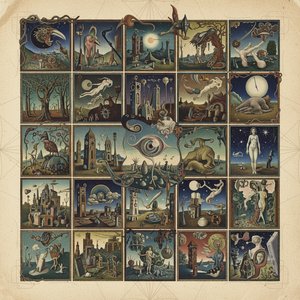
Max Ernst Mesterek: A 25 Leglenyűgözőbb Kép, Ami Megváltoztatja a Terét – OriginalUniqueArt
Fedezze fel Max Ernst 25 legikonikusabb művét! Merüljön el a szürrealizmus, dadaizmus világában és ismerje meg a német festő álomképeit. Művészeti reprodukcióinkkal egyedi faliképekkel varázsolja otthonát galériává – OriginalUniqueArt.

Paul Cézanne 25 Mesterműve: A Modern Művészet Úttörői | OriginalUniqueArt
Fedezze fel Paul Cézanne 25 legikonikusabb művét! Ismerje meg a posztimpresszionizmus úttörőjének festményeit, technikáját és inspirációit. Vászonképek, portrék, tájképfestmények – minden otthonba. Böngéssze gyűjteményünket a OriginalUniqueArt-on!