
 Megtekintés
 Küldés
 Megosztás
 Részletek
 Útmutató

 Letöltés
 Hasonló darabok
 X-ray felvétel
 Diavetítés
 Kérdések és válaszok
 Statisztika
Piazza San Marco

- 115.0 x 154.0 cm


 Összes részlet megjelenítése
Giclée / Műnyomat
Múzeumi minőségű giclée vagy vászonnyomat, gyors gyártással és rugalmas finomítási lehetőségekkel. ( Kézzel festett másolat rendelése Áttérés digitális képre)




P118B Ft10

P118H Ft10

P118W Ft10

P438Z Ft10

P508JH Ft12

P508YH Ft12

P805H Ft10

P805Z Ft10

P919BZ Ft10

P919G Ft10

P919XJ Ft10

P959ZH Ft10

P968JZ Ft12

W106C Ft8

W218G Ft10

W218JH Ft8

W218Y Ft10

W307PJ Ft10

W316G Ft10

W316PJ Ft8

W316Y Ft10

W398PJ Ft8

W4111J Ft10

W500HY Ft15

W500JH Ft15

W692G Ft12

W849H Ft8

W940BG Ft15

W953PJ Ft8




Válasszon előre meghatározott méreteink közül, amelyek megfelelnek a műalkotás eredeti arányainak.

Írja be a keretének vagy a falának megfelelő szélességet és magasságot. A nyomatot csak le lehet vágni, soha nem tehető nagyobbá, mint az eredeti kép, így egy eltérő alakú méretnél a kép egy része elveszik. Mielőtt bármit kinyatintanánk, küldünk egy digitális próbamodellt jóváhagyásra. Az oldalon látható kép nem tartalmazza a valós levágást — ezt csak a próbamodell mutatja meg.
Világszerte történő kiszállítás területére mindössze 2 hét alatt, a szokásos 4-5 hét helyett. (7 november)

Ingyenes globális expressz szállítás

Prémium minőségű len vászon

Teljes körű szállítási biztosítás

Vámvisszatérítési Garancia

Hiteles színarányosság garancia

100 napos visszaküldési lehetőség (csak hibás termékek esetén)

100% pénzvisszatérítési garancia

Több darab vásárlásakor kedvezmény
 Az üvegkeretes opció csak 110 cm alatti méretben érhető el

Piazza San Marco
Giclée / Műnyomat
Reprodukció mérete
-


Összesített ár
Ft 26396
A Window into Venetian Life: Canaletto's Piazza San Marco
Giovanni Antonio Canal, universally known as Canaletto, possessed a singular gift – the ability to freeze moments in time with breathtaking precision and an almost palpable sense of atmosphere. His ‘Piazza San Marco,’ painted in 1735, is arguably his most celebrated work, offering viewers an unparalleled glimpse into the vibrant heart of Venice during the 18th century. This meticulously rendered cityscape isn’t merely a depiction of a public square; it's a carefully constructed narrative of daily life, architectural grandeur, and the enduring spirit of a city steeped in history. The painting’s impact stems from Canaletto’s mastery of topographical art – his dedication to accurately portraying urban landscapes with an almost photographic realism. The sheer detail, from the individual cobblestones beneathfoot to the expressions on the faces of the bustling citizenry, invites the viewer to step directly into the scene and experience Venice as it was.
Technical Brilliance: Oil on Canvas – A Legacy of Observation
- Medium: Oil on canvas – a traditional combination that allowed Canaletto to build up layers of color with remarkable subtlety and depth.
- Technique: Executed with painstaking detail, the painting showcases Canaletto’s signature use of linear perspective and chiaroscuro (the dramatic contrast between light and dark). The meticulous rendering of architectural elements – the imposing clock tower, the ornate facades of the surrounding buildings – demonstrates a profound understanding of spatial relationships.
- Scale: Measuring 115 x 154 cm, the painting’s substantial size further enhances its immersive quality, allowing for an intimate appreciation of Canaletto's artistic choices.
Historical Context and Symbolic Resonance
Painted during a period of significant political and social change in Venice – a republic grappling with the rise of European powers – ‘Piazza San Marco’ serves as a valuable historical document. The square itself, the very heart of Venetian life, is depicted teeming with activity: merchants conducting business, citizens engaging in conversation, and horses pulling carriages along the cobblestone streets. The clock tower, a symbol of civic authority and temporal order, dominates the composition, anchoring the scene and reinforcing the importance of time within the city’s rhythm. The presence of figures engaged in various activities speaks to the dynamism of Venetian society – a bustling hub of commerce, culture, and social interaction. This painting is not just a record of Venice; it's a window into its soul.
Collecting a Masterpiece: Reproduction Options
Canaletto’s ‘Piazza San Marco’ remains a timeless masterpiece, admired for its historical significance and artistic merit. OriginalUniqueArt offers meticulously crafted, hand-painted oil painting reproductions of this iconic work, allowing art lovers to own a piece of Venetian history. These reproductions are created using traditional techniques, mirroring Canaletto's original approach, ensuring an authentic representation of this remarkable artwork. Whether adorning a grand salon or adding a touch of timeless elegance to a smaller space, a ‘Piazza San Marco’ reproduction is guaranteed to be a captivating focal point.
Kérdések és válaszok
Mit ábrázol a "Piazza San Marco"?
A "Piazza San Marco" alkotás tárgyai: venetian square, clock tower, canaletto style, urban landscape, baroque art, architecture detail, venetian life.
Maradt-e a "Piazza San Marco" mű a művész hon országában?
Nem – a műtárgy külföldön található. Canaletto születési országa Olaszország, a „Piazza San Marco” eredeti művét pedig USA-ban tároló múzeum található.
Letölthető-e a(z) "Piazza San Marco"?
A „Piazza San Marco”, Canaletto alkotása képe letölthető a mű Letöltés oldaláról: magas felbontású digitális kép letöltése.
A művész életrajza
Early Life and Artistic Beginnings
Giovanni Antonio Canal, better known as Canaletto, was born on October 18, 1697, in the heart of Venice – a city that would forever shape his artistic vision. His early life unfolded within a family deeply rooted in the world of theatrical design; his father, Bernardo Canal, was a skilled painter specializing in creating elaborate backdrops and scenery for Venetian stage productions. This environment instilled in young Giovanni an appreciation for visual storytelling and the meticulous detail required to bring scenes to life. Artemisia Barbieri, his mother, further nurtured his artistic sensibilities, providing him with a foundation in the fundamentals of painting. Canaletto’s initial training wasn't solely focused on landscape; he began as a painter of theatrical sets, learning the importance of perspective, composition, and color theory through this practical experience. This early exposure to stage design would later inform his approach to capturing the bustling streets and grand buildings of Venice – transforming them into captivating scenes for viewers.The Roman Years: Influences and Development
In 1718, a pivotal moment arrived in Canaletto’s artistic journey: he traveled to Rome. This move marked a significant shift, as he sought to broaden his understanding of art beyond the confines of Venetian tradition. He immersed himself in the works of masters like Luca Carlevaris and Giovanni Paolo Pannini, both renowned veduta painters – artists specializing in capturing cityscapes with remarkable accuracy and detail. Pannini’s technique of “elképzelt látás” (imagined vision), which involved creating detailed preparatory drawings before embarking on a painting, profoundly influenced Canaletto's own approach to topographical art. During his Roman years, he honed his skills in etching, mastering the intricate process of transferring images onto metal plates – a skill that would prove invaluable later in his career. The vibrant atmosphere and architectural grandeur of Rome undoubtedly fueled his artistic development, shaping his eye for composition and his ability to render light and shadow with exceptional realism.Venetian Master: Capturing the City’s Essence
Upon returning to Venice in 1725, Canaletto quickly established himself as a leading artist specializing in vedute – panoramic views of the city. He didn't merely document Venice; he transformed it into a series of captivating scenes that captured its unique character and atmosphere. His paintings are characterized by an extraordinary level of detail, meticulously rendered buildings, bustling streets, and lively figures. Canaletto’s use of perspective is remarkably precise, creating a sense of depth and realism that draws the viewer into the scene. He employed a systematic approach to his work, often beginning with detailed preparatory drawings – sometimes incorporating notes about the location, time of day, and even the activities taking place within the depicted space. His most famous works include “The Stonemason’s Yard” (c. 1725), a vibrant depiction of Venetian daily life, and "Regatta on the Grand Canal," which immortalizes a lively public ceremony.Collaborations and International Recognition
Canaletto's artistic career was not solely defined by his independent work; he also engaged in significant collaborations. Notably, he worked closely with his nephew, Bernardo Bellotto, who became an accomplished landscape painter in his own right. Their styles were remarkably similar, often depicting the same scenes from slightly different perspectives – a testament to their shared artistic sensibilities and techniques. Canaletto’s fame extended beyond Venice; he gained recognition throughout Europe, particularly in England, where his paintings were highly sought after by wealthy collectors and patrons. He spent several years in London, capturing iconic views of the city, including Eton College and various sections of the River Thames. His work was admired for its realism, clarity, and ability to convey a sense of place. Canaletto’s legacy is intertwined with that of other artists who influenced him, such as Giovanni Battista Piranesi, whose intricate etchings of Roman ruins similarly explored themes of perspective and spatial representation.A Lasting Legacy
Giovanni Antonio Canal, or Canaletto, passed away on April 19, 1768, in Venice – the city that had been his lifelong muse. His paintings remain a vital part of the Venetian artistic heritage, offering invaluable insights into the history and culture of the Republic. His meticulous attention to detail, combined with his masterful use of perspective and color, has cemented his place as one of the most important veduta painters in European art history. Canaletto’s work is displayed in prestigious museums around the world, including the National Gallery in London, where it continues to captivate viewers with its beauty and realism. His influence can be seen in countless artists who followed him, demonstrating the enduring power of his artistic vision.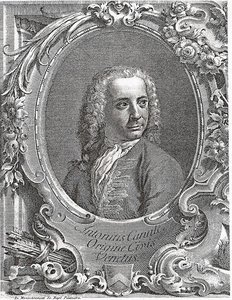
Canaletto
1697 - 1768 , Olaszország
Rövid információk
- Artistic Movement Or Style: Veduta Velence
- Artists Or Movements Influenced By This Artist: ['Bernardo Bellotto']
- Artists Who Influenced This Artist:
- Luca Carlevaris
- Giovanni Paolo Pannini
- Date Of Birth: 1697. okt. 18.
- Date Of Death: 1768. ápr. 19.
- Full Name: Giovanni Antonio Canal
- Nationality: Olasz
- Notable Artworks:
- A kőműves udvar
- A nagúri vitorlás regatta
- Eton College
- Place Of Birth: Velence, Olaszország
Kapcsolódó cikkek

Giovanni Antonio Canal (Canaletto): A Venetian Master of Light, Space & Societal Observation
Explore the life & art of Giovanni Antonio Canal (Canaletto), a Venetian master renowned for his breathtaking cityscapes. Discover his techniques, legacy, and captivating depictions of 18th-century Venice & London.

Venetian Renaissance: The Mastery of Color, Light, and the Art of Colorito
Explore the luminous mastery of the Venetian Renaissance. Discover how masters like Titian and Giorgione revolutionized art through colorito, light, and atmosphere. An expert guide to the golden age of Italian painting for collectors and enthusiasts.

Jacopo Tintoretto 25 Mesterműve: A Velencei Dráma és Fény Világa | OriginalUniqueArt
Fedezze fel Jacopo Tintoretto 25 legpárásabb műalkotását! A velencei reneszánsz drámája és a barokk fények világa. Vásároljon luxus minőségű reprodukciókat, inspirálja otthonát OriginalUniqueArt-on. Explore the full collection online!

Venetian Renaissance: The Golden Age of Color, Light, and Luminous Artistry
Embark on a journey through the Venetian Renaissance. Discover how masters like Giorgione and Titian revolutionized art through luminous color and light. Explore the profound legacy of the Venetian School and its enduring influence on the world of fine art.

Pietro Longhi's Venetian Scenes: A Study of Rococo Society & Domestic Life
Explore the captivating world of Pietro Longhi's Venetian scenes! Discover insightful analysis of his Rococo masterpieces & social commentary on 18th-century life. Learn about this 'Venetian Hogarth' and his lasting artistic legacy.


