A szöveg mérete

() ·

Egy Önnek készült, kézzel festett alkotás

justice

Kézzel készített olajfestmény reprodukció

Kézzel festett olajvastú vászon, az Ön által választott méretben és keretben, művészeink készítik meglévőre. ( Váltás nyomtatványra Áttérés digitális képre)

A gyűjtemény leírása

Explore Giotto’s ‘Justice’ – a stunning Early Renaissance portrait showcasing classical elegance & Gothic detail. Admire its layered technique & symbolic power.

A művész életrajza

Giotto di Bondone (1267-1337): A reneszánsz előfutára! Fedezze fel freskóit, naturalizmusát és érzelmi mélységét a Scrovegni-kápolnában. Művészettörténeti ikon!

előbb ·

1. fejezet

Mekkora méretű legyen?

Húzza a csúszkát a méret megváltoztatásához; a bal oldali kép a keret valós szélességét mutatja. Az eredeti arányok megmaradnak.

Standard méret
egyedi méretű
CM
INCH

Válasszon előre meghatározott méreteink közül, amelyek megfelelnek a műalkotás eredeti arányainak.

szélesség
magasság

Írja be a kívánt szélességet és magasságot, hogy illeszkedjen a keretéhez vagy a falához. Mivel ez kézzel festett alkotás, egy eltérő formájú méret esetén a művész akár festhet is valamivel többet a kép körül, vagy korolathat is belőle — az Ön döntésének megfelelően. A festés megkezdése előtt küldünk egy digitális tervezetet jóváhagyásra. Az oldalon látható kép nem tartalmazza a végeredményt — csak a tervezet mutatja meg a valódi eredményt.

2. fejezet

Hogyan érkezzen meg?

Válaszd ki a feszített vászon széleit

Válassza ki a keretet

Corner sample of the WhiteWrap canvas edge finish, stretched on tömörfa bars
Fehér Ft1
Corner sample of the BlurSideWrap canvas edge finish, stretched on tömörfa bars
Elmosódott szélek Ft1
Corner sample of the ExtendedWrap canvas edge finish, stretched on tömörfa bars
Kiterjesztett Ft1
Corner sample of the P118B picture frame: formázott polisztirol, 5 cm wide and 3 cm thick
P118B Ft10
Corner sample of the P118H picture frame: formázott polisztirol, 5 cm wide and 3 cm thick
P118H Ft10
Corner sample of the P118W picture frame: formázott polisztirol, 5 cm wide and 3 cm thick
P118W Ft10
Corner sample of the P438Z picture frame: formázott polisztirol, 5.5 cm wide and 3.5 cm thick
P438Z Ft10
Corner sample of the P508JH picture frame: formázott polisztirol, 7 cm wide and 3.5 cm thick
P508JH Ft12
Corner sample of the P508YH picture frame: formázott polisztirol, 7 cm wide and 3.5 cm thick
P508YH Ft12
Corner sample of the P805H picture frame: formázott polisztirol, 5 cm wide and 3.5 cm thick
P805H Ft10
Corner sample of the P805Z picture frame: formázott polisztirol, 5 cm wide and 3.5 cm thick
P805Z Ft10
Corner sample of the P919BZ picture frame: formázott polisztirol, 7 cm wide and 3.5 cm thick
P919BZ Ft10
Corner sample of the P919G picture frame: formázott polisztirol, 7 cm wide and 3.5 cm thick
P919G Ft10
Corner sample of the P919XJ picture frame: formázott polisztirol, 7 cm wide and 3.5 cm thick
P919XJ Ft10
Corner sample of the P959ZH picture frame: formázott polisztirol, 5 cm wide and 3 cm thick
P959ZH Ft10
Corner sample of the P968JZ picture frame: formázott polisztirol, 6 cm wide and 4 cm thick
P968JZ Ft12
Corner sample of the W106C picture frame: tömörfa, 5 cm wide and 3 cm thick
W106C Ft8
Corner sample of the W218G picture frame: tömörfa, 5 cm wide and 3 cm thick
W218G Ft10
Corner sample of the W218JH picture frame: tömörfa, 5 cm wide and 3 cm thick
W218JH Ft8
Corner sample of the W218Y picture frame: tömörfa, 5 cm wide and 3 cm thick
W218Y Ft10
Corner sample of the W307PJ picture frame: tömörfa, 6 cm wide and 3 cm thick
W307PJ Ft10
Corner sample of the W316G picture frame: tömörfa, 6 cm wide and 3 cm thick
W316G Ft10
Corner sample of the W316PJ picture frame: tömörfa, 6 cm wide and 3 cm thick
W316PJ Ft8
Corner sample of the W316Y picture frame: tömörfa, 6 cm wide and 3 cm thick
W316Y Ft10
Corner sample of the W398PJ picture frame: tömörfa, 5 cm wide and 3 cm thick
W398PJ Ft8
Corner sample of the W4111J picture frame: tömörfa, 6.5 cm wide and 3.5 cm thick
W4111J Ft10
Corner sample of the W500HY picture frame: tömörfa, 7 cm wide and 5 cm thick
W500HY Ft15
Corner sample of the W500JH picture frame: tömörfa, 7 cm wide and 5 cm thick
W500JH Ft15
Corner sample of the W692G picture frame: tömörfa, 8 cm wide and 4 cm thick
W692G Ft12
Corner sample of the W849H picture frame: tömörfa, 5 cm wide and 3 cm thick
W849H Ft8
Corner sample of the W940BG picture frame: tömörfa, 7.5 cm wide and 4.5 cm thick
W940BG Ft15
Corner sample of the W953PJ picture frame: tömörfa, 6 cm wide and 3.5 cm thick
W953PJ Ft8
Corner sample of the H24-GOLD picture frame: faragott fa gesszóval, 10 cm wide and 6 cm thick
H24-GOLD Ft30
Corner sample of the H24-SILVER picture frame: faragott fa gesszóval, 10 cm wide and 6 cm thick
H24-SILVER Ft30
Corner sample of the H36-GOLD picture frame: faragott fa gesszóval, 15 cm wide and 6.5 cm thick
H36-GOLD Ft45
Corner sample of the H36-SILVER picture frame: faragott fa gesszóval, 15 cm wide and 6.5 cm thick
H36-SILVER Ft45

Keretprofil: . A kerettel együtt vett teljes méret: .

3. fejezet

Ki festi, és változtatni kellene-e bármit?

Példák a módosíthatóságra: Az arc kicserélése a vásárló fotójára; háziállat hozzáadása (pl. macska kicserélése kutyára); rejtett üzenet elhelyezése a háttérben; a háttér tájéképének vagy elemeinek megváltoztatása.
A megrendelést követően a OriginalUniqueArt.com csapat e-mailt küld a vásárlónak az instrukciókkal, és biztosítja a tervezeti előnézetet

Világszerte elérhető szállítás () 3-4 hét alatt a szokásos 5 hét helyett. (5 november). A minőség nem kérdőjelezhető.

4. fejezet

Az utolsó finomhangolás

Egy felirat, mint egy múzeumban?

A gravírozott bronztábla részletei

This elegant plaque features the artist's name and the title of the artwork, finely engraved for a timeless presentation.

It is made from bronze with a refined, elegant finish. The text is precisely laser-engraved for a sharp and permanent result. Measuring 9x2 cm, the plaque is compact yet easy to read. It's built to be durable and scratch-resistant, offering a professional, museum-quality look. Mounting is simple thanks to the included adhesive backing.

Átlátszó akril tábla részletei

The plaque includes essential engraved details such as the artist's name, the title of the artwork, the date it was created, the type of media used-like oil on canvas or watercolor-a brief description of the piece, and a QR code that links to the complete artwork information.

It is crafted from clear acrylic, offering a sleek, modern appearance. The text is UV-engraved in black to ensure strong visual contrast. With a size of 10x15 cm, it ensures optimal readability. It comes equipped with two metal hooks for secure wall mounting. The plaque is designed to be weather-resistant, making it suitable for various environments, and it includes interactive features that work seamlessly with smartphone scanning.

Fekete akril tábla részletei

This elegant plaque includes engraved information such as the artist's name, the title of the artwork, the date it was created, the type of media used (like oil on canvas or watercolor), a short description of the artwork, and a QR code for quick access to more information.

The plaque itself is made from refined black acrylic with a premium finish. The text is laser-engraved in white for high contrast and readability. Its size is 10x15 cm, designed to be easy to read. It comes with two metal hooks for professional mounting. The design is sleek and fits any interior style. It is also weather-resistant and durable, with built-in digital integration for mobile compatibility.

Egy védőréteg?

Mikor lenne szüksége rá?

5. fejezet

Az Ön által megrendelt festmény

justice

Reprodukciós technika

Reprodukció mérete

-

Kiváló mesterművész

Nagyobb részletesség, finomság és bővített gyártási idő

-

Reprodukció keretezése

-

-

A bármely oldalsó méretét túlszálaló 105 cm (kb. 41 hüvelyk) meghaladó műalkotások vagy reprodukciók esetében a keret összeszerelhető készletként, szétszerelve kerül szállításra. Ez a módszer biztosítja a biztonságos szállítást, és megakadályozza a szállítás során fellépő sérüléseket.

Szakmész összeszerelést igényel – ez nem DIY (önösszeszerelhető) termék.
A készletet egy tapasztalt keretező szakembernek kell összeszerelnie és a vásznat feszítenie kell, fa ragasztó (nem tartalmazza a csomag), vásznfeszítő fogó és szorítók használatával, amelyek a ragasztó száradásáig a keretrészeket egymáshoz vuôngjba tartják. A helytelen összeszerelés vagy a nem egyenletes vásznfeszítés maradandó károsíthatja a műalkotást, és ez nem része a garanciánknak.

  • A készlet tartalmazza az összes tömörfa rudat, pontosan méretre vágva.

  • A mellékelt csavarokkal, valamint a sarokszerekhez szükséges faütő ragasztóval kell összeszerelnie (ez nem tartalmazható a csomagban), így a keretrendezőnek külön kell beszereznie.

  • A csomag nem tartalmazza a szükséges professzionális eszközöket: egy vászonfeszítőt és klipseket a rácsok vízszintes tartásához a ragasztó megszáradásáig.

Fontos:
A sarokcsatlakozásokhoz fánylagra van szükség, a keretrudakat szorítókapcsokkal kell rögzíteni, amíg a rag teljesen meg nem szárad, a kész keretre feszített vászonhoz pedig vászonfeszítő fogat szükséges. Ezek egyike sem található meg a készletben. Kérjük, rendelés előtt győződjön meg róla, hogy rendelkezik tapasztalt keretező szakemberrel.

Névtábla

-

-

Védőréteg (Lakk)

Fényes lakk (intenzívabb színek, védelem a fény és a nedvesség hatása ellen)

-

Műalkotásom egyedi igényre szabása

Példák a módosíthatóságra: az arc kicserélése az ügyfél fotójára; háziállat hozzáadása (pl. macska helyett kutya); rejtett üzenet elhelyezése a háttérben; a háttér tájainak vagy elemeinek megváltoztatása.

-

Sürgős

Világszerte szóló szállítás () mindössze 3-4 hét alatt, a szokásos 5 hét helyett. (5 november). A minőség nem kérdőjelezhető.

-

Express szállítás

Világszerte elérhető szállítás területre 5 héten belül. (12 november).

A szállítás díja tartalmazza

Összesített ár

Ft 97410

Összesített ár Ft 97410

Az üvegkeretes opció csak 110 cm alatti méretben érhető el

Minden rendelés mellé tartalmazva

  • Ingyenes globális expressz szállítás
  • Prémium minőségű len vászon
  • Teljes körű szállítási biztosítás
  • Vámvisszatérítési Garancia
  • Hiteles színarányosság garancia
  • 100 napos visszaküldési lehetőség (csak hibás termékek esetén)
  • 100% pénzvisszatérítési garancia
  • Több darab vásárlásakor kedvezmény

The Weight of Justice: Giotto’s Vision in “Justice”

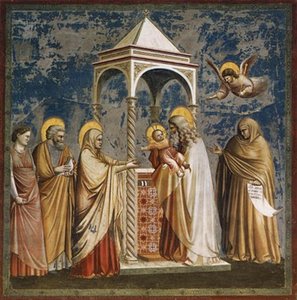
Giotto di Bondone's "Justice," painted circa 1305, isn’t merely a portrait; it’s a profound meditation on moral order and the very foundations of society. Emerging from his workshop in Padua, this fresco—now meticulously reproduced as a stunning oil painting by OriginalUniqueArt—captures a pivotal moment in art history: the Proto-Renaissance, where Giotto began to dismantle the rigid conventions of Byzantine iconography and embrace a more humanistic, emotionally resonant style. The image depicts a seated woman, embodying Justice herself, rendered with an unprecedented sense of realism and psychological depth that would define the Renaissance aesthetic. She’s not a distant, ethereal figure but a powerfully grounded presence, radiating authority yet imbued with a quiet dignity.

The composition is strikingly formal, echoing the architectural grandeur of the Arena Chapel where it resides. The woman sits within an ornate niche, reminiscent of Gothic architecture, its arches and columns framing her like a sacred space. Below her, a decorative frieze—a series of small sculpted figures—adds layers of symbolic detail, hinting at the consequences of both righteous action and unjust behavior. The careful use of lines – sharp angles defining the architectural elements, flowing curves in the drapery – creates a sense of stability and structure, reflecting the underlying order Giotto sought to convey. The palette is restrained, dominated by earthy tones—ochres, browns, and deep reds—that lend the scene an air of solemnity and gravitas.

A Study in Symbolism

Giotto’s genius lies not just in his technical skill but in his masterful deployment of symbolism. The woman herself is a complex figure, representing Justice as both a legal principle and a moral ideal. Her crown and regal attire signify her authority, while the scales she holds represent the weighing of evidence—the careful consideration required to render true justice. Crucially, Giotto doesn’t depict Justice as an abstract concept; he humanizes her, imbuing her with a palpable sense of empathy and responsibility. The inclusion of figures representing both virtue and vice beneath her throne underscores the ongoing struggle between good and evil that defines the human condition.

The architectural setting is equally laden with meaning. The niche itself can be interpreted as a representation of divine judgment, while the sculpted frieze below serves as a visual reminder of the consequences of actions—rewards for virtue and punishments for vice. Notably, Giotto’s depiction of Justice aligns closely with earlier medieval representations of the concept, but he elevates it through his newfound realism and emotional intensity. The figures are no longer stylized icons; they possess individual characteristics and expressions, inviting viewers to connect with them on a deeper level.

The Proto-Renaissance Breakthrough

“Justice” stands as a cornerstone of Giotto’s revolutionary approach to painting. He moved decisively away from the flattened perspectives and symbolic abstractions of Byzantine art, embracing instead a more naturalistic representation of space and form. This shift is evident in the way he renders the folds of the woman's clothing, the subtle modeling of her face, and the sense of depth created by the architectural setting. Giotto’s innovations—his use of light and shadow to create volume, his attention to anatomical detail, and his ability to convey emotion through gesture—laid the groundwork for the High Renaissance and profoundly influenced generations of artists to come.

The fresco's influence extends beyond its aesthetic qualities; it represents a fundamental shift in artistic philosophy. Giotto sought to capture not just the outward appearance of his subjects but also their inner lives, reflecting a growing interest in human psychology that would characterize the Renaissance. His work signaled a move towards portraying humanity with dignity and complexity—a departure from the more didactic and symbolic approach of medieval art.

Bringing “Justice” Home

Today, OriginalUniqueArt’s meticulously crafted oil reproduction captures the essence of Giotto's masterpiece with breathtaking fidelity. Each brushstroke faithfully recreates the fresco’s rich textures and nuanced colors, allowing you to experience the profound beauty and intellectual depth of this iconic work of art. Whether adorning a grand salon or a smaller study, “Justice” serves as a timeless reminder of the enduring power of art to illuminate our understanding of morality, justice, and the human condition.

Kérdések és válaszok

Milyen színharmóniát mutat be „justice”, Giotto di Bondone alkotása?

A „justice”, Giotto di Bondone alkotása színei Unified Palette harmóniát mutatnak be. A harmónia azt írja le, hogyan kapcsolódnak egymáshoz a színek.

A „justice”, Giotto di Bondone alkotása a keresett Proto-Renaissance művészeti alkotások közé tartozik?

A katalógban a Proto-Renaissance művek körében a "justice" Iconic rangsorolást kapott.

Ismer-e más neveket a "justice" alkotója, Giotto di Bondone?

Giotto di Bondone más néven is ismert: Giotto.

Több információ erről a festményről

Megtekintés AR előnézet Váltás nyomtatványra Áttérés digitális képre Küldés
Részletek Útmutató Kedvencekhez ad Letöltés Hasonló darabok X-ray felvétel Diavetítés Kérdések és válaszok Statisztika

Számokban kifejezve

  • 29választható keretek
  • standard méretek, saját arányokkal
  • 5hetek a festésre és a kézbesítésre
Giotto di Bondone

Giotto di Bondone

1267 - 1337, Olaszország

Gyors információk Giotto di Bondone művészről

  • Artistic Movement Or Style: Proto-reneszánsz
  • Artists Or Movements Influenced By This Artist:
    • Masaccio
    • Reneszánsz művészet
  • Artists Who Influenced This Artist: ['Cimabue']
  • Date Of Birth: kb. 1267
  • Date Of Death: 1337
  • Full Name: Giotto di Bondone
  • Nationality: Olasz
  • Notable Artworks:
    • Scrovegni-kápolna
    • Ognissanti Madonna
    • Campanile
  • Place Of Birth (City And Country): Firenze, Olaszország

A művész életrajza

A Firenzei Juhászfiú: Giotto di Bondone Forradalmi Viziája

Körülbelül 1267-ben, a toszkánai dombok között született Giotto di Bondone kétségtelenül az egyik legfontosabb alakja volt a középkori művészet átmenetének a reneszánszba. Élete legendákkal van átszőve: egy pásztorfiú, akit éppen úgy felfedeztek, ahogy rendkívül élethű juhokat rajzol kődarabokra, megragadva Cimabue firenzei mester figyelmét. Függetlenül attól, hogy tény vagy népmese ez, a történet tökéletesen összefoglalja Giotto géniuszát: veleszületett képességet a természet pontos ábrázolására és mély érzelmi kifejezésre. Cimabue tanítványaként gyorsan felülmúlta mesterét, elsajátította a technikai készségeket, de saját egyedi utat vágott magának. Az akkori bizánci stílus stilizált alakokat, lapos perspektívákat és gazdag arany háttereket kedvelt – szimbolikus jeleket a spirituális transzcendenciának, nem pedig a földi ábrázolásnak. Giotto azonban arra vágyott, hogy az emberiséget ne etérikus ikonként, hanem érzésekkel teli egyéneként ábrázolja, kézzelfogható térben létezőként.

A Bizánci Konvenciók Törése: Új Naturalizmus

Giotto művészi forradalma nem hirtelen fordulat volt, hanem fokozatos fejlődés. Korai munkái már sejtették a változást, növekvő hangsúlyt fektetve a térfogatra, a súlyra és a hiteles anatómiára. Kezdte megfigyelni a fényt és az árnyékot nem csupán dekoratív elemekként, hanem eszközökként a forma formálásához és a mélység létrehozásához. Ez a csíraképletű naturalizmus látható a Szent Ferenc-bazilika felső templomának freskóiban – bár a szerzői jog vitatott, sok tudós felismeri Giotto keze munkáját olyan jelenetekben, amelyek éles eltérést mutatnak a szokásos bizánci esztétikától. Ő nem egyszerűen elutasította a hagyományt; épített rá, újfajta emberséget és érzelmi rezonanciát öntve az elfogadott formákba. Megértette a narratív erejét, olyan kompozíciókat alkotva, amelyek nem szigorú szimbolizmussal, hanem kifejező gesztusokkal, hiteles interakciókkal és gondosan megtervezett környezettel meséltek történeteket.

A Scrovegni-kápolna: A Mesterség Remekműve

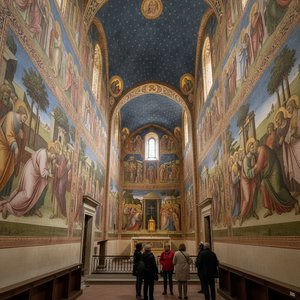
Giotto remekműve, és talán a nyugati művészet egyik legfontosabb alkotása az Arena-kápolnát (más néven Scrovegni-kápolna) díszítő freskóciklus Padovában. Körülbelül 1305-ben elkészült lélegzetelállító sorozat ábrázolja Krisztus és a Szűz Mária életét forradalmi valósággal és érzelmi intenzitással. Minden jelenet gondosan megrendezett drámaként bontakozik ki, olyan alakokkal népesítve, akik nem csupán vallási arche típusok képviselői, hanem teljes mértékben megvalósult emberek, akik örömöt, szomorúságot, félelmet és reményt élnek át. A *Végszámolás*, amely egy egész falat ural, erőteljes bizonyítéka Giotto képességének az isteni fenség és az emberiség végső ítélet előtt álló nyers sérülékenységének ábrázolására. A perspektíva használata – bár a későbbi reneszánsz szabványaihoz képest nem matematikai pontosságú – meggyőző illúziót kelt a mélységben, bevonva a nézőt a narratívába. Az alakok megalapozottak, testük súlyukkal és térfogattal rendelkezik, és kifejezéseik olyan érzelmeket közvetítenek, amelyek korábban nem voltak láthatóak vallási művészetben.

A Freskókon Túli Művészet: Építészet És Tartós Örökség

Giotto tehetsége a festésen túlmutatott; ő egy elismert építész is volt. 1334-ben megbízást kapott Firenze dóm harangtornyának (Campanile) tervezésére, amely innovatív megközelítését az építészeti formákhoz mutatta be. Bár halála előtt nem fejezte be a projektet, tervei megalapozták ezt az ikonikus firenzei tájékozódási pontot. Hatása a következő generációk művészeire felmérhetetlen. Ő hidalta a középkori és a reneszánsz világ közötti szakadékot, utat nyitva olyan mesterek számára, mint Masaccio, Leonardo da Vinci és Michelangelo. Vasari, a *Művészéletek* című alapvető művében dicsérte Giottót, hogy „a festészetnek megadta az életből való alkotás nagy művészetét”, ami bizonyítja mély hatását a nyugati művészet fejlődésére. Giotto nem csupán a világot ábrázolta; megpróbálta megérteni azt, megragadni annak lényegét, és ezt az értést közvetíteni a vizuális történetmesélés erején keresztül. Öröksége évszázadokkal halála után is csodálatot és elismerést vált ki, megszilárdítva helyét a történelem egyik legnagyobb művészi úttörőjeként.

Főbb Eredmények És Tartós Hatás

  • A Festészet Forradalmasítása: A bizánci stilizálástól való eltávolodás a naturalizmus és az érzelmi realizmus felé.
  • Perspektíva Úttörője: Technikák bevezetése a mélység és a térérzékelés létrehozására festményeken.

  • Mesterséges Történetmesélés: Lenyűgöző narratívok létrehozása freskóciklusokon keresztül, mint például a Scrovegni-kápolnában.
  • Építészeti Hozzájárulások: Firenze dóm harangtornyának tervezése, amely az építészeti képességeket mutatja be.
  • A Reneszánsz Művészet Alapja: Munkája megalapozta a reneszánsz művészeti eredményeit.

Gyors információk

  • Movement: Proto-Renaissance
  • Artist: Giotto di Bondone
  • Notable elements: Symbolic figures
  • Medium: Fresco
  • Location: Scrovegni Chapel, Padua

Művészeti kvíz

Minden kérdésre csak egy helyes válasz létezik.

Kérdés 1:
What is the primary subject depicted in Giotto’s ‘Justice’?
Kérdés 2:
The fresco ‘Justice’ is located in which chapel?
Kérdés 3:
Which artistic movement does Giotto’s ‘Justice’ exemplify?
Kérdés 4:
What is a key characteristic of Giotto's style as seen in ‘Justice’?
Kérdés 5:
Based on the description, what material is primarily used in the creation of ‘Justice’?