
 Megtekintés
 Küldés
 Megosztás
 Részletek
 Útmutató

 Letöltés
 Hasonló darabok
 X-ray felvétel
 Diavetítés
 Kérdések és válaszok
 Statisztika
Annunciation: The Virgin Receiving the Message

- 150.0 x 195.0 cm


 Összes részlet megjelenítése
Giclée / Műnyomat
Múzeumi minőségű giclée vagy vászonnyomat, gyors gyártással és rugalmas finomítási lehetőségekkel. ( Kézzel festett másolat rendelése Áttérés digitális képre)




P118B Ft10

P118H Ft10

P118W Ft10

P438Z Ft10

P508JH Ft12

P508YH Ft12

P805H Ft10

P805Z Ft10

P919BZ Ft10

P919G Ft10

P919XJ Ft10

P959ZH Ft10

P968JZ Ft12

W106C Ft8

W218G Ft10

W218JH Ft8

W218Y Ft10

W307PJ Ft10

W316G Ft10

W316PJ Ft8

W316Y Ft10

W398PJ Ft8

W4111J Ft10

W500HY Ft15

W500JH Ft15

W692G Ft12

W849H Ft8

W940BG Ft15

W953PJ Ft8




Válasszon előre meghatározott méreteink közül, amelyek megfelelnek a műalkotás eredeti arányainak.

Írja be a keretének vagy a falának megfelelő szélességet és magasságot. A nyomatot csak le lehet vágni, soha nem tehető nagyobbá, mint az eredeti kép, így egy eltérő alakú méretnél a kép egy része elveszik. Mielőtt bármit kinyatintanánk, küldünk egy digitális próbamodellt jóváhagyásra. Az oldalon látható kép nem tartalmazza a valós levágást — ezt csak a próbamodell mutatja meg.
Világszerte történő kiszállítás területére mindössze 2 hét alatt, a szokásos 4-5 hét helyett. (8 november)

Ingyenes globális expressz szállítás

Prémium minőségű len vászon

Teljes körű szállítási biztosítás

Vámvisszatérítési Garancia

Hiteles színarányosság garancia

100 napos visszaküldési lehetőség (csak hibás termékek esetén)

100% pénzvisszatérítési garancia

Több darab vásárlásakor kedvezmény
 Az üvegkeretes opció csak 110 cm alatti méretben érhető el

Annunciation: The Virgin Receiving the Message
Giclée / Műnyomat
Reprodukció mérete
-


Összesített ár
Ft 26396
A Revolutionary Vision: Giotto’s Annunciation
Giotto di Bondone, born around 1267 in Florence, stands as a monumental figure in the artistic landscape of his era—a pivotal conduit between medieval tradition and the burgeoning Renaissance. Legend recounts his discovery as a shepherd boy sketching remarkably lifelike sheep on rocks, an anecdote that perfectly embodies Giotto’s innate genius: an unparalleled ability to portray the natural world with unprecedented realism and profound emotional resonance. Taken under the tutelage of Cimabue, Giotto swiftly surpassed his mentor, absorbing technical prowess while forging a path distinctly his own—a path marked by a courageous departure from established conventions. The prevailing Byzantine style prioritized stylized figures, flattened perspectives, and opulent gold backgrounds – visual emblems of spiritual elevation rather than earthly observation. Yet Giotto possessed an unwavering desire to transcend these limitations, driven by a conviction that art could genuinely capture the human experience.- Subject Matter: The fresco depicts the iconic biblical narrative of the Annunciation—the moment when Gabriel announces to Mary that she will conceive Jesus Christ.
- Style: Giotto’s work embodies Proto Renaissance style, representing a transformative step toward naturalism and humanism within art history.
Innovative Technique & Perspective
Giotto fundamentally reshaped artistic practice through groundbreaking innovations that challenged the stylistic norms of his time. He decisively moved away from the rigid flatness characteristic of Byzantine painting, introducing a more convincing illusion of depth—a nascent form of perspective—that dramatically enhanced the visual impact of the scene. This pioneering approach wasn’t merely about technical accuracy; it served to heighten emotional engagement by immersing viewers within the depicted space and fostering a palpable sense of immediacy. Furthermore, Giotto meticulously crafted facial expressions conveying genuine emotion – grief, joy, contemplation – capturing nuances previously absent from medieval art. These subtle gestures communicated profound psychological insight, elevating the artwork beyond mere representation to become a vessel for spiritual contemplation.- Perspective: Giotto’s use of linear perspective created a more realistic depiction of space and depth.
- Emotion: Facial expressions conveyed genuine emotion, demonstrating Giotto's mastery of psychological realism.
Symbolism & Context within the Scrovegni Chapel
The Annunciation resides within the Scrovegni Chapel in Padua—a UNESCO World Heritage Site—and its placement is deliberately significant. Commissioned by Enrico Scrovegni, a wealthy textile merchant, the chapel represents an extraordinary testament to patronage and artistic ambition. Giotto’s fresco serves as the centerpiece of a larger cycle depicting scenes from the life of Mary Magdalene, reflecting the fervent piety of the era. The composition itself is laden with symbolism: Mary sits on a bench—a gesture signifying humility and receptiveness—while Gabriel stands beside her, conveying divine grace. The architectural setting reinforces this spiritual atmosphere, emphasizing the sacredness of the event. Giotto’s masterpiece exemplifies the Proto Renaissance's aspiration to portray biblical narratives with profound emotional truth and artistic innovation – an enduring legacy that continues to inspire artists and collectors alike.Emotional Impact & Enduring Legacy
Giotto’s Annunciation transcends mere visual beauty; it resonates deeply with viewers on an emotional level, conveying a palpable sense of reverence and devotion. The artist's masterful depiction of Mary’s serene contemplation and Gabriel’s solemn proclamation captures the essence of faith—a belief in divine providence and the transformative power of grace. Giotto’s influence extended far beyond his lifetime, establishing him as a foundational figure in Renaissance art and shaping artistic conventions for centuries to come. His unwavering commitment to realism and emotional expression paved the way for subsequent generations of artists who sought to emulate his visionary approach—a testament to the enduring significance of Giotto di Bondone's revolutionary contribution to Western art history.Kérdések és válaszok
Hogyan illeszkedik a "Annunciation: The Virgin Receiving the Message" Giotto di Bondone témáiba és stílusába?
A "Annunciation: The Virgin Receiving the Message" Giotto di Bondone Proto Renaissance korszakának alkotása, melynek témakörében byzantine tradition, spiritual revelation, divine messenger, padua chapel, renaissance pioneer is feltűlik.
Annunciation: The Virgin Receiving the Message színei erőteljesnek vagy lágynak tűnnek?
A „Annunciation: The Virgin Receiving the Message”, Giotto di Bondone alkotása színei Balanced intenzitásúak.
A „Annunciation: The Virgin Receiving the Message” Giotto di Bondone pályájának mely szakaszát képviseli?
A "Annunciation: The Virgin Receiving the Message" Giotto di Bondone pályájának a Proto Renaissance szakaszába tartozik. Ez a besorolás összekapcsolja a művet a művész fejlődésével.
A művész életrajza
A Firenzei Juhászfiú: Giotto di Bondone Forradalmi Viziája
Körülbelül 1267-ben, a toszkánai dombok között született Giotto di Bondone kétségtelenül az egyik legfontosabb alakja volt a középkori művészet átmenetének a reneszánszba. Élete legendákkal van átszőve: egy pásztorfiú, akit éppen úgy felfedeztek, ahogy rendkívül élethű juhokat rajzol kődarabokra, megragadva Cimabue firenzei mester figyelmét. Függetlenül attól, hogy tény vagy népmese ez, a történet tökéletesen összefoglalja Giotto géniuszát: veleszületett képességet a természet pontos ábrázolására és mély érzelmi kifejezésre. Cimabue tanítványaként gyorsan felülmúlta mesterét, elsajátította a technikai készségeket, de saját egyedi utat vágott magának. Az akkori bizánci stílus stilizált alakokat, lapos perspektívákat és gazdag arany háttereket kedvelt – szimbolikus jeleket a spirituális transzcendenciának, nem pedig a földi ábrázolásnak. Giotto azonban arra vágyott, hogy az emberiséget ne etérikus ikonként, hanem érzésekkel teli egyéneként ábrázolja, kézzelfogható térben létezőként.
A Bizánci Konvenciók Törése: Új Naturalizmus
Giotto művészi forradalma nem hirtelen fordulat volt, hanem fokozatos fejlődés. Korai munkái már sejtették a változást, növekvő hangsúlyt fektetve a térfogatra, a súlyra és a hiteles anatómiára. Kezdte megfigyelni a fényt és az árnyékot nem csupán dekoratív elemekként, hanem eszközökként a forma formálásához és a mélység létrehozásához. Ez a csíraképletű naturalizmus látható a Szent Ferenc-bazilika felső templomának freskóiban – bár a szerzői jog vitatott, sok tudós felismeri Giotto keze munkáját olyan jelenetekben, amelyek éles eltérést mutatnak a szokásos bizánci esztétikától. Ő nem egyszerűen elutasította a hagyományt; épített rá, újfajta emberséget és érzelmi rezonanciát öntve az elfogadott formákba. Megértette a narratív erejét, olyan kompozíciókat alkotva, amelyek nem szigorú szimbolizmussal, hanem kifejező gesztusokkal, hiteles interakciókkal és gondosan megtervezett környezettel meséltek történeteket.
A Scrovegni-kápolna: A Mesterség Remekműve
Giotto remekműve, és talán a nyugati művészet egyik legfontosabb alkotása az Arena-kápolnát (más néven Scrovegni-kápolna) díszítő freskóciklus Padovában. Körülbelül 1305-ben elkészült lélegzetelállító sorozat ábrázolja Krisztus és a Szűz Mária életét forradalmi valósággal és érzelmi intenzitással. Minden jelenet gondosan megrendezett drámaként bontakozik ki, olyan alakokkal népesítve, akik nem csupán vallási arche típusok képviselői, hanem teljes mértékben megvalósult emberek, akik örömöt, szomorúságot, félelmet és reményt élnek át. A *Végszámolás*, amely egy egész falat ural, erőteljes bizonyítéka Giotto képességének az isteni fenség és az emberiség végső ítélet előtt álló nyers sérülékenységének ábrázolására. A perspektíva használata – bár a későbbi reneszánsz szabványaihoz képest nem matematikai pontosságú – meggyőző illúziót kelt a mélységben, bevonva a nézőt a narratívába. Az alakok megalapozottak, testük súlyukkal és térfogattal rendelkezik, és kifejezéseik olyan érzelmeket közvetítenek, amelyek korábban nem voltak láthatóak vallási művészetben.
A Freskókon Túli Művészet: Építészet És Tartós Örökség
Giotto tehetsége a festésen túlmutatott; ő egy elismert építész is volt. 1334-ben megbízást kapott Firenze dóm harangtornyának (Campanile) tervezésére, amely innovatív megközelítését az építészeti formákhoz mutatta be. Bár halála előtt nem fejezte be a projektet, tervei megalapozták ezt az ikonikus firenzei tájékozódási pontot. Hatása a következő generációk művészeire felmérhetetlen. Ő hidalta a középkori és a reneszánsz világ közötti szakadékot, utat nyitva olyan mesterek számára, mint Masaccio, Leonardo da Vinci és Michelangelo. Vasari, a *Művészéletek* című alapvető művében dicsérte Giottót, hogy „a festészetnek megadta az életből való alkotás nagy művészetét”, ami bizonyítja mély hatását a nyugati művészet fejlődésére. Giotto nem csupán a világot ábrázolta; megpróbálta megérteni azt, megragadni annak lényegét, és ezt az értést közvetíteni a vizuális történetmesélés erején keresztül. Öröksége évszázadokkal halála után is csodálatot és elismerést vált ki, megszilárdítva helyét a történelem egyik legnagyobb művészi úttörőjeként.
Főbb Eredmények És Tartós Hatás
- A Festészet Forradalmasítása: A bizánci stilizálástól való eltávolodás a naturalizmus és az érzelmi realizmus felé.
- Perspektíva Úttörője: Technikák bevezetése a mélység és a térérzékelés létrehozására festményeken.
- Mesterséges Történetmesélés: Lenyűgöző narratívok létrehozása freskóciklusokon keresztül, mint például a Scrovegni-kápolnában.
- Építészeti Hozzájárulások: Firenze dóm harangtornyának tervezése, amely az építészeti képességeket mutatja be.
- A Reneszánsz Művészet Alapja: Munkája megalapozta a reneszánsz művészeti eredményeit.

Giotto di Bondone
1267 - 1337 , Olaszország
Rövid információk
- Artistic Movement Or Style: Proto-reneszánsz
- Artists Or Movements Influenced By This Artist:
- Masaccio
- Reneszánsz művészet
- Artists Who Influenced This Artist: ['Cimabue']
- Date Of Birth: kb. 1267
- Date Of Death: 1337
- Full Name: Giotto di Bondone
- Nationality: Olasz
- Notable Artworks:
- Scrovegni-kápolna
- Ognissanti Madonna
- Campanile
- Place Of Birth (City And Country): Firenze, Olaszország
Kapcsolódó cikkek
A családi örökség festői világa: Hogyan őrizzük meg a múltat a falakon?
Őrizze meg családja történetét festményekkel! Egyedi portrék, régi fényképek restaurálása és családi címer tervezése profi művészek által. Fedezze fel a kínálatát!

Giotto di Bondone 25 Mesterműve: A Reneszánsz Előhírnöke a Falakon – OriginalUniqueArt
Fedezze fel Giotto di Bondone 25 legpárásabb műalkotását! Ismerje meg a reneszánsz előhírnökét, festményeit és freskóit. Vásároljon exkluzív reprodukciókat otthona díszítésére a OriginalUniqueArt.com-on – múzeumi minőségben!

The Enduring Legacy of Fresco: Technique, History & Artistic Expression Across Cultures
Explore the rich history & enduring legacy of fresco painting! Discover ancient techniques, Giotto's masterpieces, and modern applications. Expert insights for art lovers & professionals.
The Enduring Legacy of Fresco Painting: Techniques, History & Contemporary Relevance
Explore the rich history & enduring artistry of fresco painting – from Giotto to Michelangelo! Discover techniques, conservation efforts, & modern applications. Learn how OriginalUniqueArt brings this timeless art form to your home.

Dante Gabriel Rossetti 25 Mesterműve: Szépség és Lelkiség a Vásznon – OriginalUniqueArt
Fedezze fel Dante Gabriel Rossetti 25 legszebb művészeti alkotását! Ismerje meg a prerafaeliták titkait, a viktoriánus festészet szépségét és a romantikus szimbolizmus mélységeit. Prémium minőségű art reprodukciók a OriginalUniqueArt-on – inspiráció otthonába!


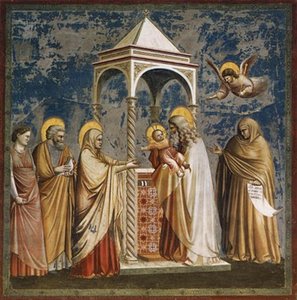


![Scrovegni - Utolsó ítélet (részlet) [03]](/media/artworks/images-thumb/7d/a9/7da93e3737abc9f37453cee26f9f9796.jpg)
