Előnézet
 Megosztás
 Megosztás
 Részletek
 Útmutató

 Letöltés
 Hasonló darabok
 X-ray felvétel
 Diavetítés
 Statisztika
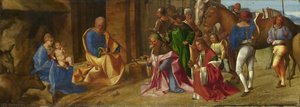
La Vecchia


 Tovább olvasom
Giclée / Műnyomat
Múzeumi minőségű giclée vagy vászonnyomat, gyors gyártással és rugalmas finomítási lehetőségekkel. ( Kézzel festett másolat vásárlása Áttérés digitális képre)




P118B Ft10

P118H Ft10

P118W Ft10

P438Z Ft10

P508JH Ft12

P508YH Ft12

P805H Ft10

P805Z Ft10

P919BZ Ft10

P919G Ft10

P919XJ Ft10

P959ZH Ft10

P968JZ Ft12

W106C Ft8

W218G Ft10

W218JH Ft8

W218Y Ft10

W307PJ Ft10

W316G Ft10

W316PJ Ft8

W316Y Ft10

W398PJ Ft8

W4111J Ft10

W500HY Ft15

W500JH Ft15

W692G Ft12

W849H Ft8

W940BG Ft15

W953PJ Ft8




Válasszon előre meghatározott méreteink közül, amelyek megfelelnek a műalkotás eredeti arányainak.

Írja be a keretének vagy a falának megfelelő szélességet és magasságot. A nyomatot csak le lehet vágni, soha nem tehető nagyobbá, mint az eredeti kép, így egy eltérő alakú méretnél a kép egy része elveszik. Mielőtt bármit kinyatintanánk, küldünk egy digitális próbamodellt jóváhagyásra. Az oldalon látható kép nem tartalmazza a valós levágást — ezt csak a próbamodell mutatja meg.
Világszerte történő kiszállítás területére mindössze 2 hét alatt, a szokásos 4-5 hét helyett. (25 október)

Ingyenes globális expressz szállítás

Prémium minőségű len vászon

Teljes körű szállítási biztosítás

Vámvisszatérítési Garancia

Tökéletes színarányosság garancia

100 napos visszaküldési garancia (csak gyártási hibás termékek esetén)

100% pénzvisszatérítési garancia

Több darab vásárlásakor kedvezmény
 Az üvegkeretes opció csak 110 cm alatti méretben érhető el

La Vecchia
Giclée / Műnyomat
Reprodukció méretei
-


Összesített ár
Ft 25642
The Artist: Giorgione
Giorgione, also known as Giorgio Barbarelli da Castelfranco, was an influential Venetian painter who lived during the High Renaissance period. He is believed to have been born between 1473 and 1474 in Castelfranco Veneto, Italy, and died on September 17, 1510, at the age of 36 due to the plague University of Sydney Library. Although his life was short, Giorgione left a lasting impact on Western art.The Painting: La Vecchia
La Vecchia, also known as The Old Woman or Portrait of an Old Lady, is one of the few surviving works attributed to Giorgione with certainty Dalvit and Peyton. This oil painting on canvas measures 120 x 78 cm and is housed at the Gallerie dell'Accademia in Venice, Italy.Media and Style
Giorgione used oil paint on canvas to create La Vecchia, a technique that became popular during the Renaissance due to its ability to produce rich colors and subtle gradations of tone. His style is characterized by loose brushwork, atmospheric perspective, and an emphasis on mood and emotion rather than narrative detail.Subject Matter and Technique
La Vecchia depicts an elderly woman dressed in simple clothing and a white headdress. She gazes directly at the viewer with a solemn expression, holding a letter or note in her right hand. The painting's subject matter has been debated by art historians, with some interpreting it as a portrait of a specific individual while others see it as an allegory of wisdom or time. Giorgione's technique is notable for its use of chiaroscuro, the contrast between light and dark, to create depth and volume. He also employed sfumato, a subtle blending of colors and tones, to achieve a soft, hazy effect. These techniques contribute to the painting's enigmatic quality and invite viewers to contemplate its meaning.Conclusion
La Vecchia is a masterpiece of the Italian Renaissance that showcases Giorgione's innovative style and technique. Its subject matter invites reflection on themes such as aging, wisdom, and the passage of time. If you are interested in adding this remarkable work to your art collection, consider purchasing a hand-made oil painting reproduction from our expert artists at OriginalUniqueArt.com.- References:
- Dalvit, Laura; Peyton, Jane (2017). Giorgione: The Complete Works . New York: Parkstone International.
- University of Sydney Library. "Dante's Divine Comedy with Giorgione illustration and death notice" . Digital Collections .
- Vasari, Giorgio; Conaway Bondanella, Julia; Bondanella, Peter (1991). The Lives of the Artists . New York: Oxford University Press.
Gyakran Ismételt Kérdések
Mire ajánlott használni a „La Vecchia”, Giorgione alkotása reprodukcióját?
A „La Vecchia”, Giorgione alkotása javasolt felhasználása Reflective. Emellett más célokra is alkalmas lehet.
Megtekinthető „La Vecchia”, Giorgione alkotása a saját falamon vásárlás előtt?
A(z) "La Vecchia" mű kiterjesztett valóság (AR) előnézettel rendelkezik: a mű AR előnézet oldala kompatibilis eszközön megtekinthető saját környezetében.
„La Vecchia”, Giorgione alkotása színei tel愈tek vagy fakók?
A „La Vecchia”, Giorgione alkotása alkotás Muted telítettségű színekkel készült.
A művész életrajza
Giorgione (1477/8-1510), a key High Renaissance Venetian painter
Giorgio Barbarelli da Castelfranco, known to the world as Giorgione, remains one of the most elusive and captivating figures in Renaissance art. Born in the small town of Castelfranco Veneto near Venice around 1477 or 1478 – the exact year is debated – his tragically short life, ending around 1510 at the age of thirty-two or thirty-three, belies an artistic impact that continues to resonate centuries later. Unlike many of his contemporaries whose lives are well documented, Giorgione’s story is shrouded in mystery, pieced together from scant historical records and the often romanticized accounts of Giorgio Vasari. What we do know suggests a man deeply immersed in the vibrant culture of Venice, a city that fostered both artistic innovation and a sensual appreciation for beauty. He likely apprenticed under Giovanni Bellini, a leading Venetian painter, absorbing the established traditions before forging his own unique path. Early commissions included portraits of prominent figures like Doge Agostino Barbarigo, demonstrating an immediate talent for capturing likeness and status. However, it was in his departure from conventional subject matter and his revolutionary approach to painting that Giorgione truly distinguished himself. Giorgio Vasari’s biographical sketches offer tantalizing glimpses into Giorgione's life – he describes him as a man who delighted in all the beauty the world could offer, singing and playing the lute, and “putting into his pictures, the greatest beauty and the greatest variety that he could find.” His gentle obsession with the soft tones of flesh and the shade of quiet trees distinguish his paintings, and profoundly influenced his student Titian. Despite Vasari’s romanticized portrayal, verifiable information about Giorgione is scarce. He was married to Lucrezia Querinelli, and they had several children – though none survived infancy. His artistic activity flourished during this period, fueled by patronage from wealthy Venetian families and a fervent desire to explore new creative horizons.A Style Unlike Any Other: The Venetian Breakthrough
Giorgione’s artistic style marked a significant break from the prevailing Florentine emphasis on linear perspective and precise draftsmanship. He championed color, atmosphere, and an evocative moodiness that became hallmarks of the Venetian school. His technique involved softening outlines, employing subtle gradations of tone – *sfumato* – to create atmospheric effects, and prioritizing overall harmony over meticulous detail. This approach wasn’t merely a technical choice; it reflected a fundamentally different artistic sensibility. Giorgione sought not to replicate reality but to capture its essence, its fleeting emotions, and its poetic resonance. He famously stated that he wished to “paint as poets write,” aiming for an emotional impact rather than a literal representation of the scene before him. This ambition is vividly realized in masterpieces like *The Tempest* (c. 1506-1508) and *Pastoral Concert*, where hazy landscapes dominate, bathed in diffused light—a technique that would become synonymous with Venetian painting. The absence of sharp lines and pronounced shadows contributes to the paintings’ ethereal quality, inviting viewers into a realm of contemplation and emotion.Notable Works: Visions of Beauty and Mystery
Giorgione's oeuvre is remarkably small compared to his contemporaries, consisting of approximately six surviving artworks—a fact that has fueled speculation about his artistic output and contributed to his enduring mystique. Yet, these paintings are undeniably powerful, demonstrating Giorgione’s mastery of color and form. *The Tempest*, depicting a soldier and a nursing mother amidst a stormy landscape, remains one of the most debated compositions in Renaissance art. Scholars continue to wrestle with its symbolism—the enigmatic gaze of the soldier, the serene expression of the woman, and the evocative depiction of the turbulent sky—seeking to unlock its hidden meanings. Similarly, *Pastoral Concert*, celebrating musicians in a tranquil meadow, exemplifies Giorgione’s commitment to capturing mood and atmosphere above all else. The painting's harmonious colors and subtle gradations of tone create an immersive experience for the viewer, transporting them to a realm of idealized beauty. Other significant works include *Sleeping Venus*, which showcases Giorgione’s exquisite handling of color and drapery—a testament to his skill as a painter—and *Judith*, demonstrating his early exploration of dramatic narrative alongside atmospheric effects.Influence and Legacy: Shaping Venetian Art
Giorgione's influence extended far beyond his own paintings, establishing him as a pivotal figure in the development of Venetian art. He served as a mentor to Titian, who would become one of the most celebrated artists of the High Renaissance—carrying forward Giorgione’s innovations in color and atmospheric painting. The Venetian school embraced Giorgione's stylistic principles, rejecting the rigid conventions of Florentine art and prioritizing expressive emotion alongside visual beauty. This shift toward a more sensual and poetic aesthetic profoundly impacted the artistic landscape of Italy, shaping the tastes and sensibilities of subsequent generations. Giorgione’s legacy continues to inspire artists today—a reminder that true artistry lies not in slavishly imitating reality but in capturing its essence—its fleeting emotions, and its profound beauty. He remains a symbol of artistic freedom, innovation, and the power of suggestion – a painter who dared to prioritize feeling over form, atmosphere over accuracy, and poetry over narrative.
Giorgione
1477 - 1510 , Olaszország
Gyors információk
- Artistic Movement Or Style: Magyar reneszánsz, Velencei iskola
- Artists Or Movements Influenced By This Artist: ['Titian']
- Artists Who Influenced This Artist:
- Giovanni Bellini
- Mantegna
- Date Of Birth: 1477/78 vagy 1473/74
- Date Of Death: 1510 októbere
- Full Name: Giorgio Barbarelli da Castelfranco
- Nationality: Olasz
- Notable Artworks:
- A Tempest
- Pastoral Concert
- Alvó Vénusz
- Judit
- Place Of Birth: Castelfranco Veneto, Itália
Kapcsolódó cikkek

The Golden Light of Innovation: Exploring the Venetian Renaissance Art Movement (1430–1580)
Explore the Golden Age of Venetian art (1430–1580). Discover Giorgione, Titian & Tintoretto's techniques, the 'colorito' revolution, and lasting influence. Expert insights for collectors & enthusiasts.
Jacopo Tintoretto 25 Mesterműve: A Velencei Dráma és Fény Világa | OriginalUniqueArt
Fedezze fel Jacopo Tintoretto 25 legpárásabb műalkotását! A velencei reneszánsz drámája és a barokk fények világa. Vásároljon luxus minőségű reprodukciókat, inspirálja otthonát OriginalUniqueArt-on. Explore the full collection online!

Giorgione: Enigma and Innovation in Early Venetian Renaissance Painting
Explore the enigmatic world of Giorgione, a pivotal figure in the Venetian Renaissance. Discover his innovative techniques, iconic paintings like 'The Tempest', and lasting influence on art history. Learn more at OriginalUniqueArt.

Venetian Renaissance: The Mastery of Color, Light, and the Art of Colorito
Explore the luminous mastery of the Venetian Renaissance. Discover how masters like Titian and Giorgione revolutionized art through colorito, light, and atmosphere. An expert guide to the golden age of Italian painting for collectors and enthusiasts.
Venetian Renaissance: The Golden Age of Color, Light, and Luminous Artistry
Embark on a journey through the Venetian Renaissance. Discover how masters like Giorgione and Titian revolutionized art through luminous color and light. Explore the profound legacy of the Venetian School and its enduring influence on the world of fine art.