Megtekintés
 Küldés
 Megosztás
 Részletek
 Útmutató

 Letöltés
 Hasonló darabok
 X-ray felvétel
 Diavetítés
 Kérdések és válaszok
 Statisztika
A három életkor


 Összes részlet megjelenítése
Giclée / Műnyomat
Múzeumi minőségű giclée vagy vászonnyomat, gyors gyártással és rugalmas finomítási lehetőségekkel. ( Kézzel festett másolat rendelése Áttérés digitális képre)




P118B Ft10

P118H Ft10

P118W Ft10

P438Z Ft10

P508JH Ft12

P508YH Ft12

P805H Ft10

P805Z Ft10

P919BZ Ft10

P919G Ft10

P919XJ Ft10

P959ZH Ft10

P968JZ Ft12

W106C Ft8

W218G Ft10

W218JH Ft8

W218Y Ft10

W307PJ Ft10

W316G Ft10

W316PJ Ft8

W316Y Ft10

W398PJ Ft8

W4111J Ft10

W500HY Ft15

W500JH Ft15

W692G Ft12

W849H Ft8

W940BG Ft15

W953PJ Ft8




Válasszon előre meghatározott méreteink közül, amelyek megfelelnek a műalkotás eredeti arányainak.

Írja be a keretének vagy a falának megfelelő szélességet és magasságot. A nyomatot csak le lehet vágni, soha nem tehető nagyobbá, mint az eredeti kép, így egy eltérő alakú méretnél a kép egy része elveszik. Mielőtt bármit kinyatintanánk, küldünk egy digitális próbamodellt jóváhagyásra. Az oldalon látható kép nem tartalmazza a valós levágást — ezt csak a próbamodell mutatja meg.
Világszerte történő kiszállítás területére mindössze 2 hét alatt, a szokásos 4-5 hét helyett. (7 november)

Ingyenes globális expressz szállítás

Prémium minőségű len vászon

Teljes körű szállítási biztosítás

Vámvisszatérítési Garancia

Hiteles színarányosság garancia

100 napos visszaküldési lehetőség (csak hibás termékek esetén)

100% pénzvisszatérítési garancia

Több darab vásárlásakor kedvezmény
 Az üvegkeretes opció csak 110 cm alatti méretben érhető el

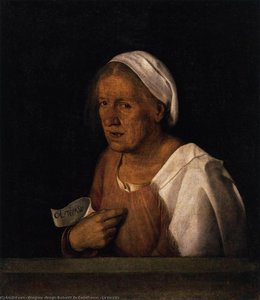
A három életkor
Giclée / Műnyomat
Reprodukció mérete
-


Összesített ár
Ft 26396
A reneszánsz párbeszéd: Feltárva Giorgione „A három életkor” című műv masterpiece-ét
„A három életkor”, melyet a reneszánsz rejtélyes velencei mesterének, Giorgionénak (Giorgio Barbarelli da Castelfranco, 1477/78-1510) tulajdonítanak, egy lenyűgöző portré, amely túlmutat a puszta ábrázoláson, és a nézőt a filozófiai gondolkodás és a csendes emberi kapcsolódás világába hívja. Bár a mű pontos dátumozása továbbra is vitatott az artista határozottan tulajdonított műveinek korlátozott számával való tekintetbe véve, a alkotás Giorgione innovatív reneszánsz-festészeti megközelizésének éles tanúja.Téma és kompozíció: Az emberi interakció tanulmánya
A mű három férfit ábrázol, akik elmélyült párbeszédbe vonultak – a cím értelmében a fiatalságot, a magánkort és az öregedést reprezentálva. A kompozíció zseniálisan, háromszög alakban van elrendezve, amelyet a központi figura feje fixál meg, a tekintet pedig a társai felé terajlik ki. Ez a felépítés stabilitást és harmóniát kölcsönöz a jelenetnek, miközben finoman irányítja a néző tekintetét. Minden egyes férfi egyedi vonásokat őriz, amelyek a saját életszakaszukra utalnak: a fiatal arcot tele van a lehetőségekkel, a felnőtt arc az élmények tükröződésével, az öreg arc pedig a bölcsesség és az idő jeleit hordozza.Stílus és technika: Velencei lírisztikum
„A három életkor” Giorgione egyedi stílusának példaképe – amely a fejlődő velencei iskola egyik megkülönböztető jele. A florentin lineáris precizitással szemben Giorgione a színnek, a hangulatnak és a költői modusnak adott prioritást. A festmény apró, gondos ecsetvonásokkal és rétegzett glázurwith készült, olyan fényűző tulajdonságotக் alakítva ki, amely életre kelti a figurákat. Puha, íves vonalak járulnak hozzá a gyengéd kifejezésekhez, miközben a naturalisztikus formák pontosan ábrázolják az emberi testet. Érdemes megjegyezni a művész textúrák feletti uralmát – a folyó hajaktól és a finom bőrtónusoktól kezdve a ruhájuk gazdag anyagaiig. A drámai fény, amely egy láthatatlan forrásból származik, erős árnyékokat vet, amelyek növelik a mélységet és a vollument.Történelmi kontextus: Kapcsolat az évtizedek között
Giorgione a művészettörténet döntő pillanatában, a magasan fejlődő reneszánsz korában élt. Ő, Tiziannal az együttesében fektette le a velencei festézművészet alapjait, amely mély hatással volt a művészgenerációkra. Rövid pályája az innovációval és a hagyományos művészeti konvencióktól való eltéréssel volt megváltva. A 16. század eleje az emberizmus és a filozófiai kutatások növekvő érdekeit hozta, amelyek témái ebben a műben is finoman tükröződnek. Giorgione festményei nem csupán dekoratívak voltak; céljuk az érzelmek felkeltése és az intellektuális kíváncsakúsztás serkentése volt.Szimbolika és interpretáció: Bölcsesség az évek során
A „A három életkor” című mű mögött rejlő szimbolika nyitott, amely folyamatosan új értelmezésekre vár, növelve alkotásnak tartós misztikumát. A három alak az élet szakaszainak megtestesüléseként is értelmezhető – a fiatalság idealizmusaként, a magánkor pragmatizmusaként és az öregkor bölcsességeként. Párbeszédük az interakciót és a tudás, valamint a tapasztalat generációkon átívelő átadását sugallja. Egyes tudósok allegorikus olvasatokat javasolnak, amelyek a figurákat specifikus filozófiai iskolákkal vagy erényekkel azonosítják. Függetlenül a pontos értelmezéstől, a festmény az időről, a halálról és az megértés iránti törekvésről szóló univerzális témákat szólaltatja meg.Érzelmi hatás és esztétikai vonzerő
„A három életkor” a csendes kontempláció és az intellektuális kíváncsakúsztás érzését kelti. A meleg színpaletta és a lágy megvilágítás intim és ünnepélyes hangulatot teremt. A figurák kifejezései árnyaltak és magával ragadóak, amely arra ösztönzik a nézőt, hogy kapcsolódjon emberi lényükhöz. Ez a mű nem csupán vizuálisan vonzó; érzelmi szinten is rezonál, arra késztetve, hogy rögögöljünk az emberi létezésről. Időtlen minősége lenyűgözővé teszi bármely művészeti gyűjtemény vagy belső tér számára, esztétikai szépséget és intellektuális stimulációt kínálva egyaránt. Ez egy olyan alkotás, amely hosszú távú megtekintésre és az ismételt felfedezésekre hívja a nézőt.Kérdések és válaszok
Milyen hangulatot áraszt a "A három életkor"?
„A három életkor”, Giorgione alkotása művészeti alkotásának összhangulata Nyugodt. Ez az érzet foglalja össze a mű általános atmoszféráját.
Milyen témát és hangulatot ötvöz a „A három életkor”, Giorgione alkotása?
A „A három életkor”, Giorgione alkotása a reneszánsz, filozófia, beszélgetés, portré, humanizmus, mélység, árnyékok, szimbolizmus elemeit ötvözi egy Nyugodt hangulatú környezettel.
Hol találhatok olyan műalkotásokat, amelyek hasonlóak a(z) „A három életkor”, Giorgione alkotása alkotáshoz?
A „A három életkor”, Giorgione alkotása alkotással hasonló műalkotások a(z) Hasonló alkotások oldalon találhatók.
A művész életrajza
Giorgione (1477/8-1510), a key High Renaissance Venetian painter
Giorgio Barbarelli da Castelfranco, known to the world as Giorgione, remains one of the most elusive and captivating figures in Renaissance art. Born in the small town of Castelfranco Veneto near Venice around 1477 or 1478 – the exact year is debated – his tragically short life, ending around 1510 at the age of thirty-two or thirty-three, belies an artistic impact that continues to resonate centuries later. Unlike many of his contemporaries whose lives are well documented, Giorgione’s story is shrouded in mystery, pieced together from scant historical records and the often romanticized accounts of Giorgio Vasari. What we do know suggests a man deeply immersed in the vibrant culture of Venice, a city that fostered both artistic innovation and a sensual appreciation for beauty. He likely apprenticed under Giovanni Bellini, a leading Venetian painter, absorbing the established traditions before forging his own unique path. Early commissions included portraits of prominent figures like Doge Agostino Barbarigo, demonstrating an immediate talent for capturing likeness and status. However, it was in his departure from conventional subject matter and his revolutionary approach to painting that Giorgione truly distinguished himself. Giorgio Vasari’s biographical sketches offer tantalizing glimpses into Giorgione's life – he describes him as a man who delighted in all the beauty the world could offer, singing and playing the lute, and “putting into his pictures, the greatest beauty and the greatest variety that he could find.” His gentle obsession with the soft tones of flesh and the shade of quiet trees distinguish his paintings, and profoundly influenced his student Titian. Despite Vasari’s romanticized portrayal, verifiable information about Giorgione is scarce. He was married to Lucrezia Querinelli, and they had several children – though none survived infancy. His artistic activity flourished during this period, fueled by patronage from wealthy Venetian families and a fervent desire to explore new creative horizons.A Style Unlike Any Other: The Venetian Breakthrough
Giorgione’s artistic style marked a significant break from the prevailing Florentine emphasis on linear perspective and precise draftsmanship. He championed color, atmosphere, and an evocative moodiness that became hallmarks of the Venetian school. His technique involved softening outlines, employing subtle gradations of tone – *sfumato* – to create atmospheric effects, and prioritizing overall harmony over meticulous detail. This approach wasn’t merely a technical choice; it reflected a fundamentally different artistic sensibility. Giorgione sought not to replicate reality but to capture its essence, its fleeting emotions, and its poetic resonance. He famously stated that he wished to “paint as poets write,” aiming for an emotional impact rather than a literal representation of the scene before him. This ambition is vividly realized in masterpieces like *The Tempest* (c. 1506-1508) and *Pastoral Concert*, where hazy landscapes dominate, bathed in diffused light—a technique that would become synonymous with Venetian painting. The absence of sharp lines and pronounced shadows contributes to the paintings’ ethereal quality, inviting viewers into a realm of contemplation and emotion.Notable Works: Visions of Beauty and Mystery
Giorgione's oeuvre is remarkably small compared to his contemporaries, consisting of approximately six surviving artworks—a fact that has fueled speculation about his artistic output and contributed to his enduring mystique. Yet, these paintings are undeniably powerful, demonstrating Giorgione’s mastery of color and form. *The Tempest*, depicting a soldier and a nursing mother amidst a stormy landscape, remains one of the most debated compositions in Renaissance art. Scholars continue to wrestle with its symbolism—the enigmatic gaze of the soldier, the serene expression of the woman, and the evocative depiction of the turbulent sky—seeking to unlock its hidden meanings. Similarly, *Pastoral Concert*, celebrating musicians in a tranquil meadow, exemplifies Giorgione’s commitment to capturing mood and atmosphere above all else. The painting's harmonious colors and subtle gradations of tone create an immersive experience for the viewer, transporting them to a realm of idealized beauty. Other significant works include *Sleeping Venus*, which showcases Giorgione’s exquisite handling of color and drapery—a testament to his skill as a painter—and *Judith*, demonstrating his early exploration of dramatic narrative alongside atmospheric effects.Influence and Legacy: Shaping Venetian Art
Giorgione's influence extended far beyond his own paintings, establishing him as a pivotal figure in the development of Venetian art. He served as a mentor to Titian, who would become one of the most celebrated artists of the High Renaissance—carrying forward Giorgione’s innovations in color and atmospheric painting. The Venetian school embraced Giorgione's stylistic principles, rejecting the rigid conventions of Florentine art and prioritizing expressive emotion alongside visual beauty. This shift toward a more sensual and poetic aesthetic profoundly impacted the artistic landscape of Italy, shaping the tastes and sensibilities of subsequent generations. Giorgione’s legacy continues to inspire artists today—a reminder that true artistry lies not in slavishly imitating reality but in capturing its essence—its fleeting emotions, and its profound beauty. He remains a symbol of artistic freedom, innovation, and the power of suggestion – a painter who dared to prioritize feeling over form, atmosphere over accuracy, and poetry over narrative.
Giorgione
1477 - 1510 , Olaszország
Rövid információk
- Artistic Movement Or Style: Magyar reneszánsz, Velencei iskola
- Artists Or Movements Influenced By This Artist: ['Titian']
- Artists Who Influenced This Artist:
- Giovanni Bellini
- Mantegna
- Date Of Birth: 1477/78 vagy 1473/74
- Date Of Death: 1510 októbere
- Full Name: Giorgio Barbarelli da Castelfranco
- Nationality: Olasz
- Notable Artworks:
- A Tempest
- Pastoral Concert
- Alvó Vénusz
- Judit
- Place Of Birth: Castelfranco Veneto, Itália
Kapcsolódó cikkek

The Golden Light of Innovation: Exploring the Venetian Renaissance Art Movement (1430–1580)
Explore the Golden Age of Venetian art (1430–1580). Discover Giorgione, Titian & Tintoretto's techniques, the 'colorito' revolution, and lasting influence. Expert insights for collectors & enthusiasts.

Venetian Renaissance: The Golden Age of Color, Light, and Luminous Artistry
Embark on a journey through the Venetian Renaissance. Discover how masters like Giorgione and Titian revolutionized art through luminous color and light. Explore the profound legacy of the Venetian School and its enduring influence on the world of fine art.

Giorgione: Enigma and Innovation in Early Venetian Renaissance Painting
Explore the enigmatic world of Giorgione, a pivotal figure in the Venetian Renaissance. Discover his innovative techniques, iconic paintings like 'The Tempest', and lasting influence on art history. Learn more at OriginalUniqueArt.

Venetian Renaissance: The Mastery of Color, Light, and the Art of Colorito
Explore the luminous mastery of the Venetian Renaissance. Discover how masters like Titian and Giorgione revolutionized art through colorito, light, and atmosphere. An expert guide to the golden age of Italian painting for collectors and enthusiasts.

Oil on Panel: The Ultimate Guide to Bold, High-Impact Texture & Depth
Master the art of impact with our expert guide to oil on panel. Discover how impasto textures and heavy-body pigments create 3D depth and bold visual energy for modern interiors. Elevate your space with high-impact, hand-painted masterpieces designed for maximum aesthetic punch.