

 Megtekintés
 Küldés
 Megosztás
 Részletek

 Letöltés
 Hasonló darabok
 X-ray felvétel
 Diavetítés
 Statisztika
Main Altar


 Összes részlet megjelenítése
Kézzel készített olajfestmény reprodukció
Kézzel festett olajvastú vászon, az Ön által választott méretben és keretben, művészeink készítik meglévőre. ( Áttérés Nyomtatványra Áttérés digitális képre)




































Válasszon előre meghatározott méreteink közül, amelyek megfelelnek a műalkotás eredeti arányainak.

Ön megadhat saját méreteket egy adott kerethez vagy térhez igazításhoz. Ha a kiválasztott méret nem egyezik az eredeti kép arányával, akkor a műalkotást levágjuk, vagy további kézzel festett elemekkel meghosszabbítjuk a festményt. A gyártás megkezdése előtt küldünk Önnek egy digitális előnézetet jóváhagyásra.
Kérjük, vegye figyelembe, hogy a képernyőn megjelenő előnézet nem tükrözi a tényleges vágást vagy kiterjesztést. Csak az előnézet fog pontosan mutatni a végső kompozíciót.
Bár egyedi méretek állnak rendelkezésre, javasoljuk, hogy válasszon egy méretet az előre meghatározott listából az eredeti arányok megőrzése érdekében.
A rendelést követően a OriginalUniqueArt.com csapata e-mailt küld az ügyfélnek az instrukciókért, és biztosít egy előnézeti képet (mockup).
Világszerte elérhető szállítás () 3-4 hét alatt a szokásos 5 hét helyett. (13 szeptember). A minőség nem kérdőjelezhető.

Ingyenes globális expressz szállítás

Prémium minőségű len vászon

Teljes körű szállítási biztosítás

Vámvisszatérítési Garancia

Hiteles színpontosság garancia

100 napos visszaküldési lehetőség (csak hibás termékek esetén)

100% pénzvisszatérítési garancia

Több darab vásárlása esetén kedvezmény
 Az üvegkeretes opció csak 110 cm alatti méretben érhető el

Main Altar
Reprodukciós technika
Reprodukció mérete
-


Összesített ár
$ 300
A művész életrajza
The Architect of Transition: The Life and Legacy of Gil de Siloé
In the vibrant tapestry of the Spanish Renaissance, few figures loom as large or as transformatively as Gil de Siloé. Born in Burgos around 1495, Siloé emerged during a period of profound cultural metamorphosis, acting as the vital bridge between the intricate, spiritual intensity of the Gothic tradition and the burgeoning humanism of the Italian Renaissance. As the son of the renowned Gothic sculptor Gil de Urliones, his early life was steeped in the mastery of stone and the symbolic language of medieval Castile. This lineage provided him with a foundational command over the Isabelline Gothic style—a period characterized by an almost obsessive level of detail, where every surface seemed to pulse with religious devotion and ornamental complexity.
Siloé’s early career was defined by his ability to breathe life into monumental structures, most notably through his work on the Burgos Cathedral. His creation of the cathedral's magnificent staircase in 1519 remains one of the most breathtaking achievements of the era. In this masterpiece, one can witness the artist’s burgeoning genius as he began to push against the rigid boundaries of Gothic construction. By integrating soaring arches with delicate vegetal motifs and heraldic imagery, he created an airy, light-filled space that felt both ancient and revolutionary. This work served as a precursor to his larger mission: the synthesis of disparate worlds into a singular, cohesive aesthetic.
A Journey of Discovery: From Castile to Naples
The trajectory of Siloé’s artistry underwent a seismic shift around 1517, following his pivotal pilgrimage to Naples. This encounter with the Italian Renaissance was nothing short of a revelation. Exposed to the classical proportions, anatomical precision, and balanced compositions flowing from the Mediterranean, Siloé returned to Spain with a transformed vision. He did not merely abandon his Gothic roots; instead, he performed a masterful alchemy, infusing the heavy, symbolic ornamentation of the North with the grace and clarity of Italian Classicism.
This stylistic evolution led to the birth of the Granadan school, a movement that would define much of the Spanish architectural landscape. His work began to reflect a unique tripartite influence:
- The Gothic Heritage: Retaining the intricate textures and emotional depth of his training in Burgos.
- Italian Classicism: Adopting the structural harmony and sculptural elegance found in the works of the Italian masters.
- Mudéjar Ornamentation: Incorporating the subtle, geometric beauty and delicate patterns characteristic of Spain's Moorish-influenced craftsmanship.
Masterpieces of Devotion and Stone
The breadth of Siloé’s output spans from the monumental to the intimately devotional. His sculptures, such as The Raising of Lazarus, serve as profound studies in human emotion and divine intervention. In these works, the transition from Late Gothic drama to Renaissance naturalism is palpable; the figures possess a weight and presence that suggest a new understanding of the physical world, even while they remain anchored in sacred narrative. Similarly, his contributions to altarpieces, such as the Main Altar (1496), showcase his ability to utilize gold leaf and complex iconography to create immersive religious experiences for the faithful.
Beyond the grand cathedrals, Siloé’s touch is felt in the delicate details of funerary art, where he captured the piety and prestige of the Spanish nobility. His work on tombs, such as the Tomb of Juan de Padilla, demonstrates a meticulous attention to the textures of limestone and the dignity of the deceased, ensuring that the transition from life to eternity was marked by both artistic splendor and historical permanence. Through his ability to harmonize the old with the new, Gil de Siloé did more than just decorate churches; he sculpted the very identity of a nation in transition, leaving behind a legacy that remains a cornerstone of Spanish art history.

Gil de Siloé
1495 - 1563 , Spain
A művészről röviden
- Artistic Movement Or Style: Renaissance, Isabelline Gothic
- Artists Or Movements Influenced By This Artist: ['Filippo Brunelleschi']
- Artists Who Influenced This Artist: ['Diego de Siloe']
- Date Of Birth: Burgos, Spain (c. 1495)
- Date Of Death: 1563
- Full Name: Gil de Siloé
- Nationality: Spanish
- Notable Artworks:
- Main Altar
- Tomb of Juan de Padilla
- Place Of Birth: Burgos
Kapcsolódó cikkek

Beyond Borders: The Spiritual & Stylistic Innovations of International Gothic Art
Explore the exquisite beauty & spiritual depth of International Gothic art. Discover key artists like Simone Martini & Pol de Limbourg, its origins, symbolism, and lasting influence on European painting. Expert insights at OriginalUniqueArt.
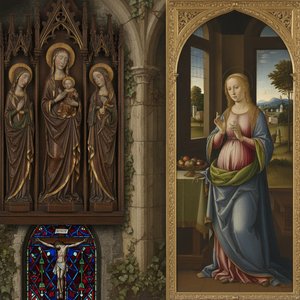
Late Gothic Art: The Divine Transition from Medieval Symbolism to Renaissance Naturalism
Explore the profound transition of Late Gothic art from medieval symbolism to Renaissance naturalism. Discover the elegance of International Gothic, the legacy of Master Theodoric, and the evolution of European courtly masterpieces through an expert art-historical lens.

Gothic Glamour Reimagined: How Late Medieval Aesthetics are Driving the Next Big Interior Design Trend
Discover how Late Medieval art is revolutionizing modern interiors. From Gothic drama to Renaissance naturalism, learn to integrate high-impact, historical aesthetics into your urban space with expert trend forecasts and design inspiration.

Goya Mesterművei: A Spanyol Lélek 25 Legikonikus Képe – OriginalUniqueArt
Fedezze fel Goya 25 leglenyűgözőbb mesterművét! Ismerje meg a spanyol festő életművét, portréit és ikonikus képeit. Vásároljon prémium minőségű reprodukciókat a OriginalUniqueArt.com-on, és teremtsen egyedi otthoni dekorációt klasszikus művészettel! Explore the full collection online.
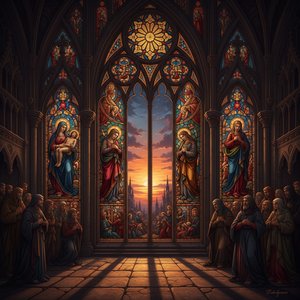
The Radiant Dusk of Medieval Vision: Exploring Late Gothic Art's Synthesis of Faith, Form & Emotionality (c. 1300-1500)
Explore the exquisite beauty & spiritual depth of Late Gothic art (c. 1300-1500). Discover key artists, symbolism, and its lasting influence on the Renaissance. Expert insights at OriginalUniqueArt.