

 Megosztás
 Megosztás
 Részletek
 Útmutató

 Letöltés
 Hasonló darabok
 Diavetítés
 Statisztika
Fontana della Barcaccia


 Tovább olvasom
Giclée / Műnyomat
Múzeumi minőségű giclée vagy vászonnyomat, gyors gyártással és rugalmas finomítási lehetőségekkel. ( Kézzel festett másolat vásárlása Áttérés digitális képre)




































Válasszon előre meghatározott méreteink közül, amelyek megfelelnek a műalkotás eredeti arányainak.

Megadhat saját méreteket is egy konkrét kerethez vagy helyszínhez igazítva. Amennyiben a kiválasztott méret nem egyezik az eredeti kép arányokkal, a műalkotást le fogjuk vágni, vagy kiegészítjük a képet tükrözött vagy egyszínű szélekkel. A gyártás megkezdése előtt egy digitális tervezetet küldünk jóváhagyásra.
Kérjük, vegye figyelembe, hogy a képernyőn látható előnézet nem tükrözi a tényleges levágást vagy kiegészítést. Csak a tervezet mutatja pontosan a végső kompozíciót.
Bár az egyedi méretek is elérhetőek, az eredeti arányok megőrzése érdekében azt javasoljuk, hogy válasszon a előre meghatározott listából származó méretet.
Világszerte történő kiszállítás területére mindössze 2 hét alatt, a szokásos 4-5 hét helyett. (21 szeptember)

Ingyenes globális expressz szállítás

Prémium minőségű len vászon

Teljes körű szállítási biztosítás

Vámvisszatérítési Garancia

Tökéletes színarányosság garancia

100 napos visszaküldési garancia (csak gyártási hibás termékek esetén)

100% pénzvisszatérítési garancia

Több darab vásárlásakor kedvezmény
 Az üvegkeretes opció csak 110 cm alatti méretben érhető el

Fontana della Barcaccia
Giclée / Műnyomat
Reprodukció méretei
-


Összesített ár
$ 80
A Symphony of Stone and Water: The Legacy of the Barcaccia
At the foot of Rome’s legendary Spanish Steps, where the grandeur of Baroque architecture meets the intimate pulse of the city, lies a masterpiece that defies the stillness of stone. The Fontana della Barcaccia is not merely a fountain; it is a poetic narrative captured in travertine, a sculptural triumph that breathes life into the very concept of movement. Created during the golden age of the Roman Baroque, this work serves as a profound testament to human resilience, transforming a memory of natural disaster into an enduring symbol of grace and divine providence.
The fountain’s origin is rooted in a moment of profound vulnerability. Following the devastating flood of 1598, which saw a small vessel swept into the Piazza di Spagna by the Tiber's currents, the concept for this monument was born. Commissioned by Pope Urban VIII, the project sought to embellish Rome’s piazzas with works that reflected both the power of the Church and the character of the city itself. What emerged was a design that does not fight against the memory of the flood but embraces it, using the shape of a sinking boat to tell a story of survival and the ebb and flow of fate.
The Mastery of Bernini: Engineering Emotion
While historical records suggest the project began under the hand of Pietro Bernini, it is the unmistakable genius of his son, Gian Lorenzo Bernini, that provides the fountain with its theatrical soul. The technique employed here is a masterclass in Baroque illusionism. By sculpting the fountain in the shape of a half-sunken boat, Bernini achieved a breathtaking interplay between solid marble and fluid water. He manipulated the weight of the travertine to create an optical illusion of instability, making the heavy stone appear as though it were caught in the middle of a gentle, rhythmic tilt.
The sculptor’s meticulous craftsmanship is visible in the delicate details that reward the close observer. From the weathered texture of the vessel's hull to the subtle, expressive faces peering from the edges, every element is designed to capture light and shadow. As water overflows from the boat's rim, it cascades with a controlled turbulence that mimics the very flood it commemorates. For the collector or admirer, this piece represents the pinnacle of sculptural dynamism—the ability to freeze a moment of intense motion within the permanence of stone.
A Timeless Inspiration for the Modern Interior
Beyond its historical significance, the Fontana della Barcaccia offers an unparalleled aesthetic inspiration for those looking to infuse their spaces with classical elegance and emotional depth. The fountain’s palette—composed of warm, earthy tones and the soft, reflective surfaces of water—complements a wide array of interior styles, from the opulent grandeur of traditional European estates to the sophisticated minimalism of modern luxury apartments. It brings with it an atmosphere of tranquility and "golden hour" warmth, reminiscent of a Roman twilight.
For the discerning art lover or interior designer, owning a high-quality reproduction of this work is an invitation to bring a piece of Rome’s eternal spirit into the home. The Barcaccia is more than a decorative element; it is a conversation piece that embodies themes of hope, stability, and the beauty found in life's inevitable transitions. It serves as a reminder that even when we find ourselves adrift, there is a profound, sculptural beauty to be found in the journey itself.
A művész életrajza
A Roman Genius: The Life and Legacy of Gian Lorenzo Bernini
Gian Lorenzo Bernini, a name synonymous with the pinnacle of Baroque artistry, was born in Naples in 1598, a city brimming with classical echoes that would profoundly shape his artistic vision. His father, Pietro Bernini, a respected sculptor himself, provided the initial foundation for young Gian Lorenzo’s burgeoning talent – a workshop filled with marble dust and the ghosts of ancient forms. This early immersion wasn't merely technical training; it was an intimate encounter with the legacy of Greece and Rome, a lineage that would become inextricably woven into Bernini’s own creative DNA. He arrived in Rome as a young man, a city pulsating with papal patronage and artistic ambition, and quickly established himself as a force to be reckoned with.Sculpting Emotion: The Birth of Baroque Drama
Bernini didn't simply sculpt figures; he breathed life into stone, imbuing his creations with an unprecedented level of psychological depth and dramatic narrative. He rejected the static beauty favored by the Renaissance, embracing instead movement, theatricality, and a raw, visceral emotionalism that defined the Baroque period. His works weren’t mere representations; they were invitations to experience – to feel the weight of history, the intensity of faith, the thrill of transformation. Key to his distinctive style was an extraordinary ability to capture fleeting expressions, conveying complex emotions through subtle shifts in posture and gesture. Consider *The Ecstasy of Saint Teresa*, housed within the Cornaro Chapel at Santa Maria della Vittoria – a swirling vortex of marble, bronze, and light that seems to pull the viewer into a realm of divine ecstasy. The dynamism of *Apollo and Daphne*, with its frozen moment of metamorphosis, or the heroic intensity of *David* all exemplify this revolutionary approach. Bernini’s genius lay in his ability to translate abstract concepts – faith, love, power – into tangible, emotionally resonant forms.Beyond Sculpture: Architecture and Urban Visions
Bernini's artistic ambition extended far beyond the confines of the studio. He was a remarkably versatile architect and urban planner, fundamentally reshaping the landscape of Rome with his bold designs and innovative solutions. His architectural projects weren’t conceived in isolation; they were integral components of a larger vision – a desire to create harmonious spaces that blended seamlessly with his sculptural work. The monumental Baldacchino above the high altar of St. Peter's Basilica stands as the ultimate testament to this holistic approach, a soaring bronze canopy that dominates the space and draws the eye upwards in awe. He also played a pivotal role in redesigning several Roman piazzas, transforming them into vibrant public spaces – Piazza Navona being perhaps the most striking example with its dramatic Fountain of Four Rivers. His work on St. Peter’s Basilica, including the expansive colonnade that embraces visitors as they approach, dramatically altered the basilica's appearance and created a grand ceremonial space befitting the heart of Christendom.A Lasting Influence: Bernini’s Historical Significance
Gian Lorenzo Bernini’s impact on Western art is immeasurable. His innovative approach to sculpture established the Baroque style as a dominant force for over a century, influencing generations of artists with his dramatic compositions and technical virtuosity. He didn't merely imitate classical forms; he synthesized them with a new sense of dynamism and emotional intensity, creating something entirely original. His integration of sculpture, architecture, and painting into unified artistic experiences set a new standard for artistic expression, demonstrating the power of art to engage all the senses and evoke profound emotions. As Howard Hibbard eloquently noted, Bernini’s impact was so significant that he stands as “the greatest sculptor of the 17th century.” His works continue to inspire awe and admiration, solidifying his place as one of history's most important artists – a true *uomo universale* whose legacy continues to resonate today.Family & Further Achievements
- Pietro Bernini: Gian Lorenzo’s father, a sculptor who provided early training and guidance.
- Cardinal Scipione Borghese: An early patron whose commissions allowed Bernini to develop his signature style.
- Pope Urban VIII: Bernini's most significant patron, providing extensive opportunities for architectural and sculptural projects in Rome.
- Architectural Projects: Beyond St. Peter’s Basilica, Bernini designed churches like Sant’Andrea al Quirinale and contributed to the design of Palazzo Barberini.
- Theatrical Designs: He was also a playwright and stage designer, creating elaborate sets and machinery for theatrical productions.

Gian Lorenzo Bernini
1598 - 1680 , Olaszország
Gyors információk
- Artistic Movement Or Style: Barokk
- Artists Or Movements Influenced By This Artist:
- Barokk szobrászat
- Európai művészet
- Artists Who Influenced This Artist:
- Pietro Bernini
- Michelangelo
- Date Of Birth: 1598. 7. december
- Date Of Death: 1680. 11. 28.
- Full Name: Gian Lorenzo Bernini
- Nationality: Olasz
- Notable Artworks:
- Apollón és Daphné
- A Szent Terézia Ecstázisát
- David
- A Quattro Fiume szoborcsoportja
- Place Of Birth: Nápoly, Olaszország
Kapcsolódó cikkek

The Enduring Form: Sculpture Across History, Technique & Emotional Resonance
Explore the rich history of sculpture with OriginalUniqueArt. Discover key techniques, influential artists & investment potential for discerning collectors. Expert insights into valuing and collecting timeless masterpieces.

A művészettörténet 10 legikonikusabb bronzszobra – OriginalUniqueArt.com
Fedezze fel a művészettörténet 10 legikonikusabb bronzszobrát! Ismerje meg Rodint, Michelangelót és más mestereket. Luxus minőségű nyomatok otthonába – OriginalUniqueArt.com.

The Enduring Form: Exploring Themes & Techniques in Sculpture Across Historical Periods
Explore the rich history of sculpture from ancient masterpieces to contemporary innovations. Discover key techniques, influential artists & investment potential for discerning art collectors.

Theatricality & Triumph: Baroque Drama in Painting & Sculpture
Explore the dramatic world of Baroque art! Discover its history, defining characteristics, & lasting influence on painting & sculpture. Expert insights into Caravaggio, Zurbarán, and Bernini – plus high-quality reproductions at OriginalUniqueArt.
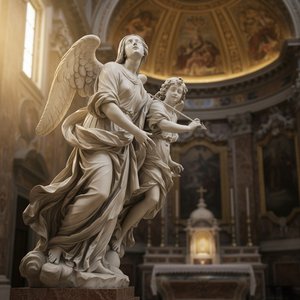
Gian Lorenzo Bernini: Sculpting Baroque Emotion & the Roman Imagination
Explore the life & revolutionary art of Gian Lorenzo Bernini, the master sculptor of the Baroque era. Discover his iconic works like David and Ecstasy of Saint Teresa – a journey into Roman artistic genius.
