

 Megtekintés
 Küldés
 Megosztás
 Részletek
 Útmutató

 Letöltés
 Hasonló darabok
 X-ray felvétel
 Diavetítés
 Statisztika
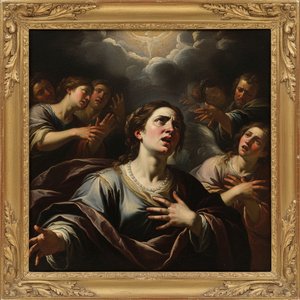
Three Beggars
 Oil On Canvas
- WallArt
- Baroque Painting
 1736
1736 131.0 x 95.0 cm
 Fundación Colección Thyssen-Bornemisza
 Összes részlet megjelenítése
Giclée / Műnyomat
Múzeumi minőségű giclée vagy vászonnyomat, gyors gyártással és rugalmas finomítási lehetőségekkel. ( Kézzel festett másolat rendelése Áttérés digitális képre)




P118B Ft10

P118H Ft10

P118W Ft10

P438Z Ft10

P508JH Ft12

P508YH Ft12

P805H Ft10

P805Z Ft10

P919BZ Ft10

P919G Ft10

P919XJ Ft10

P959ZH Ft10

P968JZ Ft12

W106C Ft8

W218G Ft10

W218JH Ft8

W218Y Ft10

W307PJ Ft10

W316G Ft10

W316PJ Ft8

W316Y Ft10

W398PJ Ft8

W4111J Ft10

W500HY Ft15

W500JH Ft15

W692G Ft12

W849H Ft8

W940BG Ft15

W953PJ Ft8




Válasszon előre meghatározott méreteink közül, amelyek megfelelnek a műalkotás eredeti arányainak.

Írja be a keretének vagy a falának megfelelő szélességet és magasságot. A nyomatot csak le lehet vágni, soha nem tehető nagyobbá, mint az eredeti kép, így egy eltérő alakú méretnél a kép egy része elveszik. Mielőtt bármit kinyatintanánk, küldünk egy digitális próbamodellt jóváhagyásra. Az oldalon látható kép nem tartalmazza a valós levágást — ezt csak a próbamodell mutatja meg.
Világszerte történő kiszállítás területére mindössze 2 hét alatt, a szokásos 4-5 hét helyett. (27 október)

Ingyenes globális expressz szállítás

Prémium minőségű len vászon

Teljes körű szállítási biztosítás

Vámvisszatérítési Garancia

Hiteles színarányosság garancia

100 napos visszaküldési lehetőség (csak hibás termékek esetén)

100% pénzvisszatérítési garancia

Több darab vásárlásakor kedvezmény
 Az üvegkeretes opció csak 110 cm alatti méretben érhető el

Three Beggars
Giclée / Műnyomat
Reprodukció mérete
-


Összesített ár
Ft 25681
Giacomo Ceruti’s “Three Beggars”: A Study in Human Suffering and Baroque Dignity
“Three Beggars,” painted by Giacomo Ceruti (Pitocchetto) in 1736, is more than just a depiction of poverty; it's a profoundly moving meditation on human suffering rendered with the characteristic dignity and realism that defined the late Baroque period. This oil-on-canvas masterpiece, currently residing within the esteemed collection at the Fundación Colección Thyssen-Bornemisza in Pedralbes, Spain, offers a stark yet beautiful glimpse into the lives of those marginalized by society – a poignant commentary on social injustice viewed through the lens of an artist deeply attuned to the human condition. Measuring 131 x 95 cm, the painting’s scale invites contemplation, drawing the viewer into the quiet desperation of its subjects.
- The Artist's Vision: Giacomo Ceruti (Pitocchetto), born in Milan in 1698 and passing away in 1767, was a key figure in the Venetian art scene. His work, often characterized by its meticulous detail and realistic portrayal of peasants and beggars, reflects a deep empathy for those less fortunate. He skillfully employed a dark background to elevate his figures, creating a dramatic contrast that intensifies their plight.
- Composition and Technique: Ceruti’s technique is immediately apparent in the rich textures he achieves – from the rough weave of the beggars' clothing to the subtle nuances of expression on their faces. The deliberate use of chiaroscuro, the interplay of light and shadow, further emphasizes the figures and adds a sense of solemnity to the scene.
Subject Matter and Symbolic Representation
The painting’s subject matter is deliberately stark: three individuals – a blind beggar woman, a man with a resigned posture, and another woman seated on a stool clutching a staff – each representing a different facet of hardship. The central figure, the blind beggar woman, immediately commands attention. Her vulnerability and dependence are powerfully conveyed through her slumped form and the suggestion of age etched onto her face. To her right, the man embodies quiet desperation, his posture a silent testament to years of struggle. The third figure, seated and reliant on her staff, symbolizes resilience and the enduring need for support in the face of adversity. These aren't merely portraits of poverty; they are archetypes of human suffering, rendered with an almost sculptural quality.
- Symbolism of the Staff: The beggar woman’s staff is not simply a tool for walking; it represents her reliance on charity and the precariousness of her existence.
- The Blind Woman's Significance: Her blindness adds another layer of symbolism, representing both physical impairment and spiritual darkness – a common motif in Baroque art.
Historical Context and Artistic Legacy
Created during the 18th century, “Three Beggars” stands as a testament to the enduring power of social commentary within the realm of art. Ceruti’s work aligns with the broader trends of the late Baroque period, characterized by its emotional intensity and dramatic compositions. His paintings have been rediscovered and appreciated in recent centuries, finding their place in prominent museums like the Museo Thyssen-Bornemisza in Madrid. The painting's enduring appeal lies not only in its technical skill but also in its ability to evoke a profound sense of empathy and understanding for those who are marginalized.
This reproduction offers an exceptional opportunity to own a piece of art history, allowing you to appreciate the genius of Giacomo Ceruti (Pitocchetto) and his powerful exploration of the human condition. Its evocative imagery continues to resonate with viewers today, solidifying its place as a significant work within the canon of 18th-century art.
Kérdések és válaszok
Hol tudok nyomtatványt vásárolni a(z) „Three Beggars”, Giacomo Ceruti (Pitocchetto) alkotása alkotásból?
A "Three Beggars" minőségi giclée nyomat pamutvászonon vagy archiváló vászonpapíron formátumban is elérhető. A rendelést a Művészeti nyomtatvány oldalon lehet megtenni, a kívánt méretben.
Milyen érzéssel párosítható a "Three Beggars"?
A „Three Beggars”, Giacomo Ceruti (Pitocchetto) alkotása egy Melancholic érzelmi hangulatot közvetít.
Hol függene jól a „Three Beggars”, Giacomo Ceruti (Pitocchetto) alkotása reprodukciója?
A formátum (Portrait) és a javasolt helyiség (Dining Room) a „Three Beggars”, Giacomo Ceruti (Pitocchetto) alkotása alkotáshoz tartozó két elhelyezési adat.
Kapcsolódó cikkek
Chiaroscuro and Soul: A Definitive Guide to the Drama and Emotion of Italian Baroque Masterpieces
Embark on a sophisticated journey through Italian Baroque art. Discover the dramatic interplay of light and emotion in Caravaggio’s masterpieces and explore how to bring this timeless grandeur into your collection with expert art insights.

A Barokk Mesterek 10 Legikonikusabb Remekműve – OriginalUniqueArt.com
Fedezze fel a barokk művészet 10 legpártosabb remekművét! Caravaggio, Rembrandt és Vermeer alkotásainak története – OriginalUniqueArt.com kínálatában exkluzív reprodukciók és inspiráló dekorációs ötletek várják Önt. Nézze meg most!

Barokk dráma: A nagyság és az érzelem bevonása a kortárs belső terekbe
Fedezze fel a barokk stílus nagyságát és drámáját! Ismerje meg a belsőépítészet jellegzetességeit, inspirálódjon híres enteriőrökből, és valósítsa meg álmai luxus otthonát szakértő útmutatásunkkal.

The Enduring Power of Painting: A Historical & Contemporary Exploration of Form and Emotion
Explore the rich history & enduring techniques of oil painting with OriginalUniqueArt. Discover masterpieces, learn about art collecting, and find authentic handmade reproductions crafted by skilled artists.

Italian Baroque Unlocked: High-Drama Art That Hits Hard
Dive into the high-drama world of Italian Baroque art. Discover how chiaroscuro, intense emotion, and theatrical lighting redefined aesthetics. Explore the visceral power of the Counter-Reformation through a modern lens with expert insights from OriginalUniqueArt.com.
