Megtekintés
 Küldés
 Megosztás
 Részletek
 Útmutató

 Letöltés
 Hasonló darabok
 X-ray felvétel
 Diavetítés
 Kérdések és válaszok
 Statisztika
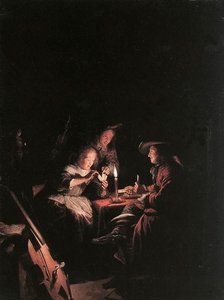
Cardplayers at Candlelight


 Összes részlet megjelenítése
Giclée / Műnyomat
Múzeumi minőségű giclée vagy vászonnyomat, gyors gyártással és rugalmas finomítási lehetőségekkel. ( Kézzel festett másolat rendelése Áttérés digitális képre)




P118B Ft10

P118H Ft10

P118W Ft10

P438Z Ft10

P508JH Ft12

P508YH Ft12

P805H Ft10

P805Z Ft10

P919BZ Ft10

P919G Ft10

P919XJ Ft10

P959ZH Ft10

P968JZ Ft12

W106C Ft8

W218G Ft10

W218JH Ft8

W218Y Ft10

W307PJ Ft10

W316G Ft10

W316PJ Ft8

W316Y Ft10

W398PJ Ft8

W4111J Ft10

W500HY Ft15

W500JH Ft15

W692G Ft12

W849H Ft8

W940BG Ft15

W953PJ Ft8




Válasszon előre meghatározott méreteink közül, amelyek megfelelnek a műalkotás eredeti arányainak.

Írja be a keretének vagy a falának megfelelő szélességet és magasságot. A nyomatot csak le lehet vágni, soha nem tehető nagyobbá, mint az eredeti kép, így egy eltérő alakú méretnél a kép egy része elveszik. Mielőtt bármit kinyatintanánk, küldünk egy digitális próbamodellt jóváhagyásra. Az oldalon látható kép nem tartalmazza a valós levágást — ezt csak a próbamodell mutatja meg.
Világszerte történő kiszállítás területére mindössze 2 hét alatt, a szokásos 4-5 hét helyett. (8 november)

Ingyenes globális expressz szállítás

Prémium minőségű len vászon

Teljes körű szállítási biztosítás

Vámvisszatérítési Garancia

Hiteles színarányosság garancia

100 napos visszaküldési lehetőség (csak hibás termékek esetén)

100% pénzvisszatérítési garancia

Több darab vásárlásakor kedvezmény
 Az üvegkeretes opció csak 110 cm alatti méretben érhető el

Cardplayers at Candlelight
Giclée / Műnyomat
Reprodukció mérete
-


Összesített ár
Ft 26415
Cardplayers at Candlelight: A Baroque Masterpiece Illuminated
The painting “Cardplayers at Candlelight,” created circa 1660 by Gerrit Dou, stands as an emblem of the Dutch Golden Age’s fascination with realism and psychological depth. Executed in a meticulously polished ‘fijnschilder’ style—a hallmark of Dou's oeuvre—this genre scene transcends mere depiction; it invites contemplation on human interaction and the subtle nuances of domestic life illuminated by flickering candlelight. Dou, renowned for his mastery of chiaroscuro, skillfully employs dramatic lighting to sculpt the figures within the canvas, creating a palpable sense of intimacy and atmosphere.Style and Technique: Precision and Illusion
Dou’s technique is characterized by painstaking detail and an astonishing ability to render textures with remarkable accuracy. He achieved this through layering thin glazes over preparatory underdrawings, resulting in surfaces that possess an almost velvety sheen—a testament to his dedication to achieving photographic realism. The artist's meticulous attention to anatomical precision contributes to the painting’s convincing portrayal of human form, while simultaneously enhancing its expressive power. Furthermore, Dou skillfully employs trompe l’oeil techniques – subtle visual illusions – to heighten the illusion of depth and create a captivating interplay between light and shadow. Notice how the candlelight casts elongated shadows across the table surface, subtly emphasizing the postures and expressions of the players.Historical Context: The Leiden Fijnschilders and Domestic Ideals
“Cardplayers at Candlelight” belongs to the Leiden Fijnschilders—a group of artists who championed a refined aesthetic sensibility rooted in observation and psychological realism. This artistic movement emerged during a period of unprecedented prosperity and cultural flourishing in Holland, reflecting Enlightenment ideals concerning human understanding and moral virtue. The scene depicts a common pastime – card playing – within the confines of a home interior, symbolizing not only leisure but also social connection and familial bonds—values highly esteemed by Dutch society at the time. Dou’s work aligns perfectly with these broader cultural currents, presenting an idealized vision of domestic tranquility and intellectual engagement.Symbolism: Light as Reflection of Inner Life
The pervasive use of candlelight is laden with symbolic significance. Beyond its practical function in illuminating the scene, it represents enlightenment—both literal and figurative—serving as a metaphor for knowledge, understanding, and spiritual illumination. The flickering flames cast dancing shadows on the faces of the card players, mirroring their inner thoughts and emotions. This subtle visual cue underscores Dou’s profound sensitivity to psychological realism, demonstrating his ability to convey complex feelings through carefully crafted imagery.Emotional Impact: Capturing Transient Moments
“Cardplayers at Candlelight” succeeds in capturing a fleeting moment of human experience—a quiet gathering punctuated by conversation and the anticipation of a game. The painting evokes a feeling of warmth, comfort, and contemplative reflection. Dou’s masterful rendering of facial expressions conveys subtle emotions – amusement, concentration, perhaps even apprehension – inviting viewers to engage with the scene on an emotional level. It remains a powerful reminder that art can transcend mere representation, transporting us back in time and prompting us to consider the enduring themes of human connection and inner contemplation.- Image: Cardplayers at Candlelight, c.1660 - Gerrit Dou
- Size: Unknown
- Date: 1660
Discover More About Gerrit Dou
Explore the exquisite Dutch Golden Age paintings of Gerrit (Gérard) Dou (1613-1675). Known for his meticulous ‘fijnschilder’ style, genre scenes, and masterful use of light in candlelit interiors. Discover his legacy & works!
Where to Find Reproductions
Admire the brilliance of “Cardplayers at Candlelight” through high-quality reproductions available on OriginalUniqueArt.com.
Kérdések és válaszok
Mit ábrázol a „Cardplayers at Candlelight”, Gerrit Dou alkotása, és milyen hangulatot áraszt?
A „Cardplayers at Candlelight”, Gerrit Dou alkotása a candlelight, genre painting, dutch masters, interior scene, social gathering, playing cards, light effects elemeit ötvözi egy Calm hangulatú környezettel.
Milyen tónus felé hajlik a "Cardplayers at Candlelight"?
A Ochre to Sepia árnyalat áthatárolja a „Cardplayers at Candlelight”, Gerrit Dou alkotása alkotást.
Mekkora méretű nyomtatás Cardplayers at Candlelight alkotást illene a szobámba?
A(z) „Cardplayers at Candlelight”, Gerrit Dou alkotása ajánlott párosítása: egy Large méretű nyomat egy Living Room-ban.
A művész életrajza
Gerrit Dou (1613 - 1675)
Gerrit Dou was one of the most famous of all dutch painters until the beginning of the 19th century. He trained with Rembrandt, whose influence shows in his early works. His fame depended on his minutely painted scenes of everyday life, often represented in arched stone openings, like 'A Poulterer's Shop'; these are sometimes called 'niche' paintings. Trompe l’œil techniques were a hallmark of his style, creating illusions that blurred the boundaries between reality and artifice.Life
Gerrit Dou was born in Leiden on April 7, 1613, the son of Marytje Jansdr van Rosenburg and the glassmaker and engraver Douwe Jansz. According to Jan Jansz. Orlers (1570–1646), burgomaster of Leiden and author of a city chronicle in 1641, Dou evinced “a pleasure and desire toward painting” at a young age. He studied drawing under Bartholomeus Dolendo, and then trained in the stained-glass workshop of Pieter Couwenhorn. In February 1628, at the age of fourteen, his father sent him to study painting in the studio of Rembrandt (then aged about 21) who lived nearby. From Rembrandt, with whom he remained for about three years, he acquired his skill in colouring and in the more subtle effects of chiaroscuro, and his master's style is reflected in several of his earlier pictures, notably a self-portrait at the age of 22, around 1635–1638, in the Bridgewater Collection, and in the *Blind Tobit going to meet his Son*, at Wardour Castle. Dou’s workshop was initially located on Kort Rapenburg, where he resided until his death in 1675. He married Anna Maria van der Meer in 1649, and they had several children.Artistic Style and Specialization
Gerrit Dou's artistic style is characterized by its minute and elaborate treatment, often featuring genre scenes and trompe l’œil ‘niche’ paintings. His mastery of chiaroscuro—the dramatic interplay of light and shadow—is particularly notable, as seen in his candlelit night-scenes. He achieved this remarkable effect through a combination of techniques, including the use of concave lenses and convex mirrors to accurately reproduce the illumination of real objects. Dou's meticulous attention to detail extended beyond mere visual representation; he painstakingly crafted every brushstroke, striving for an unparalleled level of realism and expressive nuance. His work was admired by contemporaries and continues to captivate viewers today.Notable Works
Gerrit Dou produced over 200 paintings during his lifetime, many of which are housed in prominent museums across Europe. Among his most celebrated works include *The Astronomer by Candlelight*, a masterful depiction of scientific observation bathed in soft light; *A Poulterer’s Shop*, a stunning example of trompe l'œil that creates the illusion of depth and architectural grandeur; and *The Leiden Collection*, new york, which showcases Dou’s contribution to European art history. His influence extended beyond his own generation, inspiring subsequent artists and shaping the aesthetic sensibilities of the eighteenth century.Legacy
Gerrit Dou is considered one of the founders of the Leiden fijnschilderij—a movement that emphasized precision, subtlety, and polished realism in painting. He was a student of Rembrandt, whose artistic vision profoundly impacted Dou’s own approach to artmaking. His pupils included Frans van Mieris the Elder and Gabriel Metsu, who carried forward Dou's legacy into the next generation of Dutch painters. Gerrit Dou remains an enduring symbol of artistic excellence and innovation—a testament to the transformative power of observation and meticulous craftsmanship.
Gerrit Dou
1613 - 1675 , Holland
Rövid információk
- Artistic Movement Or Style: Fijnschilder
- Artists Or Movements Influenced By This Artist: ['Frans van Mieris öreg']
- Artists Who Influenced This Artist: ['Rembrandt van Rijn']
- Date Of Birth: Április 7., 1613.
- Date Of Death: Február 9., 1675.
- Full Name: Gerrit Dou
- Nationality: Hollandi
- Notable Artworks:
- Az astronomerák kandillal
- A Leiden gyűjteménye
- Place Of Birth: Leiden, Hollandia
Kapcsolódó cikkek
Gerrit Dou: Intimacy & Light in the Dutch Golden Age
Explore the exquisite world of Gerrit Dou, a master of Dutch Golden Age painting. Discover his intimate genre scenes, signature use of light, and lasting legacy. Learn about collecting Dou's works & their value.

Golden Age Reflections: Dutch Baroque Painting & Cultural Innovation
Explore the Dutch Golden Age of painting! Discover key artists like Vermeer & ter Borch, their innovative techniques, and the rich cultural context behind these Baroque masterpieces. Learn about collecting & appreciating this iconic art period.

Golden Light & Dutch Skies: The Timeless Magic of Dutch Golden Age Landscapes
Discover the breathtaking beauty of Dutch Golden Age landscapes. Explore the mastery of light, chiaroscuro, and 17th-century realism through an expert art history lens, celebrating the enduring legacy of the Dutch Masters for discerning collectors and art lovers.

Chiaroscuro and Character: A Definitive Guide to Light and Shadow in the Dutch Baroque Era
Explore the dramatic mastery of the Dutch Baroque era. Discover how masters like Rembrandt used chiaroscuro to transform everyday life into timeless art. An expert guide for collectors and enthusiasts seeking to understand the profound interplay of light and shadow.

A Hollandi Aranykor 10 Mesterműve: Festmények, Amelyek Megváltoztatták a Világot | OriginalUniqueArt.com
Fedezze fel a Hollandi Aranykor 10 legikonikusabb műalkotását! Rembrandt, Vermeer és más mesterek festményeinek történeteit olvassa el. Barokk stílus, klasszikus művészet – inspirálódjon otthon dekorációjához a OriginalUniqueArt.com-on! Fedezze fel a teljes gyűjteményt online.