

 Küldés
 Megosztás
 Részletek
 Útmutató

 Letöltés
 Hasonló darabok
 Diavetítés
 Q&A
Q&A Statisztika
Curvas Concêntricas
 Black and White Photography
- Photo
- Contemporary Realism
 1955
1955- Modern
 38.0 x 38.0 cm
 Itaú Cultural Institute
 Összes részlet megjelenítése
Az ezen az oldalon megjelenített műalkotások szerzői jogi védelem alatt állnak, ami azt jelenti, hogy törvényileg nem készíthetünk és nem adhatunk el belőlük pontos másolatokat. Ez a védelem olyan nemzetközi megállapodások alapján érvényesül, mint például a Berni Egyezmény és a nemzeti jogszabályok által, beleértve azokat is, amelyeket meghatározott Az USA szerzői jogi törvénye – 17. cím.
Ez a módszer teljes mértékben megfelel a szerzői jogi szabályozásnak, mivel nem tartalmazza a védett műalkotás másolását vagy duplikálását. Ehelyett ez egy kreatív újinterpretáció – egy új festmény, amely az eredetivel való összefüggései miatt hatással van rá, de nem az az.
Giclée / Műnyomat
Múzeumi minőségű giclée vagy vászonnyomat, gyors gyártással és rugalmas finomítási lehetőségekkel. ( Kézzel festett másolat rendelése Áttérés digitális képre)




































Válasszon előre meghatározott méreteink közül, amelyek megfelelnek a műalkotás eredeti arányainak.

Írja be a keretének vagy a falának megfelelő szélességet és magasságot. A nyomatot csak le lehet vágni, soha nem tehető nagyobbá, mint az eredeti kép, így egy eltérő alakú méretnél a kép egy része elveszik. Mielőtt bármit kinyatintanánk, küldünk egy digitális próbamodellt jóváhagyásra. Az oldalon látható kép nem tartalmazza a valós levágást — ezt csak a próbamodell mutatja meg.
Világszerte történő kiszállítás területére mindössze 2 hét alatt, a szokásos 4-5 hét helyett. (29 október)

Ingyenes globális expressz szállítás

Prémium minőségű len vászon

Teljes körű szállítási biztosítás

Vámvisszatérítési Garancia

Hiteles színarányosság garancia

100 napos visszaküldési lehetőség (csak hibás termékek esetén)

100% pénzvisszatérítési garancia

Több darab vásárlásakor kedvezmény
 Az üvegkeretes opció csak 110 cm alatti méretben érhető el

Curvas Concêntricas
Giclée / Műnyomat
Reprodukció mérete
-


Összesített ár
Ft 25847
A Symphony of Line and Light
In the realm of mid-century modernism, few works capture the hypnotic intersection of architecture and abstraction as profoundly as German de Mello’s “Curvas Concêntricas.” Created in 1955, this masterpiece serves as a cornerstone of the São Paulo School of photography, a movement that sought to redefine the urban landscape through a modernist lens. At first glance, the viewer is met with an intricate, rhythmic dance of overlapping curves that seem to pulse with their own internal energy. While the photograph may appear purely abstract, it is deeply rooted in the physical reality of São Paulo’s architectural evolution, likely drawing inspiration from the iconic geometric facades of structures like the Museu de Arte de São Paulo (MASP). De Mello does not merely document a building; he deconstructs it, stripping away the weight of stone and concrete to reveal the poetic essence of form and light.
The technical execution of this work is nothing short of masterful, showcasing a meticulous control over tonal gradation and contrast. Utilizing traditional photographic printing methods, De Mello employs a strictly monochromatic palette that relies on the dramatic interplay between deep blacks and luminous whites. This high-contrast approach allows the concentric curves to emerge from the darkness, creating a sense of layered depth that defies the two-dimensional nature of the medium. The lines themselves vary in character—some are bold and commanding, while others are as delicate as a whisper—yet they all work in unison to create a complex visual texture. This deliberate precision reflects a broader modernist reaction against the fleeting, soft-focus impressions of Impressionism, favoring instead a clarity and structural order that speaks to the permanence of geometric design.
The Geometry of Emotion
Beyond its formal brilliance, “Curvas Concêntricas” offers a profound emotional resonance that makes it an extraordinary choice for sophisticated interiors. The composition is remarkably symmetrical, with curves radiating outward from a central point in a way that evokes feelings of harmony, balance, and even infinity. There is a meditative quality to the repetition; the eye is invited to wander through the labyrinthine network of lines, finding stillness within the perceived movement. For the collector or interior designer, this piece acts as a focal point of quiet strength. It possesses the unique ability to anchor a room, providing a sense of structural order while simultaneously injecting a dynamic, rhythmic energy into the space.
Whether displayed in a minimalist contemporary gallery or as a striking accent in a classic study, this reproduction brings with it the historical weight of the 1950s Brazilian avant-garde. It is an exploration of how light can transform the mundane into the monumental. By capturing the essence of architectural rhythm through the medium of photography, De Mello has created a timeless visual poem—a work that continues to inspire awe through its seamless blend of mathematical precision and pure, unadulterated artistry.
Kérdések és válaszok
A „Curvas Concêntricas” 1955-es dátuma German De Mello pályájának mely szakaszára tekintthető?
A "Curvas Concêntricas", amely 1955 évben készült, German De Mello pályájának Mid Century Modern szakaszába tartozik.
Hogyan ötvölik a kontraszt és a harmónia a(z) "Curvas Concêntricas" alkotásban?
A „Curvas Concêntricas”, German De Mello alkotása színes kompozíció egy Statement kontrasztot és egy Unified Palette harmóniát ötvöz.
Ki a "Curvas Concêntricas" szerzője, és mely művészeti irányból származik?
A "Curvas Concêntricas" mögött German De Mello és a Contemporary Realism irányzat áll.
A művész életrajza
Early Life and Influences
- Born: São Paulo, Brazil (1922)
- Died: 2021
- Initially studied accounting at Liceu Acadêmico de São Paulo.
- Started his own accounting business in 1952 before dedicating himself to photography.
- Joined Foto Cinema Clube Bandeirante in 1959, a pivotal group for Brazilian photographers like Thomaz Farkas and Chico Albuquerque.
- Served as the official photographer for the celebration of the 400th anniversary of São Paulo in 1954.
Artistic Development and Key Works
- Known primarily for his striking black and white photographs.
- His work showcases a unique approach to visual composition and attention to detail.
- Notable works include:
- Le Diable au Corps (1949): A significant early photograph demonstrating his artistic vision.
- Curvas Concêntricas (1955): Highlights his compositional skills.
- Apartments or: Captures the essence of urban living.
- Still Life: Demonstrates meticulous attention to detail.
- His photography often explored themes of urban life and still life subjects.
Style and Techniques
- Distinctive Style: German de Mello’s style is characterized by its stark simplicity, masterful use of light and shadow, and a keen eye for geometric forms.
- Technical Proficiency: He was highly skilled in traditional photographic techniques, particularly black-and-white printing.
- Compositional Approach: His compositions often feature carefully arranged elements that create a sense of balance and harmony.
- Influences: The Foto Cine Clube Bandeirante played a crucial role in shaping his artistic development, exposing him to modernist photographic trends.
Recognition and Legacy
- His photographs are housed in prestigious museums including the Museu de Arte de São Paulo Assis Chateaubriand (MASP).
- Recognized as a key figure of the "Escola Paulista de Fotografia" (São Paulo School of Photography).
- Continued to be celebrated for his contributions to Brazilian photography well into his later years.
- His work has been exhibited internationally, solidifying his place in art history.
- Died in 2021 leaving behind a legacy of captivating photographs that continue to inspire artists and photographers.
Historical Significance
- Pioneer of Brazilian Photography: De Mello was instrumental in the development of modern photography in Brazil, contributing significantly to its artistic recognition.
- Documenting Urban Life: His photographs offer a valuable visual record of São Paulo and its evolving urban landscape during the mid-20th century.
- Influence on Subsequent Generations: His unique style and approach have influenced countless photographers in Brazil and beyond.
- Preservation of Cultural Heritage: Through his work, he helped preserve a vital part of Brazilian cultural heritage for future generations.

German De Mello
1922 - 2021 , Brazil
Rövid információk
- Artistic Movement Or Style: Photography
- Artists Who Influenced This Artist:
- Thomaz Farkas
- Chico Albuquerque
- Date Of Birth: 1922
- Date Of Death: 2021
- Full Name: German de Mello
- Nationality: Brazilian
- Notable Artworks:
- Le Diable Au Corps
- Curvas Concêntricas
- Apartments or
- Still Life
- Place Of Birth: São Paulo, Brazil
Kapcsolódó cikkek
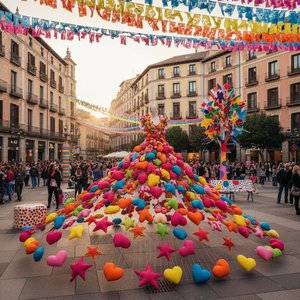
Águeda Ruiz de la Prada: A Study of Eclecticism & Emotional Resonance in Contemporary Spanish Painting
Discover the vibrant world of Ágatha Ruiz de la Prada, a leading figure in contemporary Spanish art. Explore her eclectic style, emotional depth & legacy – a must-read for discerning collectors.

Goya Mesterművei: A Spanyol Lélek 25 Legikonikus Képe – OriginalUniqueArt
Fedezze fel Goya 25 leglenyűgözőbb mesterművét! Ismerje meg a spanyol festő életművét, portréit és ikonikus képeit. Vásároljon prémium minőségű reprodukciókat a OriginalUniqueArt.com-on, és teremtsen egyedi otthoni dekorációt klasszikus művészettel! Explore the full collection online.
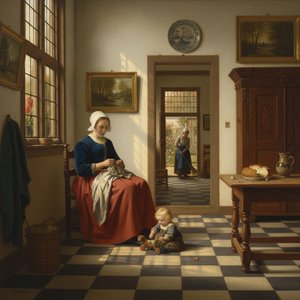
Pieter de Hooch: Illuminating Dutch Domestic Life & Golden Age Charm
Explore the captivating world of Pieter de Hooch, a master of Dutch Golden Age painting. Discover his innovative use of light, intimate domestic scenes, and lasting influence on art history. Learn more at OriginalUniqueArt.

Rólunk
Fedezze fel történetünket! A világ legjobb művészetét hozzuk az életébe szakértő válogatással, egyedi alkotásokkal és ingyenes betekintésekkel. Magánszemélyek és vállalkozások számára is elismert 2000 óta.

A Német Expresszionizmus 10 Mesterműve: Érzelmek és Forradalom a Falakon
Fedezze fel a Német Expresszionizmus 10 legikonikusabb műalkotását! Kirchner, Munch és más német mesterek érzelmi festményeinek történetét bemutatva. Vászonképek, faliképek otthonába – OriginalUniqueArt.com kínálata.