

 Előnézet
 Megosztás
 Megosztás
 Részletek
 Útmutató

 Letöltés
 Hasonló darabok
 X-ray felvétel
 Diavetítés
 Statisztika
Curiosity
 Oil
Oil- WallArt
- Dutch Golden Age
 1660
1660 76.0 x 62.0 cm
 Metropolitan Művészeti Múzeum
 Tovább olvasom
Kézzel készített olajfestmény reprodukció
Kézzel festett olajvastú vászon, az Ön által választott méretben és keretben, művészeink készítik meglévőre. ( Váltás nyomtatványra Áttérés digitális képre)




P118B Ft10

P118H Ft10

P118W Ft10

P438Z Ft10

P508JH Ft12

P508YH Ft12

P805H Ft10

P805Z Ft10

P919BZ Ft10

P919G Ft10

P919XJ Ft10

P959ZH Ft10

P968JZ Ft12

W106C Ft8

W218G Ft10

W218JH Ft8

W218Y Ft10

W307PJ Ft10

W316G Ft10

W316PJ Ft8

W316Y Ft10

W398PJ Ft8

W4111J Ft10

W500HY Ft15

W500JH Ft15

W692G Ft12

W849H Ft8

W940BG Ft15

W953PJ Ft8




Válasszon előre meghatározott méreteink közül, amelyek megfelelnek a műalkotás eredeti arányainak.

Írja be a kívánt szélességet és magasságot, hogy illeszkedjen a keretéhez vagy a falához. Mivel ez kézzel festett alkotás, egy eltérő formájú méret esetén a művész akár festhet is valamivel többet a kép körül, vagy korolathat is belőle — az Ön döntésének megfelelően. A festés megkezdése előtt küldünk egy digitális tervezetet jóváhagyásra. Az oldalon látható kép nem tartalmazza a végeredményt — csak a tervezet mutatja meg a valódi eredményt.
A rendelést követően a OriginalUniqueArt.com csapata e-mailt küld az ügyfélnek az instrukciókért, és biztosít egy előnézeti képet (mockup).
Világszerte elérhető szállítás () 3-4 hét alatt a szokásos 5 hét helyett. (22 október). A minőség nem kérdőjelezhető.

Ingyenes globális expressz szállítás

Prémium minőségű len vászon

Teljes körű szállítási biztosítás

Vámvisszatérítési Garancia

Tökéletes színarányosság garancia

100 napos visszaküldési garancia (csak gyártási hibás termékek esetén)

100% pénzvisszatérítési garancia

Több darab vásárlásakor kedvezmény
 Az üvegkeretes opció csak 110 cm alatti méretben érhető el

Curiosity
Reprodukciós technika
Reprodukció méretei
-


Összesített ár
Ft 94790
The Enigmatic Gaze: Gerard ter Borch’s ‘Curiosity’
Gerard ter Borch's “Curiosity,” painted around 1660-62, isn’t a grand historical scene or a dramatic portrait; instead, it offers a profoundly intimate glimpse into the quiet domesticity of the Dutch Golden Age. This remarkable work, measuring just 76 x 62 cm, immediately draws the viewer in with its masterful use of light and shadow, creating an atmosphere of subtle tension and unspoken connection. The painting depicts three women – a seamstress meticulously working at her needle, a lady absorbed in a book, and a third figure observing them from a distance – within a modestly furnished room. It’s a scene brimming with understated observation, capturing the nuances of human interaction with remarkable psychological depth.
Ter Borch was a pioneer of Dutch genre painting, renowned for his ability to portray everyday life with an unparalleled level of realism and emotional sensitivity. Unlike many of his contemporaries who favored heroic subjects or elaborate compositions, Ter Borch focused on the ordinary – the moments of quiet contemplation, the subtle gestures, and the unspoken relationships that define human experience. “Curiosity” exemplifies this approach perfectly; it’s not about showcasing wealth or status but rather exploring the complexities of female companionship and the quiet drama of domestic life.
A Symphony of Light and Texture
The painting's power lies in Ter Borch’s extraordinary technical skill. He employs a technique known as ‘chiaroscuro,’ dramatically contrasting areas of light and shadow to create a sense of depth and volume. Notice how the soft, diffused light illuminates the women’s faces and hands, while the background remains shrouded in darkness, drawing our attention to their immediate presence. The textures are equally compelling – the delicate weave of the seamstress's dress, the smooth surface of the book, the rough fabric of the chair—all rendered with painstaking detail.
Ter Borch’s meticulous approach is evident in his rendering of fabrics and drapery. He doesn’t simply depict them; he captures their tactile quality, allowing us to almost feel the weight and texture of each garment. This attention to detail extends to every element of the scene, creating a remarkably immersive experience for the viewer. The subtle variations in tone and shading contribute significantly to the painting's overall sense of realism and immediacy.
Symbolism and Psychological Resonance
The composition itself is laden with symbolic meaning. The seamstress, focused on her work, represents diligence and industry – a valued trait in 17th-century Dutch society. The lady reading suggests intellectual pursuits and a connection to the wider world beyond the domestic sphere. And the woman observing them from afar—a figure often interpreted as the artist’s wife, Gesina ter Borch—hints at a subtle power dynamic and perhaps a hint of melancholy. Her averted gaze invites speculation about her thoughts and feelings.
The inclusion of the dog adds another layer of complexity to the scene. It represents loyalty, companionship, and the simple pleasures of domestic life. The dog’s presence further emphasizes the intimacy of the setting and the close-knit relationships between the women. “Curiosity” isn't merely a portrait; it’s a carefully constructed tableau that invites us to contemplate the mysteries of human connection and the quiet beauty of everyday moments.
Bringing ‘Curiosity’ Home
OriginalUniqueArt offers exquisite, hand-painted reproductions of Gerard ter Borch’s “Curiosity,” meticulously crafted by our team of skilled artists using traditional techniques. Each reproduction captures the original painting's luminous quality and psychological depth, allowing you to bring this remarkable work into your home or office. Available in a range of sizes, our high-quality prints are perfect for collectors, interior designers, and anyone who appreciates the beauty and artistry of Dutch Golden Age painting. Explore our selection today and experience the timeless allure of “Curiosity.”
Gyakran Ismételt Kérdések
Hogyan tudok nyomtatványt vásárolni a(z) „Curiosity”, Gerard ter Borch alkotása alkotásból?
A "Curiosity" minőségi giclée nyomat pamutvászonon vagy archiváló vászonpapíron formátumban is elérhető. A rendelést a Minőségi műalkotás nyomat oldalon lehet megtenni, a kívánt méretben.
Mekkora méretű az eredeti "Curiosity"?
A „Curiosity”, Gerard ter Borch alkotása dokumentált méretei 76 x 62 cm. A reprodukciók más méretben is megrendelhetők, az eredeti arányok megtartásával.
Milyen érzést kelt a "Curiosity"?
A „Curiosity”, Gerard ter Borch alkotása egy Reflective érzelmi hangulatot közvetít.
A művész életrajza
Gerard ter Borch - Egy új irányzat a holland művészet aranykorában
Gerard ter Borch (tulajdonképpen Gerard Terburg, de Magyarországon Gerard Terboch néven vált ismertté a művészettörténeti szakirodalomban; Zwolle, 1617. — Deventer, 1681. december 8.) holland életképfestő, a holland festészet aranykorának egyik kiemelkedő és egyéniségét idéző alkotója volt. Egy új irányzatot alapított a holland művészetben, melyet az ő kortársai követtek el.
- Életpályája
- Korai évei és tanulmányai
- Stílusa és technikája
- Bemutatkozása és nagy művei
- Utódaim és öröksége
Korai évei és tanulmányai
Gerard ter Borch született Zwolleban, 1617 decemberében. Édesapja, Gerard ter Borch az idősb., szintén művész volt, aki nagy gondosanával foglalkozott rajzolással és festéssel, valamint metszeteket gyűjtött és készített. Édesanyja pedig Gesina ter Borch volt, aki szintén követett el a művészi pályát.
Ter Borch tanulmányait Zwolleban kezdte meg, majd később Amszterdamban és Haarlemban tanult Pieter de Molijn tájképfestő irányításával. Érdemes megjegyezni, hogy Pieter de Molijn nagy befolyást gyakorolt rá.
Stílusa és technikája
Ter Borch stílusa egyedi és innovatív volt. Az ő műveiben különösen hangsúlyos szerepet játszik a fény használata és az anyagok részletes ábrázolása. Együttműködése Guillaume Cornelis Boelennel és Jacob Saamannal jelentős előrelépést tett a holland életképművészet fejlődésében.
- A fény használata
- Az anyagok részletes ábrázolása
- Együttműködése más művészekkel
Bemutatkozása és nagy művei
Ter Borch első jelentős művének tekinthető az 1634-es *Man on Horseback*, melyet Pieter de Molijn irányításával készített Haarlemban. Ez a festmény mutatja meg Ter Borch egyéniségét és új stílusát.
- *The Letter*
- *The Gallant Conversation*
- *Man on Horseback*
- *Adrian Pauw's Arrival in Münster*
Utódaim és öröksége
Ter Borch nagy hatással volt későbbi holland művészekre, köztük Gabriel Metsuhoz, Gerrit Douhoz és Johannes Vermeerhez. Az ő innovatív megközelítése és új irányzata jelentős előrelépést tett a holland életképművészet fejlődésében.
- Gabriel Metsu
- Gerrit Dou
- Johannes Vermeer
Követői és öröksége
Ter Borch művei nagy népszerűségre találtak meg az időszakban, és számos múzeum és kollekció őrzött példányukat. Együttműködése és befolyása tovább él a holland művészettörténetben.
Érdemes megjegyzni
Ter Borch egy igazán különleges művészi személyiség volt, aki új irányzatot alapított a holland életképművészet aranykorában és nagy hatással volt későbbi kollégáihoz.

Gerard ter Borch
1617 - 1681 , Hollandia
Gyors információk
- Artistic Movement Or Style: Életképfestészet
- Artists Or Movements Influenced By This Artist:
- Gabriel Metsu
- Gerrit Dou
- Artists Who Influenced This Artist: ['Pieter de Molijn']
- Date Of Birth: December 1617
- Date Of Death: 8 december 1681
- Full Name: Gerard ter Borch
- Nationality: Hollandi
- Notable Artworks:
- A Letter
- The Gallant Conversation
- Place Of Birth: Zwolle, Holland
Kapcsolódó cikkek
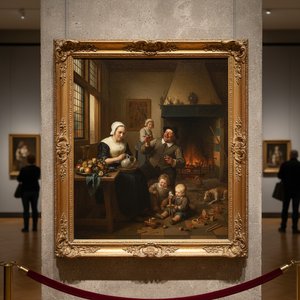
Genre Painting: A Window into Daily Life & Societal Values of the Dutch Golden Age
Explore the captivating world of Dutch Golden Age genre painting! Discover realistic depictions of daily life, masterful artists like Ostade & Metsu, and hidden symbolism. Learn about this influential art movement with OriginalUniqueArt.
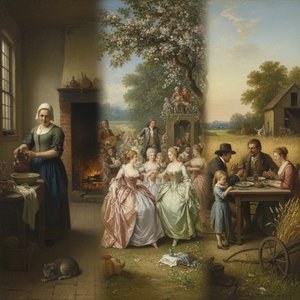
Scenes of Daily Life: A Comprehensive Exploration of Genre Painting Through History
Explore the rich history of genre painting! Discover Dutch Masters & European artists who captured everyday life with stunning realism. Learn about symbolism, techniques & lasting influence.

Gerard ter Borch: Intimacy & Light in the Dutch Golden Age
Explore the captivating world of Gerard ter Borch, a master of Dutch Golden Age genre painting. Discover his intimate scenes, masterful light, and lasting influence on art history. Learn more at OriginalUniqueArt.

Golden Age Reflections: Dutch Baroque Painting & Cultural Innovation
Explore the Dutch Golden Age of painting! Discover key artists like Vermeer & ter Borch, their innovative techniques, and the rich cultural context behind these Baroque masterpieces. Learn about collecting & appreciating this iconic art period.
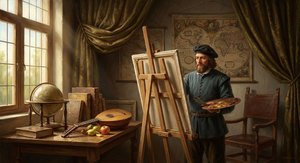
Illuminating Realism: Exploring the Dutch Golden Age of Painting (1600-1700)
Explore the Dutch Golden Age of painting (1600-1700) with OriginalUniqueArt. Discover Rembrandt, Vermeer & other masters. Learn about techniques, history & find museum-quality reproductions.


