

 Előnézet
 Megosztás
 Megosztás
 Részletek
 Útmutató

 Letöltés
 Hasonló darabok
 X-ray felvétel
 Diavetítés
 Statisztika
The Nativity
 Oil
Oil- WallArt
- Northern Renaissance
 1490
1490 76.0 x 56.0 cm
 Szépművészeti Múzeum
 Tovább olvasom
Kézzel készített olajfestmény reprodukció
Kézzel festett olajvastú vászon, az Ön által választott méretben és keretben, művészeink készítik meglévőre. ( Váltás nyomtatványra Áttérés digitális képre)




P118B Ft10

P118H Ft10

P118W Ft10

P438Z Ft10

P508JH Ft12

P508YH Ft12

P805H Ft10

P805Z Ft10

P919BZ Ft10

P919G Ft10

P919XJ Ft10

P959ZH Ft10

P968JZ Ft12

W106C Ft8

W218G Ft10

W218JH Ft8

W218Y Ft10

W307PJ Ft10

W316G Ft10

W316PJ Ft8

W316Y Ft10

W398PJ Ft8

W4111J Ft10

W500HY Ft15

W500JH Ft15

W692G Ft12

W849H Ft8

W940BG Ft15

W953PJ Ft8




Válasszon előre meghatározott méreteink közül, amelyek megfelelnek a műalkotás eredeti arányainak.

Írja be a kívánt szélességet és magasságot, hogy illeszkedjen a keretéhez vagy a falához. Mivel ez kézzel festett alkotás, egy eltérő formájú méret esetén a művész akár festhet is valamivel többet a kép körül, vagy korolathat is belőle — az Ön döntésének megfelelően. A festés megkezdése előtt küldünk egy digitális tervezetet jóváhagyásra. Az oldalon látható kép nem tartalmazza a végeredményt — csak a tervezet mutatja meg a valódi eredményt.
A rendelést követően a OriginalUniqueArt.com csapata e-mailt küld az ügyfélnek az instrukciókért, és biztosít egy előnézeti képet (mockup).
Világszerte elérhető szállítás () 3-4 hét alatt a szokásos 5 hét helyett. (22 október). A minőség nem kérdőjelezhető.

Ingyenes globális expressz szállítás

Prémium minőségű len vászon

Teljes körű szállítási biztosítás

Vámvisszatérítési Garancia

Tökéletes színarányosság garancia

100 napos visszaküldési garancia (csak gyártási hibás termékek esetén)

100% pénzvisszatérítési garancia

Több darab vásárlásakor kedvezmény
 Az üvegkeretes opció csak 110 cm alatti méretben érhető el

The Nativity
Reprodukciós technika
Reprodukció méretei
-


Összesített ár
Ft 95869
The Nativity: A Flemish Masterpiece of Serene Devotion
Gerard David’s “The Nativity,” painted around 1490 in Bruges, stands as a testament to the burgeoning artistic spirit of early Netherlandish painting. More than simply a depiction of a biblical scene, it's an immersive experience—a carefully constructed tableau designed to evoke profound contemplation and spiritual resonance. David, a master known for his subtle color palettes and masterful use of light, elevates this familiar narrative through a sophisticated blend of realism, symbolism, and a deeply felt sense of serenity. The painting’s enduring appeal lies not just in its technical brilliance but also in the quiet emotional power it conveys.
The composition itself is meticulously arranged. David skillfully employs atmospheric perspective—a technique borrowed from Italian Renaissance masters—to create a sense of depth, drawing the viewer's eye into the dimly lit stable where the infant Jesus lies nestled within the manger. The figures are rendered with remarkable detail and sensitivity, each face imbued with an expression of profound reverence. Notice particularly the tender gaze of Mary as she cradles her son; Joseph stands beside her, a figure of quiet strength and protection. The shepherds, huddled around the scene, are not depicted as rustic peasants but rather as humble devotees, their faces alight with wonder and awe.
A Symphony of Color and Light
David’s technical prowess is immediately apparent in his masterful manipulation of color and light. He eschews the bright, vibrant hues favored by some of his contemporaries, opting instead for a muted palette dominated by earthy browns, deep blues, and subtle greens. This restrained approach creates an atmosphere of quiet solemnity, emphasizing the sacredness of the event. The use of chiaroscuro—the dramatic contrast between light and shadow—further enhances the painting’s emotional impact, highlighting key figures and creating a sense of mystery and reverence. The soft glow emanating from the infant Jesus is particularly striking, drawing the viewer's attention to this central figure of salvation.
Furthermore, David’s meticulous attention to detail extends beyond the figures themselves. The textures of the manger, the rough wool of the animals, and the folds of Mary’s robe are rendered with astonishing realism. The background cityscape, a stylized representation of Jerusalem, is painted with a delicate precision that adds depth and context to the scene. It's a subtle yet effective reminder of the historical setting and the significance of this pivotal event in Christian theology.
Symbolism and Spiritual Resonance
“The Nativity” is rich in symbolic meaning. The presence of the three wise men, representing the Gentile world’s recognition of Christ as King, underscores the universality of his message. The angels, depicted with their wings outstretched, symbolize divine guidance and protection. Even the animals—the donkey, ox, and ass—carry symbolic weight, representing humility, service, and sacrifice. The painting is not merely a visual representation of a biblical story; it’s an allegory for the arrival of grace and redemption into the world.
David's choice to depict the Nativity alongside the Adoration of the Shepherds—a pairing frequently found in Northern European art—adds another layer of meaning. This juxtaposition highlights the humility of both the divine and human elements involved in the birth of Christ, emphasizing that salvation is offered to all, regardless of social status or worldly position. The scene invites contemplation on themes of faith, hope, and love – core tenets of Christian belief.
A Timeless Masterpiece
“The Nativity” remains a profoundly moving work of art, captivating viewers with its serene beauty and spiritual depth. It’s a painting that speaks to the enduring power of faith and the timeless relevance of the Christmas story. Reproductions of this masterpiece offer an opportunity to bring this exquisite artwork into your home or office, allowing you to experience its quiet grace and profound symbolism every day. Its subtle color palette and masterful composition make it a perfect addition to any collection, evoking a sense of peace and reverence.
Gyakran Ismételt Kérdések
Mi a "The Nativity" formátuma?
A „The Nativity”, Gerard David alkotása Portrait formátumú alkotás. A formátum a kompozíció arányait határozza meg.
Ismertebb műalkotás a „The Nativity”, Gerard David alkotása?
A „The Nativity”, Gerard David alkotása népszerűségi szintje Recognized. Ez a besorolás azt tükrözi, mennyire ismert és elismert ez a mű.
Mely művészhez köthető a "The Nativity"?
A "The Nativity" alkotója Gerard David. A mű Gerard David nevére van katalógusozva.
A művész életrajza
A Master of Flemish Light: The Enigmatic World of Gerard David
Gerard David, a name that resonates with the brilliance of early Netherlandish painting, remains an artist shrouded in intriguing mystery. Born around 1460 in Oudewater, Netherlands, his life story is pieced together from fragmented archival records and the eloquent testimony of his art. Unlike some contemporaries whose lives are richly documented, David’s personal narrative is sparse, allowing his paintings to speak volumes where biographical details fall silent. What is known suggests a remarkably successful career, likely managing workshops in both Antwerp and Bruges – centers of artistic innovation during the Renaissance. His reputation experienced an ebb in the 17th century, only to be gloriously resurrected by 19th-century art historians who recognized his unique contributions to the Northern Renaissance. He was inducted as a free master into the Corporation of Imagemakers and Saddlers in Bruges in 1484, marking a pivotal moment in his ascent. His later involvement with the Antwerp guild in 1515 further solidifies his standing within the artistic community.Formative Influences and Artistic Development
David’s artistic journey began under influences that shaped the very foundation of his style. Early works reveal a clear debt to painters like Jacob Janszoon, Dieric Bouts, and Geertgen tot Sint Jans – masters who instilled in him a meticulous attention to detail and a sensitivity to religious narrative. It is believed he spent time in Haarlem absorbing these lessons before relocating to Bruges, a vibrant hub of artistic exchange attracting talent from across Europe. Here, David encountered the masterpieces of Jan van Eyck, Rogier van der Weyden, and Hans Memling, absorbing their techniques while forging his own distinct path. He didn’t merely imitate; he synthesized these influences into something uniquely his own – a style characterized by luminous color, serene compositions, and an increasingly sophisticated understanding of landscape. His early paintings demonstrate this evolution, moving from the doll-like figures reminiscent of Haarlem traditions towards more sculptural forms grounded in their environment. This transition is visible in works like *Christ Nailed to the Cross*, where the influence of Bouts’ spatial construction blends with David’s emerging coloristic sensibility. The meticulous detail and realistic portrayal of textures, a hallmark of Van Eyck's work, are subtly incorporated into David’s compositions, while the emotional intensity found in Memling’s paintings informs his depictions of religious scenes.Innovation in Landscape and Religious Narrative
Gerard David’s artistic signature lies in his innovative approach to both landscape and religious subject matter. He wasn’t simply depicting backgrounds; he was creating immersive environments that enhanced the emotional resonance of his scenes. His landscapes are not merely decorative, but integral components of the narrative, often imbued with symbolic meaning. This fascination with natural settings – dense forests, rolling hills, expansive skies – set him apart from many of his contemporaries and foreshadowed the development of landscape painting as an independent genre. Consider *View in a Forest*, outer wing of a triptych; it’s not simply a backdrop but a world unto itself, rendered with meticulous detail and atmospheric perspective. Within his religious works, David demonstrated a remarkable ability to convey both profound spirituality and human emotion. Paintings like *The Marriage of St. Catherine* exemplify this skill. The scene is rendered with exquisite detail, yet it's the subtle expressions on the figures’ faces – their piety, contemplation, or gentle joy – that truly captivate the viewer. He possessed a gift for imbuing his sacred subjects with a sense of quiet dignity and relatable humanity. The *Triptych of the Madonna Enthroned and Saints* in Genoa showcases this mastery, presenting a harmonious composition filled with vibrant color and delicate detail. His *Virgin Among the Virgins*, donated to the Carmelite nuns of Sion at Bruges, is another testament to his skill, featuring a self-portrait within the painting itself – a rare and intimate gesture from an artist of his time. This blending of realism and symbolism, combined with a profound understanding of human psychology, distinguishes David’s work from that of many of his peers.A Period of Mastery and Artistic Expansion
The period between 1484 and 1515 represents the zenith of Gerard David's artistic career. During this time, he established himself as a leading painter in Bruges, attracting wealthy patrons and commanding respect within the guild system. He oversaw workshops, managed commissions, and honed his skills, producing a remarkable body of work that reflects both his technical mastery and his evolving artistic vision. His paintings from this era are characterized by their refined elegance, balanced compositions, and luminous color palettes. The influence of Hans Memling is still evident in his depictions of religious figures, but David increasingly incorporated elements of naturalism and perspective, creating a more dynamic and engaging visual experience for the viewer. He also began to experiment with new techniques, such as glazing – applying thin layers of translucent paint to create depth and luminosity – which further enhanced the richness and vibrancy of his works. This period saw the creation of some of his most celebrated paintings, including *The Virgin and Child with Saints*, a masterpiece that exemplifies his skill in depicting human emotion and creating harmonious compositions.Legacy and Enduring Influence
Though his fame waned for a period after his death in 1523, Gerard David’s influence on subsequent generations of artists is undeniable. His innovative use of color, his masterful handling of light and shadow, and his pioneering approach to landscape all left an indelible mark on the development of Flemish painting. He paved the way for artists who would further explore the expressive potential of natural settings, such as Jacob Patinir and Jacob van Ruisdael.- A Bridge Between Traditions: David successfully bridged the gap between the late medieval tradition and the emerging Renaissance style.
- Influence on Landscape Painting: His detailed and atmospheric landscapes foreshadowed the development of landscape as a distinct genre.
- Masterful Colorist: He was renowned for his vibrant palette and skillful use of color to create emotional impact.
Exploring Further
- OriginalUniqueArt.com: Discover an extensive collection of Gerard David’s paintings, including *The Adoration of the Magi*.
- View in a Forest: Explore this stunning Northern Renaissance landscape painting.
- The Early Netherlandish Art Movement: Delve deeper into the artistic context of David’s work.

Gerard David
1450 - 1523 , Holland
Gyors információk
- Artistic Movement Or Style: Early Netherlandish
- Artists Or Movements Influenced By This Artist:
- Jan van Eyck
- Rogier van der Weyden
- Artists Who Influenced This Artist:
- Jacob Janszoon
- Dieric Bouts
- Date Of Birth: c. 1460
- Date Of Death: 1523
- Full Name: Gerard David
- Nationality: Netherlandish
- Notable Artworks:
- A Marriage St. Cath.
- Virgin Among Virgins
- Place Of Birth: Oudewater, Holland
Kapcsolódó cikkek
Mastering the Surface: A Historical and Technical Guide to the Art of Oil on Panel Painting
Explore the profound history and technical brilliance of oil on panel painting. From Renaissance masters to modern techniques, discover why this rigid support offers unparalleled precision and permanence for fine art lovers and collectors.
Jacob Henricus Maris: A Master of Dutch Atmospheric Realism & the Intimate Landscape
Explore the captivating world of Jacob Henricus Maris, a leading figure of the Dutch Hague School. Discover his atmospheric landscapes, signature brushstrokes & lasting influence on 19th-century art. Learn more at OriginalUniqueArt.
Fra Angelico Mesterek: A 25 Legszebb Műalkotás a Lelki Békeért – OriginalUniqueArt.com
Fedezze fel Fra Angelico 25 legszebb műalkotását! Reneszánsz festmények, angyalok és spirituális ikonfestészet a firenzei iskola mesterétől. Vásároljon exkluzív olajfestmény reprodukciókat otthonába a OriginalUniqueArt.com-on. Explore the full collection online!
David Teniers II: Master of Flemish Genre & Social Commentary
Explore the captivating world of David Teniers II, a leading Flemish Baroque painter renowned for his lively genre scenes & insightful social commentary. Discover his masterpieces and legacy with OriginalUniqueArt.
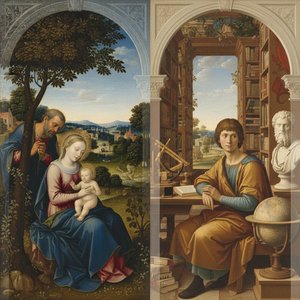
Gerard David: Bridging Late Medieval Tradition with Early Renaissance Humanism
Explore the captivating world of Gerard David, a pivotal figure bridging late medieval artistry with the Early Renaissance. Discover his innovative techniques, religious masterpieces, and enduring legacy – a must-read for discerning art collectors.


