

 Megtekintés
 Küldés
 Megosztás
 Részletek
 Útmutató

 Letöltés
 Hasonló darabok
 X-ray felvétel
 Diavetítés
 Statisztika
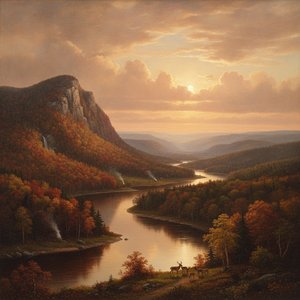
East River


 Összes részlet megjelenítése
Az ezen az oldalon megjelenített műalkotások szerzői jogi védelem alatt állnak, ami azt jelenti, hogy törvényileg nem készíthetünk és nem adhatunk el belőlük pontos másolatokat. Ez a védelem olyan nemzetközi megállapodások alapján érvényesül, mint például a Berni Egyezmény és a nemzeti jogszabályok által, beleértve azokat is, amelyeket meghatározott Az USA szerzői jogi törvénye – 17. cím.
Ez a módszer teljes mértékben megfelel a szerzői jogi szabályozásnak, mivel nem tartalmazza a védett műalkotás másolását vagy duplikálását. Ehelyett ez egy kreatív újinterpretáció – egy új festmény, amely az eredetivel való összefüggései miatt hatással van rá, de nem az az.
Giclée / Műnyomat
Múzeumi minőségű giclée vagy vászonnyomat, gyors gyártással és rugalmas finomítási lehetőségekkel. ( Kézzel festett másolat rendelése Áttérés digitális képre)




P118B Ft10

P118H Ft10

P118W Ft10

P438Z Ft10

P508JH Ft12

P508YH Ft12

P805H Ft10

P805Z Ft10

P919BZ Ft10

P919G Ft10

P919XJ Ft10

P959ZH Ft10

P968JZ Ft12

W106C Ft8

W218G Ft10

W218JH Ft8

W218Y Ft10

W307PJ Ft10

W316G Ft10

W316PJ Ft8

W316Y Ft10

W398PJ Ft8

W4111J Ft10

W500HY Ft15

W500JH Ft15

W692G Ft12

W849H Ft8

W940BG Ft15

W953PJ Ft8




Válasszon előre meghatározott méreteink közül, amelyek megfelelnek a műalkotás eredeti arányainak.

Írja be a keretének vagy a falának megfelelő szélességet és magasságot. A nyomatot csak le lehet vágni, soha nem tehető nagyobbá, mint az eredeti kép, így egy eltérő alakú méretnél a kép egy része elveszik. Mielőtt bármit kinyatintanánk, küldünk egy digitális próbamodellt jóváhagyásra. Az oldalon látható kép nem tartalmazza a valós levágást — ezt csak a próbamodell mutatja meg.
Világszerte történő kiszállítás területére mindössze 2 hét alatt, a szokásos 4-5 hét helyett. (25 október)

Ingyenes globális expressz szállítás

Prémium minőségű len vászon

Teljes körű szállítási biztosítás

Vámvisszatérítési Garancia

Hiteles színarányosság garancia

100 napos visszaküldési lehetőség (csak hibás termékek esetén)

100% pénzvisszatérítési garancia

Több darab vásárlásakor kedvezmény
 Az üvegkeretes opció csak 110 cm alatti méretben érhető el

East River
Giclée / Műnyomat
Reprodukció mérete
-


Összesített ár
Ft 25642
A Frozen Moment of Urban Intensity
Georgia O’Keeffe’s “East River,” painted in 1932, isn’t a postcard view of New York City. It’s not a romanticized depiction of the skyline; instead, it's a raw, almost brutal, capture of industrial power and the relentless energy of the East River. Painted during a period of profound change for America – the Great Depression and the burgeoning rise of modernism – the work speaks to both the anxieties and the undeniable dynamism of the era. O’Keeffe, already establishing her unique visual language, strips away sentimentality, presenting a starkly geometric cityscape dominated by the river's forceful currents and the imposing silhouettes of factories and buildings.
Image courtesy of the Georgia O'Keeffe Museum
Precisionist Roots, Personal Vision
The painting’s style is a fascinating blend of Precisionism and O’Keeffe’s developing abstract tendencies. Influenced by artists like Charles Demuth, who emphasized geometric forms and industrial subjects, “East River” shares a similar clarity of line and an interest in capturing the essence of urban structures. However, unlike Demuth's often detached observation, O’Keeffe imbues the scene with a palpable sense of movement and emotional intensity. The sharp angles of the buildings, the repetitive patterns of the smokestacks, and the choppy surface of the water all contribute to this feeling of restless energy. It’s as if she’s not merely depicting a place but channeling its underlying force.
The use of monochrome – primarily shades of gray and black – further amplifies this effect. It eliminates distractions, forcing the viewer to focus on the shapes and relationships within the composition. The subtle variations in tone suggest depth and volume, creating an illusion of three-dimensionality that’s remarkably effective.
Symbolism of Industry and Isolation
The East River itself is a crucial element of the painting's symbolism. Historically, it has been a vital artery for commerce and transportation, but in O’Keeffe’s depiction, it feels more like a relentless force – a powerful current that shapes and dominates the landscape. The factories lining its banks represent the industrial heart of New York City, a symbol of both progress and potential hardship. The lone figure standing on the shore adds another layer of interpretation; is he an observer, a worker, or perhaps simply a solitary witness to this overwhelming scene? His presence hints at the human scale within this vast, impersonal environment.
Furthermore, the painting’s starkness can be interpreted as reflecting the isolation and alienation that many felt during the Depression. The cold, unyielding forms of the buildings and the turbulent river create a sense of detachment, suggesting a world where individuals are often dwarfed by the forces around them.
A Legacy of Bold Vision
“East River” is more than just a cityscape; it’s a powerful statement about O’Keeffe's artistic vision and her ability to transform ordinary subjects into extraordinary works of art. It demonstrates her willingness to challenge conventional approaches to painting, prioritizing emotional impact over realistic representation. Reproductions of this iconic piece offer a glimpse into the heart of modernism, inviting viewers to contemplate the complexities of urban life and the enduring power of the human spirit. Its stark beauty continues to resonate today, reminding us of the dynamism and intensity that lie beneath the surface of even the most familiar landscapes.
Kérdések és válaszok
Mikor és milyen anyagokból készült a "East River"?
A „East River”, Georgia O'Keeffe alkotása technikája Acrylic On Canvas, a mű alkotási éve pedig 1932.
Megtekinthetném a(z) „East River”, Georgia O'Keeffe alkotása röntgensugárzásos felvételét?
A „East River” rétegről rétegre vizsgálható a mű alkotásának X-ray felvétel oldalán, amely egy restaurátori fényasztal alapján készült interaktív néző, és tizenegyi optikai rétegben mutatja be a képet.
Milyen felhasználásra javasolt a „East River”, Georgia O'Keeffe alkotása?
A „East River”, Georgia O'Keeffe alkotása reprodukcióját Reflective célokra javasoljuk. Ez a javaslat a mű témájából, hangulatából és színeiből adódik.
A művész életrajza
Early Life and Artistic Foundations
Georgia Totto O’Keeffe, a name synonymous with American modernism, emerged from the unassuming landscape of Sun Prairie, Wisconsin, in 1887. Born into a family of Irish and Hungarian descent engaged in dairy farming, young Georgia displayed an artistic inclination early on, deciding by age ten that she would dedicate her life to art. This determination was nurtured through lessons with local watercolorist Sara Mann, followed by formal studies at the School of the Art Institute of Chicago from 1905 to 1906 and later at the University of Virginia. However, it was her encounter with Arthur Wesley Dow’s principles – emphasizing personal expression and a harmonious balance of color and line – that truly ignited her artistic path. Dow's teachings steered O’Keeffe away from strict realism toward a more subjective and emotionally resonant approach to art, an approach that would define her career. These formative years weren’t without their challenges; periods of illness and dissatisfaction led her to temporarily abandon painting, but the creative impulse always drew her back, evolving with each new experience and influence.New York and the Stieglitz Circle
A pivotal moment arrived in 1916 when O’Keeffe’s abstract charcoal drawings were discovered by Alfred Stieglitz, a renowned photographer and art dealer. He exhibited her work without her prior knowledge, sparking a dialogue that would profoundly shape both their lives and the course of American art. Stieglitz recognized an exceptional talent in O’Keeffe, one that resonated with his own modernist sensibilities. He invited her to New York City in 1918, providing not only professional support but also fostering a deep personal connection. Their relationship blossomed into marriage in 1924, creating a dynamic artistic partnership and intellectual exchange. Stieglitz championed O’Keeffe’s work, showcasing it at his gallery “291” and promoting her as a leading figure in the American avant-garde. During this period, she began to develop her signature style – bold, simplified forms and intensely saturated colors – initially expressed through depictions of New York skyscrapers and, most famously, magnified flower paintings. These floral works, often interpreted (though consistently denied by O’Keeffe herself) as veiled representations of female anatomy, challenged conventional notions of beauty and sexuality in art.The Allure of the Southwest
While New York provided a crucial platform for her early success, it was the landscapes of the American Southwest that truly captured O’Keeffe’s imagination and profoundly influenced her artistic vision. Her first visit to New Mexico in 1929 marked the beginning of a lifelong love affair with the region's stark beauty, vibrant colors, and unique cultural heritage. The vastness of the desert, the dramatic rock formations, and the ancient Pueblo architecture resonated deeply within her, inspiring a new series of paintings that reflected the spirit of the land. Works like *Cow’s Skull: Red, White, and Blue* (1931) and *Summer Days* (1936) are powerful testaments to this influence, transforming seemingly mundane objects into iconic symbols of the American West. She eventually settled permanently in New Mexico in 1949 following Stieglitz’s death, establishing a home and studio in Abiquiu that became integral to her artistic process and identity.Technique and Style
O'Keeffe’s distinctive style evolved over decades, yet certain elements remained constant. She favored large-scale canvases, often employing a limited palette of intense colors – reds, blues, yellows, and greens – to create dramatic effects. Her brushwork was typically loose and expressive, prioritizing the suggestion of form over precise detail. She frequently used a technique called “pushing,” where she applied paint in layers, building up texture and depth through repeated applications. This method created a shimmering surface that seemed to vibrate with energy. O’Keeffe's compositions were often carefully constructed, with elements arranged to create a sense of balance and harmony. Her subjects—flowers, landscapes, animals—were rendered with an almost sculptural quality, emphasizing their three-dimensionality and inviting viewers to contemplate them from multiple perspectives. The influence of Arthur Wesley Dow is evident in her use of color and line, but O’Keeffe ultimately developed a unique visual language that was both intensely personal and profoundly influential.Legacy and Enduring Influence
Georgia O'Keeffe continued to paint prolifically throughout her life, experimenting with new subjects and pushing the boundaries of abstraction. Her later works included aerial views of clouds and skies, reflecting a fascination with the vastness and ethereal quality of the natural world. She remained fiercely independent and uncompromising in her artistic vision, refusing to be categorized or defined by prevailing art movements. O’Keeffe’s impact on American art is immeasurable. She paved the way for future generations of female artists, challenging societal norms and asserting her own unique voice in a male-dominated field. Her paintings continue to captivate audiences with their bold simplicity, emotional depth, and evocative power. The establishment of the Georgia O'Keeffe Museum in Santa Fe in 1997 further solidified her legacy, preserving her art and providing a space for ongoing scholarship and appreciation. In 2014, *Jimson Weed/White Flower No. 1* sold for $44.4 million, setting a record price for a work by a female artist – a testament to the enduring value and significance of her artistic contribution. O’Keeffe's influence extends beyond painting; she became an icon of American individualism and self-reliance, inspiring countless artists and admirers with her unwavering commitment to her craft and her unique perspective on the world. Her work remains a powerful reminder of the transformative power of art and the enduring beauty of the natural world.Key Works & Museum Presence
- Red Canna: Exemplifies her early exploration of floral abstraction.
- Cow’s Skull: Red, White, and Blue (1931): A powerful symbol of the American Southwest and a meditation on mortality.
- Summer Days (1936): Captures the essence of the New Mexico landscape with its vibrant colors and simplified forms.
- Jimson Weed/White Flower No. 1: A monumental floral painting that showcases her mastery of scale and composition.
- Georgia O'Keeffe Museum (Santa Fe)
- Museum of Modern Art (New York)
- Art Institute of Chicago
- National Gallery of Art (Washington, D.C.)

Georgia O'Keeffe
1887 - 1986 , Egyesült Államok
Rövid információk
- Artistic Movement Or Style: Modernizmus
- Artists Or Movements Influenced By This Artist:
- Dow
- Modernizmus
- Artists Who Influenced This Artist:
- Arthur Dow
- Stieglitz
- Date Of Birth: November 15, 1887
- Date Of Death: March 6, 1986
- Full Name: Georgia Totto O'Keeffe
- Nationality: Amerikai
- Notable Artworks:
- Red Canna
- Kosfej
- Summer Days
- Place Of Birth: Sun Prairie, USA
Kapcsolódó cikkek

Georgia O'Keeffe: Redefining Modernism Through Symbolism & the American Landscape
Explore the captivating world of Georgia O'Keeffe! Discover her groundbreaking flower paintings, New Mexico landscapes & lasting impact on American Modernism. Expert analysis and insights.

The Ashcan School: Capturing the Raw Spirit and Urban Realism of New York City Life
Explore the raw, evocative beauty of the Ashcan School. Discover how masters like Bellows and Glackens captured New York's urban soul through American Realism, and learn to bring this gritty, historical elegance into your modern art collection.

A Hudson River Iskola 10 Mesterműve: Tájképfestészet és Amerika Lelke – OriginalUniqueArt
Fedezze fel a Hudson River Iskola 10 legikonikusabb műalkotását! Frederic Church, Thomas Cole és más amerikai festők romantikus tájképei. Vászonkép másolatok, faliképek otthonába – OriginalUniqueArt.com kínálatából. Explore the full collection online!
The Hudson River School: A Definitive Guide to America's Romantic Landscape Tradition
Explore the profound legacy of the Hudson River School. Discover how masters like Thomas Cole captured the American sublime through Romanticism and Luminism. A definitive guide for art historians and collectors seeking to understand America's wild beauty.

Flowing Narratives: Rivers in Painting – A Historical Exploration
Explore the rich history of rivers in painting! Discover masterpieces from ancient times to Impressionism & beyond. Learn about symbolism, artists like Monet & Daubigny, and find your perfect serene artwork at OriginalUniqueArt.


