

 Előnézet
 Megosztás
 Megosztás
 Részletek
 Útmutató

 Letöltés
 Hasonló darabok
 X-ray felvétel
 Diavetítés
 Statisztika
Drawing XII
 Akrilfestmény papíralmannyon
- Falfeliratok és faldekoráció
- Early Modernism
 1916
1916 61.0 x 48.0 cm
 Modern Művészeti Múzeum (New York)
 Tovább olvasom
Az ezen az oldalon megjelenített műalkotások szerzői jogi védelem alatt állnak, ami azt jelenti, hogy törvényileg nem készíthetünk és nem adhatunk el belőlük pontos másolatokat. Ez a védelem olyan nemzetközi megállapodások alapján érvényesül, mint például a Berni Egyezmény és a nemzeti törvények által, beleértve azokat is, amelyeket meghatározott Az USA szerzői jogi törvénye – 17. cím.
Ez a módszer teljes mértékben megfelel a szerzői jogi szabályozásnak, mivel nem tartalmazza a védett műalkotás másolását vagy duplikálását. Ehelyett ez egy kreatív újinterpretáció – egy új festmény, amely az eredetivel való összefüggései miatt hatással van rá, de nem az az.
Giclée / Műnyomat
Múzeumi minőségű giclée vagy vászonnyomat, gyors gyártással és rugalmas finomítási lehetőségekkel. ( Kézzel festett másolat vásárlása Áttérés digitális képre)




P118B Ft10

P118H Ft10

P118W Ft10

P438Z Ft10

P508JH Ft12

P508YH Ft12

P805H Ft10

P805Z Ft10

P919BZ Ft10

P919G Ft10

P919XJ Ft10

P959ZH Ft10

P968JZ Ft12

W106C Ft8

W218G Ft10

W218JH Ft8

W218Y Ft10

W307PJ Ft10

W316G Ft10

W316PJ Ft8

W316Y Ft10

W398PJ Ft8

W4111J Ft10

W500HY Ft15

W500JH Ft15

W692G Ft12

W849H Ft8

W940BG Ft15

W953PJ Ft8




Válasszon előre meghatározott méreteink közül, amelyek megfelelnek a műalkotás eredeti arányainak.

Írja be a keretének vagy a falának megfelelő szélességet és magasságot. A nyomatot csak le lehet vágni, soha nem tehető nagyobbá, mint az eredeti kép, így egy eltérő alakú méretnél a kép egy része elveszik. Mielőtt bármit kinyatintanánk, küldünk egy digitális próbamodellt jóváhagyásra. Az oldalon látható kép nem tartalmazza a valós levágást — ezt csak a próbamodell mutatja meg.
Világszerte történő kiszállítás területére mindössze 2 hét alatt, a szokásos 4-5 hét helyett. (24 október)

Ingyenes globális expressz szállítás

Prémium minőségű len vászon

Teljes körű szállítási biztosítás

Vámvisszatérítési Garancia

Tökéletes színarányosság garancia

100 napos visszaküldési garancia (csak gyártási hibás termékek esetén)

100% pénzvisszatérítési garancia

Több darab vásárlásakor kedvezmény
 Az üvegkeretes opció csak 110 cm alatti méretben érhető el

Drawing XII
Giclée / Műnyomat
Reprodukció méretei
-


Összesített ár
Ft 25718
A Kezdetek: Georgia O’Keeffe és a Korai Életmód
Georgia Totto O’Keeffe, az amerikai modernizmus ikonikus alakja, 1887-ben született Sun Prairie-ben, Wisconsinszon, egy kis farmon. A fiatal Georgia már gyermekkorában, majdnem tíz éves korában úgy döntött, hogy az életét művészetnek szenteli. Ez a hivatásvágy a helyi vízfestő, Sara Mann tanításaival kezdődött, majd folytatódott formális tanulmányokkal a Chicagói Művészeti Főiskolán 1905-től 1906-ig és később a Virginiai Egyetemen. De Arthur Wesley Dow elméleteinek találkozása volt az igazi katalizátora – hangsúlyozta a személyes kifejezést és a szín és vonal harmonikus egyensúlyát, ami O’Keeffe művészetének alapját képezte. Dow tanításai távolították el O’Keeffét a szigorú realizmustól, egy érzelmileg gazdagabb megközelítés felé tereltek, amely meghatározta karrierjét. A kor korlátozásai nem voltak hétköznapoknak:
- A kor korlátozásai nem voltak hétköznapoknak:
- Kezdeti nehézségek: O’Keeffe számára a művészet tanulása nem volt egyszerű, és a kor korlátozásai nem voltak hétköznapoknak.
A Spirális Formák: “Drawing XII” Titka
1916-ban készült el a "Drawing XII", egy fekete-fehér fotó, amely Georgia O’Keeffe egyik művévé vált. A kép egy szimmetrikus spirál formát ábrázol, melynek központja egyértelműen kiemeli a kompozíciót. A spirál több apró körből áll, amelyek egymáshoz kapcsolódnak, egy koherens mintázatot alkotva. A kép egy antik fotónak tűnik, talán az O’Keeffe aktív időszakából, amikor még a művészetet kezdte elsajátítani. A részletekre való odafigyelés és a textúra a festmény művészi értékét és kivitelezését mutatja meg. A kép egyfajta absztrakt szobor megjelenése, mely a vonal és a forma harmóniájával próbálkozik.
A spirális formák O’Keeffe művészetének egyik legjellegzetesebb eleme, amely a természetben és az emberi lélekben is gyakran megjelenik.Arthur Wesley Dow és a Személyes Kifejezés
Arthur Wesley Dow elméleteinek elsajátítása jelentősen befolyásolta O’Keeffe művészi stílusát. Dow hangsúlyozta, hogy a művésznek a saját érzéseit és gondolatait kell kifejeznie, nem pedig a valóságot szigorúan ábrázolni. A szín és a vonal közötti egyensúlyra való figyelés lehetővé tette O’Keeffe számára, hogy a festményein új utakat nyithasson, és egyedülálló vizuális világot teremtsen. O'Keeffe művészetének legfontosabb eleme a személyes kifejezés volt, ami a korabeli művészek többségétől eltérő.
A Művész Élete és Utatérése
Georgia O’Keeffe 1887-ben született Sun Prairie-ben, Wisconsinszon. A fiatal Georgia már gyermekkorában úgy döntött, hogy az életét művészetnek szenteli. Az édesapja egy tejfarmos volt, és a család mindvégig a mezőgazdasággal összefüggésbe került. O’Keeffe számára a művészi kifejezés a legfontosabb volt, és minden erejét belefektetett abban, hogy elérje ezt a célját. A korai évei során számos tanfolyamot vett részt, és különböző művészeti stílusokat próbált ki, mielőtt végül megtalálta saját egyedi stílusát. O’Keeffe műveit az amerikai modernizmus egyik legfontosabb alkotásává emelte.
Gyakran Ismételt Kérdések
Hol vásárolhatom meg „Drawing XII”, Georgia O'Keeffe alkotása digitális képét?
A "Drawing XII" elérhető magas felbontású digitális kép letöltés formátumban, amelyet közvetlenül a Digitális kép oldalon vásárolhat meg.
Hol javasolt a(z) "Drawing XII" kihelyezését a színei alapján?
A „Drawing XII”, Georgia O'Keeffe alkotása Semleges tónusok színei tökéletesen illeszkednek a javasolt helyiséghez: egy Nappali.
Megtekinthetem a „Drawing XII”, Georgia O'Keeffe alkotása alkotást rendelés előtt?
A „Drawing XII”, Georgia O'Keeffe alkotása reprodukciójának megtekintéséhez nyissa meg a mű Előnézet oldalát.
A művész életrajza
Early Life and Artistic Foundations
Georgia Totto O’Keeffe, a name synonymous with American modernism, emerged from the unassuming landscape of Sun Prairie, Wisconsin, in 1887. Born into a family of Irish and Hungarian descent engaged in dairy farming, young Georgia displayed an artistic inclination early on, deciding by age ten that she would dedicate her life to art. This determination was nurtured through lessons with local watercolorist Sara Mann, followed by formal studies at the School of the Art Institute of Chicago from 1905 to 1906 and later at the University of Virginia. However, it was her encounter with Arthur Wesley Dow’s principles – emphasizing personal expression and a harmonious balance of color and line – that truly ignited her artistic path. Dow's teachings steered O’Keeffe away from strict realism toward a more subjective and emotionally resonant approach to art, an approach that would define her career. These formative years weren’t without their challenges; periods of illness and dissatisfaction led her to temporarily abandon painting, but the creative impulse always drew her back, evolving with each new experience and influence.New York and the Stieglitz Circle
A pivotal moment arrived in 1916 when O’Keeffe’s abstract charcoal drawings were discovered by Alfred Stieglitz, a renowned photographer and art dealer. He exhibited her work without her prior knowledge, sparking a dialogue that would profoundly shape both their lives and the course of American art. Stieglitz recognized an exceptional talent in O’Keeffe, one that resonated with his own modernist sensibilities. He invited her to New York City in 1918, providing not only professional support but also fostering a deep personal connection. Their relationship blossomed into marriage in 1924, creating a dynamic artistic partnership and intellectual exchange. Stieglitz championed O’Keeffe’s work, showcasing it at his gallery “291” and promoting her as a leading figure in the American avant-garde. During this period, she began to develop her signature style – bold, simplified forms and intensely saturated colors – initially expressed through depictions of New York skyscrapers and, most famously, magnified flower paintings. These floral works, often interpreted (though consistently denied by O’Keeffe herself) as veiled representations of female anatomy, challenged conventional notions of beauty and sexuality in art.The Allure of the Southwest
While New York provided a crucial platform for her early success, it was the landscapes of the American Southwest that truly captured O’Keeffe’s imagination and profoundly influenced her artistic vision. Her first visit to New Mexico in 1929 marked the beginning of a lifelong love affair with the region's stark beauty, vibrant colors, and unique cultural heritage. The vastness of the desert, the dramatic rock formations, and the ancient Pueblo architecture resonated deeply within her, inspiring a new series of paintings that reflected the spirit of the land. Works like *Cow’s Skull: Red, White, and Blue* (1931) and *Summer Days* (1936) are powerful testaments to this influence, transforming seemingly mundane objects into iconic symbols of the American West. She eventually settled permanently in New Mexico in 1949 following Stieglitz’s death, establishing a home and studio in Abiquiu that became integral to her artistic process and identity.Technique and Style
O'Keeffe’s distinctive style evolved over decades, yet certain elements remained constant. She favored large-scale canvases, often employing a limited palette of intense colors – reds, blues, yellows, and greens – to create dramatic effects. Her brushwork was typically loose and expressive, prioritizing the suggestion of form over precise detail. She frequently used a technique called “pushing,” where she applied paint in layers, building up texture and depth through repeated applications. This method created a shimmering surface that seemed to vibrate with energy. O’Keeffe's compositions were often carefully constructed, with elements arranged to create a sense of balance and harmony. Her subjects—flowers, landscapes, animals—were rendered with an almost sculptural quality, emphasizing their three-dimensionality and inviting viewers to contemplate them from multiple perspectives. The influence of Arthur Wesley Dow is evident in her use of color and line, but O’Keeffe ultimately developed a unique visual language that was both intensely personal and profoundly influential.Legacy and Enduring Influence
Georgia O'Keeffe continued to paint prolifically throughout her life, experimenting with new subjects and pushing the boundaries of abstraction. Her later works included aerial views of clouds and skies, reflecting a fascination with the vastness and ethereal quality of the natural world. She remained fiercely independent and uncompromising in her artistic vision, refusing to be categorized or defined by prevailing art movements. O’Keeffe’s impact on American art is immeasurable. She paved the way for future generations of female artists, challenging societal norms and asserting her own unique voice in a male-dominated field. Her paintings continue to captivate audiences with their bold simplicity, emotional depth, and evocative power. The establishment of the Georgia O'Keeffe Museum in Santa Fe in 1997 further solidified her legacy, preserving her art and providing a space for ongoing scholarship and appreciation. In 2014, *Jimson Weed/White Flower No. 1* sold for $44.4 million, setting a record price for a work by a female artist – a testament to the enduring value and significance of her artistic contribution. O’Keeffe's influence extends beyond painting; she became an icon of American individualism and self-reliance, inspiring countless artists and admirers with her unwavering commitment to her craft and her unique perspective on the world. Her work remains a powerful reminder of the transformative power of art and the enduring beauty of the natural world.Key Works & Museum Presence
- Red Canna: Exemplifies her early exploration of floral abstraction.
- Cow’s Skull: Red, White, and Blue (1931): A powerful symbol of the American Southwest and a meditation on mortality.
- Summer Days (1936): Captures the essence of the New Mexico landscape with its vibrant colors and simplified forms.
- Jimson Weed/White Flower No. 1: A monumental floral painting that showcases her mastery of scale and composition.
- Georgia O'Keeffe Museum (Santa Fe)
- Museum of Modern Art (New York)
- Art Institute of Chicago
- National Gallery of Art (Washington, D.C.)

Georgia O'Keeffe
1887 - 1986 , Egyesült Államok
Gyors információk
- Artistic Movement Or Style: Modernizmus
- Artists Or Movements Influenced By This Artist:
- Dow
- Modernizmus
- Artists Who Influenced This Artist:
- Arthur Dow
- Stieglitz
- Date Of Birth: November 15, 1887
- Date Of Death: March 6, 1986
- Full Name: Georgia Totto O'Keeffe
- Nationality: Amerikai
- Notable Artworks:
- Red Canna
- Kosfej
- Summer Days
- Place Of Birth: Sun Prairie, USA
Kapcsolódó cikkek
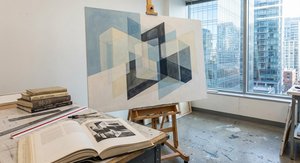
Beyond Form & Color: Geometric Abstraction's Enduring Legacy in Art History
Explore the captivating world of geometric abstraction! Discover its origins, key artists like Malevich & Mondrian, and why this movement remains highly valued by art collectors today. Expert insights at OriginalUniqueArt.

Beyond Form & Color: Geometric Abstraction's Evolution in 20th/21st Century Art
Explore the evolution of geometric abstraction from Cubism to contemporary art. Discover key artists like Malevich & Mondrian, investment insights, and expert collecting advice at OriginalUniqueArt.

Kandinsky Mesterművei: 25 Lenyűgöző Festmény a Modern Művészet Gyöngyszemeiből | OriginalUniqueArt
Fedezze fel Wassily Kandinsky 25 legikonikusabb művét! Merüljön el az absztrakt művészet világában, ismerje meg a színek és formák lenyűgöző történetét. Prémium minőségű reprodukciók és inspiráló dekorötletek a OriginalUniqueArt.com-on.

Neo-Abstract Art: The High-Impact Evolution of Modern Visual Energy and Geometric Sophistication
Discover the power of Neo-Abstract art. Explore how bold geometric forms and high-impact visual energy are redefining modern design. Learn to curate sophisticated, high-energy spaces with the latest trends in contemporary abstraction and structural color.

Geometrikus Absztrakció Mesterei: 10 Alapvető Műalkotás a Lakberendezéshez
Fedezze fel a geometrikus absztrakció 10 legikonikusabb műalkotását! Kandinsky, Mondrian és más mesterek festményeinek története inspirálja otthona dekorációját. Múzeumi minőségű reprodukciók a OriginalUniqueArt.com-on – fedezze fel online!


