

 Megtekintés
 Küldés
 Megosztás
 Részletek

 Letöltés
 Hasonló darabok
 X-ray felvétel
 Diavetítés
Parrot


 Összes részlet megjelenítése
Kézzel készített olajfestmény reprodukció
Kézzel festett olajvastú vászon, az Ön által választott méretben és keretben, művészeink készítik meglévőre. ( Nyomat rendelése Kép letöltése)




































Válasszon előre meghatározott méreteink közül, amelyek megfelelnek a műalkotás eredeti arányainak.

Ön megadhat saját méreteket egy adott kerethez vagy térhez igazításhoz. Ha a kiválasztott méret nem egyezik az eredeti kép arányával, akkor a műalkotást levágjuk, vagy további kézzel festett elemekkel meghosszabbítjuk a festményt. A gyártás megkezdése előtt küldünk Önnek egy digitális előnézetet jóváhagyásra.
Kérjük, vegye figyelembe, hogy a képernyőn megjelenő előnézet nem tükrözi a tényleges vágást vagy kiterjesztést. Csak az előnézet fog pontosan mutatni a végső kompozíciót.
Bár egyedi méretek állnak rendelkezésre, javasoljuk, hogy válasszon egy méretet az előre meghatározott listából az eredeti arányok megőrzése érdekében.
A rendelést követően a OriginalUniqueArt.com csapata e-mailt küld az ügyfélnek az instrukciókért, és biztosít egy előnézeti képet (mockup).
Világszerte elérhető szállítás () 3-4 hét alatt a szokásos 5 hét helyett. (5 szeptember). A minőség nem kérdőjelezhető.

Ingyenes globális expressz szállítás

Prémium minőségű len vászon

Teljes körű szállítási biztosítás

Vámvisszatérítési Garancia

Hiteles színpontosság garancia

60 napos visszaküldési lehetőség (csak hibás termékek esetén)

100% pénzvisszatérítési garancia

Több darab vásárlása esetén kedvezmény
 Az üvegkeretes opció csak 110 cm alatti méretben érhető el

Parrot
Reprodukciós technika
Reprodukció mérete
-


Összesített ár
$ 300
Georges Rouault’s ‘Parrot’: A Symphony of Shadow and Light
Georges Rouault's “Parrot,” painted in 1916, is more than just a depiction of a vibrant bird; it’s a profound meditation on suffering, faith, and the enduring human spirit. Executed in his signature fauvist style – a bold departure from academic realism – the painting explodes with a riot of color, primarily reds, oranges, and yellows, applied with thick, impasto strokes that practically vibrate with energy. Yet, this exuberance is tempered by a deliberate use of dark contours, echoing Rouault’s early influence from stained glass, creating a dramatic interplay between luminous areas and deep shadows. The penguin itself, rendered with meticulous detail despite the stylized approach, becomes a symbol of vulnerability and resilience – a creature both beautiful and inherently fragile.
A Parisian Soul Forged in Hardship
Understanding “Parrot” requires understanding Rouault’s life and artistic trajectory. Born in Paris in 1871 amidst the chaos of the Commune, his early experiences profoundly shaped his worldview. The bombardment of his family's cellar, a recurring motif in his work, instilled within him an acute awareness of human suffering and injustice. This sensitivity fueled his exploration of marginalized communities – beggars, prostitutes, and the elderly – subjects he depicted with unflinching honesty and compassion. Rouault’s apprenticeship as a glass painter provided him with a technical mastery of color and line, skills that he translated into his paintings, creating a visual language characterized by stark contrasts and expressive forms. The painting's subject matter reflects this deep engagement with the realities of urban life in early 20th-century Paris.
Fauvism and the Expression of Emotion
Rouault’s “Parrot” is a key example of fauvist technique, a movement that prioritized emotional expression over objective representation. Artists like Rouault rejected traditional notions of perspective and color harmony, instead using intense, non-naturalistic hues to convey their feelings directly to the viewer. The bold use of red, for instance, isn’t simply descriptive; it evokes a sense of urgency, passion, or perhaps even warning. This deliberate distortion of reality allows the viewer to connect with the painting on an emotional level, experiencing the subject's essence rather than merely observing its appearance. The single-legged stance of the penguin adds to this feeling of vulnerability and isolation, further amplifying the work’s emotive power.
Symbolism and Spiritual Seeking
Beyond its formal qualities, “Parrot” is laden with symbolic meaning. Rouault was a devout Catholic throughout his life, and his art frequently explored themes of faith, redemption, and mortality. The bird itself could be interpreted as representing innocence, freedom, or even the soul seeking solace. The painting’s composition – the penguin facing forward, seemingly unafraid – suggests a quiet strength and an acceptance of fate. It aligns with Rouault's broader artistic project: to capture not just the outward appearance of his subjects but also their inner lives and spiritual struggles. The influence of Ambroise Vollard, Rouault’s art dealer and collaborator, is evident in the careful selection of subject matter and the deliberate use of color to evoke specific emotional responses.
A Timeless Masterpiece
Georges Rouault's “Parrot” stands as a testament to his artistic vision and enduring legacy. Its vibrant colors, expressive brushwork, and profound symbolism continue to captivate viewers today. OriginalUniqueArt offers meticulously crafted hand-painted reproductions of this iconic work, allowing you to bring its beauty and emotional depth into your own space. Each reproduction is created with the same attention to detail and artistic sensibility as the original, ensuring a faithful representation of Rouault’s masterpiece for generations to come.
A művész életrajza
A Life Forged in Parisian Shadows
Georges Rouault, born in Paris in 1871 amidst the turmoil of the Commune, lived a life deeply etched by hardship and spiritual seeking. His earliest years were spent literally in the shadows – his family sought refuge in a cellar during the city’s bombardment, an event that would resonate throughout his artistic vision. This humble beginning, coupled with a devoutly Catholic upbringing fostered by his mother, instilled within him a profound empathy for the marginalized and suffering, themes that would become central to his oeuvre. He wasn't destined for formal academic privilege; instead, he embarked on an apprenticeship as a glass painter at fourteen, a craft that profoundly shaped his aesthetic sensibilities. The vibrant hues and bold outlines inherent in stained glass became foundational to his mature style – a characteristic use of dark contours framing luminous color fields, reminiscent of medieval artistry. This early immersion wasn’t merely technical; it was spiritual, imbuing him with an appreciation for the narrative power of light and image. He simultaneously pursued formal training at the École des Beaux-Arts, where he became a devoted pupil of Gustave Moreau, whose Symbolist leanings further nurtured Rouault's inclination towards emotionally charged subject matter.Early Years and Influences
Rouault’s artistic journey began not with grand ambitions but with a practical apprenticeship in the stained-glass workshops of Paris. This early experience, working with vibrant colors and precise lines, profoundly influenced his later style – particularly the use of stark black outlines to frame luminous fields of color. Crucially, he also attended evening classes at the École des Beaux-Arts, where he studied under Gustave Moreau, a master whose Symbolist aesthetic deeply resonated with Rouault’s nascent artistic sensibilities. Moreau's emphasis on emotional expression and symbolic representation became a cornerstone of Rouault’s own approach to painting. Moreau’s influence extended beyond technique; it instilled in Rouault a fascination with the human condition – its joys, sorrows, and inherent contradictions. The young artist was particularly drawn to themes of suffering and redemption, which would become recurring motifs in his work. He also benefited from exposure to other artists of the time, including Henri Matisse and Albert Marquet, who were experimenting with bold colors and simplified forms—though Rouault’s temperament steered him toward a more somber and introspective path than some of his contemporaries. The atmosphere of artistic experimentation within Moreau's studio proved fertile ground for Rouault’s development, shaping his unique visual language.From Fauvism’s Embrace to Expressionist Depths
Rouault’s artistic journey wasn’t one of immediate recognition or easy categorization. While initially influenced by the Symbolists, he found himself drawn into the orbit of the burgeoning Fauvist movement in the early 20th century. He befriended artists like Henri Matisse and Albert Marquet, participating in exhibitions alongside them, yet his temperament always steered him toward a more somber and introspective path than the purely aesthetic explorations of his contemporaries. The vibrant colors of Fauvism served as a springboard, but Rouault quickly transcended its limitations, infusing his canvases with an emotional intensity that foreshadowed Expressionism. He began to focus on subjects often overlooked or deemed unworthy of artistic attention: prostitutes, clowns, judges, and prisoners. These weren’t merely depictions of societal outcasts; they were poignant allegories for the human condition – explorations of sin, redemption, and the inherent dignity within suffering. His characterizations, often grotesque yet deeply empathetic, resonated with a growing sense of unease and alienation in modern society, influencing a generation of Expressionist painters who sought to convey inner turmoil through distorted forms and jarring colors.A Moral Compass in Canvas and Print
The First World War proved to be a pivotal moment for Rouault, solidifying his commitment to religious faith and deepening the moral weight of his art. He largely withdrew from public exhibitions during this period, dedicating himself to intensely personal projects like the *Miserere* series – a monumental cycle of etchings depicting scenes of human suffering inspired by the Psalms. These works, created over more than a decade, are arguably his most powerful and enduring achievement. The plates themselves were reworked repeatedly, reflecting Rouault’s relentless pursuit of emotional truth and spiritual understanding. He wasn't interested in mere representation; he sought to capture the raw essence of human experience – the anguish, the despair, but also the glimmer of hope that persists even in the darkest corners of existence. Beyond *Miserere*, his paintings continued to explore similar themes, often featuring figures isolated and burdened by their circumstances, yet imbued with a quiet dignity. His depictions of clowns, for example, weren’t simply comedic; they were tragic figures embodying the absurdity and loneliness of life.Legacy and Recognition
Georges Rouault's artistic legacy extends far beyond his technical innovations or stylistic affiliations. He was a profoundly spiritual artist who used his craft as a means of moral inquiry and empathetic connection. His work challenged conventional notions of beauty, embracing ugliness and suffering as integral aspects of the human experience. He rejected the purely decorative in favor of art that confronted viewers with uncomfortable truths about themselves and their society. In later life, he received commissions for religious works, including designs for Sergei Diaghilev’s ballet *The Prodigal Son*, further cementing his reputation as a uniquely devout artist. A curious and perhaps tragic footnote to his career is the fact that, late in life, Rouault destroyed approximately 300 of his paintings – an act driven by self-criticism and a relentless pursuit of artistic perfection. This dramatic gesture underscores the intensity of his creative process and his unwavering commitment to expressing his inner vision. Rouault died in Paris in 1958, leaving behind a body of work that continues to resonate with audiences today—a testament to the enduring power of art born from compassion, faith, and an unflinching gaze upon the complexities of the human heart.
Georges Rouault
1871 - 1958 , Franciaország
A művészről röviden
- Artistic Movement Or Style: Fauvista, Expresszionista
- Artists Or Movements Influenced By This Artist: ['Fauvisták']
- Artists Who Influenced This Artist:
- Gustave Moreau
- Vincent van Gogh
- Date Of Birth: 1871. május 27.
- Date Of Death: 1958. február 13.
- Full Name: Georges Henri Rouault
- Nationality: Francia
- Notable Artworks:
- A Malomkövet forgató Sámson
- A halott Krisztust sirató szent asszonyok
- Pere Ubu Singer
- Place Of Birth: Párizs, Franciaország
Kapcsolódó cikkek

Georges Braque Mesterek: A 25 Leglenyűgözőbb Kép, Ami Megváltoztatta a Modern Festészetet
Fedezze fel Georges Braque 25 legikonikusabb műalkotását! Ismerje meg a kubizmus történetét, Picasso hatását és a francia művész lenyűgöző festményeit. Múzeumi minőségű reprodukciók és inspiráló dekorációs ötletek a OriginalUniqueArt.com-on.

Georges Seurat 25 Mesterműve: A Pontillizmus Zsenialitása – OriginalUniqueArt.com
Fedezze fel Georges Seurat 25 legikonikusabb művét! Ismerje meg a pontillizmus zsenialitását, az impresszionizmus forradalmát és a színek lenyűgöző játékát. Prémium minőségű reprodukciók és inspiráló otthoni dekorációk a OriginalUniqueArt.com-on. Fedezze fel a teljes gyűjteményt online!

Crimson Threads of Narrative: Exploring Symbolism & Representation in Artworks Featuring the Red Dress
Explore the rich symbolism of the red dress in art history! From ancient power displays to iconic portraits like Cézanne’s 'Madame Cezanne', discover the cultural and artistic significance behind this captivating color. Expert analysis & insights.
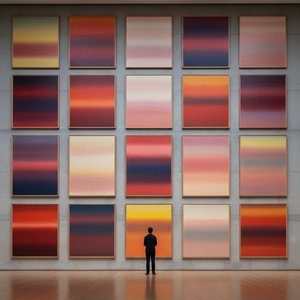
Mark Rothko 25 Mesterműve: Érzelmek és Színek a Modern Művészetben | OriginalUniqueArt
Fedezze fel Mark Rothko 25 legikonikusabb művét! Ismerje meg az absztrakt expresszionizmus mesterének érzelmi világát, színeit és technikáit. Múzeumi minőségű reprodukciók a OriginalUniqueArt-on – inspirálja otthonát egyedi faliképekkel! Explore the full collection online.
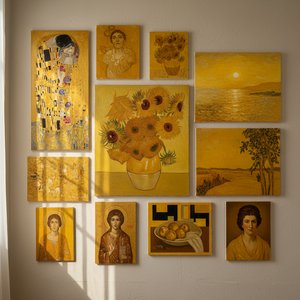
A sárgaokker aranykora: 10 híres festmény, melyek elbűvölnek | OriginalUniqueArt.com
Fedezze fel a sárgaokker festmények aranykorát! 10 híres műalkotás – Van Gogh, Rembrandt, Monet és más mesterek remekművei. Művészettörténet, inspiráció otthonába. Prémium minőségű reprodukciók a OriginalUniqueArt.com-on!

