Text size

() ·

A painting made for you, by hand

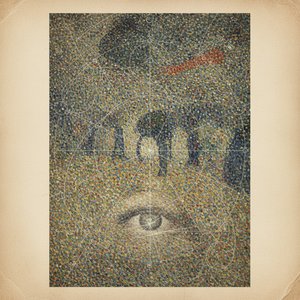
Study for 'Chahut'

Kézzel készített olajfestmény reprodukció

Kézzel festett olajvastú vászon, az Ön által választott méretben és keretben, művészeink készítik meglévőre. ( Váltás nyomtatványra Áttérés digitális képre)

A gyűjtemény leírása

Explore Georges Seurat’s groundbreaking Pointillist masterpiece, ‘Study for Chahut,’ capturing the vibrant energy of a Parisian dance performance with meticulous optical blending and luminous color palettes—a captivating glimpse into Impressionism's final flourish.

A művész életrajza

Fedezze fel Seuratot (1859-1891), a pontillizmus és neoimpresszionizmus úttörőjét! Nézze meg 'La Grande Jatte' című művét, és forradalmi színelméletét. Kézműves reprodukciók vásárlása!

from ·

Chapter 1

How large should it be?

Slide to change the size; the picture on the left shows the frame at its real width. The proportions of the original are kept.

Standard méret
egyedi méretű
CM
INCH

Válasszon előre meghatározott méreteink közül, amelyek megfelelnek a műalkotás eredeti arányainak.

szélesség
magasság

Írja be a kívánt szélességet és magasságot, hogy illeszkedjen a keretéhez vagy a falához. Mivel ez kézzel festett alkotás, egy eltérő formájú méret esetén a művész akár festhet is valamivel többet a kép körül, vagy korolathat is belőle — az Ön döntésének megfelelően. A festés megkezdése előtt küldünk egy digitális tervezetet jóváhagyásra. Az oldalon látható kép nem tartalmazza a végeredményt — csak a tervezet mutatja meg a valódi eredményt.

Chapter 2

How should it arrive?

Choose the edges of the stretched canvas

Choose your frame

Corner sample of the WhiteWrap canvas edge finish, stretched on tömörfa bars
White Ft1
Corner sample of the BlurSideWrap canvas edge finish, stretched on tömörfa bars
Blurside Ft1
Corner sample of the ExtendedWrap canvas edge finish, stretched on tömörfa bars
Extended Ft1
Corner sample of the P118B picture frame: formázott polisztirol, 5 cm wide and 3 cm thick
P118B Ft10
Corner sample of the P118H picture frame: formázott polisztirol, 5 cm wide and 3 cm thick
P118H Ft10
Corner sample of the P118W picture frame: formázott polisztirol, 5 cm wide and 3 cm thick
P118W Ft10
Corner sample of the P438Z picture frame: formázott polisztirol, 5.5 cm wide and 3.5 cm thick
P438Z Ft10
Corner sample of the P508JH picture frame: formázott polisztirol, 7 cm wide and 3.5 cm thick
P508JH Ft12
Corner sample of the P508YH picture frame: formázott polisztirol, 7 cm wide and 3.5 cm thick
P508YH Ft12
Corner sample of the P805H picture frame: formázott polisztirol, 5 cm wide and 3.5 cm thick
P805H Ft10
Corner sample of the P805Z picture frame: formázott polisztirol, 5 cm wide and 3.5 cm thick
P805Z Ft10
Corner sample of the P919BZ picture frame: formázott polisztirol, 7 cm wide and 3.5 cm thick
P919BZ Ft10
Corner sample of the P919G picture frame: formázott polisztirol, 7 cm wide and 3.5 cm thick
P919G Ft10
Corner sample of the P919XJ picture frame: formázott polisztirol, 7 cm wide and 3.5 cm thick
P919XJ Ft10
Corner sample of the P959ZH picture frame: formázott polisztirol, 5 cm wide and 3 cm thick
P959ZH Ft10
Corner sample of the P968JZ picture frame: formázott polisztirol, 6 cm wide and 4 cm thick
P968JZ Ft12
Corner sample of the W106C picture frame: tömörfa, 5 cm wide and 3 cm thick
W106C Ft8
Corner sample of the W218G picture frame: tömörfa, 5 cm wide and 3 cm thick
W218G Ft10
Corner sample of the W218JH picture frame: tömörfa, 5 cm wide and 3 cm thick
W218JH Ft8
Corner sample of the W218Y picture frame: tömörfa, 5 cm wide and 3 cm thick
W218Y Ft10
Corner sample of the W307PJ picture frame: tömörfa, 6 cm wide and 3 cm thick
W307PJ Ft10
Corner sample of the W316G picture frame: tömörfa, 6 cm wide and 3 cm thick
W316G Ft10
Corner sample of the W316PJ picture frame: tömörfa, 6 cm wide and 3 cm thick
W316PJ Ft8
Corner sample of the W316Y picture frame: tömörfa, 6 cm wide and 3 cm thick
W316Y Ft10
Corner sample of the W398PJ picture frame: tömörfa, 5 cm wide and 3 cm thick
W398PJ Ft8
Corner sample of the W4111J picture frame: tömörfa, 6.5 cm wide and 3.5 cm thick
W4111J Ft10
Corner sample of the W500HY picture frame: tömörfa, 7 cm wide and 5 cm thick
W500HY Ft15
Corner sample of the W500JH picture frame: tömörfa, 7 cm wide and 5 cm thick
W500JH Ft15
Corner sample of the W692G picture frame: tömörfa, 8 cm wide and 4 cm thick
W692G Ft12
Corner sample of the W849H picture frame: tömörfa, 5 cm wide and 3 cm thick
W849H Ft8
Corner sample of the W940BG picture frame: tömörfa, 7.5 cm wide and 4.5 cm thick
W940BG Ft15
Corner sample of the W953PJ picture frame: tömörfa, 6 cm wide and 3.5 cm thick
W953PJ Ft8
Corner sample of the H24-GOLD picture frame: faragott fa gesszóval, 10 cm wide and 6 cm thick
H24-GOLD Ft30
Corner sample of the H24-SILVER picture frame: faragott fa gesszóval, 10 cm wide and 6 cm thick
H24-SILVER Ft30
Corner sample of the H36-GOLD picture frame: faragott fa gesszóval, 15 cm wide and 6.5 cm thick
H36-GOLD Ft45
Corner sample of the H36-SILVER picture frame: faragott fa gesszóval, 15 cm wide and 6.5 cm thick
H36-SILVER Ft45

Moulding: . Overall size with the frame: .

Chapter 3

Who paints it, and should anything change?

Examples of what can be changed: Replace face with customer photo; Add pet (e.g., replace cat with dog); Include hidden message in background; Change background landscape or elements.
After order, OriginalUniqueArt.com team will email client for instructions and provide a mockup preview

Világszerte elérhető szállítás () 3-4 hét alatt a szokásos 5 hét helyett. (2 november). A minőség nem kérdőjelezhető.

Chapter 4

The finishing touches

A nameplate, as in a museum?

A gravírozott bronztábla részletei

This elegant plaque features the artist's name and the title of the artwork, finely engraved for a timeless presentation.

It is made from bronze with a refined, elegant finish. The text is precisely laser-engraved for a sharp and permanent result. Measuring 9x2 cm, the plaque is compact yet easy to read. It's built to be durable and scratch-resistant, offering a professional, museum-quality look. Mounting is simple thanks to the included adhesive backing.

Átlátszó akril tábla részletei

The plaque includes essential engraved details such as the artist's name, the title of the artwork, the date it was created, the type of media used-like oil on canvas or watercolor-a brief description of the piece, and a QR code that links to the complete artwork information.

It is crafted from clear acrylic, offering a sleek, modern appearance. The text is UV-engraved in black to ensure strong visual contrast. With a size of 10x15 cm, it ensures optimal readability. It comes equipped with two metal hooks for secure wall mounting. The plaque is designed to be weather-resistant, making it suitable for various environments, and it includes interactive features that work seamlessly with smartphone scanning.

Fekete akril tábla részletei

This elegant plaque includes engraved information such as the artist's name, the title of the artwork, the date it was created, the type of media used (like oil on canvas or watercolor), a short description of the artwork, and a QR code for quick access to more information.

The plaque itself is made from refined black acrylic with a premium finish. The text is laser-engraved in white for high contrast and readability. Its size is 10x15 cm, designed to be easy to read. It comes with two metal hooks for professional mounting. The design is sleek and fits any interior style. It is also weather-resistant and durable, with built-in digital integration for mobile compatibility.

A protective varnish?

When do you need it?

Chapter 5

Your painting, as you ordered it

Study for 'Chahut'

Reprodukciós technika

Reprodukció mérete

-

Kiváló mesterművész

Nagyobb részletesség, finomság és bővített gyártási idő

-

Reprodukció keretezése

-

-

A bármely oldalsó méretét túlszálaló 105 cm (kb. 41 hüvelyk) meghaladó műalkotások vagy reprodukciók esetében a keret összeszerelhető készletként, szétszerelve kerül szállításra. Ez a módszer biztosítja a biztonságos szállítást, és megakadályozza a szállítás során fellépő sérüléseket.

Szakmész összeszerelést igényel – ez nem DIY (önösszeszerelhető) termék.
A készletet egy tapasztalt keretező szakembernek kell összeszerelnie és a vásznat feszítenie kell, fa ragasztó (nem tartalmazza a csomag), vásznfeszítő fogó és szorítók használatával, amelyek a ragasztó száradásáig a keretrészeket egymáshoz vuôngjba tartják. A helytelen összeszerelés vagy a nem egyenletes vásznfeszítés maradandó károsíthatja a műalkotást, és ez nem része a garanciánknak.

  • A készlet tartalmazza az összes tömörfa rudat, pontosan méretre vágva.

  • A mellékelt csavarokkal, valamint a sarokszerekhez szükséges faütő ragasztóval kell összeszerelnie (ez nem tartalmazható a csomagban), így a keretrendezőnek külön kell beszereznie.

  • A csomag nem tartalmazza a szükséges professzionális eszközöket: egy vászonfeszítőt és klipseket a rácsok vízszintes tartásához a ragasztó megszáradásáig.

Fontos:
A sarokcsatlakozásokhoz fánylagra van szükség, a keretrudakat szorítókapcsokkal kell rögzíteni, amíg a rag teljesen meg nem szárad, a kész keretre feszített vászonhoz pedig vászonfeszítő fogat szükséges. Ezek egyike sem található meg a készletben. Kérjük, rendelés előtt győződjön meg róla, hogy rendelkezik tapasztalt keretező szakemberrel.

Névtábla

-

-

Védőréteg (Lakk)

Fényes lakk (intenzívabb színek, védelem a fény és a nedvesség hatása ellen)

-

Műalkotásom egyedi igényre szabása

Példák a módosíthatóságra: az arc kicserélése az ügyfél fotójára; háziállat hozzáadása (pl. macska helyett kutya); rejtett üzenet elhelyezése a háttérben; a háttér tájainak vagy elemeinek megváltoztatása.

-

Sürgős

Világszerte szóló szállítás () mindössze 3-4 hét alatt, a szokásos 5 hét helyett. (2 november). A minőség nem kérdőjelezhető.

-

Express szállítás

Világszerte elérhető szállítás területre 5 héten belül. (9 november).

A szállítás díja tartalmazza

Összesített ár

Ft 98255

Összesített ár Ft 98255

Az üvegkeretes opció csak 110 cm alatti méretben érhető el

Included with every order

  • Ingyenes globális expressz szállítás
  • Prémium minőségű len vászon
  • Teljes körű szállítási biztosítás
  • Vámvisszatérítési Garancia
  • Hiteles színarányosság garancia
  • 100 napos visszaküldési lehetőség (csak hibás termékek esetén)
  • 100% pénzvisszatérítési garancia
  • Több darab vásárlásakor kedvezmény

A Symphony of Light and Color: The Genesis of a Masterpiece

In the quiet, meticulous strokes of “Study for ‘Chahut’”, we find more than just a preparatory sketch; we encounter the very heartbeat of a revolution. Created in 1890 by the visionary Georges Seurat, this work serves as an intimate window into the mind of an artist who sought to bridge the gap between the ephemeral beauty of Impressionism and the rigid precision of science. As a precursor to his monumental masterpiece, this study captures the electric energy of the Belle Époque, frozen in a delicate dance of light and pigment. To behold this piece is to witness the moment where artistic intuition meets mathematical rigor, offering a profound sense of movement that remains as captivating today as it was at the turn of the century.

The scene itself is a vibrant tableau of Parisian life, centered around the graceful, poised figure of a woman dancing. She moves with an effortless elegance, her form emerging from a sea of carefully placed color, surrounded by a captivated audience that breathes life into the composition. The presence of violins—one nestled near the left and another toward the center—infuses the canvas with an invisible melody, suggesting a rhythmic, auditory layer to the visual experience. For the discerning collector or interior designer, this painting offers a sophisticated focal point, bringing a sense of cultured vitality and historical depth to any curated space.

The Science of Perception: The Magic of Pointillism

What distinguishes this work from the loose, spontaneous brushwork of his contemporaries is Seurat’s radical commitment to Pointillism. Moving away from the subjective, fleeting impressions of Monet or Renoir, Seurat turned toward the burgeoning scientific theories of optics and color perception. He did not merely paint what he saw; he reconstructed how the human eye perceives light. Through a painstaking method known as chromoluminarism, Seurat applied tiny, distinct dots of pure pigment to the canvas. Rather than blending these colors on a palette, he allowed them to interact optically within the viewer's eye.

This technique creates a shimmering, luminous effect that feels almost alive, as if the canvas itself is vibrating with light. Each point of color is a deliberate choice, a mathematical calculation designed to maximize saturation and brilliance. For those seeking to adorn a home with art that possesses true depth, the structural complexity of this technique provides an endless fascination. The way the light seems to dance across the surface of the dancers and onlookers makes the piece feel dynamic, ensuring it remains a conversation starter in any modern or classical setting.

A Window into the Belle Époque

Beyond its technical brilliance, “Study for ‘Chahut’” is steeped in the social symbolism of late 19th-century France. The subject matter—the chahut, or a spirited version of the can-can—reflects the burgeoning interest in performance art and the exuberant social progress of the era. This was a time of optimism, where the boundaries of art and society were being pushed by new technologies and shifting cultural norms. Seurat captures this tension between the structured, orderly application of his dots and the wild, uninhibited energy of the dance.

Owning a high-quality reproduction of this study allows one to bring a piece of history into the contemporary world. It is an invitation to contemplate the intersection of order and chaos, science and soul. Whether placed in a sunlit gallery or a sophisticated study, the painting radiates a timeless prestige, offering an emotional resonance that speaks to the enduring human desire for beauty, rhythm, and the pursuit of truth through light.

Kérdések és válaszok

Megtekinthető a "Study for 'Chahut'" teljes képernyős diaporámaként is?

A „Study for 'Chahut'”, Georges Pierre Seurat alkotása diaporámaként tekinthető a mű Diaváltás oldalán.

Mely korszakból származik a "Study for 'Chahut'"?

„Study for 'Chahut'”, Georges Pierre Seurat alkotása történelmi korszaka a 19th Century. Ez a klasszifikáció meghatározza a mű helyét a művészettörténetben.

Ki készítette a "Study for 'Chahut'" alkotást, és milyen stílusú?

A „Study for 'Chahut'” alkotását Georges Pierre Seurat készítette Pointillist Precision stílusban. A művész és a műveszetség meghatározza a mű hagyományát.

More about this painting

Megtekintés AR előnézet Váltás nyomtatványra Áttérés digitális képre Küldés
Részletek Útmutató Kedvencekhez ad Letöltés Hasonló darabok X-ray felvétel Diavetítés Q&A Statisztika

In numbers

  • 1890the year it was painted
  • 29frames to choose from
  • standard sizes, in its own proportions
  • 5weeks to paint and deliver it
Georges Pierre Seurat

Georges Pierre Seurat

1859 - 1891, Franciaország

Quick facts about Georges Pierre Seurat

  • Halálozási Dátum: 1891. március 29.
  • Jelentős Művek:
    • La Grande Jatte
    • Asnières-i fürdőzők
    • Szent-Deneszi lucerna
  • Kik Befolyásolva Lettek:
    • Fauvizmus
    • Kubizmus
    • Absztrakt expresszionizmus
  • Melyek Befolyásolták:
    • Michel Chevreul
    • Ogden Rood
  • Művészeti Irányzat: Neo-impresszionizmus, Pontillizmus
  • Nemzetiség: Francia
  • Születési Dátum: 1859. december 2.
  • Születési Hely: Párizs, Franciaország
  • Teljes Név: Georges Pierre Seurat

A művész életrajza

Georges Seurat: A Pontok Művészete és a Modern Világ Befogása

Georges Pierre Seurat, aki 1859. december 2-án született Párizsban, egy kulcsfontosságú alak volt az impresszionizmustól a modern művészet felé való átmenetben. Rövid, de rendkívül intenzív karrierje forradalmasította a festészetet a pontillizmus kifejlesztésével, egy olyan technikával, amely a tudományos elveken és a vizuális igazság megválasztásának eltökéltségén alapult. Seurat története a módszeres megfigyelésről, az intellektuális szigorúságról és a fény és szín árnyalatainak mély érzékenységéről szól – olyan tulajdonságok, amelyek megkülönböztették kortársaitól, és máig lenyűgözik a közönséget. Fiatal korában, bár látszólag hagyományos élete alapot fektett le jövőbeli művészi felfedezéseihez. A család nem sokkal születése után költözött a Boulevard de Magenta-ra, és apja, Antoine Chrysostome Seurat, egykori jogász majd ingatlanbefektető, kényelmes nevelést biztosított számára, amely lehetővé tette Georges számára, hogy művészeti tanulmányokat folytasson. Formális képzését Justin Lequien szobrásznál kezdte el a École Municipale de Sculpture et Dessin-en, majd 1878-ban beiratkozott a híres École des Beaux-Arts-ra, ahol Henri Lehmann tanár irányításával tanulhatott. Ezek az időszakok megalapozta számára a hagyományos technikák szilárd alapját, mégis már ekkor is egyedi művészi személyiség kezdett kibontakozni – a finom érzékenység és a rendszerszintű elemzés iránti növekvő érdeklés keveréke.

A Tudományos Színlelketől a Chromoluminarizmusig

Seurat művészi fejlődése nem volt hirtelen innováció, hanem inkább az intellektuális kíváncsiság és a szigorú kísérletezés által hajtott fokozatos evolúció. Eleinte munkái az akkori akadémiai normáknak megfelelően tükrözték a rajzi készséget és a bevált kompozíciós elveket. Hamarosan megkérdőjelezte ezeket a konvenciókat, egy tudományosabb megközelítést keresve a festészetben. Merüljön el a színelmélet virágzásában, Michel Eugène Chevreul és Ogden Rood tudósok írásait tanulmányozva, akik a juxtapózált színek optikai hatásait vizsgálták. Ez a kutatás lett forradalmi technikájának alapköve, a chromoluminarizmusnak – a szín tudománya – és annak gyakorlati alkalmazásának, a pontillizmusnak. A lényeg egyszerű volt: tiszta színek apró, elkülönített pontjait vigyen fel egy vászonra, hogy a néző szeme optikailag összekeverje őket, és élénk, ragyogó hatást hozzon létre. Ez nem csupán a világosabb színek eléréséről szólt; arról volt, hogyan érzékeli az emberi látórendszer a fényt és a színeket, és hogyan hasznosítsa ezt az ismeretet egy dinamikusabb és vonzóbb festményélmény létrehozására. Munkáihoz Conté ceruzával készített vázlatokat durva papíron, gondosan leképezve minden pont elhelyezését, szinte matematikai pontossággal közelítve meg a művészeti folyamatot.

Művek és Művészi Látásmód: A Pontok Szimfóniája

Seurat kutatásainak és kísérleteinek csúcspontja talán legjobban A vasárnap délután La Grande Jatte szigetén (1884-1886) című monumentális munkájában nyilvánul meg, amely a neoimpresszionizmus kezdetét jelentette. Ez az ikonikus festmény, amely párizsiakat ábrázol egy kellemes délutánon a Széna partján, a pontillista technikáját a teljességével mutatja be. Az alakok, gondosan elhelyezett színpontokként, vibrálnak és ragyognak a fényben, nyugodt csend atmoszféráját teremtve. Alfalfa, Saint-Denis (1886-1887) című művével a színelméletet vidéki tájra alkalmazta, míg korábbi alkotásai, mint például a Saint-Ouen tája (1882-1883), az evolúcióját és a fény és légkör hatásainak megörökítésére való növekvő érdeklődését mutatják. Még a modern párizsi élet ábrázolásai is, mint például A Párizsi Torony (1889), egyedi technikája révén átalakultak, amelyben az ipari modernitás és a művészi innováció harmonikus keveréke mutatkozik. A Fürdőzők Asnières-ben (1884) című alkotása is jelentős munka volt, amely a szórakozás témáját dolgozta fel sajátos stílusával, előrevetítve a *La Grande Jatte*-ban látható kifinomultabb megközelítést. Ezek a festmények nem csupán jelenetek ábrázolásai voltak; gondosan szerkesztett vizuális kísérletek voltak, amelyek a szín és az érzékelés lehetőségeit kívánták feltárni.

Egy Tartós Hatás: A Muvészet Utódai

Bár élete tragikusan rövid volt – Seurat 31 éves korában hunyt el 1891-ben –, hatása a művészeti világra rendkívül nagy és messzeható volt. Munkája megkérdőjelezte a hagyományos művészi konvenciókat, utat nyitva számos későbbi irányzat számára. A szubjektív kifejezés hangsúlyozása és az új technikák felfedezése olyan művészekkel rezonált, akik a hagyományos akadémiai korlátoktól akartak elszakadni. Seurat hatása megfigyelhető a fauve-okban, akik merész színeket és kifejező ecsetvonásokat fogadtak el; a kubistákban, akik geometriai formákra bontották az alakokat; és az expresszionistákban, akik az érzelmi intenzitást és a spontán gesztust helyezték előtérbe. Seurat tudományos megközelítése a festészethez, bár kezdetben vitatott volt, végül kibővítette a művészi lehetőség definícióját. Megmutatta, hogy a művészet egyszerre lehet intellektuálisan szigorú és érzelmileg kifejező – egy olyan szintézis, amely máig inspirálja a művészeket. Seurat öröksége túlmutat technikai innovációin; egy olyan alkotásművészeti hagyatot hagyott hátra, amely páratlan pontossággal és szépséggel ragadja meg a modern élet lényegét, megerősítve helyét a modern művészet egyik igazi úttörőjeként. Festményei tanúk maradnak a megfigyelés, a kísérletezés és az emberi vágyról, hogy a körülöttünk lévő világot művészi kifejezés tükrében értsük meg.

Gyors információk

  • Artist: Georges Pierre Seurat
  • Notable elements or techniques: Pointillist technique
  • Artistic style: Precisionism
  • Year: 1890
  • Subject or theme: Dance performance