Megtekintés
 Küldés
 Megosztás
 Részletek

 Letöltés
 Hasonló darabok
 X-ray felvétel
 Diavetítés
 Statisztika
Aurákolós
 Olajfestmény vászonon
- Falfeliratok és faldekoráció
- Barok
 1632
1632- Reneszánsz
 102.0 x 123.0 cm
 Metropolitan Művészeti Múzeum
 Összes részlet megjelenítése
Kézzel készített olajfestmény reprodukció
Kézzel festett olajvastú vászon, az Ön által választott méretben és keretben, művészeink készítik meglévőre. ( Áttérés Nyomtatványra Áttérés digitális képre)




P118B $10

P118H $10

P118W $10

P438Z $10

P508JH $12

P508YH $12

P805H $10

P805Z $10

P919BZ $10

P919G $10

P919XJ $10

P959ZH $10

P968JZ $12

W106C $8

W218G $10

W218JH $8

W218Y $10

W307PJ $10

W316G $10

W316PJ $8

W316Y $10

W398PJ $8

W4111J $10

W500HY $15

W500JH $15

W692G $12

W849H $8

W940BG $15

W953PJ $8




Válasszon előre meghatározott méreteink közül, amelyek megfelelnek a műalkotás eredeti arányainak.

Ön megadhat saját méreteket egy adott kerethez vagy térhez igazításhoz. Ha a kiválasztott méret nem egyezik az eredeti kép arányával, akkor a műalkotást levágjuk, vagy további kézzel festett elemekkel meghosszabbítjuk a festményt. A gyártás megkezdése előtt küldünk Önnek egy digitális előnézetet jóváhagyásra.
Kérjük, vegye figyelembe, hogy a képernyőn megjelenő előnézet nem tükrözi a tényleges vágást vagy kiterjesztést. Csak az előnézet fog pontosan mutatni a végső kompozíciót.
Bár egyedi méretek állnak rendelkezésre, javasoljuk, hogy válasszon egy méretet az előre meghatározott listából az eredeti arányok megőrzése érdekében.
A rendelést követően a OriginalUniqueArt.com csapata e-mailt küld az ügyfélnek az instrukciókért, és biztosít egy előnézeti képet (mockup).
Világszerte elérhető szállítás () 3-4 hét alatt a szokásos 5 hét helyett. (13 szeptember). A minőség nem kérdőjelezhető.

Ingyenes globális expressz szállítás

Prémium minőségű len vászon

Teljes körű szállítási biztosítás

Vámvisszatérítési Garancia

Hiteles színpontosság garancia

100 napos visszaküldési lehetőség (csak hibás termékek esetén)

100% pénzvisszatérítési garancia

Több darab vásárlása esetén kedvezmény
 Az üvegkeretes opció csak 110 cm alatti méretben érhető el

Aurákolós
Reprodukciós technika
Reprodukció mérete
-


Összesített ár
$ 300
Egy pillanat 17. századi intimitásába
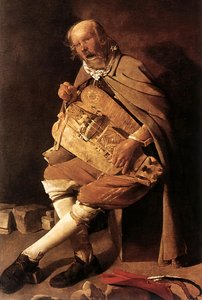
Georges de la Tour lenyűgöző „Őelőadó” (Fortune Teller) című műve (1632) egy ritka és intimitást ábrázoló látképét nyújt a barokk korszak háztartási életéből. Ez a mesteri festmény nem csupán egy portré; hanem gondosan összeállított jelenet, amely finoman sugalló narratívával és pszichológiai mélységgel teli, meghívva az nézőket megfontolni a kapcsolatokat és titkokat, amelyek ebben a kis csoportban rejtőznek.Barokk realizmus és drámai fény
De la Tour mestere volt a tenébrizmus művét – a Caravaggio által inspirált fény és árnyék drámai használatát –, és az „Őelőadó” tökéletesen példázza ezt a képzettséget. A figurek mély, ölelő sötétségből emelkednek ki, egy láthatatlan forrás fényében világítva, amely lenyűgöző tisztasággal kiemeli arcait és keziüket. Ez a technika nem csupán esztétikai; figyelmünket arra irányítja azokra a gesztusokra és kifejezésekre, amelyek feltárják a karaktert, és utalnak az épteljes történetre. Stílusa ötvözi a barokk drámát a północ-reneszánsz részletességének pontosságával, különösen látható a textúrák ábrázolásában – a selyem csillogásától kezdve az idővel megfeketedett idősebb nő bőréig.A jelenet megfejtése: Szimbolika és narratíva
A kompozíció négy figürét mutatja be: egy fiatal őelőadóval, a férfi ügyfeleivel, és két kísérő személyével – valószínűleg családtagokkal, akik megfigyelik az olvasást. Az őelőadó koncentrált tekintete és finom kezei titokzatos és autoritásos hangulatot sugallnak. Az ügyfel figyelmes pózában látható a sebezhetősége és a reménye a jövőre vonatkozó betekintésben. Az idősebb nő és a fiatalabb társ jelenléte rétegeket ad hozzá a komplexitáshoz; szkeptikus megfigyelők-e, vagy támogató résztvevők? A fiatalember által tartott kis tárgy gazdagságot, sorsot, vagy egyszerűen csak egy kedvelt ékszert szimbolizálhatja. Bár a konkrét narratíva értelmezésnek hagyja helyét, a festmény az elmozduló sorsról, az elvadásról és az emberi tudásvágyról szóló témákat evokálálja.Történelmi kontextus és művészi örökség
Franciaországban zajló vallási és politikai felbolygatások időszakában készült De la Tour munkái gyakran foglalkozott a hit, az etiká és az hétköznapi élet témáival. Mélyen befolyásolta a holland Caravaggisti, művészek, akik előszeretettel használták a drámai fényt és az átlag emberek realizmusos ábrázolását. Bár halála után több évszázadig relativement ismeretlen maradt, De la Tour újra felfedezésre került mint a barokk festészet kulcsfontosságú alakja, amelyet elrendítenek egyedi ötvözete miatt: a realizmus, a szelleimségesség és a pszichológiai mélység.Érzelmi rezonancia és belső érték
Az „Őelőadó” tartós érzelmi erejét őrzi. A szürke árnyalatok palettája, az emberek merülködéses kifejezéseivel ötvözve, egy csendes gondolkodás hangulatát teremtja. Ez a műalkotás nem flamboyant és ostentatious; szépsége finomságában és visszafogottságában rejlik. Reprodukcióként bármilyen belső terekbe hoz egy darab régi világ eleganciáját és intelektuális mélységet – hagyományos könyvtárakól modern szobákig. A visszafogott árnyalatai kiegészítik számos színt, míg az érdekes témája beszélgetést vált ki, és ösztönzi a közelebbi megfigyelést. Ez több, mint egy festmény; ez egy ablak a múltba, egy tanúvallomás az emberi kíváncsiságra, és egy időtálló műalkotás.A művész életrajza
A Life Bathed in Shadow: The Enigmatic World of Georges de La Tour
Georges de La Tour, a name that resonates with the hushed reverence reserved for masters of light and shadow, remains one of the most compelling figures of the French Baroque. Born in 1593 in Vic-sur-Seille, a small town nestled within the Duchy of Lorraine, his life unfolded against a backdrop of religious fervor and political upheaval. While details surrounding his early training remain somewhat elusive—scholars speculate about potential journeys to Italy or apprenticeships with local artists like Jacques Bellange—the seeds of his artistic vision were undoubtedly sown in this environment. He wasn’t born into an artistically established family; his father was a baker, yet the circumstances of his mother's lineage hint at a possible connection to nobility, a subtle influence perhaps reflected in the dignity and quiet grace that permeate his work. In 1617 he married Diane Le Nerf, establishing a stable home life in Lunéville, where he would spend much of his career serving both the French court and the Dukes of Lorraine. This dual patronage allowed him to flourish, yet it was within the intimate confines of domestic scenes and religious contemplation that his true genius found expression.The Dance of Light and Darkness: Artistic Influences and Development
De La Tour’s artistic journey wasn’t one of radical innovation but rather a masterful synthesis of existing influences, transformed through the lens of his unique sensibility. The dramatic chiaroscuro—the stark contrast between light and dark—that defines his paintings owes an undeniable debt to Caravaggio, the Italian master who revolutionized painting with his intensely realistic and emotionally charged scenes. However, De La Tour didn’t simply imitate; he filtered Caravaggism through the prism of Dutch Caravaggisti, particularly those from the Utrecht School like Hendrick Terbrugghen. This fusion resulted in a style that was both powerful and restrained, characterized by a muted palette dominated by earth tones and subtle gradations of light. His early works, predating 1630, exhibit a greater vibrancy and dynamism, reflecting the influence of the Utrecht school. But as his career progressed, he moved towards an increasingly introspective and minimalist aesthetic. He began to pare down compositions, focusing on essential forms and reducing extraneous details, creating scenes that felt both timeless and deeply personal. This evolution wasn’t merely technical; it was a reflection of his growing spiritual depth and his desire to convey profound emotional truths through the simplest of means.Candlelight and Contemplation: Major Works and Recurring Themes
The hallmark of De La Tour's oeuvre is undoubtedly his masterful use of candlelight, which he employed not merely as a source of illumination but as a metaphor for divine grace and spiritual awakening. His paintings are often set at night, with figures bathed in the warm, flickering glow of a single candle or lamp. This creates an atmosphere of intimacy and quiet contemplation, drawing the viewer into the scene and inviting them to share in the emotional experience of the subjects. The Fortune-Teller, painted around 1630, exemplifies this early style—a lively genre scene rendered with sharp observation and dramatic lighting. But it is his later religious works that truly showcase his genius. Adoration of the Shepherds, created around 1640, demonstrates his ability to imbue a traditional subject with profound emotional resonance. The figures are not idealized or heroic; they are ordinary people, humbled by the presence of the divine. The Tears of Saint Peter, painted in the 1650s, is a particularly poignant example of his psychological insight—the apostle’s grief rendered with heartbreaking subtlety and realism. Saint Joseph the Carpenter, another iconic work, depicts a serene domestic scene, highlighting De La Tour's mastery of capturing the quiet dignity of everyday life. These paintings aren’t simply depictions of religious events; they are meditations on faith, doubt, and the human condition.A Rediscovered Legacy: Historical Significance and Enduring Appeal
Despite achieving recognition during his lifetime—he was appointed “Painter to the King” by Louis XIII in 1638—De La Tour’s work fell into relative obscurity after his death in 1652. For centuries, many of his paintings were misattributed to other artists, and his name faded from art historical memory. It wasn't until the early 20th century that a concerted effort was made to rediscover and re-evaluate his oeuvre, led by scholars like Hermann Voss. This rediscovery revealed an artist of extraordinary originality and depth, whose work bridged the gap between Caravaggism and French Classicism. De La Tour’s innovative use of light and shadow, combined with his psychological insight into his subjects, continues to captivate audiences today. His paintings offer a glimpse into 17th-century life and spirituality, reflecting both the religious fervor and the social realities of his time. *He remains celebrated for his ability to imbue everyday scenes with profound meaning and emotional depth*, reminding us that even in the darkest of times, there is always hope to be found in the flickering light of faith and human connection. His influence can be seen in later artists who explored similar themes of introspection and spiritual longing, solidifying his place as a pivotal figure in the history of European art.
Georges de La Tour
1593 - 1652 , Franciaország
A művészről röviden
- Artistic Movement Or Style: Barokk, Tenebrizmus
- Artists Or Movements Influenced By This Artist: ['Francia klasszika']
- Artists Who Influenced This Artist:
- Caravaggio
- Terbrugghen
- Date Of Birth: 1593. március 14.
- Date Of Death: 1652. január 30.
- Full Name: Georges de La Tour
- Nationality: Francia
- Notable Artworks:
- A jövendőmondó
- Szilárdítók imádása
- Péter apostol könnyei
- Szent József ácsos
- Place Of Birth: Vic-le-Comte, Francia
Kapcsolódó cikkek
Georges de La Tour: Luminosity, Spirituality & Realism in Baroque Painting
Discover the captivating world of Georges de La Tour, a Baroque master renowned for his dramatic chiaroscuro & spiritual realism. Explore key works, influences, and his remarkable rediscovery. Learn more at OriginalUniqueArt.

Goya Mesterművei: A Spanyol Lélek 25 Legikonikus Képe – OriginalUniqueArt
Fedezze fel Goya 25 leglenyűgözőbb mesterművét! Ismerje meg a spanyol festő életművét, portréit és ikonikus képeit. Vásároljon prémium minőségű reprodukciókat a OriginalUniqueArt.com-on, és teremtsen egyedi otthoni dekorációt klasszikus művészettel! Explore the full collection online.

Maurice Quentin de La Tour: Light, Shadow & the Rococo Portrait
Explore the captivating world of Maurice Quentin de La Tour, a master of Rococo portraiture. Discover his innovative pastel techniques, intimate depictions of French aristocracy, and lasting artistic legacy. Learn more at OriginalUniqueArt.

Georges Seurat 25 Mesterműve: A Pontillizmus Zsenialitása – OriginalUniqueArt.com
Fedezze fel Georges Seurat 25 legikonikusabb művét! Ismerje meg a pontillizmus zsenialitását, az impresszionizmus forradalmát és a színek lenyűgöző játékát. Prémium minőségű reprodukciók és inspiráló otthoni dekorációk a OriginalUniqueArt.com-on. Fedezze fel a teljes gyűjteményt online!

Georges Braque Mesterek: A 25 Leglenyűgözőbb Kép, Ami Megváltoztatta a Modern Festészetet
Fedezze fel Georges Braque 25 legikonikusabb műalkotását! Ismerje meg a kubizmus történetét, Picasso hatását és a francia művész lenyűgöző festményeit. Múzeumi minőségű reprodukciók és inspiráló dekorációs ötletek a OriginalUniqueArt.com-on.