Megtekintés
 Küldés
 Megosztás
 Részletek
 Útmutató

 Letöltés
 Hasonló darabok
 X-ray felvétel
 Diavetítés
 Kérdések és válaszok
 Statisztika
A jósló


 Összes részlet megjelenítése
Giclée / Műnyomat
Múzeumi minőségű giclée vagy vászonnyomat, gyors gyártással és rugalmas finomítási lehetőségekkel. ( Kézzel festett másolat rendelése Áttérés digitális képre)




P118B Ft10

P118H Ft10

P118W Ft10

P438Z Ft10

P508JH Ft12

P508YH Ft12

P805H Ft10

P805Z Ft10

P919BZ Ft10

P919G Ft10

P919XJ Ft10

P959ZH Ft10

P968JZ Ft12

W106C Ft8

W218G Ft10

W218JH Ft8

W218Y Ft10

W307PJ Ft10

W316G Ft10

W316PJ Ft8

W316Y Ft10

W398PJ Ft8

W4111J Ft10

W500HY Ft15

W500JH Ft15

W692G Ft12

W849H Ft8

W940BG Ft15

W953PJ Ft8




Válasszon előre meghatározott méreteink közül, amelyek megfelelnek a műalkotás eredeti arányainak.

Írja be a keretének vagy a falának megfelelő szélességet és magasságot. A nyomatot csak le lehet vágni, soha nem tehető nagyobbá, mint az eredeti kép, így egy eltérő alakú méretnél a kép egy része elveszik. Mielőtt bármit kinyatintanánk, küldünk egy digitális próbamodellt jóváhagyásra. Az oldalon látható kép nem tartalmazza a valós levágást — ezt csak a próbamodell mutatja meg.
Világszerte történő kiszállítás területére mindössze 2 hét alatt, a szokásos 4-5 hét helyett. (6 november)

Ingyenes globális expressz szállítás

Prémium minőségű len vászon

Teljes körű szállítási biztosítás

Vámvisszatérítési Garancia

Hiteles színarányosság garancia

100 napos visszaküldési lehetőség (csak hibás termékek esetén)

100% pénzvisszatérítési garancia

Több darab vásárlásakor kedvezmény
 Az üvegkeretes opció csak 110 cm alatti méretben érhető el

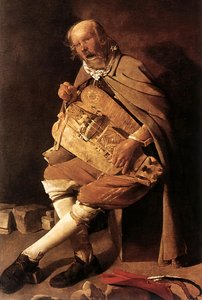
A jósló
Giclée / Műnyomat
Reprodukció mérete
-


Összesített ár
Ft 26460
A társasági interakció és a mystérium lenyűgöző jelenete
Merüljön el egy Georges de La Tour által megörökített magával ragadó pillanatban, ahol a mindennapi élet finom intrigákkal fonódik össze. Ez a festmény öt nőből álló csoportot ábrázol egy őszinte, intimitással teli párbeszéd közepén, amely valószínűleg egy jóslást vagy egy tanítást envolvendo. A jelenet kíváncsiságot és társadalmi dinamikát áraszt, arra invitálva a nézőt, hogy gondolkodjon az egyes karakterek mögött rejlő történetekről. A központi fiatal nő, aki egy lágy, rózsaszínes-barna ruhában debütál, elmélyültnek tűnik, míg az idősebb asszony élénk mozdulata felfedezés vagy oktatás folyamatára utal. A hagyományos viseletet viselő környező alakok keretezik ezt a csendes intenzitású pillanatot, olyan narratívát szítva, amely gazdag az érzelmi mélységre és kulturális árnyalatokra.A barokk kor mesteri stílusa és technikája
Az 1635-ben alkotott remekmű a barokk stílus realizmus iránti mesterművet és a drámai fényhasználat tudásos alkalmazását példázza. Georges de La Tour aprólékos figyelmet fordít a részletekre, a ruhák bonyolult kirajzoltságától kezdve a bőr és az anyag finom textúrájáig. Az olajfesték használata a vászonon lehetővé teszi a tónusok finom átmeneteit, növelve minden egyes elem taktilist realizmusát. A művész egyedi chiaroscuro technikája – a fény és az árnyék éles kontrasztja – azonosságérzetet és mélységet teremt, vonzva a néző tekintetét az expresszív arcokhoz és gesztusokhoz. A fény és sötétség ez az együttjátéka nemcsak fokozza az érzelmi hatást, hanem kiemeli a történet fókuszpontjait is, élettel telivé és intimitivé téve a jelenetet.Történelmi kontextus és kulturális jelentőség
A Franciaország barokk korának fényében készült festmény tükrözi az korszak mennességes érzelmek iránti rajongását, valamint a társadalmi szerepek és a morális ambivalencia vonzerejét. Georges de La Tour híres volt képessége miatt, hogy egyszerű embereket ábrázoljon mindennapi tevékenységek közepén, emelve a hétköznapi pillanatokat mélyreható vizuális történetekké. A jelenet az idősködés, a bölcsesség, a fiatalság és a társadalmi hierarchia témáit szimbolizálhatja, finoman kommentálva a nők szerepét és megítélését a 17. századi társadalomban. Csendes, mégis feszült légköre megörökíti az olyan gyakorlatok köré fűződő kulturális feszültségeket és kíváncsiságot, mint a jóslás, amely gyakran egyszerre hordozott társadalmi stigmaot és lenyűgözöttséget.Szimbolizmus és érzelmi rezonancia
A művész alkotásának minden eleme szimbolikus jelentéssel van átárasztva. A meleg, földszínekből álló paletta kényelmet és realizmust idéz, míg a fókuszált fény megvilágítja az arcokat és a kezeket, hangsúlyozva az emberi kapcsolódást és a kommunikációt. Az idősebb asszony gesztusa az ismeretek átadását vagy a rejtett igazságok feltárását szimbolizálhatja, míg a figyelmes fiatal nő a kíváncsiságot és a ártatlanságot testesíti meg. A jelenet finom feszültsége arra invitálja a nézőt, hogy r réflexion tárgyát tegye a bizalomról, a szkepticizmusról és az megértés törekvése felől. Az expresszív arcokon és mozdulatokon keresztül átáramló érzelmi mélység ezt a művet nem csupán vizuális élménnyé, hanem az emberi interakciók és társadalmi szerepek mély meditációjává teszi.Tökéletes gyűjtéshez vagy belső terek díszítéséhez
Ez a kiváló reprodukció lehetőséget nyújt a művészetteknek, gyűjtőknek és belsőépítészeknek, hogy történelmi eleganciát és érzelmi mélységet vigenek bármely térbe. Időtlen témája és mesteri kivitelezése sokoldalú alkotássá teszi, amely számos belső stílushoz illik – a klasszikustól a kortársig. Legyen szó nappaliról, dolgozószobáról vagy galériáról, ez a mű lenyűgöző fókuszpontként szolgál majd, amely beszélgetést és csodálatot vált ki. A kiváló minőségű, kézzel festett reprodukció biztosítja, hogy minden részlet – a finom textilaktól a drámai fényekig – hűen megmaradjon, lehetővé téve, hogy Georges de La Tour mesterművének szépségét és kézműves tudását generációkon át élvezhesse.Kérdések és válaszok
Milyen nemzetiség áll a „A jósló” Baroque-ének hátterében?
A Baroque korszak alkotása, a "A jósló", egy Franciaország-ban született művész munkája.
Milyen anyagból készült a "A jósló"?
A „A jósló”, Georges de La Tour alkotása technikája Olajfestmény vászonon. A reprodukciók célja ezen technika megjelenítésének hiteles återadása.
Mennyire világos összességében a "A jósló"?
A megjelenő fényerő tekintetében a „A jósló”, Georges de La Tour alkotása művének közepes fényességű.
A művész életrajza
A Life Bathed in Shadow: The Enigmatic World of Georges de La Tour
Georges de La Tour, a name that resonates with the hushed reverence reserved for masters of light and shadow, remains one of the most compelling figures of the French Baroque. Born in 1593 in Vic-sur-Seille, a small town nestled within the Duchy of Lorraine, his life unfolded against a backdrop of religious fervor and political upheaval. While details surrounding his early training remain somewhat elusive—scholars speculate about potential journeys to Italy or apprenticeships with local artists like Jacques Bellange—the seeds of his artistic vision were undoubtedly sown in this environment. He wasn’t born into an artistically established family; his father was a baker, yet the circumstances of his mother's lineage hint at a possible connection to nobility, a subtle influence perhaps reflected in the dignity and quiet grace that permeate his work. In 1617 he married Diane Le Nerf, establishing a stable home life in Lunéville, where he would spend much of his career serving both the French court and the Dukes of Lorraine. This dual patronage allowed him to flourish, yet it was within the intimate confines of domestic scenes and religious contemplation that his true genius found expression.The Dance of Light and Darkness: Artistic Influences and Development
De La Tour’s artistic journey wasn’t one of radical innovation but rather a masterful synthesis of existing influences, transformed through the lens of his unique sensibility. The dramatic chiaroscuro—the stark contrast between light and dark—that defines his paintings owes an undeniable debt to Caravaggio, the Italian master who revolutionized painting with his intensely realistic and emotionally charged scenes. However, De La Tour didn’t simply imitate; he filtered Caravaggism through the prism of Dutch Caravaggisti, particularly those from the Utrecht School like Hendrick Terbrugghen. This fusion resulted in a style that was both powerful and restrained, characterized by a muted palette dominated by earth tones and subtle gradations of light. His early works, predating 1630, exhibit a greater vibrancy and dynamism, reflecting the influence of the Utrecht school. But as his career progressed, he moved towards an increasingly introspective and minimalist aesthetic. He began to pare down compositions, focusing on essential forms and reducing extraneous details, creating scenes that felt both timeless and deeply personal. This evolution wasn’t merely technical; it was a reflection of his growing spiritual depth and his desire to convey profound emotional truths through the simplest of means.Candlelight and Contemplation: Major Works and Recurring Themes
The hallmark of De La Tour's oeuvre is undoubtedly his masterful use of candlelight, which he employed not merely as a source of illumination but as a metaphor for divine grace and spiritual awakening. His paintings are often set at night, with figures bathed in the warm, flickering glow of a single candle or lamp. This creates an atmosphere of intimacy and quiet contemplation, drawing the viewer into the scene and inviting them to share in the emotional experience of the subjects. The Fortune-Teller, painted around 1630, exemplifies this early style—a lively genre scene rendered with sharp observation and dramatic lighting. But it is his later religious works that truly showcase his genius. Adoration of the Shepherds, created around 1640, demonstrates his ability to imbue a traditional subject with profound emotional resonance. The figures are not idealized or heroic; they are ordinary people, humbled by the presence of the divine. The Tears of Saint Peter, painted in the 1650s, is a particularly poignant example of his psychological insight—the apostle’s grief rendered with heartbreaking subtlety and realism. Saint Joseph the Carpenter, another iconic work, depicts a serene domestic scene, highlighting De La Tour's mastery of capturing the quiet dignity of everyday life. These paintings aren’t simply depictions of religious events; they are meditations on faith, doubt, and the human condition.A Rediscovered Legacy: Historical Significance and Enduring Appeal
Despite achieving recognition during his lifetime—he was appointed “Painter to the King” by Louis XIII in 1638—De La Tour’s work fell into relative obscurity after his death in 1652. For centuries, many of his paintings were misattributed to other artists, and his name faded from art historical memory. It wasn't until the early 20th century that a concerted effort was made to rediscover and re-evaluate his oeuvre, led by scholars like Hermann Voss. This rediscovery revealed an artist of extraordinary originality and depth, whose work bridged the gap between Caravaggism and French Classicism. De La Tour’s innovative use of light and shadow, combined with his psychological insight into his subjects, continues to captivate audiences today. His paintings offer a glimpse into 17th-century life and spirituality, reflecting both the religious fervor and the social realities of his time. *He remains celebrated for his ability to imbue everyday scenes with profound meaning and emotional depth*, reminding us that even in the darkest of times, there is always hope to be found in the flickering light of faith and human connection. His influence can be seen in later artists who explored similar themes of introspection and spiritual longing, solidifying his place as a pivotal figure in the history of European art.
Georges de La Tour
1593 - 1652 , Franciaország
Rövid információk
- Artistic Movement Or Style: Barokk, Tenebrizmus
- Artists Or Movements Influenced By This Artist: ['Francia klasszika']
- Artists Who Influenced This Artist:
- Caravaggio
- Terbrugghen
- Date Of Birth: 1593. március 14.
- Date Of Death: 1652. január 30.
- Full Name: Georges de La Tour
- Nationality: Francia
- Notable Artworks:
- A jövendőmondó
- Szilárdítók imádása
- Péter apostol könnyei
- Szent József ácsos
- Place Of Birth: Vic-le-Comte, Francia
Kapcsolódó cikkek

Georges Braque Mesterek: A 25 Leglenyűgözőbb Kép, Ami Megváltoztatta a Modern Festészetet
Fedezze fel Georges Braque 25 legikonikusabb műalkotását! Ismerje meg a kubizmus történetét, Picasso hatását és a francia művész lenyűgöző festményeit. Múzeumi minőségű reprodukciók és inspiráló dekorációs ötletek a OriginalUniqueArt.com-on.

Georges Seurat 25 Mesterműve: A Pontillizmus Zsenialitása – OriginalUniqueArt.com
Fedezze fel Georges Seurat 25 legikonikusabb művét! Ismerje meg a pontillizmus zsenialitását, az impresszionizmus forradalmát és a színek lenyűgöző játékát. Prémium minőségű reprodukciók és inspiráló otthoni dekorációk a OriginalUniqueArt.com-on. Fedezze fel a teljes gyűjteményt online!

Goya Mesterművei: A Spanyol Lélek 25 Legikonikus Képe – OriginalUniqueArt
Fedezze fel Goya 25 leglenyűgözőbb mesterművét! Ismerje meg a spanyol festő életművét, portréit és ikonikus képeit. Vásároljon prémium minőségű reprodukciókat a OriginalUniqueArt.com-on, és teremtsen egyedi otthoni dekorációt klasszikus művészettel! Explore the full collection online.
Georges de La Tour: Luminosity, Spirituality & Realism in Baroque Painting
Discover the captivating world of Georges de La Tour, a Baroque master renowned for his dramatic chiaroscuro & spiritual realism. Explore key works, influences, and his remarkable rediscovery. Learn more at OriginalUniqueArt.

Maurice Quentin de La Tour: Light, Shadow & the Rococo Portrait
Explore the captivating world of Maurice Quentin de La Tour, a master of Rococo portraiture. Discover his innovative pastel techniques, intimate depictions of French aristocracy, and lasting artistic legacy. Learn more at OriginalUniqueArt.