
 Megtekintés
 Küldés
 Megosztás
 Részletek
 Útmutató

 Letöltés
 Hasonló darabok
 X-ray felvétel
 Diavetítés
 Kérdések és válaszok
 Statisztika
Interior with Palette

- 145.0 x 195.0 cm


 Összes részlet megjelenítése
Az ezen az oldalon megjelenített műalkotások szerzői jogi védelem alatt állnak, ami azt jelenti, hogy törvényileg nem készíthetünk és nem adhatunk el belőlük pontos másolatokat. Ez a védelem olyan nemzetközi megállapodások alapján érvényesül, mint például a Berni Egyezmény és a nemzeti jogszabályok által, beleértve azokat is, amelyeket meghatározott Az USA szerzői jogi törvénye – 17. cím.
Ez a módszer teljes mértékben megfelel a szerzői jogi szabályozásnak, mivel nem tartalmazza a védett műalkotás másolását vagy duplikálását. Ehelyett ez egy kreatív újinterpretáció – egy új festmény, amely az eredetivel való összefüggései miatt hatással van rá, de nem az az.
Giclée / Műnyomat
Múzeumi minőségű giclée vagy vászonnyomat, gyors gyártással és rugalmas finomítási lehetőségekkel. ( Kézzel festett másolat rendelése Áttérés digitális képre)




P118B Ft10

P118H Ft10

P118W Ft10

P438Z Ft10

P508JH Ft12

P508YH Ft12

P805H Ft10

P805Z Ft10

P919BZ Ft10

P919G Ft10

P919XJ Ft10

P959ZH Ft10

P968JZ Ft12

W106C Ft8

W218G Ft10

W218JH Ft8

W218Y Ft10

W307PJ Ft10

W316G Ft10

W316PJ Ft8

W316Y Ft10

W398PJ Ft8

W4111J Ft10

W500HY Ft15

W500JH Ft15

W692G Ft12

W849H Ft8

W940BG Ft15

W953PJ Ft8




Válasszon előre meghatározott méreteink közül, amelyek megfelelnek a műalkotás eredeti arányainak.

Írja be a keretének vagy a falának megfelelő szélességet és magasságot. A nyomatot csak le lehet vágni, soha nem tehető nagyobbá, mint az eredeti kép, így egy eltérő alakú méretnél a kép egy része elveszik. Mielőtt bármit kinyatintanánk, küldünk egy digitális próbamodellt jóváhagyásra. Az oldalon látható kép nem tartalmazza a valós levágást — ezt csak a próbamodell mutatja meg.
Világszerte történő kiszállítás területére mindössze 2 hét alatt, a szokásos 4-5 hét helyett. (11 november)

Ingyenes globális expressz szállítás

Prémium minőségű len vászon

Teljes körű szállítási biztosítás

Vámvisszatérítési Garancia

Hiteles színarányosság garancia

100 napos visszaküldési lehetőség (csak hibás termékek esetén)

100% pénzvisszatérítési garancia

Több darab vásárlásakor kedvezmény
 Az üvegkeretes opció csak 110 cm alatti méretben érhető el

Interior with Palette
Giclée / Műnyomat
Reprodukció mérete
-


Összesített ár
Ft 26351
A Contemplative Interior: Unveiling Braque’s ‘Interior with Palette’
Georges Braque's *Interior with Palette*, painted in 1942, offers a compelling glimpse into the artist’s mature style – a refined and introspective phase following his pivotal role in pioneering Cubism. This large-scale work (145 x 195 cm) isn’t merely a depiction of an interior; it's a carefully constructed meditation on space, form, and the act of painting itself.Subject & Composition
The artwork presents a still life arrangement within a domestic setting. We see chairs, a table, and potted plants – everyday objects rendered with a striking degree of geometric simplification. The composition is vertically oriented, drawing the eye upwards towards the foliage and emphasizing the height of the room. A clear foreground-background division exists, though depth is subtly suggested rather than realistically portrayed through flattened perspective. The inclusion of a palette immediately signals the artist’s presence and invites us to consider the creative process itself. It's as if we are observing a paused moment in Braque’s studio, a quiet space for thought and creation.Style & Technique
*Interior with Palette* exemplifies Braque’s post-Cubist style. While echoes of Cubism remain – particularly in the fractured planes and geometric forms – the work moves away from the radical fragmentation of his earlier collaborations with Picasso. Here, shapes are more defined, less overlapping, and possess a greater sense of solidity. The technique is characterized by visible brushstrokes and an impasto application of oil paint, creating a rich texture that adds depth and visual interest. The muted palette of greens and browns contributes to the overall somber and contemplative mood. Notice how Braque uses angular lines and blocky shapes to emphasize structure over naturalistic representation.Historical Context & Artistic Evolution
1942 was a period of significant upheaval in Europe during World War II. Braque, like many artists, experienced disruption and displacement. This sense of constraint and introspection may be reflected in the contained space and quietude of *Interior with Palette*. Following his groundbreaking work on Cubism in the 1910s, Braque continued to evolve his style throughout his career. He explored various approaches, always maintaining a commitment to formal rigor and poetic sensibility. This painting represents a moment where he synthesizes lessons learned from Cubism with a renewed focus on color, texture, and atmospheric effect. It’s important to remember that Braque was a master of many styles, but this work showcases his unique ability to distill complex ideas into deceptively simple forms.Symbolism & Emotional Impact
While not overtly symbolic, the arrangement of objects within *Interior with Palette* invites interpretation. The contained space could represent the artist’s inner world or a refuge from external turmoil. The presence of plants suggests life and growth even amidst stillness. The palette itself is a potent symbol of artistic creation and the transformative power of painting. The overall emotional impact is one of quiet contemplation, solitude, and perhaps a subtle sense of melancholy.- The limited color palette reinforces this mood.
- The simplified forms create a sense of order and control.
- The lack of human figures emphasizes the absence and introspection.
For Collectors & Interior Designers
*Interior with Palette* is a significant work by a pivotal figure in 20th-century art. A high-quality reproduction would be an exceptional addition to any collection, bringing a touch of sophisticated calm and intellectual depth to a space. The muted color scheme and geometric forms make it particularly well-suited for modern or minimalist interiors. Its large size commands attention, making it a focal point in a living room, study, or dining area. The painting’s subtle complexity ensures that it will continue to reward close viewing and inspire thoughtful reflection for years to come.Kérdések és válaszok
Milyen tónus felé hajlik a "Interior with Palette"?
A „Interior with Palette” egy Green to Violet Spectrum tónus felé hajlik.
Hány éves volt Georges Braque, amikor megalkotta a "Interior with Palette" című alkotást?
Georges Braque 60 éves volt, amikor 1942 évben megalkotta a "Interior with Palette" alkotást. A korúsítás az alkotó születési évéből, 1882 fel основании került kiszámítva.
Hol vásárolható „Interior with Palette”, Georges Braque alkotása kézzel festett másolata?
A „Interior with Palette”, Georges Braque alkotása kézzel festett másolataival a ez a weboldal oldalon találkozhat, kézzel festett olajfesték reprodukció lino vászonon formában, melyet a(z) Kézzel festett másolat oldalon lehet megrendelni.
A művész életrajza
Korai élet, család és képviselet
Georges Braque 1882-ben született Argenteuil-ben, Franciaországban. Korai éveket Le Havre-ban töltötte, egy olyan háztartásban, amelyet a dekoráció és a színek gyakorlatias világága határozott meg. Egy házfestőből és dekoratőrből származó család tagjaként már fiatal korától fogva a szakmája haptikus valóságában merült el. Ez a nevelés olyan technikai tudás alapját feleltette meg, amely később meghatározta megközelítését a vászon felé.
Mielőtt a finomművészetek felé fordult volna, családtagai etabblált útját követte, és házfestőként és dekoratőrként szakképzést fogadott magát. Ez a fizikai munka olyan anyagokról és a felületek fizikai tulajdonságairakról kialakított speciális megértést impartált bele, amely később meghatározóvá vált. Ez a gyakorlati tapasztalat megalapozott nézetet adott arról, hogyan lépnek kapcsolatba a pigmentek a különböző textúrákkal, egy olyan érzékenység, amely végül megkülönböztette későbbi, anyaghasználatukra fókuszált kísérleteit.
A szakmából a formális tanulmányok felé való átmenet 1902-ben vitte őt Párizsba. Itt folytatta tanulmányait az Académie Humbert-en, ahol az akadémiai fegyelem révén törekedett veleszületett művészi ösztöneinek finomítására. Ez a hivatalos oktatás szükséges keretet biztosított fejlődő látásmódjához, áthidalva a különbságot a festék manuális alkalmazása és a kompozíció intellektuális megvalósítása között.
A fauvista korszak és Cézanne hatása
Georges Braque pályájának korai éveit még az impresszionizmus és a posztimpresszionizmus lenyugvó árnyékai formálták. Első kísérletei még a fény és a légkör vergényes pillanatainak megörökítésére irányultak, ám egy időn belül egy mélyebb, strukturális éhség kezdett megnyilvánulni művészetében. 1905-re Gérez Braque már a fauvizmus alapelvei felé fordult, és az érzelmek kifejezésére az intenzívebb, nem természetbarát színek használatáta fogadott be. Ez a korszak a puszta megfigyelésről való távozását jelente, mivel a művész a színek kifejezző erejét kezdte előtérbe helyezni a tárgyak szó szerinti ábrázolása helyett.
Ez az új, színes szabadság egy elengedhetetlen támaszt talált Paul Cézanne művészetében. Georges Braque megvonzotta őt az a módszer, ahogyan Cézanne szilárd struktúrákat és tudatos színelméletet alkalmazott a vizuális mező rendszerezésére. Pont az a találkozás a fauvista színhasználat és a Cézanne-i geometria között, amely meghatározta a művész radikálisabb látásmódjába való átmenetelét. Georges Braque a színei érzelmi intenzitását egyfajta építészeti állandossággal próbálta összehangolni.
Ennek a szintézisnek a gyümölcsei láthatóak az 1908-as alkotásában, a Houses at L'Estaque című festményben. Ebben a műben a táj már nem a lágy impressziók gyűjteménye, hanem színes, eltolt sílaki és geometrikus formák sorozata. Cézanne hatása itt megkérdésezhetetlen, hiszen a tereget az esszenciális volumentek reduzálja. Georges Braque elkezdte lebontani a táj festészetének hagyományos perspektíváját, és helyébe egy fragmentált, strukturált valóságot helyezett, amely a világ zugtalan formáját helyezte a középpontba.
A kubizmus fejlődése
1907 és 1914 között Paris a vizuális átalakulás színtere lett, amelyet Georges Braque és Pablo Picasso együttműködése határozott meg. Ez a partnerség a fauvizmus érzelmi intenzitásáról a formák inkább szellemi, gondolkodásmódos vizsgálata felé mozdult el. Kidolgozták az analitikus kubizmust, egy olyan módszert, amely a tárgyakat fragmentált, geometrikus formákra dissektálta. Ahelyett, hogy a háromdimenziós tér illúzióját próbálták volna megmásolni, a tárgy totalitását akarták ábrázolni azáltal, hogy egyszerre több nézetpontot is bemutatnak. Ez a megközelítés leromolta a hagyományos perspektíva szabályait, és helyébe egy síkokból és vonalakból álló, összetett rendszert helyezett.
Az 1912-es évek körül a mozgalom jelentős átalakuláson ment keresztül, a szimbolikus szintű átmenet a szimbolikus kubizmus felé irányult. Ez a fázis már nem a formák felbontására, hanem az új képek felépítésére összpontosított a különböző elemek összeillesztésén keresztül. Georges Braque kulcsfontosságú innovátora volt ennek a váltásnak, hiszen ő alkotta meg az első papier collé technikát, amikor tapétát ragasztott egy rajz felé. A fizikai anyagok felületre való ragasztása kihívást állított a vászon határainak, megertebbítve a festményt egy önálló objektumként, nem pedig egy másik világba néző ablakként. Ebben az időszakban művészete a reprezentáció és a használt anyagok haptikus, megfogasztható valósága közötti kapcsolatra összpontosított.
- Házak L'Estaque-ban (1908)
- Gitárral egy férfi (1911)
- Gyümölcskészülék és pohár (1912)
Technika és művészeti innováció
Georges Braque a vászonhoz való viszonyulása a művei fizikai tulajdonságai iránti nyugtalanító kíváncsialomból fakadt. Az olajfestészet hagyományos határai túlra lépve olyan elemeket vezetett be, amelyek kihívták a mélység illúzióját. A valóságos világ tárgyait, például újságdarabokat, tapétákat és textíliákat integrálva felborította a képplapon állló egyértelmű perspektíva-rendszert. Ez az kísérletezés vezetett a papier collé technika kialakulásához, amely lehetővé tette számára, hogy a mindennapi élet textúráit közvetlenül a kompozíciói részeként alkalmazza. Célja az volt, hogy áthidalja a szakadékot a festett kép és a megfogható, hús-vér tárgy között.
Technikai repertoárját egy taktilistus, szinte szobrászakti érzékiség jellemezte. Gyakran keverte a pigmenteket homokkal, hogy megváltoztassa a felület textúráját, olyan szemcsézettséget hozva létre, amely váratlan módon fogta vissza a fényt. Annak érdekében, hogy még inkább manipulálja a néző térbeli és anyagbeli érzékelését, kísérletezni kezdte a faerezet és a mármor vizuális mintáinak utánzó stílusával. Ez nem csupán dekoratív választás volt, hanem egy olyan módszer a különböző felületek fény és forma közötti interakciójának felfedezésére. Emellett stencillelt betűket is alkalmazott művein, egy olyan technika, amely grafikus dimenziót adott a kompozíciónak, és segített azt egy modern, olvasható valóságba ágyazni.
- Fruit Dish and Glass (1912)
- Violin and Pipe (1912)
- Clarinet and Bottle of Rum on the Mantlepiece (1912)
Háború és stilisztikai fejlődés
A 1914-es első világháború kitörése hirtelen, erőszakos megszakítást hozott a kubizmus intellektuális szigorúságában. Georges Braque katonai szolgálatba vonulták, egy olyan időszak, amely alapjaiban változtatta meg mind fizikai jóllétét, mind alkotói temperamentumát. 1915-ben súlyos fejsérülést szenvedett a lövészárokban, egy olyan sérülés, amely ideiglenes kebutoltsággal jár, és amelyhez trepanációra volt szüksége a látásának visszaszerzéséhez. Ez a találkozás a sötétséggel kényszerű átalakulásra tervelte a perceptícióját. Az a merev, analitikus struktúra, amely korábbi éveit meghatározta, elkezdte lágyulni, az alkotási témáihoz való viszonyulása pedig személyesebb és líraisabb irányba veda el.
A háborúból való visszatérés után a korábbi, Picassóval folytatott együttműködésből fakadó szigorú geometriai korlátok már nem jelentették egyedüli foglalkozási tárgyát. Stílusa fejlődve integrálta a klasszikus kompozíció elemeit, egy olyan egyensúly és harmónia érzetét keresve, amely jobban a fizikai világ talaján nyugszik. Elszállt a formák tisztán intellektuális felbontásától, és egy árnyaltabb, kontemplatív látásmódot fogadott el. Művészete már nem a tér felbontásáról szólott, hanem maguk a tárgyak csendes, békés atmoszférájáról.
- Still Life with Playing Cards (1919)
Kulcsfontosságú alkotások és meghatározó művek
Georges Braque pályafutatása olyan specifikus kompozíciók vonalán húzódik végig, amelyek a gondolkodásmódja és technikája folyamatos változását jelzik. 1908-ban született meg az Houses at L'Estaque, amely színes, domboros, eltolt síkokból és geometrikus formákból építkezett, tükrözve a hagyományos perspektíva elhagyását. Az eksperimentalizmus ez időszaka 1910-ben folytatódott az Violin and Palette című művel, amely a papír és a mixed media használatával vizsgálta, hogyan lép interakcióba a szín a formával. 1911-re az irányfoka a tér felbontására irányult a Man with a Guitar című alkotásban, amely a kortársaival együtt kifejlesztett analitikus megközelítés tökéletes példája.
Ahogy módszerei fejlődtek, az új anyagok bevezetése alapjaiban változtatta meg vásznal látható textúráját. A 1912-es Fruit Dish and Glass című alkotás megmutatta azt a transzíciót, amelyben a kolzáz technika révén a felismerhető tárgyak ismét bekerültek a kompozícióba. Még a háború okozta zűrzavarok után is alkotásai megtartották kapcsolatot korábbi kutatásaival. A 1918-ban megalkotott The Musician a személyes átalakulás egy idejét tükrözi, míg a jóval későbbi, 1955-ös festménye, az Two Birds, a választott témái alapvető tulajdonságai iránti folyamatos érdeledet mutatja.
- Mandola (1910)
- Still life with harp and violin (1912)
- Guitar (1913)
- Still Life with Playing Cards (1919)
Örökség és maradandó hatás
Amikor Georges Braque 1963. augusztus 31-én elhunyt, alapjaiban változtatott meg minden olyan felfogást, amely szerint a világot érzékeljük és ábrázoljuk. A kubizmus egyik megalakítójaként segített lebontani a hagyományos perspektíva hosszú távú dominanciáját, helyébe állítva egy fragmentált, többdimenziós valóságot. Művészete túlmutatott a természet egyszerű utánzásán; inkább az objektumok esszenciáját akarta megörökíteni a forma és a tér szigorú tanulmányozásán keresztül. Ez a paradigmaváltás végérintetleg átalakította a XX. század vizuális nyelvét.
Hatása a művészet következő generációira mérhetetlen marad. A papier collé technika bevezetésével és a hétköznapi anyagok integrálásával a vászon és a hús-vér, megfogtouchatós világ közötti szakadékot gyógyította meg. Ez az innováció kihívást akadt a festészet határainak meglévő értelmezésére, utat nyitva a textúra és a materialitás későbbi felfedezéseinek. Még akkor is, amikor későbbi éveiben stílusát líraisabb és nyugodtabb témák felé mozdította el, a kubista alapok szerkezeti integritása folyamatosan jelen volt alkotásai mögött.
- Houses at L'Estaque
- Man with a Guitar
- Fruit Dish and Glass
- Violin and Pipe
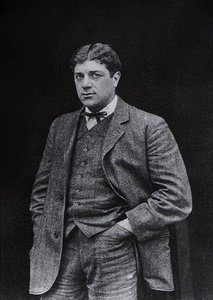
Georges Braque
1882 - 1963 , Franciaország
Rövid információk
- Artistic Movement Or Style:
- Fauvizmus
- Kubizmus
- Analitikus kubizmus
- Szintetikus kubizmus
- Artists Or Movements Influenced By This Artist: ['Modern művészet']
- Artists Who Influenced This Artist:
- Henri Matisse
- André Derain
- Paul Cézanne
- Date Of Birth: 1882
- Date Of Death: 1963
- Full Name: Georges Braque
- Nationality: Francia
- Notable Artworks:
- Houses at L'Estaque
- The Patience
- Violin and Palette
- Mandola
- Place Of Birth: Argenteuil, Franciaország
Kapcsolódó cikkek

Georges Seurat 25 Mesterműve: A Pontillizmus Zsenialitása – OriginalUniqueArt.com
Fedezze fel Georges Seurat 25 legikonikusabb művét! Ismerje meg a pontillizmus zsenialitását, az impresszionizmus forradalmát és a színek lenyűgöző játékát. Prémium minőségű reprodukciók és inspiráló otthoni dekorációk a OriginalUniqueArt.com-on. Fedezze fel a teljes gyűjteményt online!

Cubist Still Life: Redefining Reality Through Fragmented Forms and Geometric Abstraction
Explore the profound evolution of Cubist still life, from Cézanne's structural foundations to the fragmented brilliance of Braque and Léger. Discover how geometric abstraction redefined reality through a sophisticated lens of form, color, and modern artistic mastery.
Deconstructing Reality: A Comprehensive Exploration of Cubist Still Life
Explore the revolutionary world of Cubist Still Life with OriginalUniqueArt. Discover Picasso & Braque's groundbreaking techniques, its philosophical roots, and lasting impact on modern art. Expert insights for collectors.

Georges Braque Mesterek: A 25 Leglenyűgözőbb Kép, Ami Megváltoztatta a Modern Festészetet
Fedezze fel Georges Braque 25 legikonikusabb műalkotását! Ismerje meg a kubizmus történetét, Picasso hatását és a francia művész lenyűgöző festményeit. Múzeumi minőségű reprodukciók és inspiráló dekorációs ötletek a OriginalUniqueArt.com-on.

Fragmented Reality: A Guide to the Power and Perspective of Cubist Still Life Art
Explore the profound depth of Cubist still life art. Our expert guide delves into the revolutionary techniques of Picasso and Braque, offering art enthusiasts a deep understanding of fragmented reality, geometric form, and the enduring power of Cubism in fine art.


