
 Megtekintés
 Küldés
 Megosztás
 Részletek

 Letöltés
 Hasonló darabok
 X-ray felvétel
 Diavetítés
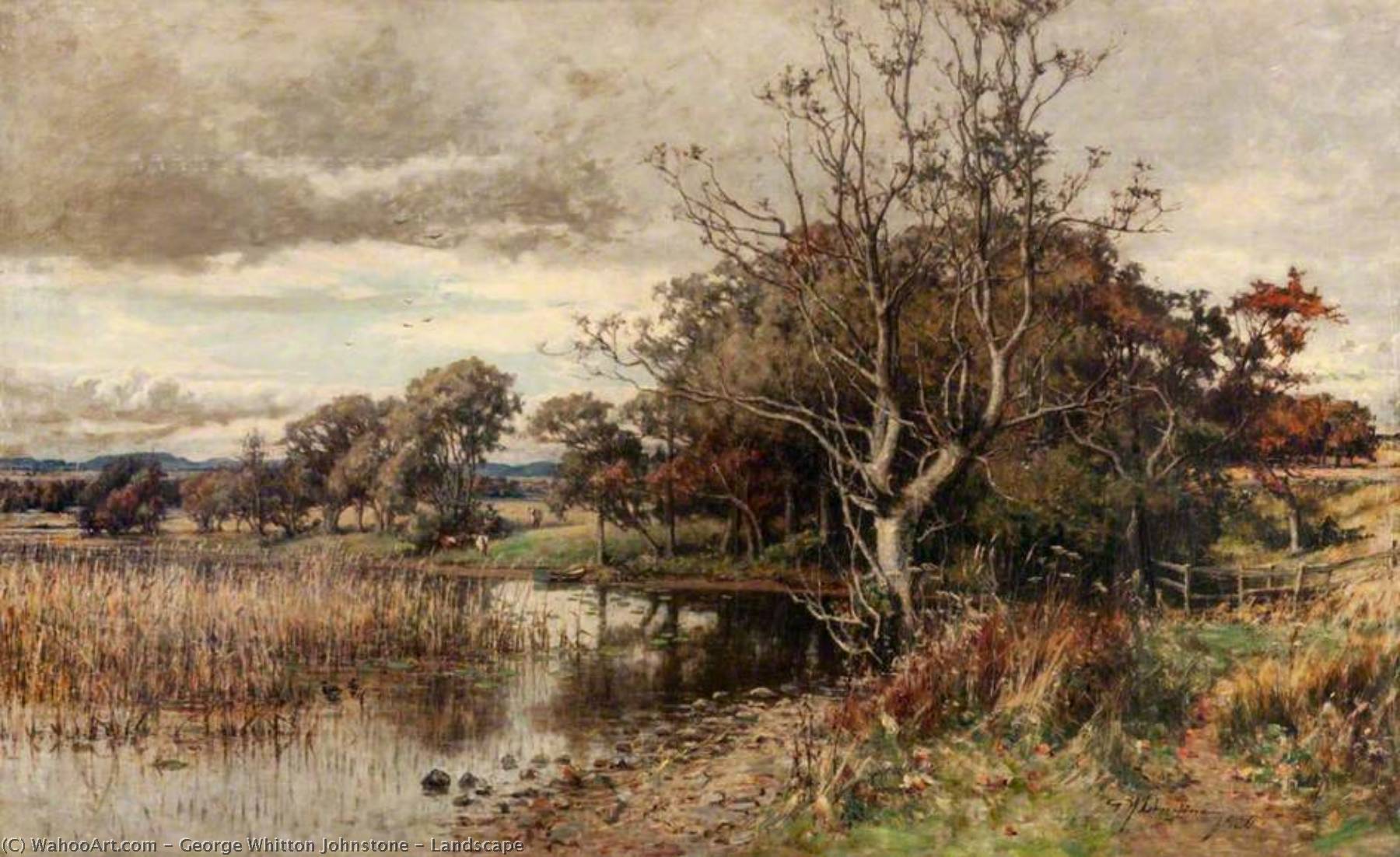
Landscape
 1880
1880 78.0 x 127.0 cm
 Összes részlet megjelenítése
Vásároljon nagy felbontású, javított digitális képet, amely minőségében messze felülmúlja az online előnézetet.
Minden fájlt szakembereink a legmodernebb eszközök és precíz, kézi retusálás segítségével készítenek el aprólékosan. Gondoskodunk arról, hogy minden kép kivételes tisztasággal, pontos színhelyességgel és részletgazdag finomsággal rendelkezzen.
A végleges fájl 72 órán belül e-mailben megérkezik, professzionális, szerkesztői és nyomtatási környezetbe optimalizálva az azonnali használathoz. Ez ugyanaz a minőség, amelyben a legmeghatározóbb tervezőstúdiók, kiadók és galériák is megbízhatnak.
Digitális kép
Töltsön le nagy felbontású fájlt személyes kiállításokhoz, nyomtatáshoz és kreatív projektekhez. ( Nyomat rendelése Kézzel festett másolat rendelése)
Minden digitális kép rendeléséhez tartozó extrák
Szakértői digitális kézbesítés, garantáltan
Amikor a OriginalUniqueArt.com szolgáltatást választja, nem csupán egy képet kap – professzionálisan felmagasított digitális műalkotást kap, amely precizitással készült, és amelyet megelégsedési gwarancia tesz biztoslássá. Az alábbiakban automatikusan minden benne 】

Gyors e-mail teslimítés
A nagy felbontású digitális képmásolatát a megrendelést követő 72 órán belül e-mailben elküldjük Önnek – azonnal használható formátumban.

MI-alapú digitális fejlesztésű fájl
Műve professzionális módon kerül optimalizálásra fejlett mesterséges intelligencia eszközök és manuális szerkesztés segítségével, biztosítva a maximális részletességet, tisztaságot és színpontosságot.

Örök életű ingyenes újradelivery
Véletlenül törölted vagy elvesztetted a fájlodat? Ne aggódj – bármikor ingyen újra megküldjük neked.

Nincs importköltség – soha
Élvezze műalkotásait azonnal, vám, illeték vagy szállítási költség nélkül – a digitális letöltések mindig adamentesek.

Színpontosság garantálása
Professzionális eszközök és színkezelés segítségével garantáljuk, hogy digitális képe a lehető legpontosabban tükrözze az eredeti színeket.

60 napos elégedettségi garancia
Ha nemມີ elégedett a digitális képpel, 60 napon belül átmunkáljuk azt, vagy 100% visszatérítjük az amountot – kérdés nélkül.

100% Pénzvisszatérítési garancia
Nem érheted el a teljes elégedettséget? 60 napon belül teljes visszatérítést kapsz a digitális fájlod megérkezése után – kérdés nélkül.

Tömegrendelési kedvezmények
Vásároljon 3 képet, spóroljon 10%-et - Vásároljon 5-öt, spóroljon 15%-et - Vásároljon 10+ képet, spóroljon 20%-at. Kiváló kreatív projektekhez, galériákhoz és ügynökségekhez.
A művész életrajza
George Whitton Johnstone: A Highland Visionary
Born in Glamis, Forfarshire, in 1849, George Whitton Johnstone’s life was inextricably linked to the rugged beauty of Scotland's Highlands. His early years as a cabinetmaker provided a grounding in craftsmanship, but it was his innate artistic talent that ultimately defined him. Johnstone’s journey into art began with an appreciation for genre scenes and portraits, yet he swiftly gravitated towards the evocative landscapes that dominated the Scottish countryside – particularly the dramatic vistas of Eskdale and Annandale. He enrolled at the Royal Scottish Academy's Life School in Edinburgh, a pivotal step that immersed him in the artistic traditions of his nation while simultaneously allowing him to forge his own distinctive style.
Johnstone’s artistic development was profoundly influenced by the Barbizon school of painting, spearheaded by artists like Jean-Baptiste-Camille Corot. This movement championed a direct and unidealized approach to landscape, prioritizing observation and capturing the essence of nature rather than imposing preconceived notions of beauty. Corot's emphasis on atmospheric effects – the subtle shifts in light and color that define a Highland scene – resonated deeply with Johnstone’s sensibilities. He meticulously studied Corot’s techniques, learning to render the interplay of light and shadow, the textures of rock and heather, and the vastness of the Scottish sky.
Early Exhibitions and Academic Recognition
Johnstone's artistic career gained momentum through consistent participation in the Royal Scottish Academy’s annual exhibitions. Beginning in 1872, his works steadily appeared alongside those of Scotland’s leading artists, establishing him as a respected figure within the art community. His early landscapes – “On the Kerbit” and “Old Cottage near Brechin” – demonstrated a burgeoning skill in capturing the atmosphere and character of the Scottish Highlands. These paintings showcased his ability to translate the rugged terrain into compelling visual narratives.
Recognition for Johnstone’s talent came swiftly. In 1883, he was elected an Associate of the Royal Scottish Academy (ARSA), a significant milestone that acknowledged his artistic merit and established him as a recognized professional artist. Further solidifying his position, he received full membership in 1895, cementing his place among the most esteemed members of the Academy. He also exhibited at the British Royal Academy from 1885 to 1892, broadening his exposure and further refining his artistic practice.
The Highland Landscapes: A Reflection of Identity
Johnstone’s oeuvre is overwhelmingly defined by his depictions of the Scottish Highlands. He wasn't merely recording landscapes; he was conveying a deep sense of connection to the land – a feeling that resonated with the national identity of Scotland at the time. His paintings capture the dramatic light, the ever-changing weather, and the stark beauty of the region. The rugged mountains, the shimmering lochs, and the vast expanse of moorland became recurring motifs in his work.
Notable works such as “Where the Burnie Runs into the Sea” (1895), a captivating depiction of a Highland stream merging with the ocean, exemplify Johnstone’s ability to imbue his landscapes with narrative depth. Similarly, "Dunlappy Ford, Edzell" and "Lake of Menteith" showcase his mastery of capturing atmospheric conditions and conveying a sense of solitude and contemplation. These paintings are not simply representations of scenery; they are windows into the soul of the Highlands.
Legacy and Influence
George Whitton Johnstone died in Edinburgh in 1901, leaving behind a substantial body of work that continues to be admired for its evocative beauty and skillful execution. His influence can be seen in the works of subsequent Scottish landscape artists who followed in his footsteps, embracing his commitment to direct observation and capturing the essence of the Highland environment. His legacy extends beyond his individual paintings; he helped shape the visual representation of Scotland’s iconic landscapes, contributing significantly to the nation's artistic heritage.
Johnstone’s work is now held in several prominent collections, including the Smith Art Gallery and Museum in Stirling, a testament to its enduring appeal. His distinctive style – characterized by a masterful use of light, color, and texture – continues to captivate viewers and evoke a profound sense of connection to the wild beauty of Scotland.

Érdekességek
- Artistic Movement Or Style: Landscape painting
- Artists Or Movements Influenced By This Artist: ['Royal Scottish Academy']
- Artists Who Influenced This Artist: ['Jean-Baptiste-Camille Corot']
- Date Of Birth: May 3, 1849
- Date Of Death: February 22, 1901
- Full Name: George Whitton Johnstone
- Nationality: Scottish
- Notable Artworks:
- Where the Burnie runs into the Sea
- Dunlappy Ford, Edzell
- The Lake of Menteith
- Place Of Birth: Glamis, Forfarshire

