
 Megtekintés
 Küldés
 Megosztás
 Részletek
 Útmutató

 Letöltés
 Hasonló darabok
 X-ray felvétel
 Diavetítés
 Kérdések és válaszok
 Statisztika
Monhegan Island


 Összes részlet megjelenítése
Giclée / Műnyomat
Múzeumi minőségű giclée vagy vászonnyomat, gyors gyártással és rugalmas finomítási lehetőségekkel. ( Kézzel festett másolat rendelése Áttérés digitális képre)




P118B Ft10

P118H Ft10

P118W Ft10

P438Z Ft10

P508JH Ft12

P508YH Ft12

P805H Ft10

P805Z Ft10

P919BZ Ft10

P919G Ft10

P919XJ Ft10

P959ZH Ft10

P968JZ Ft12

W106C Ft8

W218G Ft10

W218JH Ft8

W218Y Ft10

W307PJ Ft10

W316G Ft10

W316PJ Ft8

W316Y Ft10

W398PJ Ft8

W4111J Ft10

W500HY Ft15

W500JH Ft15

W692G Ft12

W849H Ft8

W940BG Ft15

W953PJ Ft8




Válasszon előre meghatározott méreteink közül, amelyek megfelelnek a műalkotás eredeti arányainak.

Írja be a keretének vagy a falának megfelelő szélességet és magasságot. A nyomatot csak le lehet vágni, soha nem tehető nagyobbá, mint az eredeti kép, így egy eltérő alakú méretnél a kép egy része elveszik. Mielőtt bármit kinyatintanánk, küldünk egy digitális próbamodellt jóváhagyásra. Az oldalon látható kép nem tartalmazza a valós levágást — ezt csak a próbamodell mutatja meg.
Világszerte történő kiszállítás területére mindössze 2 hét alatt, a szokásos 4-5 hét helyett. (3 november)

Ingyenes globális expressz szállítás

Prémium minőségű len vászon

Teljes körű szállítási biztosítás

Vámvisszatérítési Garancia

Hiteles színarányosság garancia

100 napos visszaküldési lehetőség (csak hibás termékek esetén)

100% pénzvisszatérítési garancia

Több darab vásárlásakor kedvezmény
 Az üvegkeretes opció csak 110 cm alatti méretben érhető el

Monhegan Island
Giclée / Műnyomat
Reprodukció mérete
-


Összesített ár
Ft 26538
A Storm’s Embrace: Bellows' Monhegan Island
George Wesley Bellows’ “Monhegan Island,” painted in 1913, isn’t merely a depiction of a coastal scene; it’s a visceral embodiment of the raw energy and untamed spirit of early 20th-century America. This evocative work captures a dramatic seascape – a churning ocean relentlessly assaulting jagged, red-streaked rocks – yet within this turbulent exterior lies a profound sense of quiet observation and understated power. Bellows, a key figure in the Ashcan School movement, eschewed idealized landscapes for the gritty realities of urban life, but his ability to translate that sensibility to the natural world is strikingly evident here. The painting’s strength resides not just in its technical mastery, but in its capacity to evoke a deeply felt connection to the elemental forces of nature and the human experience within them.The Painter's Hand: Technique and Style
Bellows employed a distinctive technique characterized by bold brushstrokes and a vibrant, almost frenetic energy. The paint is applied with thick impasto in areas like the crashing waves and the textured rocks, creating a palpable sense of movement and volume. Notice how he uses short, choppy strokes to convey the relentless motion of the water, contrasted with broader, more fluid marks for the sky and distant coastline. This dynamic approach reflects Bellows’ interest in capturing not just what *looked* like a seascape, but also *how* it felt – the power, the chaos, and ultimately, the sublime beauty of the ocean's embrace. The color palette is dominated by cool blues and greens, punctuated by flashes of fiery orange and red within the rocks, creating a dramatic interplay of light and shadow that intensifies the scene’s emotional impact. The composition itself is carefully constructed, drawing the eye towards the tumultuous center while maintaining a sense of balance and perspective.Monhegan: A Haven for Artists
To fully appreciate “Monhegan Island,” it's crucial to understand its historical context. In 1913, Monhegan Island off the coast of Maine was experiencing a remarkable artistic renaissance. Drawn by the island’s dramatic landscape and isolation, artists like Rockwell Kent, Edward Hopper, and, of course, Bellows, flocked to its shores seeking inspiration. This period saw Monhegan transform into a vibrant community of painters, writers, and naturalists, fostering an atmosphere of creative exchange and experimentation. The island's rugged beauty, combined with the relative seclusion from the pressures of urban life, provided a unique environment for artists to explore their ideas and develop their individual styles. Bellows’ painting is therefore not just a personal statement; it’s also a reflection of this broader artistic movement and the transformative power of place.Symbolism and Emotional Resonance
Beyond its technical brilliance, “Monhegan Island” resonates with deeper symbolic meaning. The turbulent sea can be interpreted as representing the challenges and uncertainties of life, while the steadfast rocks symbolize resilience and endurance. The interplay between light and shadow suggests a constant struggle between hope and despair, beauty and destruction. The small boat in the distance hints at human presence within this vast, indifferent landscape – a reminder of our vulnerability and our connection to the natural world. Bellows masterfully captures not just a visual scene but also a complex emotional state, inviting viewers to contemplate their own relationship with nature, life, and the enduring power of the human spirit. The painting’s raw energy and dramatic intensity evoke a sense of awe and wonder, prompting us to consider the sublime beauty that can be found even in the face of chaos.Reproductions and Display
High-quality reproductions of “Monhegan Island” capture much of the original's power, offering an accessible way to bring this iconic work into any setting. When displayed, consider framing options that complement the painting’s dramatic palette – a dark wood frame can enhance the sense of depth and intensity, while a lighter tone might allow the colors to shine through more vividly. This piece would be particularly striking in a coastal-themed room or an interior space seeking to evoke a feeling of rugged beauty and timelessness.Kérdések és válaszok
A „Monhegan Island”, George Wesley Bellows alkotása a művész honcountryjában található?
Nem – a műtárgy külföldön található. George Wesley Bellows születési országa Egyesült Államok, a „Monhegan Island” eredeti művét pedig Amerikai Egyesült Államok-ban tároló múzeum található.
Hogyan építhető be „Monhegan Island”, George Wesley Bellows alkotása a lakberendezésbe?
A(z) „Monhegan Island”, George Wesley Bellows alkotása esetében a(z) Reflective használatát és a(z) Living Room helyiségben való elhelyezést javasoljuk.
Hogyan szerezhető be „Monhegan Island”, George Wesley Bellows alkotása digitális fájlja?
A "Monhegan Island" elérhető magas felbontású digitális kép letöltése formátumban, amelyet közvetlenül a Digitális alkotás oldalon vásárolhat meg.
A művész életrajza
A Bold Vision of American Life: The World of George Bellows
George Wesley Bellows, a névszava, mely szinte azonnal összeköti az amerikai korai 20. századi élet dinamikus energiáját és modernitását. Születése 1882. augusztus 12-én vagy 19-én Columbusban, Ohióban, utazása a sportolói ígéretekből művészi hírnevekig egy kitartó szenvedély és becsületesség bizonyítéka. Már fiatalon, még a hivatalos tanulás előtt, George rendelkezett természetes tehetszéggel rajzolva, melynek jegyzetei árulkodtak az observant szemléd és a fejlődő készség belső világában. Szülei nemcsak művészetre összpontosítottak; kiválóan teljesítettek sportban is, baseballban és kosárlabdában járták be Ohio State Egyetemet – egy dualitás, mely mélyen befolyásolta művészi perspektíváját, belefogva a munkába vetett energiát és fizikai jelenlétet. Ez a sportos háttér nemcsak diszciplinát tanított, hanem az emberi test mozgását is értékelte, egy olyan témát teremtve, amely meghatározta legismertebb festményeinek központját. Egyetemről elhagyta a tanulást, vonzva őt New York City felé, és a művészi képzés ígérete iránt.Forgatás: Az Ashcan School és Ezt Követően
1904-ben érkezett New Yorkba, ahol Robert Henri, az Ashcan School vezető alakja mentora lett. Ez a művészeti csoport – John Sloan, William Glackens és George Luks között – elhatárolódott az akadémiai konvencióktól, ehelyett a városi élet durvaszájú valóságát ábrázolta: zsúfolt lakótelepeket, forrongó utcákat és munkások mindennapi küzdelmeit. Bellows lelkesen fogadta ezt az etoszot, eleinte Henri laza festészeti stílusának és a társadalmi realizmus elköteleződésének tükröződik. Azonban nem akart csupán tanárával szimpatizálni; egyeduralkodó művészi hangot szeretett volna kialakítani. 1906-ban nyitotta meg saját műhelyét Edward Keefe társaságában, ami a termékeny kísérletezés kezdetét jelentette. Korai munkái, például 1908-ban bemutatott képei, keverék reakciókat váltottak ki – néhány kritikus őket durván találta, míg mások felismerhették merész bátorságukat és innovációs szellemüket. Bellows témái gyakran vitatósak voltak az időben, kihívva a kor dönöttes nézeteit arról, hogy mit tekintenek művészi alkotásnak. Nem riett el a város durvasági aspektusainak ábrázolásától, a szegények, munkások és szabadidő-szórakozók életét hitelesen megörökítve.Az Élet Arénája: Boxozás és Városi Spekták
Bellows művészetének széles skáláján túl ő volt legismertebb a boxoló mérkőzések képviselőjeként. Ezek nem csupán sportesemények voltak számára; emberi dráma microcosmusai, amelyek harcot, kitartást és az emberi lélekben rejlő ösztönöket tükröznek. Rendszeresen járt a dohányos box klubokban, alaposan tanulva a birkózók mozgását, tekintetük intenzitását és a tömeg energiáját. Képei, mint *Both Members of This Club* (1909) és *Stag at Sharkey’s* (1909), mesteri módon ábrázolják ezt az atmoszférát, dramatikus világításokat, dinamikus kompozíciókat és a mozgás érzését használva. A boxoló jelenetek nem csupán a sportról szóltak; társadalmi darwinizmust tüköztek, ami az amerikai társadalomban uralkodott az időben. Számos más városi esemény inspirálta – ünnepségeket, cirkuszokat és zsúfolt utcákat – mindezek lehetőséget kínált a mozgás, energia és a közösségi tapasztalat témáinak kifejezésére.Evolució Stílusa és Öröksége
Bellows művészi karrierje során stílusa finoman, de jelentősen fejlődött. Bár elszánt maradt a korai évek laza festészeti stílusára, távozott a kompozíciók egyszerűbb vonásaitól, és egy stílusosabb esztétikát vett fel, melyben simább vonalak, monumentális formák és fokozott dráma szerepel. Ez a változás feltűnő a későbbi műveikben, mint például *Dempsey and Firpo* (1924), egy monumentális vászon, amely a legendás birkózók mérkőzésének csúcspontját lenyűgözően ábrázolja. Kísérletezett a litográfia terén is, ahol egyedülálló technikát alkalmazott, és számos vonzó nyomatot készített. Életét megelőző évben együttműködött a mester nyomtatón Bolton Brownnal, akik együtt alkottak több mint száz litographiát. Bellows halála 1925-ben, 42 éves korában, szövredült vastaggyulladás miatt történt.Fontosabb Művei és Elismerések
- *Both Members of This Club* (1909) – Egy kiemelkedő munka a box klubok atmoszférájának ábrázolásával.
- *Stag at Sharkey’s* (1909) – Egy másik ikonikus boxoló mérkőzés jelenete, melynek dramatikus világításai és kompozíciói kiemelkednek.
- *Men of the Docks* (1912) – Egy erőteljes ábrázolás munkások életéről, Bellows képességét mutatja be a fizikai megjelenés és textúra ábrázolásában.
- *The Germans Arrive* (1918) – Litográfia sorozatok, melyek az első világháború során elkövetett atrocitásokról szólnak, mutatók a művész társadalmi és politikai foglalkozásáról.
- *Dempsey and Firpo* (1924) – Egy monumentális vászon a legendás birkózók mérkőzésének csúcspontját ábrázolja.
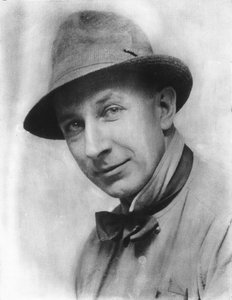
George Wesley Bellows
1882 - 1925 , Egyesült Államok
Rövid információk
- Artistic Movement Or Style: Ashcan School, Realizmus
- Artists Or Movements Influenced By This Artist: ['Modernista']
- Artists Who Influenced This Artist: ['Robert Henri']
- Date Of Birth: 1882. augusztus 12.
- Date Of Death: 1925. jan. 18.
- Full Name: George Wesley Bellows
- Nationality: Amerikai
- Notable Artworks:
- Both Members
- Stag Sharkey's
- Men Docks
- Place Of Birth: Columbus, USA
Kapcsolódó cikkek

Evoking Nature's Sublime: A Comprehensive Exploration of 19th-Century Landscape Painting
Explore the captivating world of 19th-century landscape painting! Discover renowned artists like Friedrich & Monet, key movements, and find the perfect artwork to bring nature's serenity into your home. Expert insights at OriginalUniqueArt.

Evocations of Place: A Historical Journey Through Landscape Art
Explore the rich history of landscape art with OriginalUniqueArt. Discover renowned artists, movements like Impressionism & tonalism, and expert guidance for collecting timeless pieces. Find your perfect serene escape today!

A Romantikus Tájképfestészet 10 Legikonikusabb Műalkotása – OriginalUniqueArt.com
Fedezze fel a romantikus tájképfestészet 10 legikonikusabb műalkotását! Caspar David Friedrich, J.M.W. Turner és más mesterek festményeinek története – inspiráló olajfestmények otthonába. OriginalUniqueArt.com: múzeumi minőségű reprodukciók és egyedi dekorációk online.

John Constable 25 Mesterműve: A Természet Lényege Vászonon – OriginalUniqueArt.com
Fedezze fel John Constable 25 legszebb művészeti alkotását! Ismerje meg a romantika ikonikus tájképeit, Dedham Vale szépségét és a természet lenyűgöző ábrázolásait. Vászonkép reprodukcióinkkal eleganciát csempészhet otthonába – OriginalUniqueArt.com

Evocations of Place: A Historical Journey Through Landscape Art
Explore the rich history of landscape art with OriginalUniqueArt. Discover renowned artists, movements like Impressionism & Romanticism, and expert guidance for collecting timeless pieces. Find your perfect serene escape today!
