
 Megtekintés
 Küldés
 Megosztás
 Részletek
 Útmutató

 Letöltés
 Hasonló darabok
 X-ray felvétel
 Diavetítés
 Statisztika
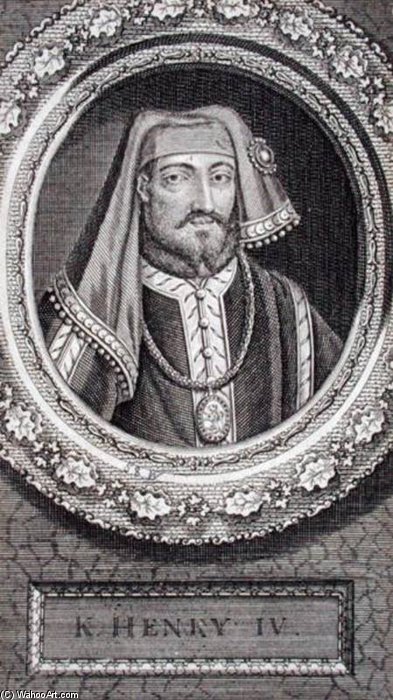
Henry Iv )

 Összes részlet megjelenítése
Vásároljon nagy felbontású, javított digitális képet, amely minőségében messze felülmúlja az online előnézetet.
Minden fájlt szakembereink a legmodernebb eszközök és precíz, kézi retusálás segítségével készítenek el aprólékosan. Gondoskodunk arról, hogy minden kép kivételes tisztasággal, pontos színhelyességgel és részletgazdag finomsággal rendelkezzen.
A végleges fájl 72 órán belül e-mailben megérkezik, professzionális, szerkesztői és nyomtatási környezetbe optimalizálva az azonnali használathoz. Ez ugyanaz a minőség, amelyben a legmeghatározóbb tervezőstúdiók, kiadók és galériák is megbízhatnak.
Digitális kép
Töltsön le nagy felbontású fájlt személyes kiállításokhoz, nyomtatáshoz és kreatív projektekhez. ( Váltás nyomtatványra Kézzel festett másolat rendelése)
Minden digitális kép rendeléséhez tartozó extrák
Szakértői digitális kézbesítés, garantáltan
Amikor a OriginalUniqueArt.com szolgáltatást választja, nem csupán egy képet kap – professzionálisan felmagasított digitális műalkotást kap, amely precizitással készült, és amelyet megelégsedési gwarancia tesz biztoslássá. Az alábbiakban automatikusan minden benne 】

Gyors e-mail teslimítés
A nagy felbontású digitális képmásolatát a megrendelést követő 72 órán belül e-mailben elküldjük Önnek – azonnal használható formátumban.

MI-alapú digitális fájljavítás
Műve professzionális módon kerül optimalizálásra fejlett mesterséges intelligencia eszközök és manuális szerkesztés segítségével, biztosítva a maximális részletességet, tisztaságot és színpontosságot.

Örök életű ingyenes újradelivery
Véletlenül törölted vagy elvesztetted a fájlodat? Ne aggódj – bármikor ingyen újra megküldjük neked.

Nincs importköltség – soha
Élvezze műalkotásait azonnal, vám, illeték vagy szállítási költség nélkül – a digitális letöltések mindig adamentesek.

Színpontosság garantálása
Professzionális eszközök és színkezelés segítségével garantáljuk, hogy digitális képe a lehető legpontosabban tükrözze az eredeti színeket.

100 napos elégedettségi garancia
Ha nemມີ elégedett a digitális képével, 100 napon belül felülvizsgáljuk vagy 100% visszatérítjük az amountot – kérdés बिना.

100% Pénzvisszatérítési garancia
Nem tetszett a vásárlás? 100 napon belül teljes visszatérítést garantálunk a digitális fájl megvételétől számítva – kérdés nélkül.

Tömegrendelési kedvezmények
Vásároljon 3 képet, spóroljon 10%-et - Vásároljon 5-öt, spóroljon 15%-et - Vásároljon 10+ képet, spóroljon 20%-at. Kiváló kreatív projektekhez, galériákhoz és ügynökségekhez.
Művész életrajza
George Vertue: The Chronicler of British Art
George Vertue (1684 – 1756) stands as a singular figure in the annals of English engraving and antiquarian scholarship, an artist whose meticulous observations and painstaking reproductions cemented his place as a pivotal contributor to the burgeoning aesthetic sensibilities of the Enlightenment. More than merely a craftsman adept at transferring images from canvas to plate, Vertue was a historian, a collector, and a fervent advocate for preserving Britain’s artistic heritage—a role that profoundly shaped our understanding of the era's visual culture. Born in London amidst the Catholic fervor of his family, Vertue’s early life instilled within him a deep appreciation for detail and accuracy – qualities that would become hallmarks of his artistic practice and intellectual pursuits. His apprenticeship under Michael Vandergucht, a German engraver whose fortunes swiftly declined, provided invaluable experience in mastering the technical skills required to produce exceptional prints. However, it was his association with Godfrey Kneller’s Academy of Painting—where he collaborated closely with Thomas Gibson—that truly nurtured his artistic vision and fostered connections within London's intellectual elite. Gibson’s influence extended beyond mere instruction; Vertue absorbed Gibson’s stylistic sensibilities, particularly his masterful handling of chiaroscuro and his ability to convey psychological depth in portraiture. This careful attention to light and shadow became a defining characteristic of Vertue’s oeuvre, mirroring Gibson’s own artistic approach. Vertue’s passion for antiquarian research transcended his professional duties as an engraver. Driven by a desire to document the artistic achievements of Britain's past—particularly those predating the Elizabethan Renaissance—he embarked on a systematic endeavor to compile comprehensive notebooks filled with sketches, drawings, and detailed descriptions of artworks. These notebooks constitute an unparalleled resource for historians studying British art during Vertue’s lifetime, offering invaluable insights into stylistic trends, patronage networks, and artistic tastes. His meticulous documentation of architectural sites and sculptures alike demonstrated his unwavering commitment to preserving tangible evidence of Britain's cultural heritage. He was a member of the Rose and Crown Club alongside William Hogarth, Peter Tillmans and other artists and connoisseurs, and kept some records of it. This social circle fostered intellectual exchange and contributed to Vertue’s understanding of artistic discourse during his time. Vertue’s contribution to British art history reached its zenith through his involvement in *Vetusta Monumenta*, a monumental project aimed at reconstructing Britain's artistic past. He undertook the daunting task of engraving numerous illustrations from classical texts and medieval manuscripts, ensuring their faithful reproduction for posterity. Recognizing the importance of visual representation as a tool for scholarly inquiry, Vertue meticulously executed each print with unwavering precision—a testament to his dedication to both artistry and scholarship. Following the death of Earl Harley, Vertue benefited from the patronage of Duchess Portland and Frederick, Prince of Wales—the latter commissioning portraits after Van Dyck and recognizing Vertue’s exceptional talent as an engraver. Notably, a portrait of Vertue himself was painted by Gibson in 1715, and his widow generously donated it to the Society of Antiquaries – demonstrating Vertue's enduring legacy within the artistic community. His engraving of Gibson’s portrait stands as a poignant reminder of their collaborative relationship and Gibson’s admiration for Vertue’s artistic prowess. George Vertue’s legacy extends far beyond his technical achievements; he is remembered primarily as a champion of British art history, whose meticulous notebooks continue to inspire scholars today. He played an instrumental role in shaping the aesthetic sensibilities of his time—particularly through his association with Horace Walpole and *Anecdotes of Painting*, establishing himself as one of the foremost figures in documenting and disseminating knowledge about Britain’s artistic heritage. His work remains a cornerstone of understanding the visual culture of the eighteenth century, securing his place among the most influential artists and historians of the era.
Vertue, George
1684 - 1756 , Egyesült Királyság
Érmeradatok
- Artistic Movement Or Style: Portrait engraving
- Artists Or Movements Influenced By This Artist: ['Horace Walpole']
- Artists Who Influenced This Artist:
- Michael Vandergucht
- Thomas Gibson
- Date Of Birth: 1684
- Full Name: George Vertue
- Nationality: English
- Notable Artworks:
- William Croft Engraving
- Ben Jonson Engraving
- Place Of Birth: London, United Kingdom