

 Megtekintés
 Küldés
 Megosztás
 Részletek
 Útmutató

 Letöltés
 Hasonló darabok
 X-ray felvétel
 Diavetítés
 Q&A
Q&A Statisztika
Whistlejacket
 Oil
Oil- WallArt
- Realism
 1762
1762- Early Modern
 325.0 x 259.0 cm
 Összes részlet megjelenítése
Giclée / Műnyomat
Múzeumi minőségű giclée vagy vászonnyomat, gyors gyártással és rugalmas finomítási lehetőségekkel. ( Kézzel festett másolat rendelése Áttérés digitális képre)




P118B Ft10

P118H Ft10

P118W Ft10

P438Z Ft10

P508JH Ft12

P508YH Ft12

P805H Ft10

P805Z Ft10

P919BZ Ft10

P919G Ft10

P919XJ Ft10

P959ZH Ft10

P968JZ Ft12

W106C Ft8

W218G Ft10

W218JH Ft8

W218Y Ft10

W307PJ Ft10

W316G Ft10

W316PJ Ft8

W316Y Ft10

W398PJ Ft8

W4111J Ft10

W500HY Ft15

W500JH Ft15

W692G Ft12

W849H Ft8

W940BG Ft15

W953PJ Ft8




Válasszon előre meghatározott méreteink közül, amelyek megfelelnek a műalkotás eredeti arányainak.

Írja be a keretének vagy a falának megfelelő szélességet és magasságot. A nyomatot csak le lehet vágni, soha nem tehető nagyobbá, mint az eredeti kép, így egy eltérő alakú méretnél a kép egy része elveszik. Mielőtt bármit kinyatintanánk, küldünk egy digitális próbamodellt jóváhagyásra. Az oldalon látható kép nem tartalmazza a valós levágást — ezt csak a próbamodell mutatja meg.
Világszerte történő kiszállítás területére mindössze 2 hét alatt, a szokásos 4-5 hét helyett. (30 október)

Ingyenes globális expressz szállítás

Prémium minőségű len vászon

Teljes körű szállítási biztosítás

Vámvisszatérítési Garancia

Hiteles színarányosság garancia

100 napos visszaküldési lehetőség (csak hibás termékek esetén)

100% pénzvisszatérítési garancia

Több darab vásárlásakor kedvezmény
 Az üvegkeretes opció csak 110 cm alatti méretben érhető el

Whistlejacket
Giclée / Műnyomat
Reprodukció mérete
-


Összesített ár
Ft 26157
The Spirit of Motion: A Masterpiece of Equine Anatomy
In the grand tradition of British sporting art, few works command the room with as much raw vitality and anatomical precision as George Stubbs’s Whistlejacket. Painted in 1762, this monumental canvas transcends the boundaries of a mere portrait, offering instead a breathtaking study of power, grace, and kinetic energy. The subject, a magnificent bay Thoroughbred, is captured in a moment of suspended animation, galloping across a space that feels both intimate and infinite. With its muscular frame rippling under a sleek coat and a white blaze cutting through the rich brown tones of its face, the horse emerges from the canvas with a lifelike presence that has captivated viewers for over two and a half centuries.
Stubbs’s technique is nothing short of revolutionary. Eschewing the traditional pastoral backgrounds of his contemporaries, he places Whistlejacket against a minimalist, patterned backdrop that serves to push the subject forward, creating an almost three-dimensional effect. This stylistic choice directs the eye entirely toward the horse's form, highlighting the subtle play of light on its musculature and the rhythmic flow of its mane and tail. The artist’s deep understanding of anatomy—honed through his rigorous and often controversial studies of equine dissection—allows him to render every tendon and sinew with scientific accuracy, yet he imbues the work with a poetic soul that prevents it from feeling like a mere medical diagram.
A Legacy of Elegance for the Discerning Collector
For the art enthusiast or interior designer, Whistlejacket represents more than just historical significance; it is a cornerstone of classical elegance. The painting’s scale and dramatic composition make it an ideal focal point for sophisticated spaces, such as grand foyers, private libraries, or stately dining rooms. Its color palette, dominated by warm earth tones and rich ochres, provides a sense of timelessness that complements both traditional period decor and contemporary minimalist interiors. The sheer scale of the original work—measuring an imposing 325 x 259 cm—is echoed in the profound emotional impact it delivers, evoking feelings of strength, nobility, and the untamed beauty of nature.
Owning a high-quality reproduction of this masterpiece allows one to invite the prestige of the 18th-century English sporting tradition into a modern home. Whether you are drawn to the historical narrative of George Stubbs’s anatomical genius or the sheer aesthetic splendor of the Thoroughbred in motion, this piece serves as an enduring symbol of excellence. It is an investment in atmosphere, providing a window into an era where art and science converged to celebrate the magnificent spirit of the animal kingdom.
Kérdések és válaszok
Hol találhatok olyan műalkotásokat, amelyek hasonlóak a(z) „Whistlejacket”, George Stubbs alkotása alkotáshoz?
A "Whistlejacket" alkotással hasonló művek a festmény Hasonló alkotások oldalán találhatók.
„Whistlejacket”, George Stubbs alkotása színei élénkek vagy fakók?
A „Whistlejacket”, George Stubbs alkotása színei Clear Color Presence telítettséget és Vivid intenzitást mutatnak be.
Mennyire fényes „Whistlejacket”, George Stubbs alkotása?
A „Whistlejacket”, George Stubbs alkotása fényerőségi értéke Gentle Luminance.
A művész életrajza
korai élet és képzés
George Stubbs, a híres angol festő, 1724. augusztus 25-én született Liverpoolben, Egyesült Királyságban. Korai évei viszonylag kevés feljegyzést hagytak maguk után 35 éves koráig; a legtöbb információ Ozias Humphry emlékeiből származik, melyek 1794-es beszélgetéseken alapulnak Stubbsal. A művész utazása 15 éves korában kezdődött, kezdetben apja mellett dolgozott, aki bőrműves volt. Később Hamlet Winstanley, egy lancashire-i festő és metsző tanítása alatt töltött rövid ideig lärült, amely időszak lehetővé tette számára, hogy tanulmányozza a knowsley halli gyűjteményt.művészeti fejlődés és meghatározó alkotások
Stubbs anatómia iránti szenvedélye arra késztette, hogy 1744-ben Yorkba költözhetjen, ahol Charles Atkinson sebész mellett tanulott a york county hospital kórházban. Első megmaradt művei közé tartozik egy sor illusztráció John Burton 1751-ben megjelent szülészészeti tankönyvéhez. 1756-ban Stubbs egy lincolnshire-i farmházat bért ki, és 18 hónapon át töltötte lovak boncolgatásával, amelyet élettársa, Mary Spencer segített. Ez a folyamat vezetett a the anatomy of the horse (A ló anatómiaja) című mű 1766-os kiadásához, amely eredeti rajzai ma már a royal academy gyűjteményében kapott helyet. Stubbs munkásságát hamar felismerték a kortárs arisztokratikus megbízók, köztük Richmond 3. hercege is, aki 1759-ben három hatalmas festést rendelt meg tőle. Ez jelezte sikeres pályafutása kezdetét, számos herceggel és lorddal dolgozott együtt, aminek csúcspontja egy londoni marylebone-i ház megvásárlása volt.örökség és jelentős festmények
Stubbs leghíresebb alkotása, a Whistlejacket – egy ugró lovat ábrázoló festmény, amelyet Rockingham 2. markesa megbízta – ma már a londoni national gallery-ban található. Ez és két másik, szintén Rockingham számára készült festmény megtöri a hagyományos elvárásokat az egyszerű háttér használatával.- A Whistlejacket, egy tisztán származású lovas, amely hátsó lábain áll, bemutatja Stubbs megingathatatlanságát a lovak lényének megörökítésében.
- Stubbs sorozatában egy oroszlán egy lovat támad, ami a romantikus mozgalom korai példái közé tartozik, demonstrálva hatását a 18. századi művészetre.
- tekintse meg Stubbs műveit itt: https://OriginalUniqueArt.com/@/george_stubbs
- fedezze fel a londoni national gallery gyűjteményét, amelyben Stubbs kiemelkedő alkotásai is megtalálhatóak: /hu/art/show/art-8xyffg-hu/
- tudjon meg többet Stubbs életéről és munkásságáról a wikipédián: https://en.wikipedia.org/wiki/george_stubbs
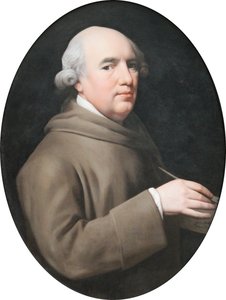
George Stubbs
1724 - 1806 , Egyesült Királyföld
Rövid információk
- Artistic Movement Or Style: Romantika, Lovak művészete
- Artists Or Movements Influenced By This Artist: ['Joshua Reynolds']
- Artists Who Influenced This Artist: ['Hamlet Winstanley']
- Date Of Birth: Augusztus 25, 1724
- Date Of Death: 1806. Július 10.
- Full Name: George Stubbs
- Nationality: Angol
- Notable Artworks:
- Whistlejacket
- Lovag és szörny
- A lovat támadó óriás
- Place Of Birth: Liverpool, Anglia
Kapcsolódó cikkek
The Noble Steed: A Historical and Artistic Exploration of Horses in Fine Art
Explore the rich history of horses in fine art! From ancient depictions to Renaissance masterpieces & beyond, discover iconic artworks and artists. Learn about symbolism, techniques, and find museum-quality reproductions at OriginalUniqueArt.

Georges Braque Mesterek: A 25 Leglenyűgözőbb Kép, Ami Megváltoztatta a Modern Festészetet
Fedezze fel Georges Braque 25 legikonikusabb műalkotását! Ismerje meg a kubizmus történetét, Picasso hatását és a francia művész lenyűgöző festményeit. Múzeumi minőségű reprodukciók és inspiráló dekorációs ötletek a OriginalUniqueArt.com-on.
George Stubbs: Anatomical Precision & Romantic Vision in 18th-Century British Art
Explore the captivating world of George Stubbs, the 18th-century master renowned for his anatomical precision & Romantic animal paintings. Discover his legacy and investment potential.

A Fehér Szín Mesterei: 10 Híres Festmény, Amelyek Elvarázsolnak – OriginalUniqueArt.com
Fedezze fel a 10 legikonikusabb fehér tónusú festményt! Monet, Van Gogh és más mesterek alkotásainak története. Vászonképek, reprodukciók – inspiráció otthonába. OriginalUniqueArt.com: minőségi művészet online.

Georges Seurat 25 Mesterműve: A Pontillizmus Zsenialitása – OriginalUniqueArt.com
Fedezze fel Georges Seurat 25 legikonikusabb művét! Ismerje meg a pontillizmus zsenialitását, az impresszionizmus forradalmát és a színek lenyűgöző játékát. Prémium minőségű reprodukciók és inspiráló otthoni dekorációk a OriginalUniqueArt.com-on. Fedezze fel a teljes gyűjteményt online!


