

 Megtekintés
 Küldés
 Megosztás
 Részletek
 Útmutató

 Letöltés
 Hasonló darabok
 X-ray felvétel
 Diavetítés
 Statisztika
Tiger


 Összes részlet megjelenítése
Kézzel készített olajfestmény reprodukció
Kézzel festett olajvastú vászon, az Ön által választott méretben és keretben, művészeink készítik meglévőre. ( Váltás nyomtatványra Áttérés digitális képre)




P118B Ft10

P118H Ft10

P118W Ft10

P438Z Ft10

P508JH Ft12

P508YH Ft12

P805H Ft10

P805Z Ft10

P919BZ Ft10

P919G Ft10

P919XJ Ft10

P959ZH Ft10

P968JZ Ft12

W106C Ft8

W218G Ft10

W218JH Ft8

W218Y Ft10

W307PJ Ft10

W316G Ft10

W316PJ Ft8

W316Y Ft10

W398PJ Ft8

W4111J Ft10

W500HY Ft15

W500JH Ft15

W692G Ft12

W849H Ft8

W940BG Ft15

W953PJ Ft8




Válasszon előre meghatározott méreteink közül, amelyek megfelelnek a műalkotás eredeti arányainak.

Írja be a kívánt szélességet és magasságot, hogy illeszkedjen a keretéhez vagy a falához. Mivel ez kézzel festett alkotás, egy eltérő formájú méret esetén a művész akár festhet is valamivel többet a kép körül, vagy korolathat is belőle — az Ön döntésének megfelelően. A festés megkezdése előtt küldünk egy digitális tervezetet jóváhagyásra. Az oldalon látható kép nem tartalmazza a végeredményt — csak a tervezet mutatja meg a valódi eredményt.
A rendelést követően a OriginalUniqueArt.com csapata e-mailt küld az ügyfélnek az instrukciókért, és biztosít egy előnézeti képet (mockup).
Világszerte elérhető szállítás () 3-4 hét alatt a szokásos 5 hét helyett. (27 október). A minőség nem kérdőjelezhető.

Ingyenes globális expressz szállítás

Prémium minőségű len vászon

Teljes körű szállítási biztosítás

Vámvisszatérítési Garancia

Hiteles színarányosság garancia

100 napos visszaküldési lehetőség (csak hibás termékek esetén)

100% pénzvisszatérítési garancia

Több darab vásárlásakor kedvezmény
 Az üvegkeretes opció csak 110 cm alatti méretben érhető el

Tiger
Reprodukciós technika
Reprodukció mérete
-


Összesített ár
Ft 96851
The Majesty of the Hunt: George Stubbs’s ‘Tiger’
George Stubbs’s “Tiger,” painted in 1771, isn’t merely a depiction of an animal; it's a visceral exploration of power, instinct, and the sublime. This oil painting, now housed within the collections of Google Arts & Culture, immediately commands attention with its dramatic composition and masterful use of light and shadow. The scene unfolds within a shadowy forest, a carefully constructed stage for the tiger’s predatory grace – a creature rendered with an almost unsettling realism that transcends simple representation.
Stubbs, a revolutionary figure in 18th-century art, wasn't content to simply paint what he saw. He was driven by a deep fascination with anatomy and a desire to capture the essence of his subjects – particularly animals – with unparalleled accuracy. His meticulous study of horse musculature informed his approach to painting tigers, resulting in a portrayal that feels both scientifically precise and emotionally charged. The painting’s genesis is linked to Lord Clive, Governor of Bengal, who presented a tiger to the 4th Duke of Marlborough as a gift, prompting Stubbs to create this iconic image.
A Study in Texture and Technique
The painting's impact begins with its texture. Stubbs employed an impasto technique – applying thick layers of paint directly to the canvas – creating a surface that is remarkably tactile. You can almost feel the coarse fur of the tiger, the rough bark of the rocks beneath it, and the damp earth of the forest floor. This deliberate roughness isn’t merely decorative; it contributes significantly to the painting's sense of immediacy and physicality. The brushstrokes themselves are visible, a testament to Stubbs’s painstaking attention to detail and his commitment to capturing the nuances of form.
Furthermore, Stubbs masterfully manipulated light and shadow to create a dramatic atmosphere. The tiger is bathed in a cool, diffused light that highlights its muscular physique and intense gaze. The surrounding forest is plunged into deep shadows, suggesting both danger and mystery. This chiaroscuro effect – the strong contrast between light and dark – not only adds depth to the composition but also evokes a sense of primal tension.
Symbolism and Context
Beyond its technical brilliance, “Tiger” is rich in symbolic meaning. The tiger itself has long been associated with strength, courage, and ferocity—qualities often linked to royalty and power. The setting within the shadowy forest can be interpreted as a metaphor for the unknown, the dangers of the wild, or even the darker aspects of human nature. Considering that this painting was commissioned by a governor of Bengal, it’s not surprising that the tiger embodies colonial ambition and the perceived savagery of the “uncivilized” East.
The historical context is equally important. Stubbs' work emerged during a period of significant change in Europe, marked by the rise of Romanticism – an artistic movement that emphasized emotion, imagination, and the beauty of nature. "Tiger" aligns with these Romantic ideals through its dramatic composition, intense emotionality, and focus on the power of the natural world. It’s a painting that invites contemplation, prompting viewers to consider not only the tiger's predatory instincts but also the broader themes of human ambition, the relationship between humanity and nature, and the allure of the unknown.
A Timeless Masterpiece
“Tiger” remains a compelling work of art centuries after its creation. Its dramatic intensity, technical virtuosity, and rich symbolism continue to captivate audiences today. Whether viewed as a study in animal anatomy, a reflection on colonial power dynamics, or simply a stunning example of 18th-century artistry, George Stubbs’s “Tiger” stands as a testament to the enduring power of art to evoke emotion, stimulate thought, and transport us to another time and place.
Kérdések és válaszok
Hol vásárolhatom meg „Tiger”, George Stubbs alkotása digitális képét?
A "Tiger" elérhető magas felbontású digitális kép letöltése formátumban, amelyet közvetlenül a Digitális alkotás oldalon vásárolhat meg.
Milyen domináns alapszín jellemzi „Tiger”, George Stubbs alkotása alkotást?
A Golden Yellow Range árnyalat áthatárolja a „Tiger”, George Stubbs alkotása alkotást.
Hogyan tölthetem le a(z) „Tiger”, George Stubbs alkotása képét?
A „Tiger”, George Stubbs alkotása letölthető a mű Letöltés oldaláról, magas felbontású digitális kép letöltése formátumban.
A művész életrajza
korai élet és képzés
George Stubbs, a híres angol festő, 1724. augusztus 25-én született Liverpoolben, Egyesült Királyságban. Korai évei viszonylag kevés feljegyzést hagytak maguk után 35 éves koráig; a legtöbb információ Ozias Humphry emlékeiből származik, melyek 1794-es beszélgetéseken alapulnak Stubbsal. A művész utazása 15 éves korában kezdődött, kezdetben apja mellett dolgozott, aki bőrműves volt. Később Hamlet Winstanley, egy lancashire-i festő és metsző tanítása alatt töltött rövid ideig lärült, amely időszak lehetővé tette számára, hogy tanulmányozza a knowsley halli gyűjteményt.művészeti fejlődés és meghatározó alkotások
Stubbs anatómia iránti szenvedélye arra késztette, hogy 1744-ben Yorkba költözhetjen, ahol Charles Atkinson sebész mellett tanulott a york county hospital kórházban. Első megmaradt művei közé tartozik egy sor illusztráció John Burton 1751-ben megjelent szülészészeti tankönyvéhez. 1756-ban Stubbs egy lincolnshire-i farmházat bért ki, és 18 hónapon át töltötte lovak boncolgatásával, amelyet élettársa, Mary Spencer segített. Ez a folyamat vezetett a the anatomy of the horse (A ló anatómiaja) című mű 1766-os kiadásához, amely eredeti rajzai ma már a royal academy gyűjteményében kapott helyet. Stubbs munkásságát hamar felismerték a kortárs arisztokratikus megbízók, köztük Richmond 3. hercege is, aki 1759-ben három hatalmas festést rendelt meg tőle. Ez jelezte sikeres pályafutása kezdetét, számos herceggel és lorddal dolgozott együtt, aminek csúcspontja egy londoni marylebone-i ház megvásárlása volt.örökség és jelentős festmények
Stubbs leghíresebb alkotása, a Whistlejacket – egy ugró lovat ábrázoló festmény, amelyet Rockingham 2. markesa megbízta – ma már a londoni national gallery-ban található. Ez és két másik, szintén Rockingham számára készült festmény megtöri a hagyományos elvárásokat az egyszerű háttér használatával.- A Whistlejacket, egy tisztán származású lovas, amely hátsó lábain áll, bemutatja Stubbs megingathatatlanságát a lovak lényének megörökítésében.
- Stubbs sorozatában egy oroszlán egy lovat támad, ami a romantikus mozgalom korai példái közé tartozik, demonstrálva hatását a 18. századi művészetre.
- tekintse meg Stubbs műveit itt: https://OriginalUniqueArt.com/@/george_stubbs
- fedezze fel a londoni national gallery gyűjteményét, amelyben Stubbs kiemelkedő alkotásai is megtalálhatóak: /hu/art/show/art-8xyffg-hu/
- tudjon meg többet Stubbs életéről és munkásságáról a wikipédián: https://en.wikipedia.org/wiki/george_stubbs
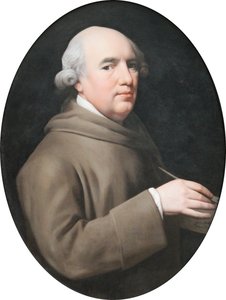
George Stubbs
1724 - 1806 , Egyesült Királyföld
Rövid információk
- Artistic Movement Or Style: Romantika, Lovak művészete
- Artists Or Movements Influenced By This Artist: ['Joshua Reynolds']
- Artists Who Influenced This Artist: ['Hamlet Winstanley']
- Date Of Birth: Augusztus 25, 1724
- Date Of Death: 1806. Július 10.
- Full Name: George Stubbs
- Nationality: Angol
- Notable Artworks:
- Whistlejacket
- Lovag és szörny
- A lovat támadó óriás
- Place Of Birth: Liverpool, Anglia
Kapcsolódó cikkek

Georges Seurat 25 Mesterműve: A Pontillizmus Zsenialitása – OriginalUniqueArt.com
Fedezze fel Georges Seurat 25 legikonikusabb művét! Ismerje meg a pontillizmus zsenialitását, az impresszionizmus forradalmát és a színek lenyűgöző játékát. Prémium minőségű reprodukciók és inspiráló otthoni dekorációk a OriginalUniqueArt.com-on. Fedezze fel a teljes gyűjteményt online!

Oil on Canvas: A Historical & Technical Exploration of a Timeless Artistic Medium
Explore the rich history & enduring techniques of oil painting on canvas. Discover the science behind its longevity, conservation practices, and contemporary relevance. Expert insights for art enthusiasts.

Georges Braque Mesterek: A 25 Leglenyűgözőbb Kép, Ami Megváltoztatta a Modern Festészetet
Fedezze fel Georges Braque 25 legikonikusabb műalkotását! Ismerje meg a kubizmus történetét, Picasso hatását és a francia művész lenyűgöző festményeit. Múzeumi minőségű reprodukciók és inspiráló dekorációs ötletek a OriginalUniqueArt.com-on.

The Enduring Legacy of Oil on Canvas: Technique, History & Aesthetic Impact
Explore the rich history & techniques of oil painting – from Renaissance masters to Impressionism. Discover pigments, layering methods, and why this timeless medium endures. Expert insights for artists & art enthusiasts.
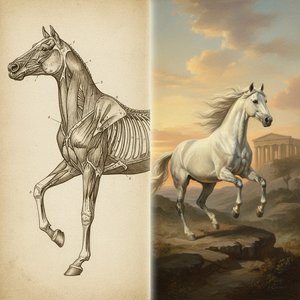
George Stubbs: Anatomical Precision & Romantic Vision in 18th-Century British Art
Explore the captivating world of George Stubbs, the 18th-century master renowned for his anatomical precision & Romantic animal paintings. Discover his legacy and investment potential.


